
How Your Home Layout Influences Your Daily Habits


When we think about the layout of our home, we often focus on aesthetic choices, such as color schemes, furniture, and decoration.
However, your home layout has a far more significant impact on your daily life than you might realize.
From the way you move through your spaces to how productive or relaxed you feel, the design of your home can shape your daily habits, routines, and overall well-being.
In this article, we will explore how different home layouts can influence your day-to-day life, and how a few simple changes could help improve your productivity, mood, and overall lifestyle.
The Flow of Your Home
The concept of flow in design refers to how easily you move from one space to another. The layout of your home can either encourage smooth transitions or create unnecessary obstacles.
A home with good flow makes it easier to go about your daily tasks, while a poorly designed space can feel chaotic or frustrating.
For example, if your kitchen is far from the living room, preparing meals or serving snacks for family movie night can become a chore.
The same goes for bathrooms and bedrooms—a bathroom too far from your bedroom can disrupt your morning routine, making it more likely that you'll rush through your morning ritual.
A well-organized, intuitive layout can minimize the distance between functional spaces and maximize comfort and convenience.

Small Layout Changes for Better Flow
- Open floor plans: Opting for an open layout between the kitchen, dining, and living rooms can encourage easy movement and communication within the home.
- Strategic placement of frequently used items: Place everyday items such as keys, bags, and coats near entryways, so you don’t waste time looking for them.
How Layout Affects Productivity
Have you ever noticed how certain areas of your home make you feel more productive than others? For instance, an office tucked in a corner might feel isolated and uninspiring, while a workstation near a window with natural light might spark creativity and focus.
The layout of your workspaces significantly affects your level of productivity and focus.
Designing a designated work area can help establish boundaries between personal and professional life, especially if you work from home.
Having an office that’s separate from your living or sleeping area reduces distractions and allows for clearer mental separation between work and leisure. If a separate room isn’t an option, using furniture and dividers to demarcate spaces can be just as effective.
Tips to Improve Productivity
- Ergonomic furniture: Investing in an ergonomic chair and desk will help you work more comfortably and reduce fatigue.
- Natural lighting: Position your workspace near a window to benefit from the natural light, which helps maintain energy and focus throughout the day.
- Organized storage: Keep your desk or workspace free from clutter by using shelves or cabinets for storage. A clean space promotes mental clarity.
Social Interactions and Your Home Layout
The layout of your home can also influence how much time you spend interacting with your family or guests.
For example, if your living room and dining area are separated by walls or other barriers, it can discourage group activities like family dinners or casual gatherings.
On the other hand, an open-plan layout with a centrally located kitchen island or a large dining table can promote socializing and create opportunities for more frequent connections.
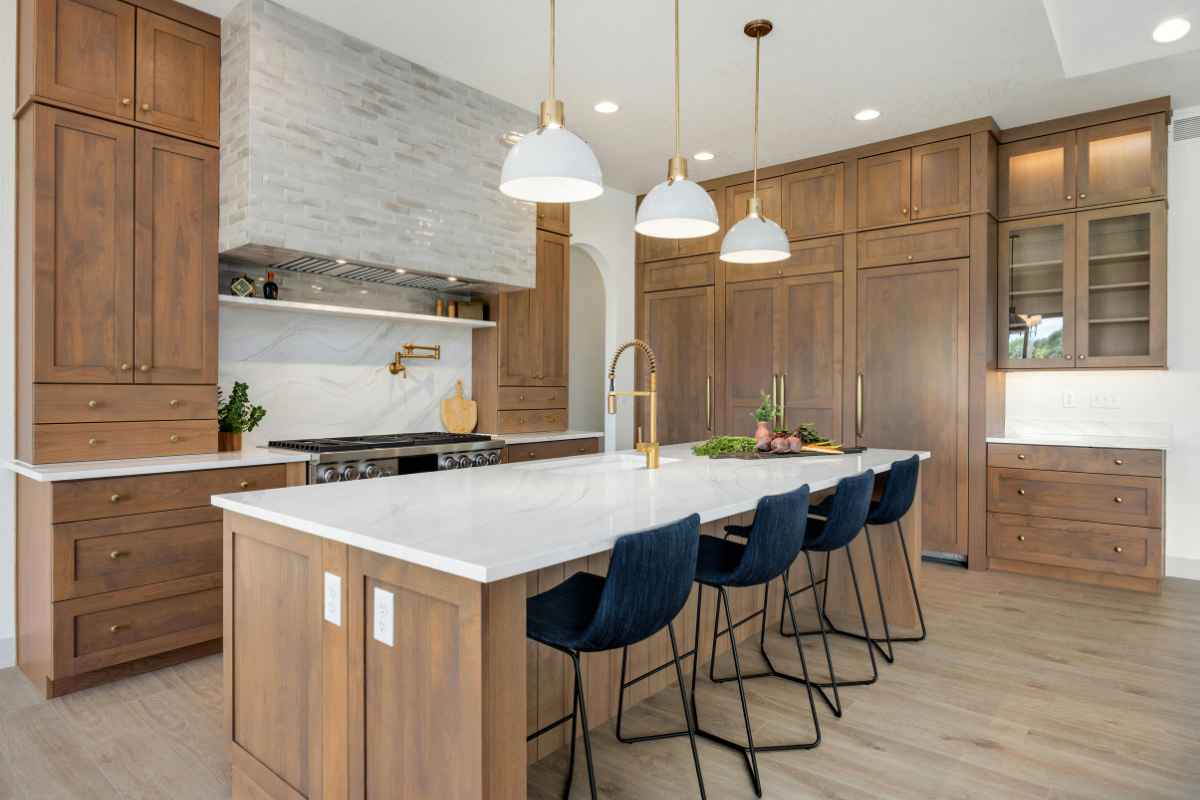
Spaces designed to encourage interaction—such as open-concept layouts, family rooms, and shared spaces—can encourage families to spend more quality time together, even in busy homes.
Additionally, ensuring there’s a comfortable seating arrangement in the living room can inspire relaxation and bonding with loved ones after a long day.
Creating Social Spaces
- Lounge areas: Make sure that there are inviting spaces for people to gather, whether that’s a cozy nook with comfy chairs or a spacious sectional sofa.
- Multi-purpose spaces: Designate a living area where you can work, entertain guests, and relax all in one, making it versatile and family-friendly.
How Home Layout Impacts Health and Well-being
The layout of your home can also have a profound effect on your mental and physical health. For example, a cluttered or disorganized space can contribute to stress and anxiety, while a clean and well-organized home can create a sense of calm and control.
Additionally, the location of rooms and ventilation can influence your health.
Incorporating natural light into your design is essential for maintaining a healthy circadian rhythm, especially in the bedroom. Exposure to natural light during the day helps regulate your sleep cycle and keeps you energized.
If possible, position your bedroom near windows or add glass doors to allow natural light to flood the room. Avoiding harsh artificial lighting, especially before bed, also aids in restful sleep.
The design of your kitchen can impact your eating habits as well. A kitchen that is cluttered or difficult to access can discourage healthy meal preparation, leading to more frequent takeout or unhealthy eating.
Having a well-organized, functional kitchen encourages cooking at home and can help support healthier food choices.
Simple Layout Adjustments for Well-being
- Add plants: Incorporating greenery into your home not only enhances the aesthetic but also promotes better air quality.
- Ventilation and airflow: Ensure rooms are well-ventilated to avoid stuffiness, especially in areas like kitchens and bathrooms.
- Sleeping areas: Keep your bedroom clean and free from distractions to create a sanctuary for sleep.
How to Tailor Your Home Layout to Your Personal Habits
Everyone’s daily routine is different, so the perfect layout for one person may not work for someone else. To optimize your space, consider your lifestyle and habits before making design decisions.
Are you someone who enjoys cooking and entertaining at home? If so, a spacious kitchen with an island or an open dining room might be ideal. If you work from home, a quiet, separate workspace with good lighting may be essential.
The key is to understand how you live and what will make you feel most comfortable and productive.
You can also experiment with different layouts to see what works best for you. Test out furniture arrangements and think about how each space will serve your daily needs.

It’s important to create a space that supports your lifestyle and habits, while also providing room for change as your needs evolve.
Your Home as a Reflection of Your Lifestyle
Your home layout isn’t just about aesthetic appeal—it plays a significant role in shaping your daily habits and routines.
From improving productivity and encouraging social interactions to promoting physical and mental health, the design of your home influences nearly every aspect of your life.
By making thoughtful adjustments to your layout, you can create a space that not only looks good but works for you, supporting your daily habits and helping you live a more organized, productive, and balanced life.
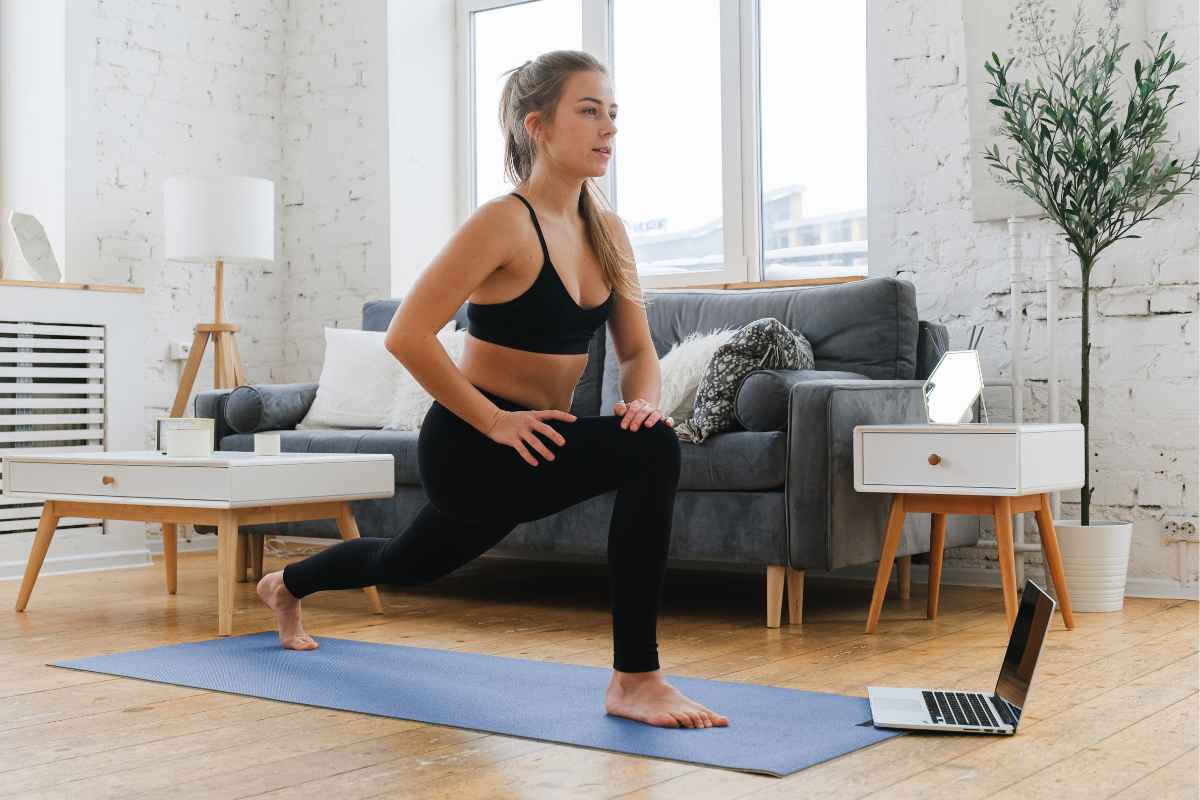
So, take a moment to think about how your home’s layout currently supports or hinders your lifestyle. Whether through small changes or larger renovations, it’s never too late to optimize your home to better suit your needs.
Did you find this post Useful or Inspiring? Save THIS PIN to your HOME Board on Pinterest!
More Home Tips 👇🏼👇🏼