
- Urbaki Home
- Decor
- Interior Decorating
- One Room, No Furniture: The Floor-Only Living Space
One Room, No Furniture: The Floor-Only Living Space

13/07/2025 · Updated on: 09/02/2026
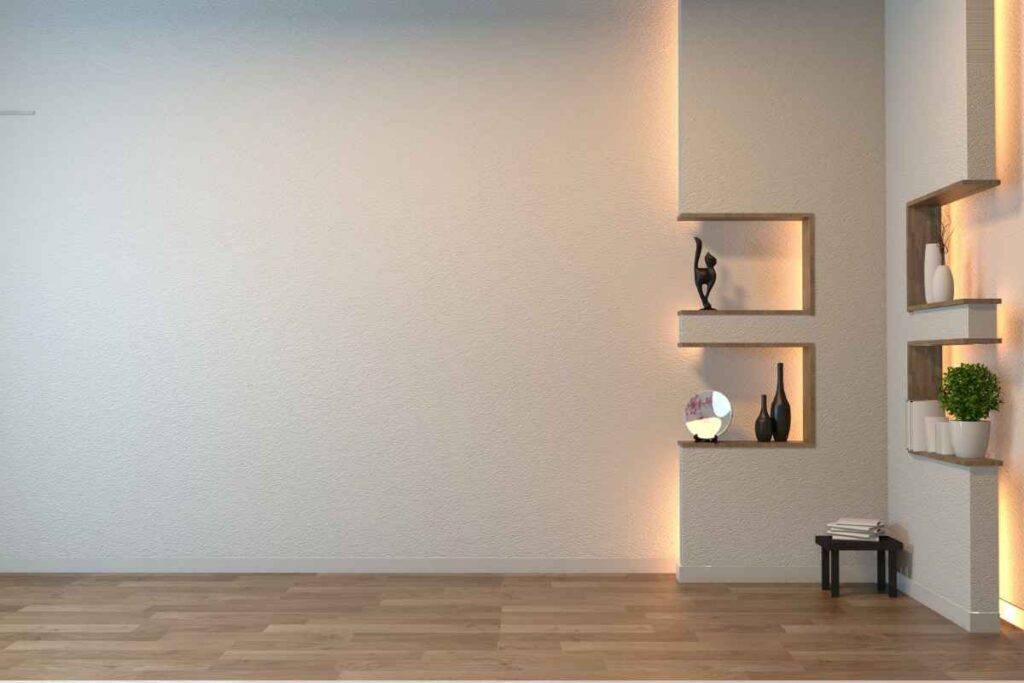
In the world of minimalist living, there's a growing trend that's challenging traditional home designs: living without furniture.
Imagine an entire room, or even an entire apartment, without the typical couches, tables, or chairs. Instead, the floor becomes the primary living surface.
It’s a style and lifestyle that forces you to rethink how you use space and interact with your environment. But what does living in a floor-only space really entail?
How do you navigate daily life without furniture, and why might someone choose this kind of setup?
The Rise of Minimalism
Before diving into the specifics of floor-only living, it's important to understand the minimalist movement that has been gaining momentum over the past few years. Minimalism encourages the removal of excess and prioritizes functionality and simplicity.
For some, this means owning fewer things, focusing on what truly adds value to their lives, and avoiding clutter. Furniture-free living spaces take minimalism to the next level by eliminating most of the traditional furniture we associate with home life.

This lifestyle is particularly popular among those who want to create an open, airy atmosphere in their homes. It’s also a choice for people who want to live more sustainably by consuming fewer resources.
But while it may sound like a dream for some, others might find the idea of living without furniture quite intimidating or uncomfortable. Let's explore both the benefits and challenges of floor-only living.
The Benefits of Living Without Furniture
1. Space Efficiency
One of the most significant advantages of a floor-only living space is the extra space it provides. Furniture tends to consume a lot of room, making a small area feel cramped and cluttered.
By removing bulky furniture, you're left with a more open environment that feels expansive and flexible.
For small apartments or rooms, this could be a game-changer. Without large furniture pieces blocking movement, you can enjoy more freedom in how you use the space.
Whether you want to spread out and relax, engage in a hobby, or host a small gathering, the versatility of a furniture-free space gives you more opportunities to adapt the room for various needs.
2. Flexibility and Adaptability
Without traditional furniture, your living space becomes more dynamic. You’re not restricted by fixed seating or tables. You can arrange your space in countless ways depending on your current needs.
Cushions, mats, and throw blankets can easily be moved or layered to create a comfortable sitting or sleeping area.
You might want to practice yoga, meditate, or have a casual hangout with friends – all of these can be accommodated in a flexible, floor-only setup.
This level of adaptability is ideal for people who enjoy switching things up or those who need a space that serves multiple purposes, like working, relaxing, or sleeping.

3. Improved Connection with the Environment
Living closer to the ground allows you to feel more connected to your surroundings. The tactile experience of sitting, lounging, or even sleeping directly on the floor can create a sense of grounding.
This connection to the earth is often associated with feelings of calmness and mindfulness, which can contribute to better mental health and a more serene living environment.
Moreover, a floor-only living space can make your home feel more open to nature. Whether you’re letting in natural light from a window or spending more time on the floor, it brings you closer to the elements and fosters a sense of openness.
4. Lower Environmental Impact
In a world where sustainability is becoming a top priority, living without furniture can be an eco-friendly choice.
Traditional furniture production requires significant amounts of resources such as wood, metal, and synthetic materials.
By eliminating these items from your home, you're reducing your personal consumption and contributing to a smaller carbon footprint.
Additionally, you won't need to invest in potentially harmful or synthetic furniture materials, which can contain chemicals that may impact your health and the environment.
The Challenges of Floor-Only Living
While there are many benefits, there are also challenges that come with living without furniture. Let’s take a look at some of the difficulties you may encounter when adopting this unconventional lifestyle.
1. Comfort and Convenience
The first thing that likely comes to mind when thinking about a furniture-free living space is comfort. Most people associate comfort with soft chairs, cozy couches, or supportive mattresses.
Without these traditional pieces, how do you sit, sleep, or entertain?
The solution for many is floor cushions, mats, futons, and tatami mats (a traditional Japanese floor mat).
These items are lightweight and portable, and they provide a comfortable alternative for sitting and lounging.
However, it can take some time to get used to this more minimalist style of comfort, especially if you’re accustomed to lounging on a couch or having a soft bed to sleep in.
Some people might struggle with the lack of support for long periods of sitting or lying down, while others may appreciate the simplicity.
2. Storage Limitations
Without furniture, storage becomes a bit more challenging. Most furniture, like dressers, bookshelves, and tables, doubles as storage space.
Without these, you’ll need to be creative with how you store your belongings. Storage baskets, boxes, and under-floor drawers become essential.
It’s crucial to embrace a decluttered lifestyle and learn to only keep items that you truly need or value. Living without furniture may encourage a simpler lifestyle, but it also requires a solid organizational system to avoid feeling disorganized or chaotic.
3. Lack of Privacy
Another potential downside is the lack of privacy that can come with a floor-only living space.
If you live in a shared space, or even in a studio apartment, having minimal partitions means there may be no clear distinction between areas for work, sleep, or relaxation.
This can be tricky, especially if you’re used to having distinct spaces for different activities.
However, using rugs, dividers, and curtains can help create separation and define different zones within the room.
4. Cleaning and Maintenance
Without furniture to hide dust and dirt, a floor-only living space might require more regular cleaning and maintenance.
Floors can accumulate dust and dirt more quickly than when furniture acts as a barrier. It’s essential to maintain a clean environment, as living directly on the floor could lead to discomfort or even health issues if dirt and allergens are left unchecked.
Sweeping, mopping, and vacuuming become essential tasks that need to be done more often. However, the upside is that cleaning might actually be easier without having to navigate around heavy furniture pieces.
Making the Floor-Only Living Space Work
If you decide to embrace this style, there are a few tips to make your floor-only living space both comfortable and functional.
1. Invest in Soft Textiles
Layering textiles is key. Soft rugs, cushions, and throws can add comfort to your floor-based lifestyle. Whether you choose plush area rugs, floor cushions, or blankets, the right textiles will make the space feel cozy while enhancing the minimalist aesthetic.
2. Get Creative with Storage
Look for multi-functional storage solutions that don’t require traditional furniture. Items like ottomans, storage baskets, or under-bed drawers can help store your belongings without cluttering your space.
3. Embrace Flexibility
Remember, living without furniture means your space should be adaptable. You can create a living environment that suits your mood, needs, or activities. Whether you’re working from home, hosting a gathering, or simply relaxing, floor-only living encourages flexibility in how you use your space.
A Simpler Way of Living
A floor-only living space is not for everyone, but it offers a refreshing take on home life that prioritizes simplicity, adaptability, and environmental sustainability.
By embracing this minimalist lifestyle, you can create a living space that encourages you to connect more deeply with your environment, reduce clutter, and appreciate the little things.
While there are some challenges—such as comfort, storage, and privacy—the rewards of a simplified, open space can be immense. For those willing to embrace the change, living without furniture can be a unique, freeing experience.
I’m Olivia, a firm believer that a happy home is built on the perfect balance of style and function. From DIY weekend projects and deep-cleaning hacks to finding the best decor trends on a budget, I love sharing practical ways to make your living space truly yours. My goal is to help you turn your house into a sanctuary, one organized corner at a time.
More Home Tips 👇🏼👇🏼