
Rituals to Close the Day: Preparing Your Home for Rest


As the day winds down, we often face a transition from the hustle and bustle of daily life to a peaceful, restful night. Establishing rituals to close the day can help signal to your mind and body that it’s time to unwind.
Preparing your home for rest doesn’t just involve dimming the lights or changing into pajamas; it’s about creating an environment that encourages relaxation, reflection, and restful sleep.
In this article, we’ll explore simple but effective rituals you can implement to help your home become a sanctuary for rest, ensuring you wake up feeling rejuvenated and ready for the day ahead.
Why Rituals Matter: The Power of Routine
Rituals help signal to your body and mind that it’s time to transition from activity to rest. The power of rituals lies in their ability to create a sense of comfort and predictability, which promotes feelings of safety and calmness.
When performed regularly, they become deeply ingrained, acting as triggers for relaxation. These closing rituals can guide you into a peaceful state, promoting not only better sleep but also a higher sense of well-being.
Establishing a calming evening routine is an excellent way to prepare your home and your mind for a restful night. Let’s explore some simple, yet effective, rituals to help you unwind at the end of the day.
1. Create a Relaxing Atmosphere with Lighting
Lighting plays a significant role in how our brain perceives the time of day. Bright, overhead lights can signal activity, while dim, soft lighting promotes relaxation.
Dim the Lights
About an hour before bed, start to reduce the intensity of your lighting. Switch to lamps or low-wattage bulbs instead of harsh overhead lights. The warm glow of soft lighting helps calm the nervous system and signals to your body that it’s time to wind down.
Use Candles or Fairy Lights
Adding candles or fairy lights to your home can create an intimate and peaceful environment. Choose scented candles with calming fragrances like lavender, chamomile, or sandalwood, which are known for their relaxing properties. The flickering flame also adds a sense of tranquility, helping your mind relax as you prepare for sleep.

2. Declutter and Tidy Up Your Space
Before you dive into relaxation, consider tidying up the living areas and the bedroom. A clean space can have a significant impact on your sense of calm and well-being.
Make Your Bed
A simple act like making your bed can give you a sense of accomplishment and calm, setting the tone for a restful night. When you climb into a well-made bed, it can feel like a warm, inviting retreat.
Clear the Clutter
Take a few minutes to clear any clutter from the day. Put away dishes, fold blankets, and straighten up any objects that might have been left out. Clutter can create mental stress, and the act of tidying up can help clear your mind, signaling that the work of the day is over.
3. Set the Mood with Soothing Sounds
The sounds around you have a huge influence on your mood. In the evening, quieting the noise and embracing more soothing sounds can create an atmosphere conducive to relaxation.
Play Soft, Calming Music
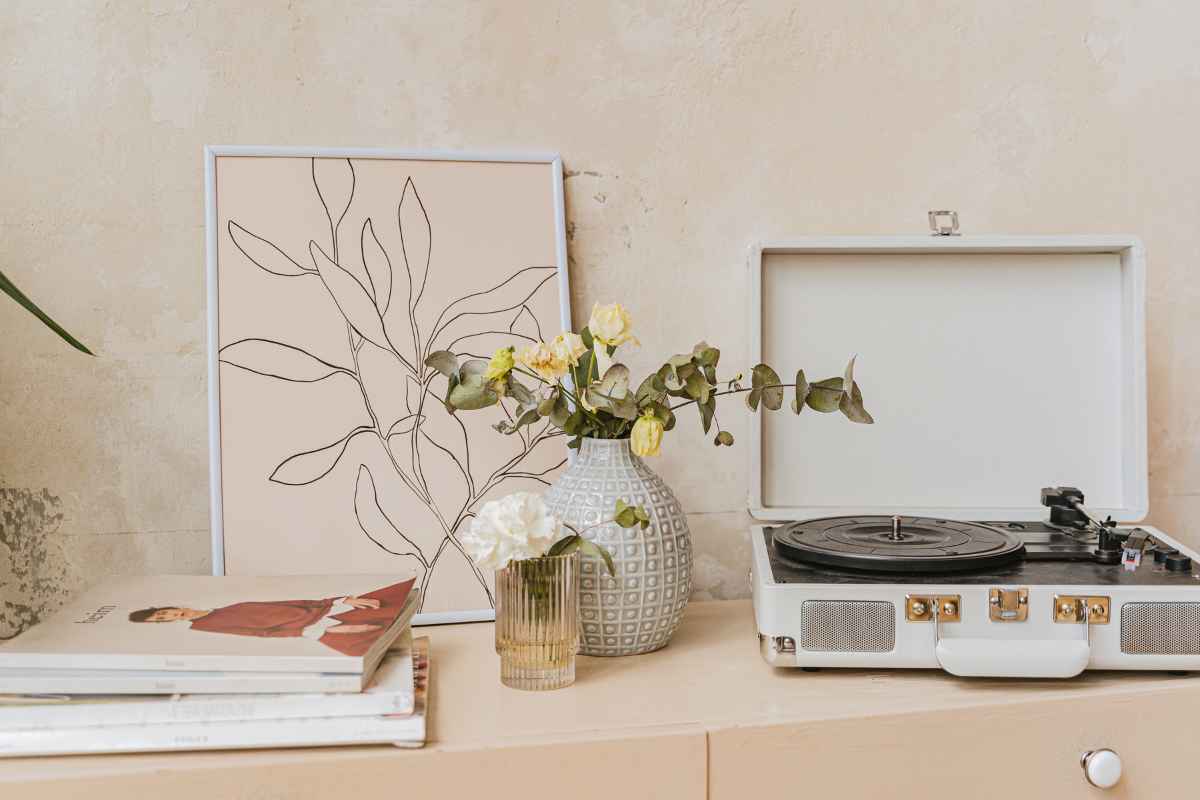
Create a playlist with soft, relaxing music to play in the background as you transition to bedtime. Classical, acoustic, or ambient music works well, but you can also find playlists specifically curated for sleep or relaxation. Choose melodies that soothe your mind and help slow your thoughts.
Use White Noise or Nature Sounds
If your home is exposed to noise from traffic or other external sources, white noise machines or nature sound apps can help mask these distractions. Sounds like rain, ocean waves, or forest ambiance promote a peaceful environment and help to lull your body into rest.
4. Incorporate Aromatherapy for Restful Sleep
Aromatherapy is a powerful tool for relaxation. Certain scents can promote calmness, reduce stress, and help prepare your body for sleep.
Essential Oils for Relaxation
Consider using an essential oil diffuser in your bedroom or living room. Essential oils like lavender, bergamot, frankincense, and ylang-ylang are known for their calming properties. Simply add a few drops of your preferred oil to the diffuser, and let the aroma fill the room.
Scented Pillows or Linen Spray
Spraying lavender linen spray on your pillow or bedsheets can create a soothing environment that’s inviting for sleep. Many people find the scent of lavender to be calming and conducive to a peaceful night’s rest.
5. Create a Relaxing Nighttime Bath or Shower Ritual
Taking a bath or shower can be one of the most relaxing ways to wind down at the end of the day. The act of immersing yourself in warm water can help relax your muscles and calm your mind.
Take a Warm Bath with Epsom Salts
A warm bath with Epsom salts can help ease tension in your body. Epsom salts are rich in magnesium, which helps relax muscles and reduces stress. Add a few drops of your favorite essential oils or light a candle by the tub to make the experience even more peaceful.
Shower with Relaxing Scents
If a bath isn’t possible, a warm shower with soothing shower gels or oils can also help to relax. Use scents like lavender or chamomile to create a spa-like experience at home.

6. Practice Reflection and Gratitude
Before you close the day, it’s important to take a moment to reflect on the day and express gratitude. This ritual helps shift your focus away from the stresses of the day and fosters a mindset of positivity.
Keep a Gratitude Journal
Spend a few minutes writing in a gratitude journal. Reflect on the positive moments of the day—big or small—and write them down. Focusing on gratitude helps to shift your mind away from stress and cultivates a sense of peace before bed.
Set Intentions for Tomorrow
Take a moment to set your intentions for the next day. Visualizing a peaceful morning or a productive day ahead can ease any lingering anxiety and help prepare your mind for rest.
7. Prepare Your Bedroom for Sleep
Your bedroom should be a sanctuary that encourages rest and relaxation. Here are a few steps to make your bedroom feel like the perfect space for sleep:
Adjust the Temperature
Make sure the temperature in your bedroom is conducive to sleep. Many people find that a cooler room (between 60-67°F or 15-20°C) helps promote deeper sleep. If necessary, adjust your thermostat, open a window, or use fans to find the perfect temperature.
Block Out Light
Light disrupts sleep, so try to eliminate as much light as possible. Consider using blackout curtains or a sleep mask to block out external light. Dimming the lights in your bedroom also helps signal to your brain that it’s time to wind down.
Remove Electronic Distractions
If possible, remove electronics from your bedroom, including phones, tablets, and laptops. These devices emit blue light that interferes with melatonin production and disrupts your sleep cycle. If you need to keep your phone nearby, consider using a blue-light filter.
Rituals for a Restful Night
Establishing rituals to close the day and prepare your home for rest can significantly enhance the quality of your sleep and overall well-being.
By creating a peaceful environment, practicing self-care, and nurturing your mind and body, you are setting yourself up for a restorative and rejuvenating night of sleep.
The next time you feel the weight of the day lifting, take a moment to engage in these rituals and embrace the quiet of the night. Your body and mind will thank you for it.
Did you find this post Useful or Inspiring? Save THIS PIN to your HOME Board on Pinterest!

More Home Tips 👇🏼👇🏼