
- Urbaki Home
- Decor
- Interior Decorating
- Selecting the Perfect Vintage Teacup: Common Pitfalls to Avoid
Selecting the Perfect Vintage Teacup: Common Pitfalls to Avoid

20/06/2024 · Updated on: 09/02/2026
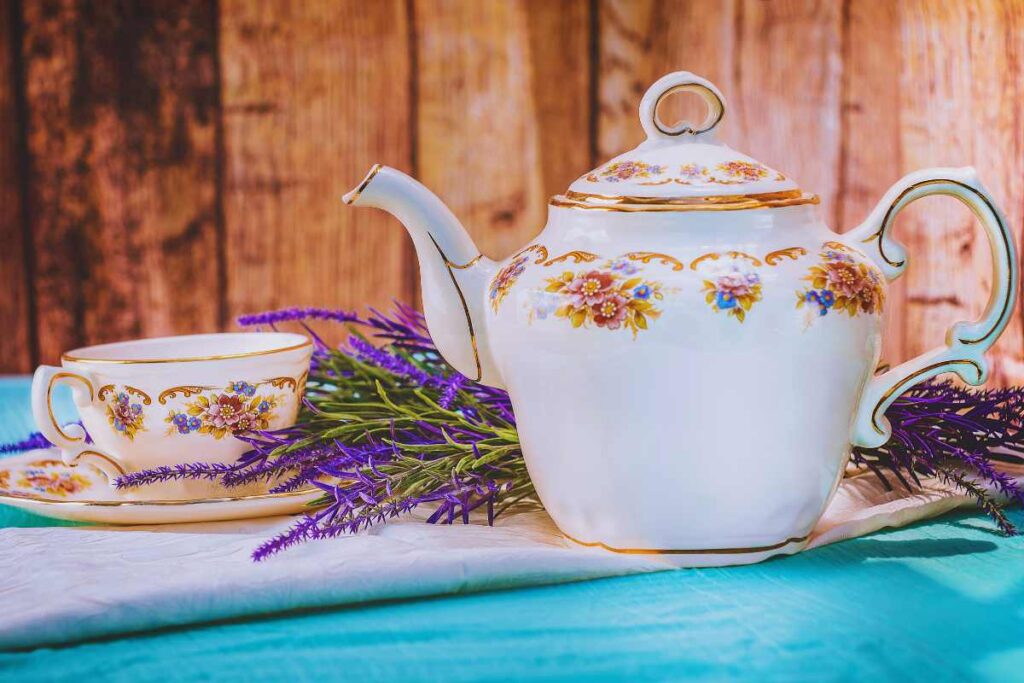
For many of us, collecting vintage teacups is more than just a hobby; it’s a passion. These charming pieces not only hold a touch of history but also add a unique flair to our homes.
However, finding the perfect vintage teacup can be a bit of a challenge, especially if you’re new to the world of antiques.
To help you on your journey, we’ve put together a guide on how to choose a vintage teacup and, more importantly, what to avoid.
Avoid Cracks and Chips
The first thing we need to look for when selecting a vintage teacup is its condition. Cracks and chips not only diminish the value of the teacup but can also make it less functional.
When inspecting a teacup, run your fingers along the rim and the handle to feel for any imperfections.
Hold it up to the light to check for hairline cracks that might not be visible at first glance. A pristine teacup is always the better choice, both for display and use.
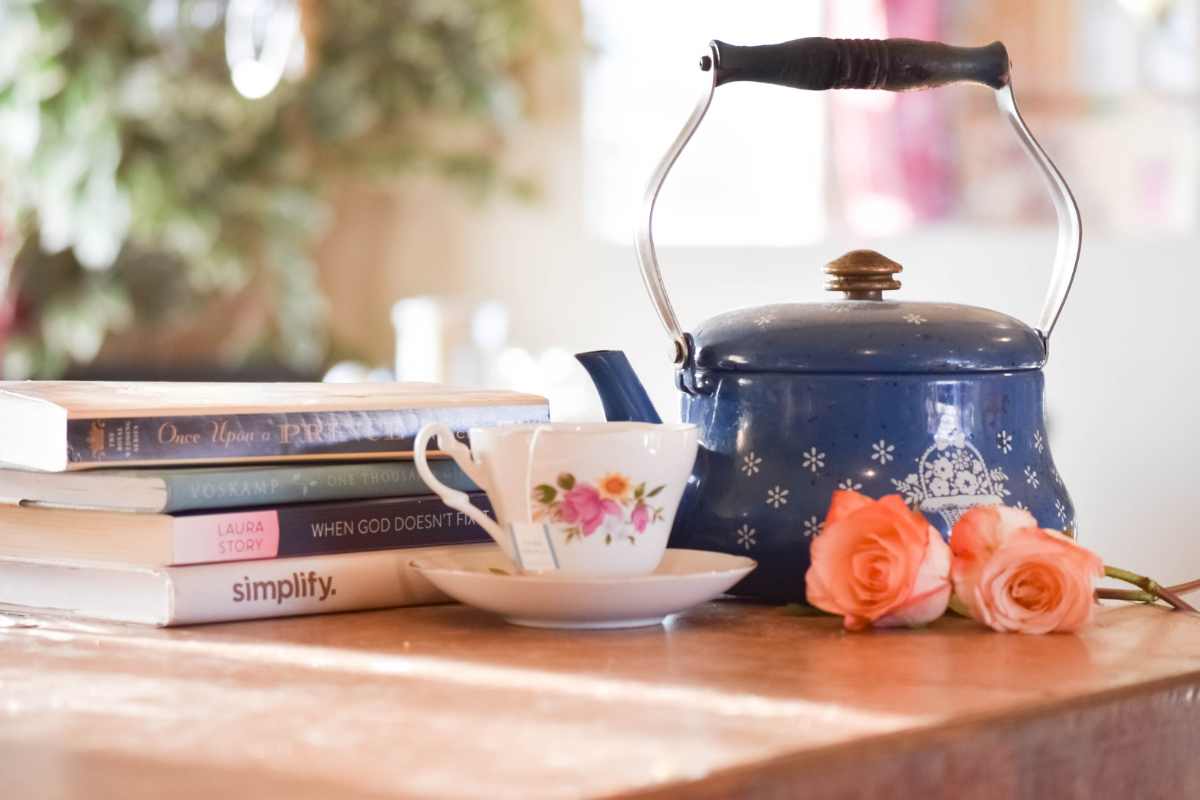
Steer Clear of Overly Restored Pieces
While some restoration can enhance the beauty of a vintage teacup, excessive restoration can actually detract from its value.
Look out for signs of repainting or glazing that seem too modern or inconsistent with the age of the piece.
If a teacup has been heavily restored, it may lose its authenticity and historical charm.
We want our vintage teacups to tell a story, not appear as though they just came off the production line.
Beware of Unauthenticated Marks
Many vintage teacups come with manufacturer’s marks that can help identify their origin and age. However, not all marks are genuine. Be cautious of unfamiliar or fake marks.
Familiarize yourself with the common markings of well-known manufacturers like Royal Albert, Wedgwood, and Limoges.
If a mark looks suspicious or is poorly done, it’s best to avoid that teacup. Investing time in researching authentic marks can save us from making costly mistakes.
Avoid Overpaying for Common Patterns
While some patterns are rare and valuable, others are more common and not worth a high price tag. Do some research to understand the rarity and value of different patterns.
Websites, collector’s guides, and antique shops can provide valuable information on what to look for. If a teacup with a common pattern is priced too high, it might be best to walk away and keep looking.
Check for Completeness
Vintage teacups often come with matching saucers. A teacup without its saucer is like a book without its cover – incomplete. Always check if the set is complete and if the patterns and colors match perfectly.
If the saucer is missing or mismatched, it’s better to avoid purchasing it unless you’re willing to hunt down the matching piece, which can be both time-consuming and expensive.
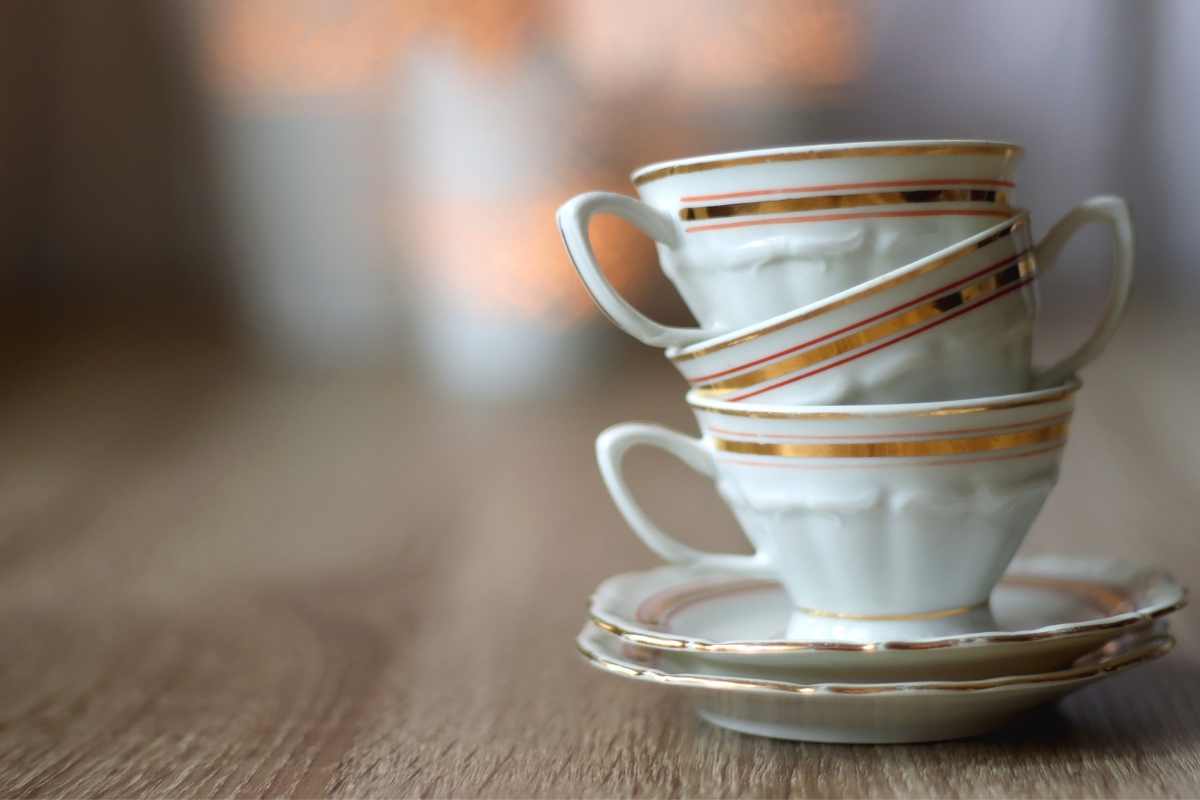
Be Wary of Reproductions
In the world of antiques, reproductions are quite common. While they might look attractive, they don’t hold the same value as genuine vintage pieces.
Look for signs of wear and aging, such as minor crazing, slight discoloration, or patina, which are indicators of authenticity. A teacup that looks too new might just be a reproduction, and while it could still be beautiful, it won’t have the same historical significance.
Final Thoughts
Choosing the perfect vintage teacup requires a keen eye and a bit of knowledge. By avoiding cracks and chips, steering clear of overly restored pieces, and being cautious of unauthenticated marks, we can
make smarter choices and build a collection that we can truly cherish. Remember to research patterns and prices to avoid overpaying, ensure that teacups come with their matching saucers, and be wary of reproductions.
Collecting vintage teacups can be a delightful and rewarding hobby. Each piece has its own story and character, adding a touch of elegance and nostalgia to our homes.
By following these tips and knowing what to avoid, we can make informed decisions and enjoy the beauty and history of our vintage teacup collection for years to come.
So, the next time you’re browsing an antique shop or a flea market, keep these guidelines in mind, and happy hunting!
We hope you enjoy watching this video about How to Choose a Vintage Teacup

Source: Happy Gals Vintage
Did you find this post useful or inspiring? Save THIS PIN to your HOME Board on Pinterest!
I’m Olivia, a firm believer that a happy home is built on the perfect balance of style and function. From DIY weekend projects and deep-cleaning hacks to finding the best decor trends on a budget, I love sharing practical ways to make your living space truly yours. My goal is to help you turn your house into a sanctuary, one organized corner at a time.
More Home Tips 👇🏼👇🏼