
7 Smart Dishwasher Tips for a Cleaner and Easier Kitchen

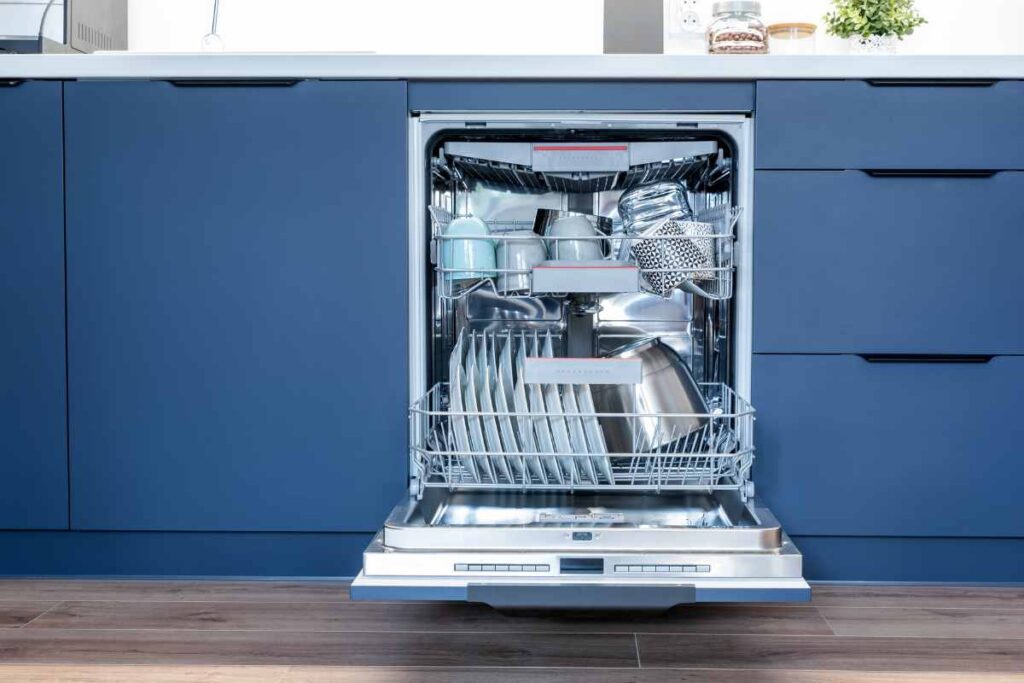
A dishwasher should make life easier, but when dishes come out spotty, the machine smells weird, or you’re re-washing “clean” plates, it quickly becomes another chore. The good news: you don’t need a new appliance to get better results.
These smart dishwasher tips will help you get cleaner dishes, reduce grime and odors, and streamline your whole kitchen routine. If you run your dishwasher a few times a week (or daily), this is for you.
1) Start With the Right Loading Strategy (It Matters More Than You Think)
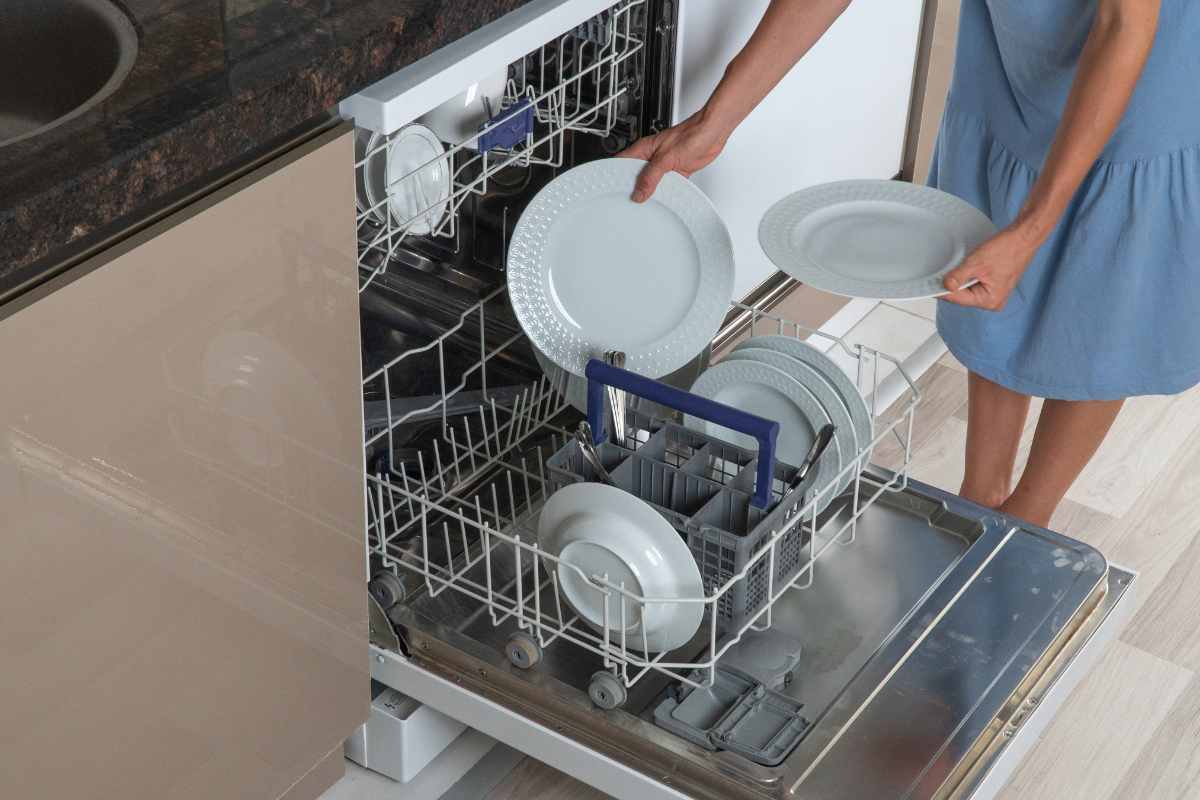
Loading isn’t just about “fitting everything in.” It’s about giving water and detergent a clear path to do their job.
- Face dirty surfaces toward the center where the spray is strongest.
- Don’t nest bowls or stack plates too tightly—water can’t reach what it can’t touch.
- Keep tall items from blocking the upper spray arm. If the arm can’t spin freely, nothing cleans well.
Quick loading checks before you hit Start
- Spin the spray arms by hand—they should rotate without hitting anything.
- Make sure utensils aren’t clumped together—mix spoons and forks so they don’t “spoon” and trap water.
2) Use the Top Rack for Plastics (and Angle Everything)
If you’re tired of water pooling on cups and containers, this tip alone is a game-changer.
- Put plastics on the top rack to reduce warping (most machines heat more intensely near the bottom).
- Angle cups, mugs, and containers slightly downward so water drains instead of collecting.
- For reusable containers, don’t flip them perfectly flat—a tiny tilt prevents that annoying “mini lake” on top.
3) Stop Pre-Rinsing—Do This Instead
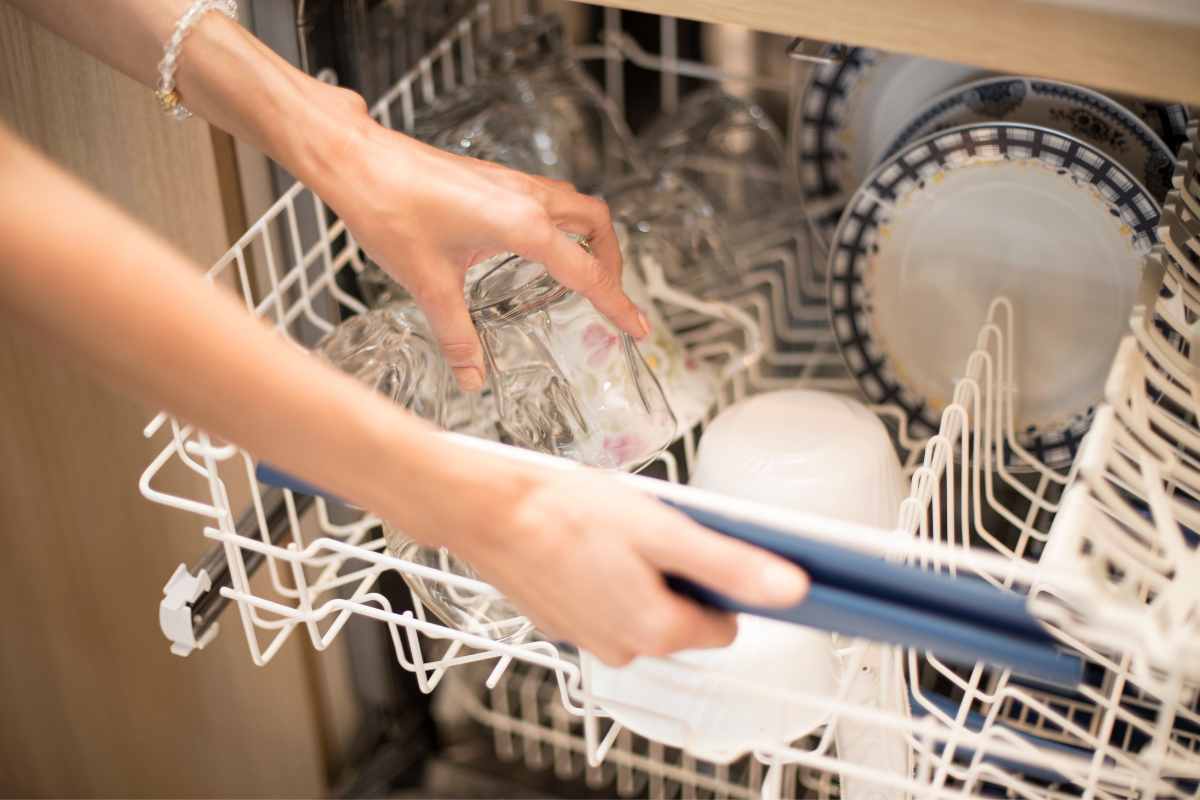
Many people over-rinse, and it can actually backfire because modern detergents are designed to cling to food residue.
- Scrape, don’t rinse. Remove chunks, bones, toothpicks—anything that doesn’t belong in the machine.
- If something is truly stuck-on (like dried oatmeal), soak that item briefly rather than rinsing your entire load.
Better habit: keep a small silicone scraper by the sink. Fast scrape, load, done.
4) Choose the Right Cycle (and Use Heat Strategically)
Using the “quick” cycle for everything is one of the fastest ways to get cloudy glassware and greasy plates.
- Everyday loads: Normal/Auto is usually best.
- Greasy cookware: Heavy cycle (or add heat/dry boost).
- Lightly soiled dishes: Quick/Express is fine—but don’t expect miracles.
If your machine has it, sanitize or high-temp can be amazing for cutting grease—but you don’t need it for every load.
5) Give Detergent the Best Chance to Work
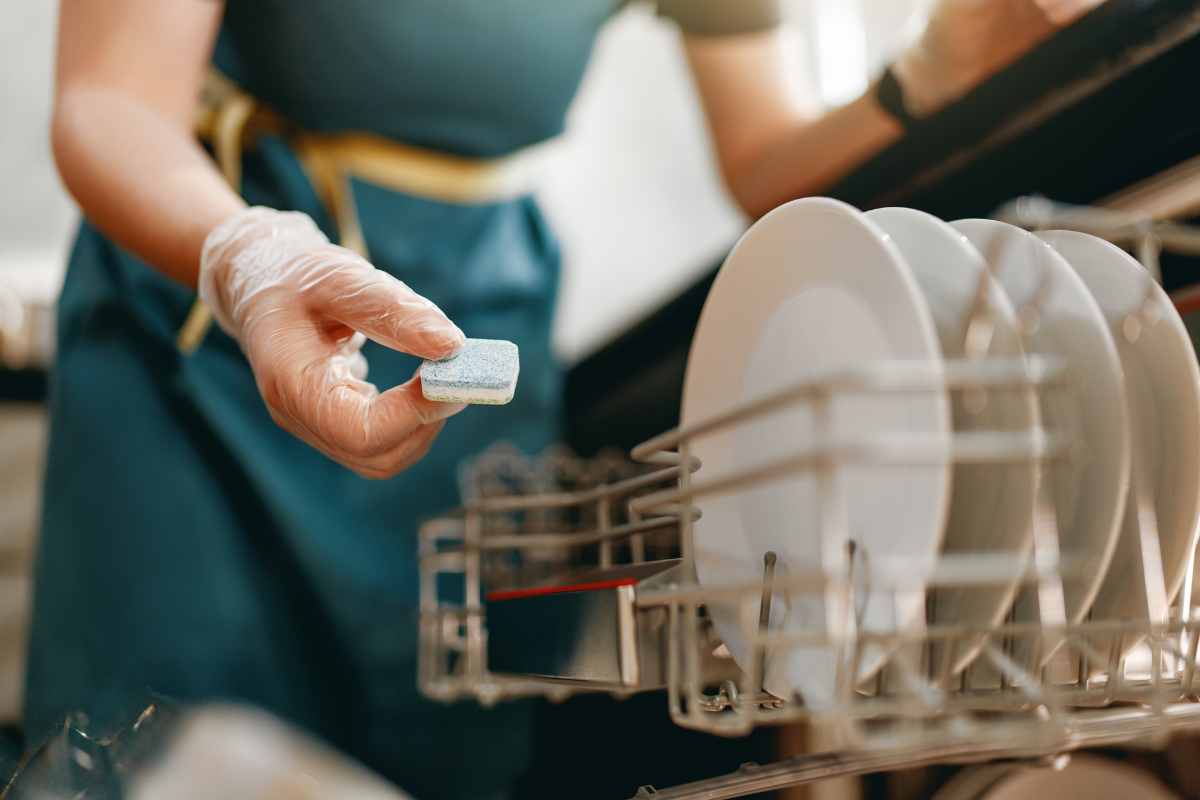
This isn’t about buying the “most expensive” detergent. It’s about using it correctly.
- Use the dispenser as intended and don’t overfill.
- If your dishwasher has a pre-wash option, consider adding a small amount of detergent to the pre-wash area (only if your model supports it).
- Store pods/powder in a dry, sealed container—humidity can reduce performance.
Pro tip: If your dishes smell “clean but not fresh,” it’s often leftover grease. A slightly stronger cycle + correct loading usually fixes it.
6) Clean the Filter (Yes, You Really Need To)
A dirty filter is the hidden reason behind bad smells, gritty residue, and “mystery crumbs” on glasses.
Simple monthly filter routine
- Pull out the bottom rack.
- Twist/remove the filter (most lift or unlock).
- Rinse under warm water and scrub gently with a soft brush.
- Reinstall securely.
If you cook a lot or run daily loads, you may need this every 2–3 weeks.
7) Prevent Odors With One Tiny After-Run Habit
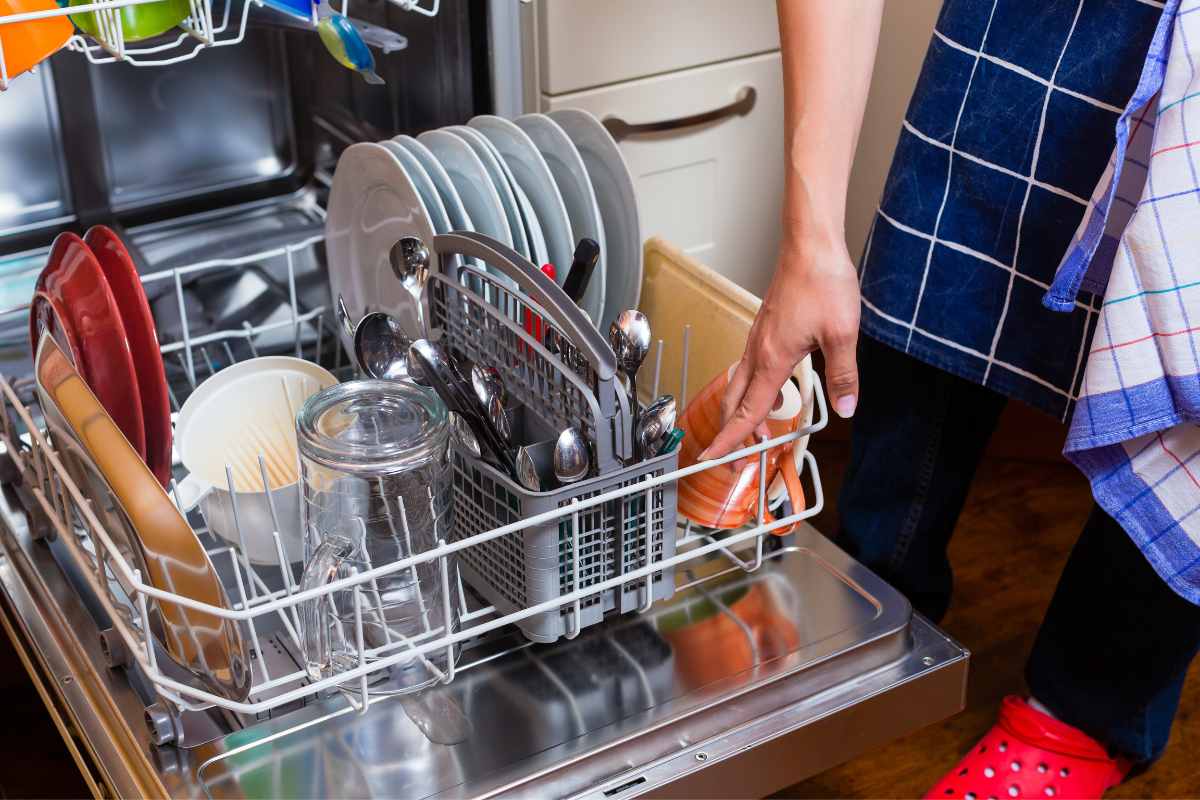
Dishwasher odors usually come from trapped moisture + food residue. You can prevent both with a two-second routine.
- After the cycle finishes, crack the door open for 15–30 minutes to vent steam.
- Wipe the door seal occasionally (that rubber gasket loves to collect grime).
- If you notice a lingering smell, run an empty hot cycle with a dishwasher cleaner or a simple cleaning routine recommended by your manufacturer.
Small habit, big payoff: Less mildew smell, fewer streaks, and a fresher kitchen overall.
Common Dishwasher Problems (and the Fixes That Actually Work)
Dishes come out with white spots or film
- Often hard water. Try a rinse aid and make sure you’re not overloading.
- Check that the spray arms spin freely.
Cloudy glassware
- Usually too much detergent or high heat too often.
- Use a normal/auto cycle and measure detergent carefully.
Food bits stuck on dishes
- Filter needs cleaning, loading is too tight, or the cycle is too short.
- Switch to Normal/Auto and scrape instead of pre-rinse.
Dishwasher smells bad
- Clean the filter and wipe the gasket.
- Vent the door after it runs to dry out the interior.
A Quick Dishwasher Checklist You Can Use Today

- Scrape, don’t rinse
- Load with space for water flow
- Keep spray arms clear and spinning
- Run the right cycle for the mess
- Clean the filter monthly
- Crack the door after the cycle
- Wipe the gasket when you notice buildup
Closing
A cleaner dishwasher equals cleaner dishes—and a kitchen that feels easier to manage day to day. Try just two of these tips this week (filter + better loading is a great start), and you’ll notice the difference fast. Once your routine is dialed in, the dishwasher becomes what it should be: a quiet helper, not another problem to solve.
— Olivia
More Home Tips 👇🏼👇🏼