
Soundproofing Tricks That Also Look Beautiful


Soundproofing your home doesn’t have to come at the cost of aesthetics.
Whether you're trying to reduce outside noise, improve the acoustics of your space, or create a more peaceful atmosphere, there are several stylish and functional ways to achieve sound control.
Let’s explore how you can combine design and acoustics in one elegant solution.
The Role of Materials in Soundproofing
When it comes to reducing noise, soft, dense, and absorbent materials are your best friends. They trap sound waves and prevent them from bouncing around the room.
But instead of bulky panels or unattractive foam, you can use decorative alternatives that serve the same purpose while enhancing your space.
Upholstered Furniture and Fabric Finishes
Think of your sofa, headboard, or even ottoman as more than just furniture—they’re natural sound absorbers. The thicker the material, the better it performs in soaking up noise.
Velvet, wool, and microfiber are excellent for this purpose and bring a cozy and luxurious feel to any room. Add tufted textures or button detailing for visual interest.
Heavy Curtains with Style
Thick curtains or drapes can drastically reduce the noise coming from outside, especially when installed over large windows or thin walls.
Choose floor-to-ceiling blackout curtains in rich tones like navy, emerald, or charcoal to create a sophisticated ambiance. If you prefer a lighter look, layer sheer curtains underneath for a soft, elegant effect that doesn’t compromise on functionality.

Wall Treatments That Do More Than Decorate
Your walls are the largest surfaces in a room—and often the greatest sources of echo and outside noise. With thoughtful design, they can become both beautiful and sound-absorbing.
Acoustic Wall Panels Disguised as Art
Modern acoustic panels don’t look like industrial foam anymore. Many now come in geometric designs, bold colors, or fabric-covered options that double as wall art.
Some even mimic canvas prints or decorative tiles, so your walls remain expressive while serving a useful function. Arrange them in a grid or an asymmetric layout for a gallery feel.
Wood Slat Walls for Warmth and Silence
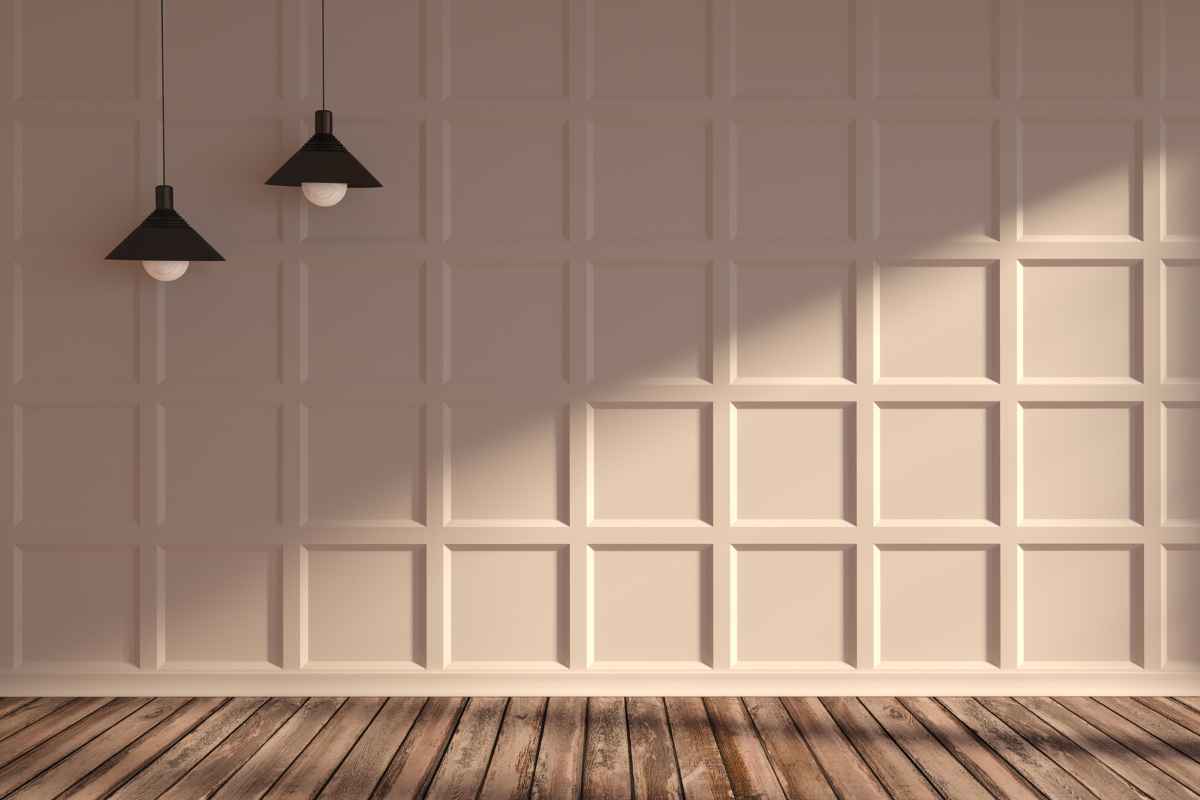
Wood slats are a huge trend in interior design, and they also happen to have excellent acoustic properties. These vertical or horizontal panels are often installed with felt backing, allowing them to absorb mid and high-frequency sounds.
They offer a modern Scandinavian look and work well in entryways, bedrooms, or living areas where design meets comfort.
Flooring Choices That Muffle Sound
Floors can be a major culprit when it comes to noise—both from foot traffic and sound bouncing off hard surfaces. Instead of settling for cold, noisy tiles or hardwood, consider more sound-friendly materials.
Area Rugs with Plush Padding
Rugs are one of the easiest ways to instantly improve acoustics in a room. A large, high-pile rug with dense padding underneath can significantly reduce sound transmission.
Opt for patterns or colors that tie the room together. For added visual interest, layer smaller rugs on top of a base rug to create depth and dimension.
Cork or Rubber Flooring
For more permanent solutions, cork or rubber flooring is both sustainable and highly sound-absorbing. Cork brings a natural, organic vibe and works beautifully in spaces like home offices, nurseries, or bedrooms.
Rubber, often used in gyms, can be disguised with elegant textures or engineered wood finishes, offering both durability and style.

Ceiling Ideas with Acoustic Benefits
Ceilings are often overlooked when designing for sound control, yet they play a key role—especially in multi-level homes or apartments.
Decorative Ceiling Panels
Install acoustic ceiling tiles that are designed to look like pressed tin or coffered panels. They add charm and character while helping to absorb excess sound.
These are perfect in dining rooms, libraries, or entertainment spaces where a quiet ambiance is appreciated.

Hanging Baffles or Sculptural Elements
In larger or open-concept rooms, consider using hanging acoustic baffles that double as modern art installations. These suspended panels, often made from felt or foam, absorb sound while giving your ceiling a creative touch.
Some designers even customize them into cloud shapes or abstract forms for added drama.
Smart Additions That Blend Function and Beauty
You don’t need to renovate your entire space to make it quieter. Sometimes, the smallest details can make a big difference in both sound and style.
Decorative Bookshelves and Filled Cabinets
A fully stocked bookshelf or a closed cabinet filled with items acts as a natural sound barrier. Place them against thin or shared walls to dampen vibrations and add a focal point to your room.
Arrange books by color or size for a visually appealing effect, and mix in a few decorative objects for personality.
Indoor Plants as Sound Buffers
Believe it or not, certain houseplants help reduce noise levels. Large, leafy plants like monstera, rubber trees, or fiddle leaf figs can break up sound waves and reduce echoes in open spaces.
Group several together in stylish pots for a lush, organic look that doubles as a natural noise filter.
A Calmer Home, One Beautiful Detail at a Time
Combining beauty and function isn’t just possible—it’s essential for modern living. Whether you're seeking more peace and quiet in a busy household or just want to improve your space’s acoustics, these soundproofing tricks help you do both elegantly and effortlessly.
From stylish curtains to artistic panels, each option proves that design can be both thoughtful and practical.
Design That Speaks Softly
By choosing pieces that serve dual purposes—absorbing sound while enhancing decor—you create an environment that’s as inviting as it is serene.
A well-soundproofed room doesn’t have to look like a recording studio. It can feel like home—comfortable, quiet, and uniquely yours.
Did you find this post Useful or Inspiring? Save THIS PIN to your HOME Board on Pinterest!

More Home Tips 👇🏼👇🏼