
Studio or One-Bedroom Apartment, What's the Difference?


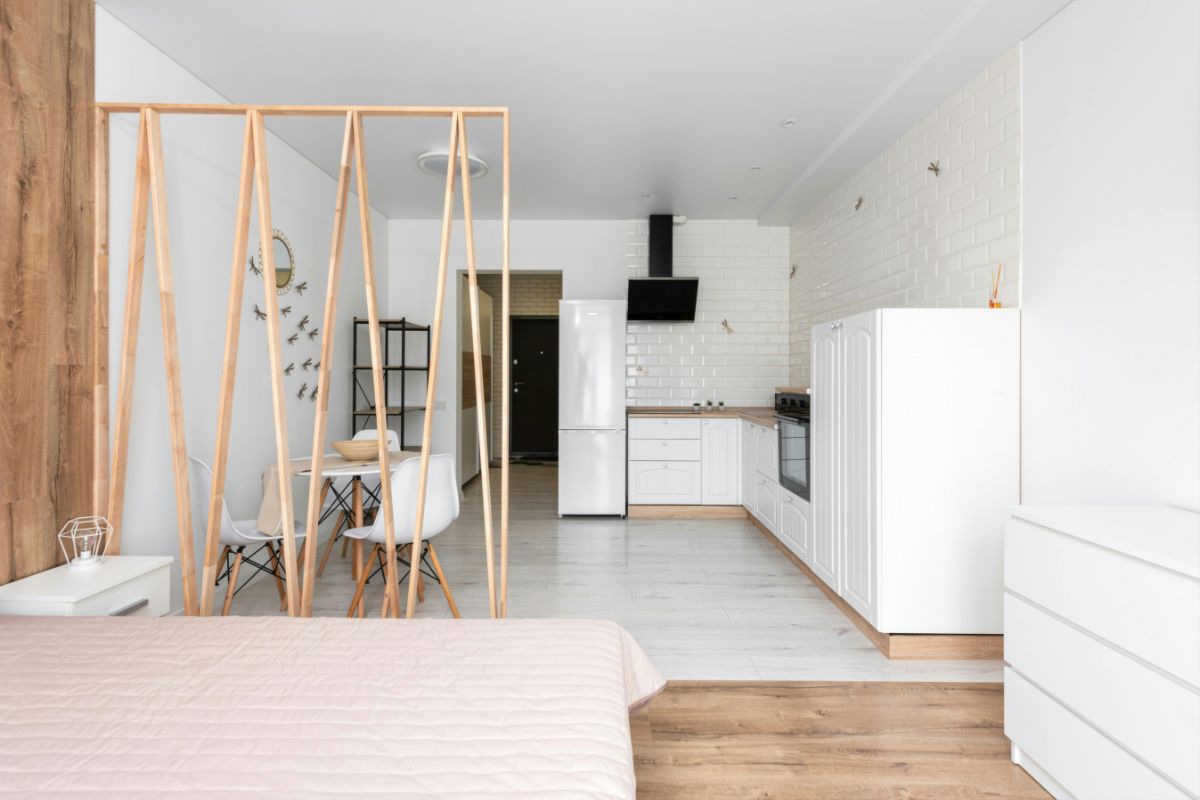
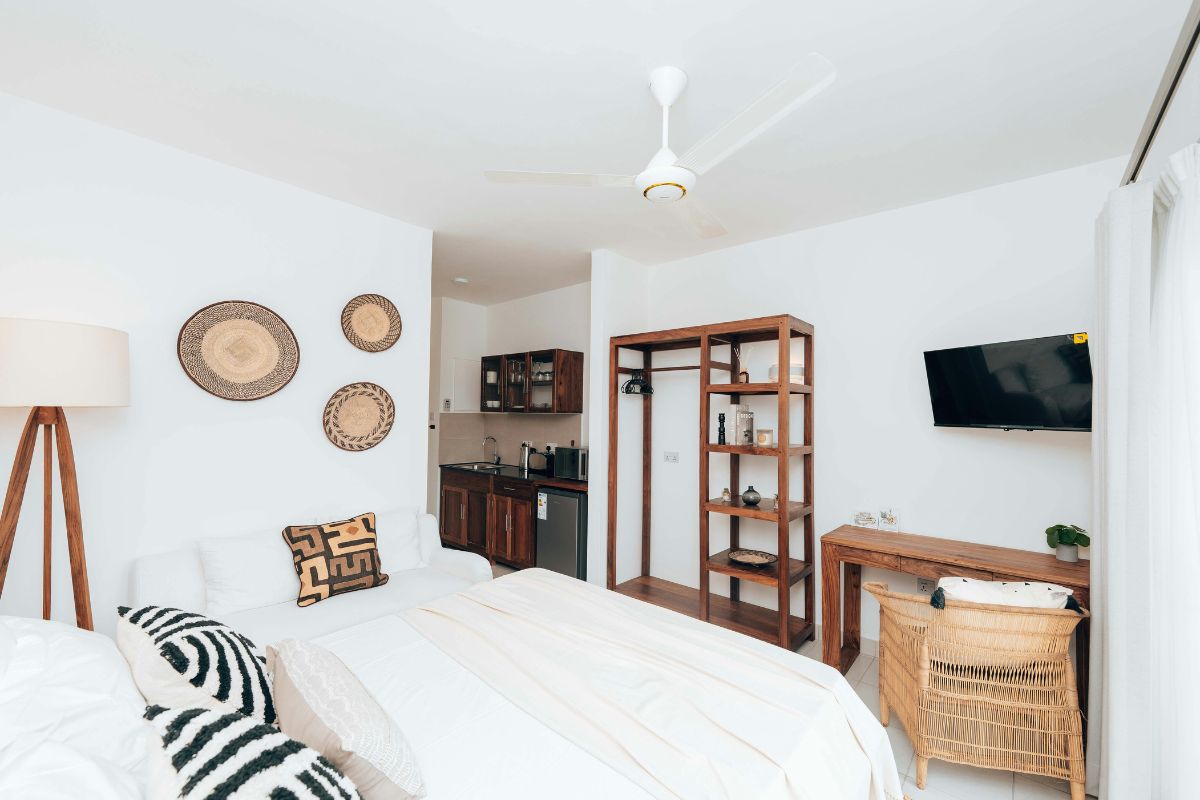
A studio apartment is one open room where your living, sleeping, and cooking areas share the same space, with a separate bathroom.
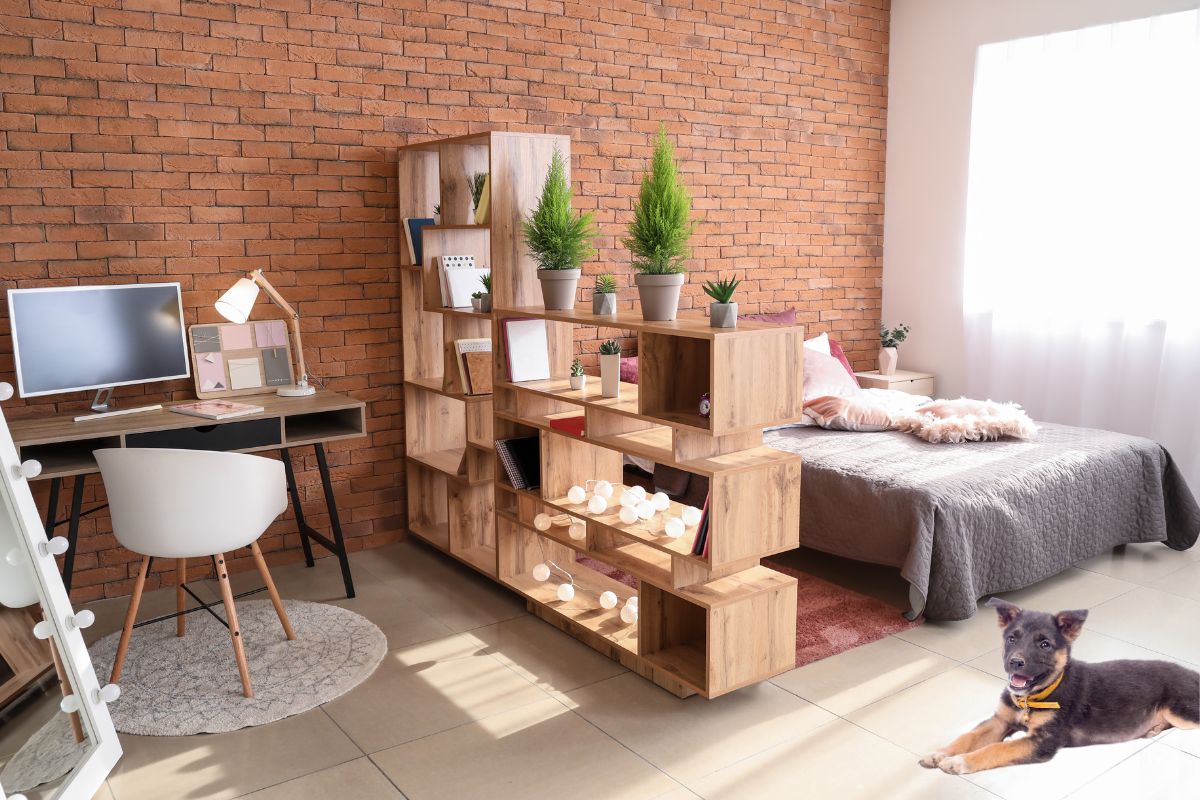
Many studios feel airy and efficient, especially when you use shelving, rugs, or curtains to create “zones.”
Helpful variations
Alcove studio: Still one room, but with a nook or L-shaped layout that makes bed placement feel more private.
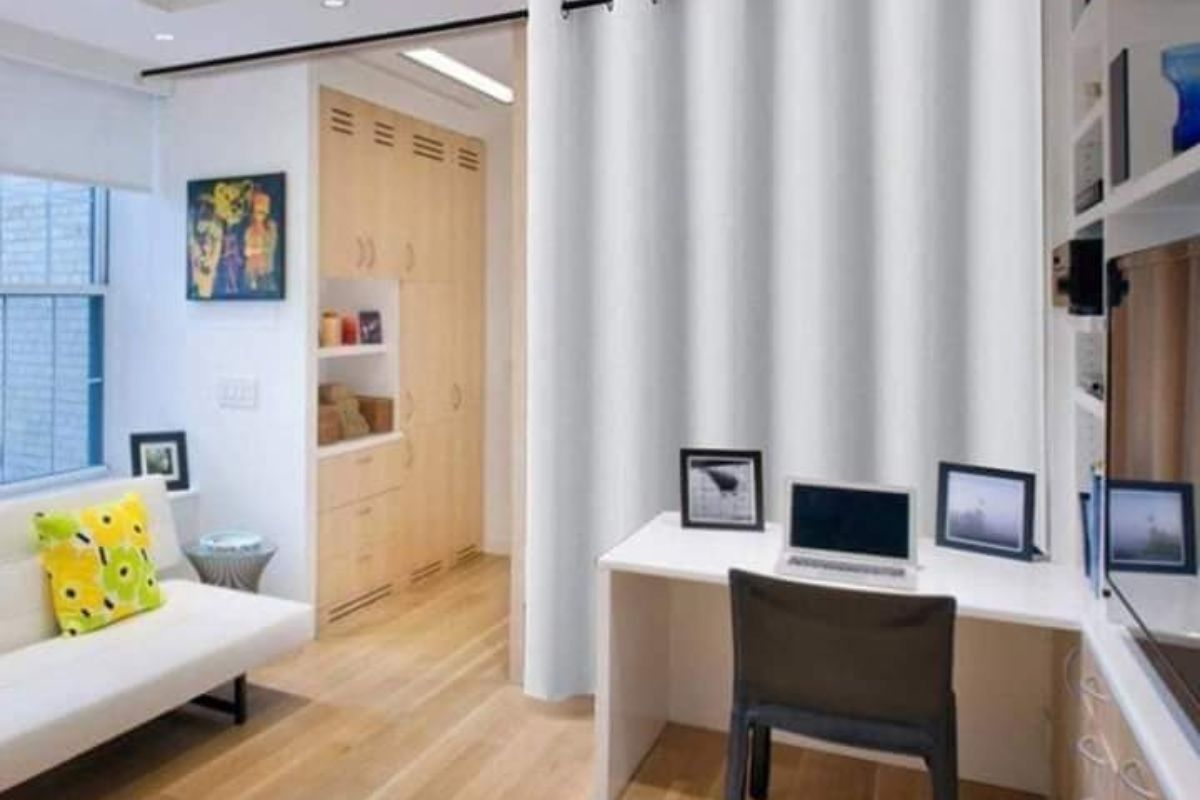
Junior one-bedroom: A studio with a partial divider or sliding wall—useful for visual separation, though it may not meet the legal definition of a bedroom.
Bottom line: Think all-in-one layout, easy to furnish, and typically a lower budget than larger apartments.
What Is a One-Bedroom Apartment?
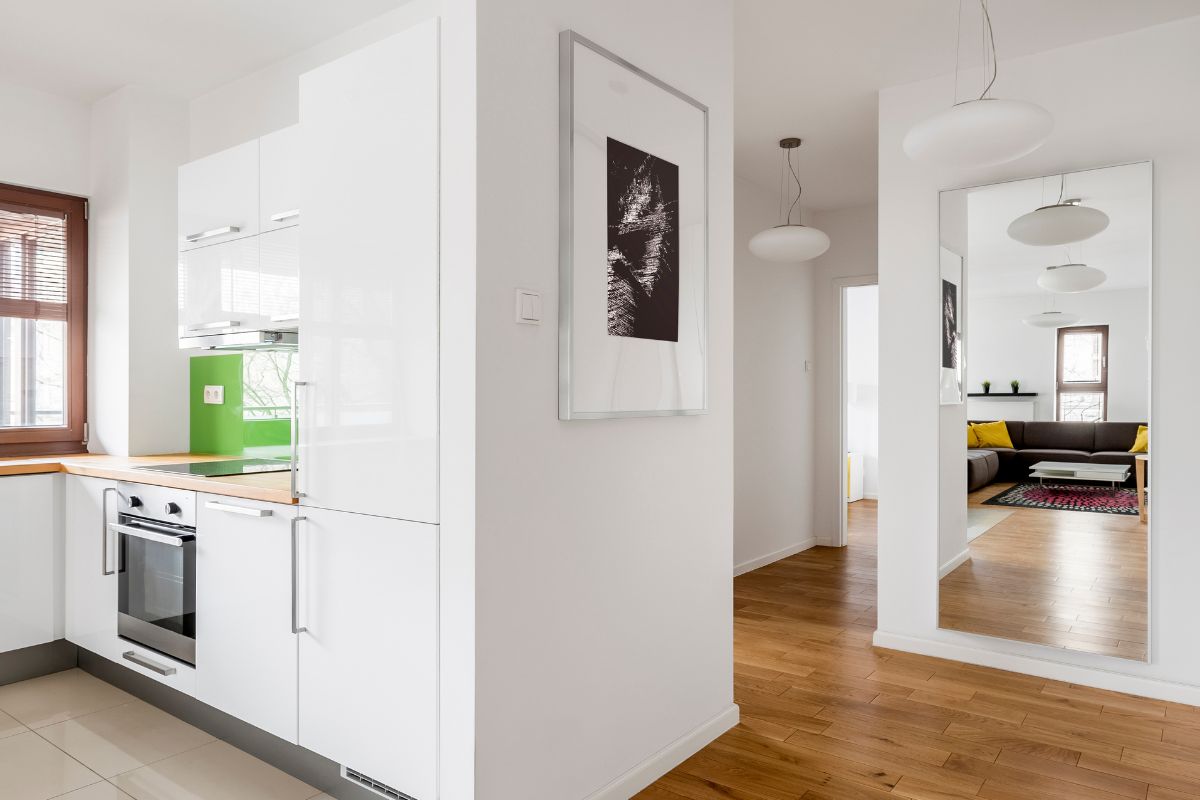
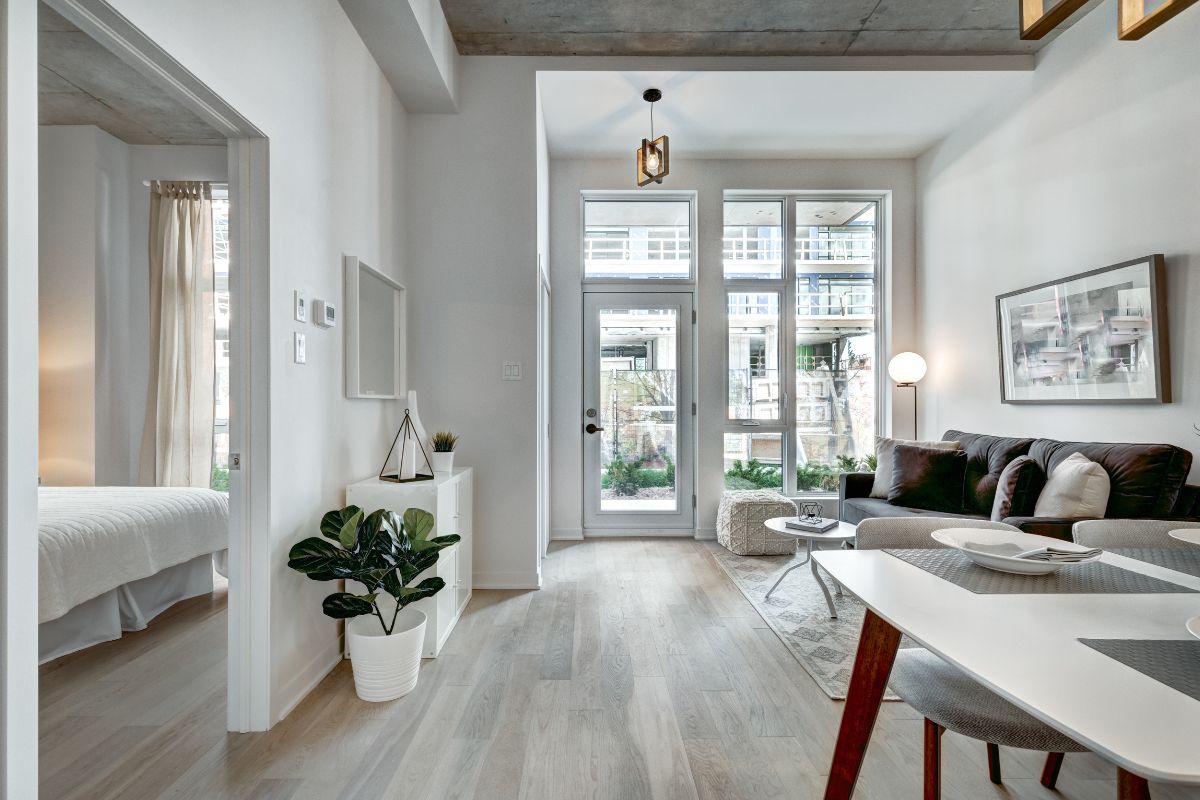
A one-bedroom apartment has a separate bedroom enclosed by walls and a door, plus a living area and kitchen (open or closed).
The closed bedroom gives you true privacy, better noise control, and a dedicated place to rest—even when guests are over or work calls run late.
Bottom line: Think defined rooms, more storage in many cases, and layouts that feel closer to a “traditional home.”
 Key Differences at a Glance
Layout & Space
Studio apartment: Open plan; everything (except the bathroom) in one room.
One-bedroom apartment: Bedroom is separate; you can close the door and disconnect.
Privacy & Noise
Studio: Limited privacy; cooking smells and noise share the same space.
One-bedroom: Better privacy for couples, guests, and remote work.
Cost & Utilities
Studio: Often lower rent and reduced utilities thanks to smaller square footage.
One-bedroom: Typically higher rent and more furniture to buy; utilities may be higher.
 Furnishing & Storage
Studio: Minimalist setup shines; you’ll need smart storage (vertical shelves, under-bed bins).
One-bedroom: More wall space, closets, and room for a desk, dresser, or pet gear.
Pros and Cons
Studio Apartment
Pros
Budget-friendly: Lower rent on average; can also cut utility costs.
Simple to maintain: Less to clean and furnish; great for a minimalist lifestyle.
Often better location value: In some markets, studios make central neighborhoods more attainable.
Cons
Limited privacy: Living, sleeping, and entertaining share the same room.
Storage constraints: You’ll rely on clever organization to avoid clutter.
Blurred boundaries: Harder to separate work from rest in a single space.
 One-Bedroom Apartment
Pros
Real privacy: A door you can close improves sleep and reduces noise.
WFH-friendly: Easier to set up a dedicated remote work area.
Flexible living: More comfortable for couples, regular guests, or pets.
Cons
Higher total cost: Expect more rent, utilities, and furnishings.
More upkeep: More surfaces and systems to maintain.
Cost, Size, and Layout: What to Expect
While a one-bedroom apartment is usually larger and pricier than a studio apartment, there are always exceptions. Some studios are surprisingly spacious; some one-bedrooms are compact. Rather than fixating on “typical” square footage, focus on:
Total monthly spend: Rent + utilities + internet + parking + pet fees.
Furniture needs: Will you need a sofa, dining set, desk, and bedroom furniture—or will multifunctional pieces in a studio do the job?
Natural light & ventilation: Big windows and cross-breezes can make smaller spaces feel much larger.
Sound & privacy: Corner units, floor level, and building construction all matter.
Storage reality: Count closets and measure wall heights; consider under-bed and vertical systems.
 Lifestyle Fit: Which One Matches You?
Choose a Studio Apartment if you…
Want to maximize budget and minimize chores.
Spend limited time at home or prioritize location over square footage.
Enjoy an open layout and don’t mind creating zones with rugs, bookshelves, or screens.
Prefer a minimalist, low-clutter setup with smart storage.
Choose a One-Bedroom Apartment if you…
Need privacy for a partner, overnight guests, or varying sleep schedules.
Work from home and benefit from separating your office from your bedroom.
Own more belongings (or a pet) and want extra storage and defined rooms.
Host friends regularly or value a living room that stays tidy when the bedroom isn’t.
 Quick Pre-Lease Checklist
Budget reality: Rent, utilities, internet, parking, pet deposits, amenities fees.
Commute & errands: Transit options, grocery stores, gyms, green spaces.
Noise check: Visit at different times; listen for hallway or street noise.
Light & airflow: Orientation, window size, and whether windows open.
WFH essentials: Outlets, router placement, camera background, desk space.
Storage & furniture plan: Closet count, vertical space, and where large items will live.
House rules: Pet policy, package handling, move-in fees, guest rules, and quiet hours.
Common Mistakes to Avoid
Equating “junior one-bedroom” with a legal bedroom: Partial dividers help, but they’re not always a true bedroom.
Underestimating furniture costs: A one-bedroom often needs more pieces (and more delivery fees).
Ignoring zoning in a studio apartment: Without a layout plan, clutter builds quickly—map your zones before moving.
Skipping the utility estimate: Ask for typical monthly ranges; even small differences add up over a year.
 Your Best-Fit Home, Decided
If your priorities are price, simplicity, and location, a studio apartment can be a stylish, efficient win—especially with thoughtful storage and zone planning.
If your life needs privacy, quiet, and separation for remote work, a one-bedroom apartment usually earns its higher cost in daily comfort.
Match the layout to your routine, confirm the total cost, and choose the space that supports the life you actually live.
We hope you enjoy watching this video about Studio and One-Bedroom differences

Source: Apartment Guide
Did you find this post useful or inspiring? Save THIS PIN to your HOME Board on Pinterest! 

Once again, thank you for visiting our website!
We hope you've enjoyed exploring the content we've created for you.
Give yourself the chance to learn, get inspired, and have even more fun, keep browsing...
More Home Tips 👇🏼👇🏼