
The Rise of Anti-Decor: When Blank Walls Are the Statement


In the world of interior design, trends come and go, often reflecting cultural shifts and societal changes.
While some people love to adorn their walls with vibrant art, trendy furniture, and accessories, a growing movement has emerged that celebrates the simplicity of blank walls as the central design feature.
Known as anti-decor, this trend challenges traditional home styling conventions by embracing minimalism in a striking way.
But what does it mean when blank walls are the statement? Let’s dive into the reasons behind this trend and explore how it’s reshaping modern interior design.
What is Anti-Decor?
Anti-decor is an interior design movement that takes the idea of minimalism a step further by removing or forgoing decorative items altogether. The focus here is on the absence of decoration, allowing space itself to shine.
It may sound counterintuitive, but this trend has been gaining momentum, especially in modern homes where clutter-free environments are highly valued.
Blank walls are often at the forefront of this concept, with rooms intentionally left empty or with minimal furniture to highlight the beauty of the architecture and the simple, clean aesthetic.
While traditional decor styles tend to emphasize layering textures, colors, and furniture, anti-decor aims to create calm and open spaces that emphasize spaciousness and balance.
The look is intentionally unadorned, with rooms void of unnecessary embellishments or artwork. Instead, the natural beauty of the space itself takes center stage.

The Influence of Minimalism and Modern Architecture
The rise of anti-decor can be linked to the broader appeal of minimalism, which has been embraced in various aspects of life, from fashion to lifestyle to home decor.
Minimalism, with its focus on “less is more,” has inspired countless people to streamline their possessions and embrace a more intentional approach to living. Anti-decor, as an extension of minimalism, takes this philosophy and applies it to the design of living spaces.
Additionally, modern architecture plays a significant role in the popularity of anti-decor. Many contemporary homes feature open floor plans with sleek lines, large windows, and high ceilings.
These elements are often designed to be showcased rather than covered up. The use of natural light and unobstructed views creates an atmosphere that speaks for itself. In such spaces, the need for decoration is reduced because the architecture itself feels like an artwork.
The absence of adornment allows the materials and the architecture to be the main focus. Raw materials like concrete, wood, glass, and metal are often left exposed to create a sense of authenticity and raw beauty.
This idea of showcasing the elements of the building rather than concealing them behind heavy furniture or vibrant art is a core principle of anti-decor.
The Psychological Appeal of Blank Walls
Beyond the aesthetic, there is a psychological aspect to the appeal of anti-decor. Modern life can often feel overwhelming, and many people seek tranquility and simplicity in their surroundings.
Empty walls create a sense of calm and clarity by removing visual distractions. When there is less to focus on, the mind can feel less cluttered, and this leads to a more peaceful living environment.
Blank walls can evoke feelings of freedom and space, offering a blank canvas that encourages creativity without the pressure to conform to standard design rules.
Instead of cluttering the walls with numerous paintings or framed photographs, anti-decor suggests that a simple, uninterrupted space can provide a sense of serenity and balance.
It’s an approach that allows people to breathe, helping them feel more grounded and in tune with their surroundings.
How Anti-Decor Fits into Modern Lifestyles
As society becomes increasingly conscious of consumption, many individuals are looking to declutter their lives in various ways.
This includes simplifying their living spaces, reducing the number of possessions they own, and finding a deeper connection with the things they choose to keep.
Anti-decor is particularly appealing to people who want to minimize the amount of stuff in their home, choosing only what is truly functional or meaningful.
This minimalist approach also aligns well with sustainable and eco-conscious living. Instead of accumulating a large number of decorative objects, the emphasis is on investing in quality, timeless pieces that serve both practical and aesthetic purposes.
Fewer decorative items mean less waste and a lower environmental impact, making anti-decor a natural choice for individuals seeking a more sustainable lifestyle.
How to Incorporate Anti-Decor into Your Home
If you’re intrigued by the anti-decor trend but aren’t sure where to start, there are several ways you can incorporate blank walls and minimalist design into your home:
1. Embrace Negative Space
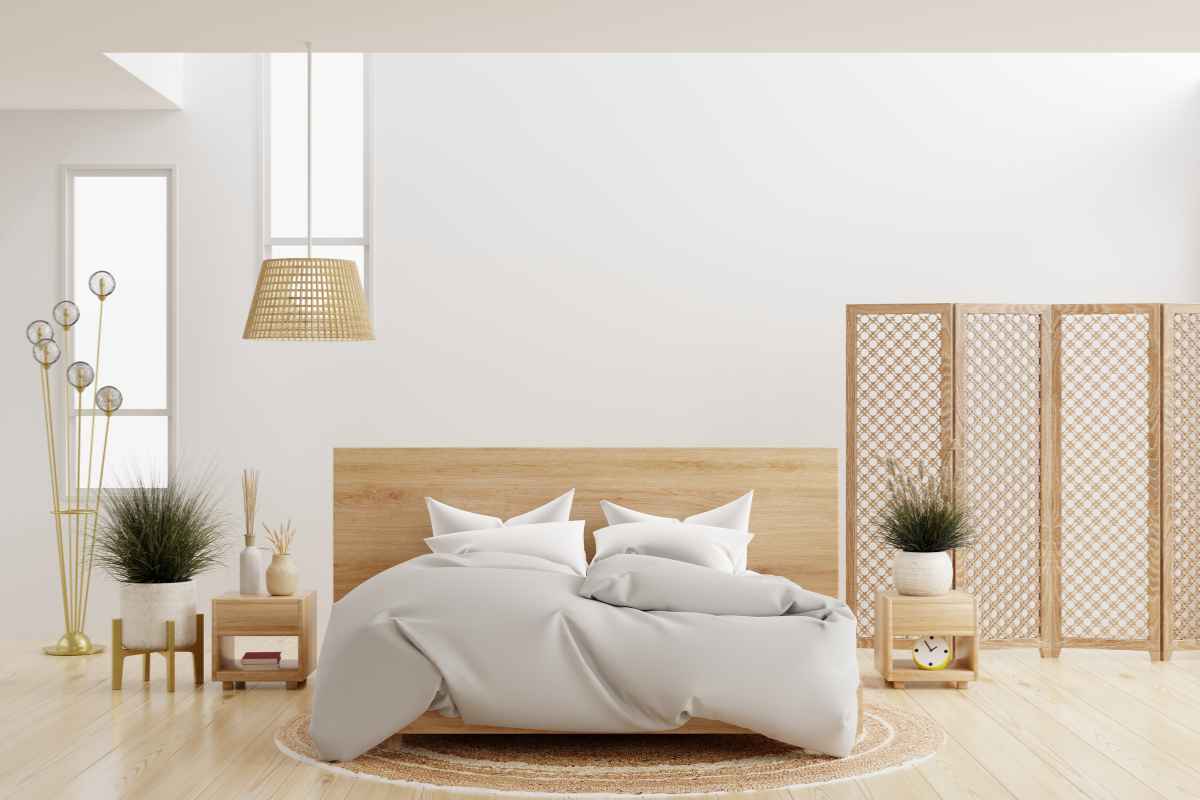
One of the easiest ways to create an anti-decor aesthetic is by embracing negative space. This means deliberately leaving areas of your room empty to highlight the architectural features or natural light.
Allowing for plenty of open floor space and wide, unadorned walls can help create a calming and inviting atmosphere.
2. Opt for Neutral Colors
Neutral colors like white, beige, and gray work well in an anti-decor home, as they create a peaceful backdrop without drawing attention away from the space itself.
Light colors, especially whites and off-whites, help reflect natural light and enhance the feeling of openness.
3. Minimalist Furniture Choices
When it comes to furniture, opt for functional, simple pieces that don’t overwhelm the space. Think clean lines, neutral tones, and a few well-chosen items that serve a purpose.
Low-profile furniture such as minimalistic couches, tables, and storage solutions can complement the anti-decor vibe.
4. Feature Architectural Details
If your home has interesting architectural details such as exposed brick walls, large windows, or beautiful wood paneling, let these features shine.
Highlighting natural materials like concrete, stone, and wood is a cornerstone of anti-decor, as it draws attention to the beauty of the building itself.
5. Limit Wall Art and Decorations
While traditional design often fills every available space with art and decorations, anti-decor advocates for a more selective approach. If you do choose to decorate your walls, opt for a single large statement piece or nothing at all.
Alternatively, you might choose to incorporate subtle touches, like a small plant in the corner, to bring life to the room without overwhelming it.
6. Focus on Natural Elements
Incorporating natural elements, like plants, wooden furniture, or stone accents, adds warmth and texture to a minimalist space without detracting from the anti-decor aesthetic.
The use of natural textures connects the interior to the outdoors, creating a harmonious and calming environment.

The Future of Anti-Decor
The rise of anti-decor signifies a broader cultural shift towards simplicity, sustainability, and mental well-being. As more people embrace minimalism and prioritize mindful consumption, the anti-decor trend is likely to continue growing in popularity.
It offers a refreshing contrast to the often overwhelming world of consumerism and excess.
Ultimately, the beauty of anti-decor lies in its ability to celebrate the space itself. By focusing on what is essential and embracing blank walls as a design statement, this movement offers a new way to live that is both calming and environmentally conscious.
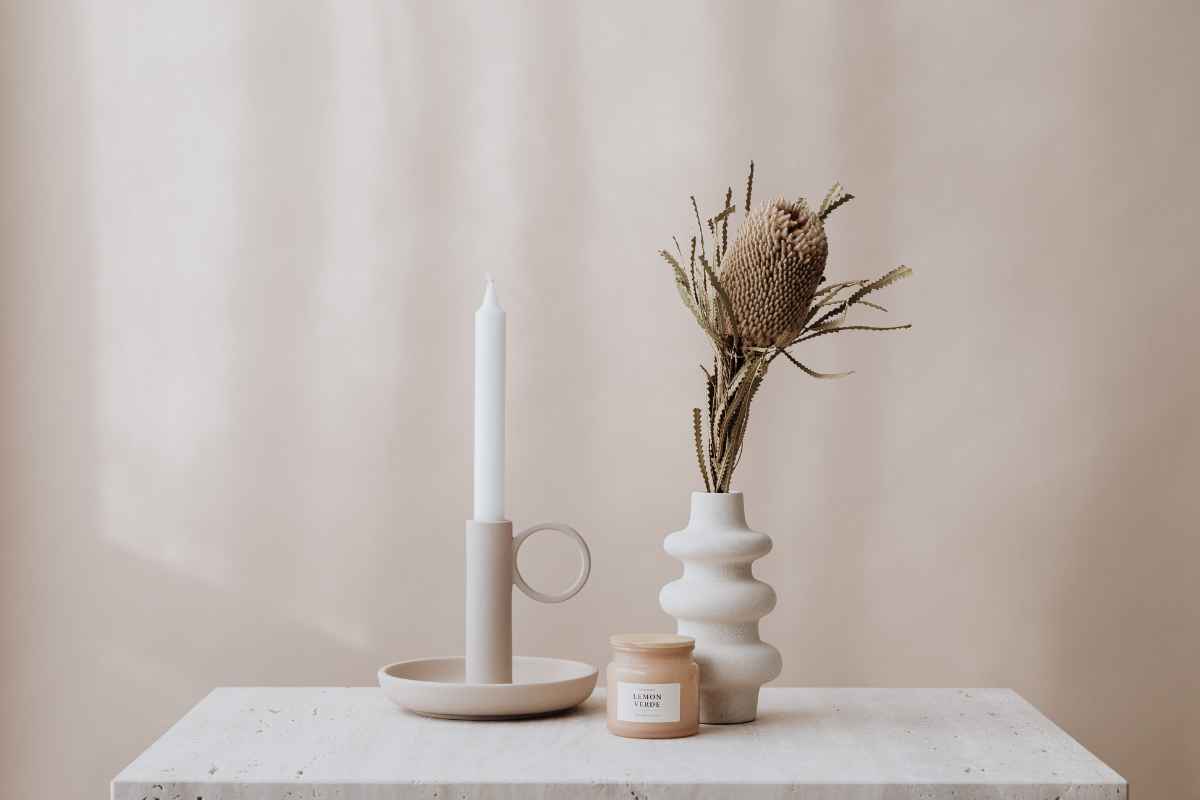
Whether you’re interested in simplifying your home or finding peace through minimalism, anti-decor may just be the aesthetic shift you’ve been looking for.
Did you find this post Useful or Inspiring? Save THIS PIN to your HOME Board on Pinterest!
More Home Tips 👇🏼👇🏼