
Tiny Spaces, Big Drama: Maximalist Design in Small Homes

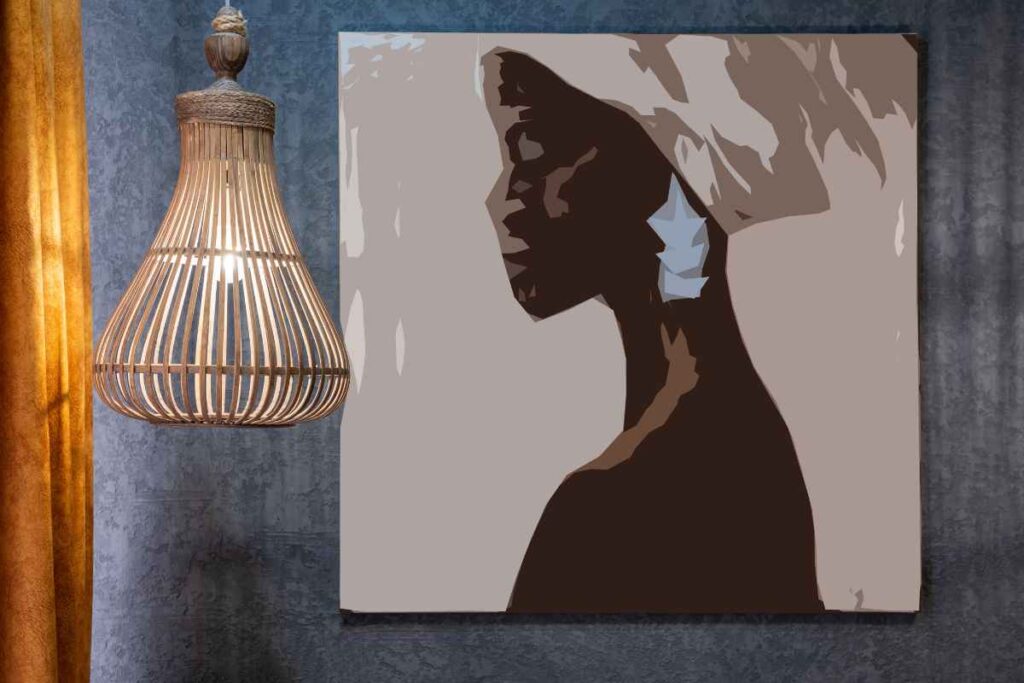
Designing small homes can often feel like a balancing act, but embracing maximalist design in these spaces is a bold and exciting choice. While minimalism is often the go-to for tiny spaces, there’s a growing movement to fill small homes with color, personality, and exuberance.
With the right touches, even the coziest quarters can transform into vibrant, dynamic spaces that feel big on style and impact. In this article, we’ll explore how maximalist design principles can be adapted to small homes without overwhelming the space.
What is Maximalism?
Maximalism is a design philosophy that celebrates excess, diversity, and eclecticism. Unlike minimalism, which emphasizes simplicity and functionality, maximalism embraces bold colors, layered patterns, and mix-and-match elements.
It’s about creating rooms that tell a story through a blend of styles, textures, and personal touches.
In a maximalist space, you’re encouraged to go beyond the basics. Think artworks on every wall, rich textiles, and quirky accessories that reflect personality. It’s an approach that leans into creativity, creating rooms that feel alive and full of character.
How to Put It into Practice?
Embrace Bold Colors
One of the hallmarks of maximalist design is the use of bold, contrasting colors. Rather than keeping to neutral tones, maximalism calls for the freedom to experiment with deep jewel tones, vibrant primary colors, and unexpected combinations.
Even in a small home, vibrant colors can make a huge impact, giving a sense of richness and depth to the room.
Accent walls, colorful furniture, and patterned textiles such as rugs, cushions, and curtains can all contribute to this approach. In small spaces, you can use color to draw attention to specific areas or create a sense of openness.
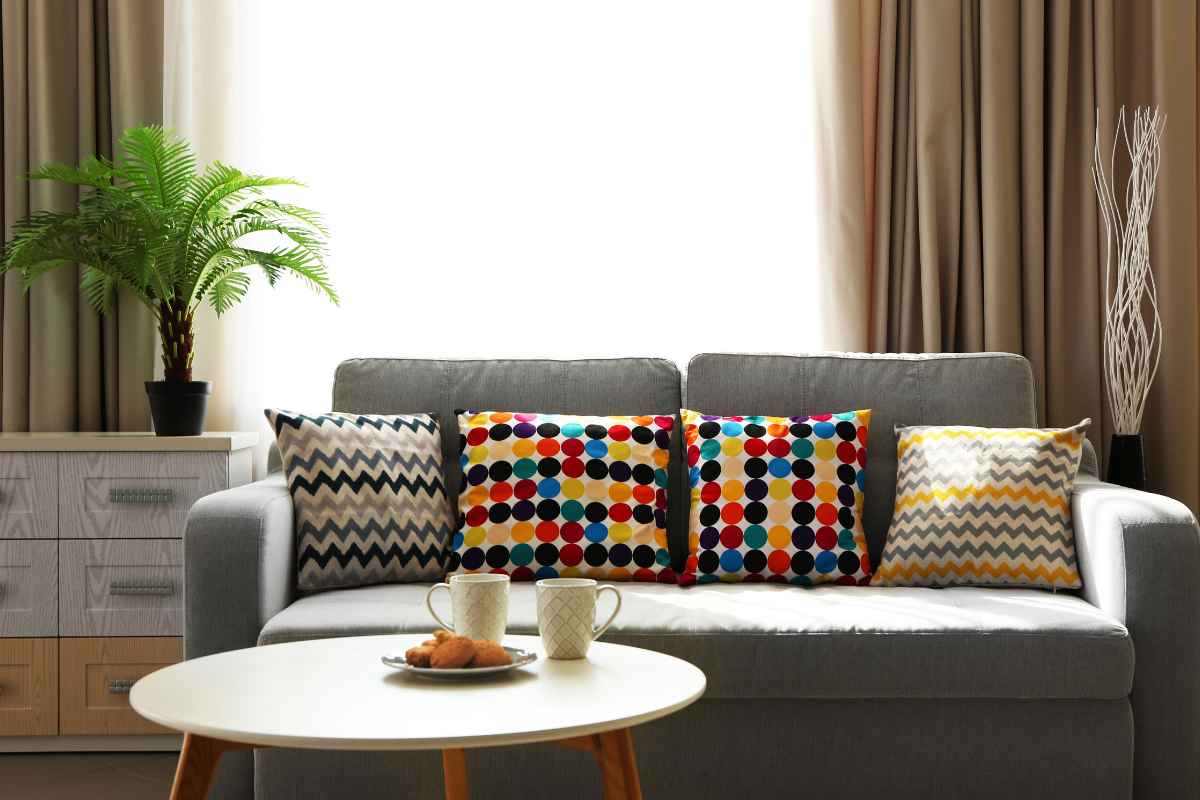
For example, a deep green accent wall behind a cream-colored sofa can create a striking focal point that adds sophistication while making the room feel intimate and cozy.
Tip: When working with bold colors in a small space, try balancing them with neutral tones like white, beige, or gray to avoid overwhelming the eyes. This balance allows the color to pop while still maintaining a comfortable environment.
Mix and Match Patterns
Maximalism thrives on the unexpected combination of patterns. In a small home, mixing floral patterns, stripes, plaids, and even animal prints can be an exciting way to add visual interest.
Don’t be afraid to layer different textiles—think of patterned throw pillows on a patterned sofa or a floral rug under a geometric coffee table.
The key to successfully mixing patterns in small spaces is cohesion. While you might choose a variety of patterns, make sure they share a common color scheme or theme.
This helps to create harmony despite the diversity of prints. For instance, you could combine a striped throw with floral cushions, as long as the colors are in a similar palette, like shades of pink, red, and green.
Incorporate Statement Furniture
When you have a small home, every piece of furniture counts. Instead of relying on minimalist pieces that blend into the background, opt for statement furniture that adds drama and personality.
This could mean an oversized velvet armchair, a retro patterned sofa, or a colorful bar cart that acts as a conversation piece.
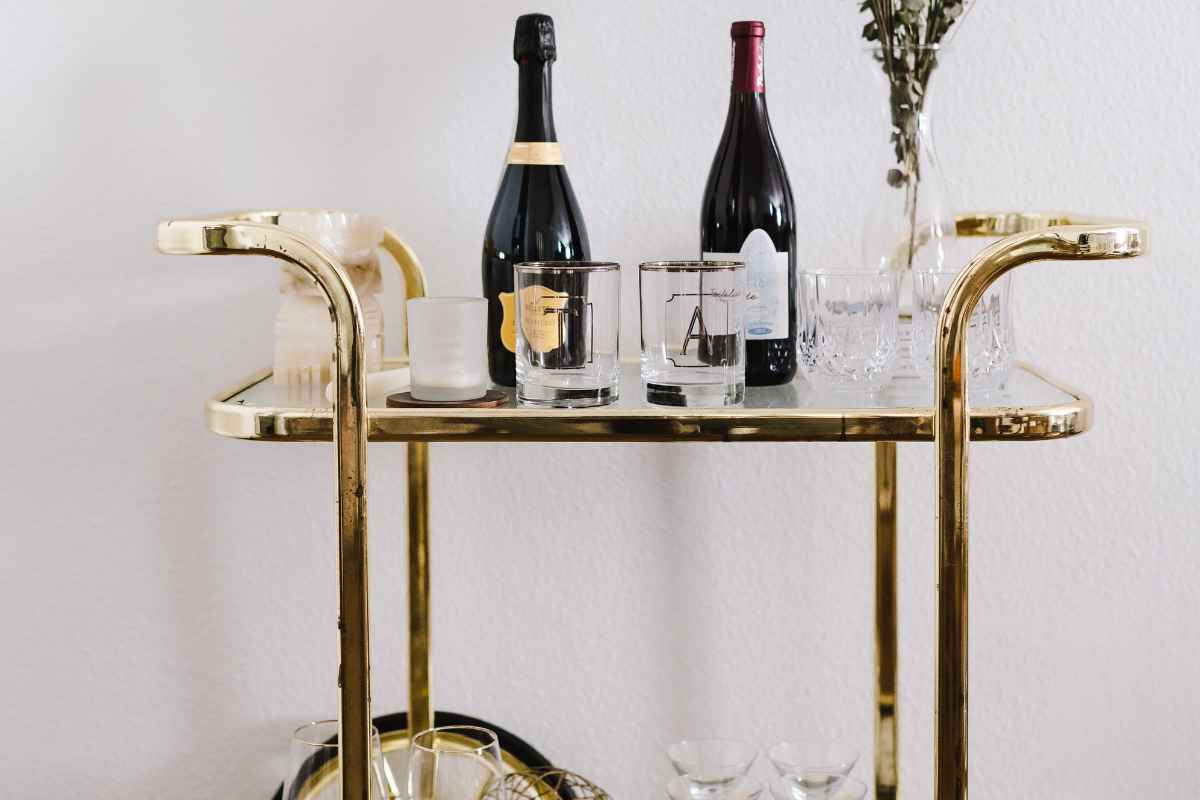
Large, bold furniture doesn’t necessarily mean sacrificing function in small spaces. You can select furniture that is both practical and expressive, such as a stylish coffee table with storage or multi-purpose shelving units that allow you to display your favorite items.
Tip: In a small living area, consider floating furniture arrangements. Placing furniture away from the walls can create more flow and help avoid the feeling of cramped space.
Personalize with Accessories
Accessories are the cherry on top of a maximalist design. From artwork to unique sculptures and vintage finds, accessories add layers of texture and meaning to the space.
In tiny homes, accessories are the perfect opportunity to showcase personal style without overwhelming the room.
Don't hesitate to fill your shelves with books, plants, collectibles, and handmade items.
A collection of colorful ceramics or a gallery wall can instantly bring character to the space, while plants can introduce nature into your home and add life to corners that may otherwise feel empty.
Use Mirrors to Reflect Light
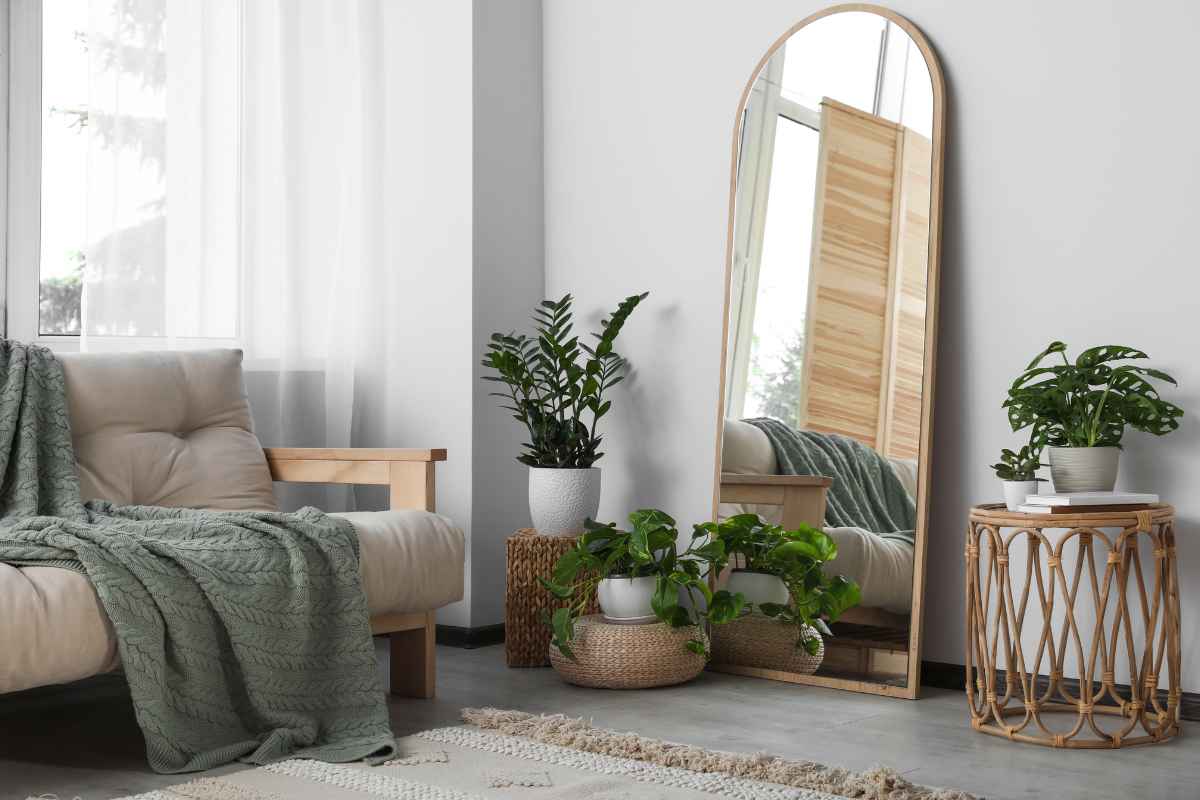
In a small home, creating the illusion of space is essential. A well-placed mirror can reflect light and give the room a feeling of openness while adding to the maximalist vibe. Opt for a statement mirror, such as one with an intricate frame or bold, geometric shape.
Mirrors not only open up the room but also contribute to the maximalist look by reflecting vibrant colors and patterns.
A full-length mirror in the entryway or living room can help extend the space visually, and mirrored furniture pieces, such as a console table or coffee table, can reflect the room’s character and contribute to a cohesive maximalist aesthetic.
Layer Lighting for Drama
Lighting is one of the most important elements in a maximalist design. Instead of sticking to a single overhead light, layer different sources of light to create warmth and drama.
Chandeliers, table lamps, wall sconces, and string lights all play a role in illuminating your space.
Maximalism allows for creativity in lighting. Think of a bold, vintage chandelier hanging above your dining table or a colorful table lamp adding warmth to your reading nook.
Layering different types of lighting can help set the mood and draw attention to the details in the room.
Tip: When choosing lighting for a small space, consider using dimmers to control the brightness and adjust the ambiance. Soft lighting can make a small room feel cozy, while brighter lights can highlight specific design features.
Space-Saving Solutions in Maximalism
Incorporating maximalist design into a small home doesn’t mean clutter. It’s about thoughtfully curating pieces that add to the overall look without sacrificing space.
Choose furniture with built-in storage or multi-functional pieces that can serve dual purposes, such as a sofa with hidden storage or a coffee table that doubles as a desk.
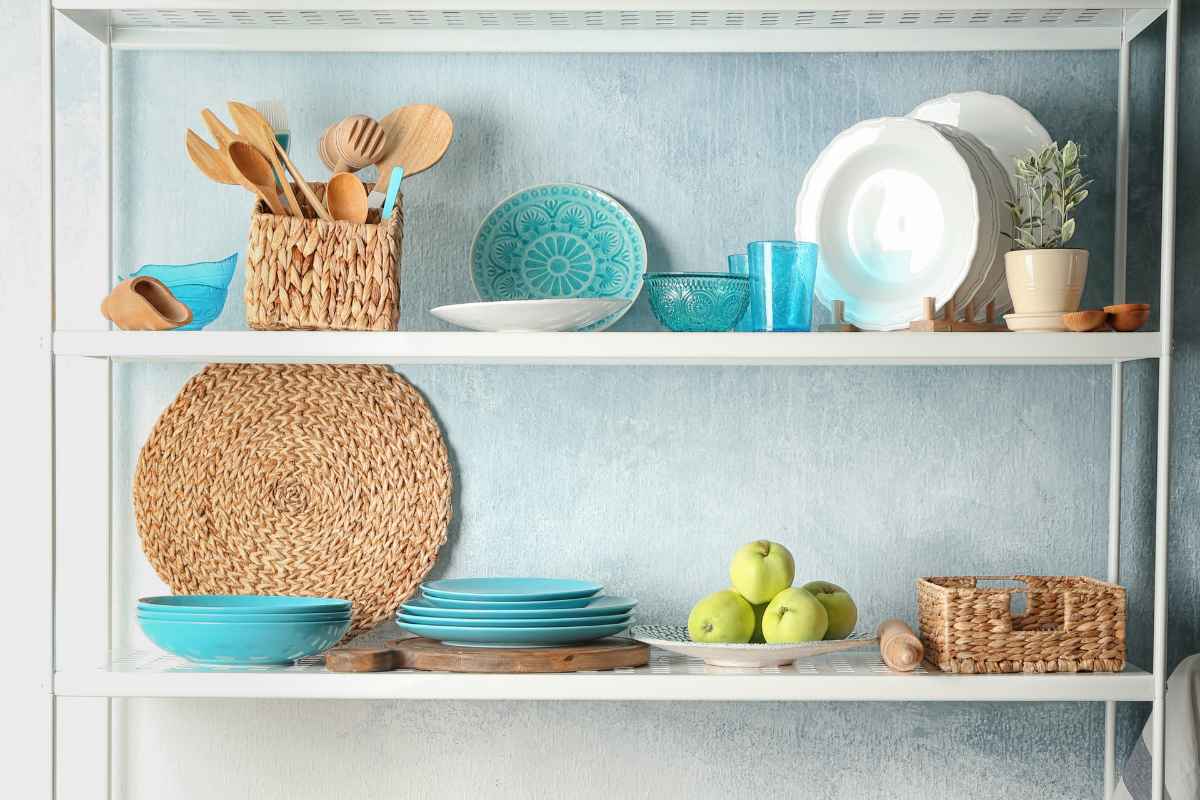
Maximalism in small spaces thrives on the art of display. Instead of hiding things away in cabinets, proudly display your favorite collections, vintage finds, or books.
Shelves, wall hooks, and clever storage solutions allow you to keep the room feeling open and well-organized while still showcasing personality.
Go Big or Go Home
Maximalism in small homes doesn’t mean you need to sacrifice style for functionality. By embracing bold colors, mixing patterns, incorporating statement furniture, and personalizing your space, you can create a tiny home with big design drama.
Small homes offer an exciting opportunity to experiment and express your personality in ways that larger spaces may not allow.
Maximalism in small homes is all about curating a space that feels rich in personality, creativity, and life.
If you’ve ever felt that your tiny space needed a little more excitement, it might be time to embrace the maximalist style and make your home a reflection of your bold and colorful personality.
Remember: more is more, and in small spaces, this approach can lead to big, dramatic results!
Did you find this post Useful or Inspiring? Save THIS PIN to your HOME Board on Pinterest!
More Home Tips 👇🏼👇🏼