
Tips for Creating a Wabi-Sabi Home

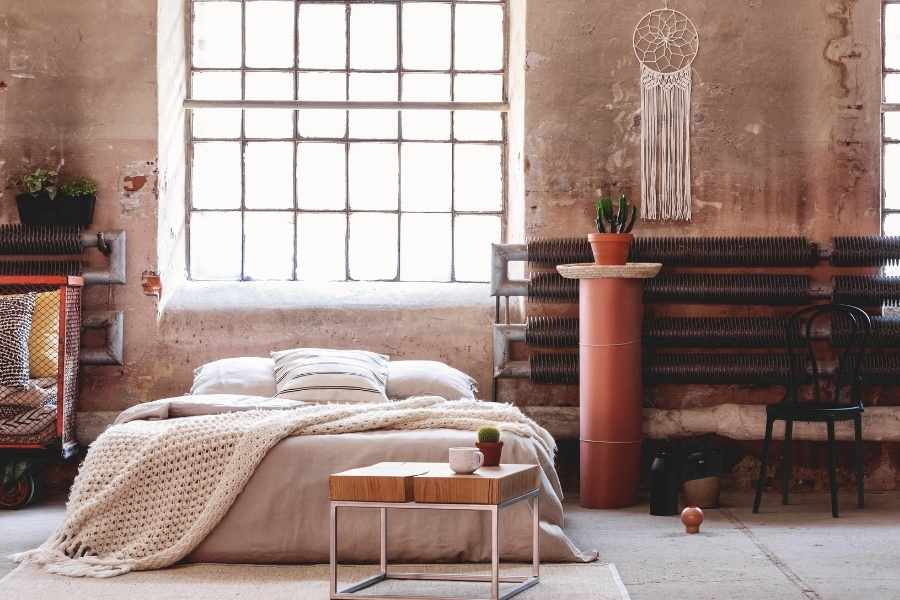
Tips for Creating a Wabi-Sabi Home start with a simple idea: celebrate the beauty of imperfection, age, and authenticity.
If you’ve ever wondered what is wabi sabi and how it applies to interiors, think of it as a Japanese-rooted aesthetic that favors natural materials, quiet comfort, and pieces that feel lived-in.
Below you’ll find a friendly guide to the philosophy, plus practical ideas you can adapt room by room—all inspired by the YouTube video linked at the end.
What Is Wabi-Sabi? A Gentle Primer
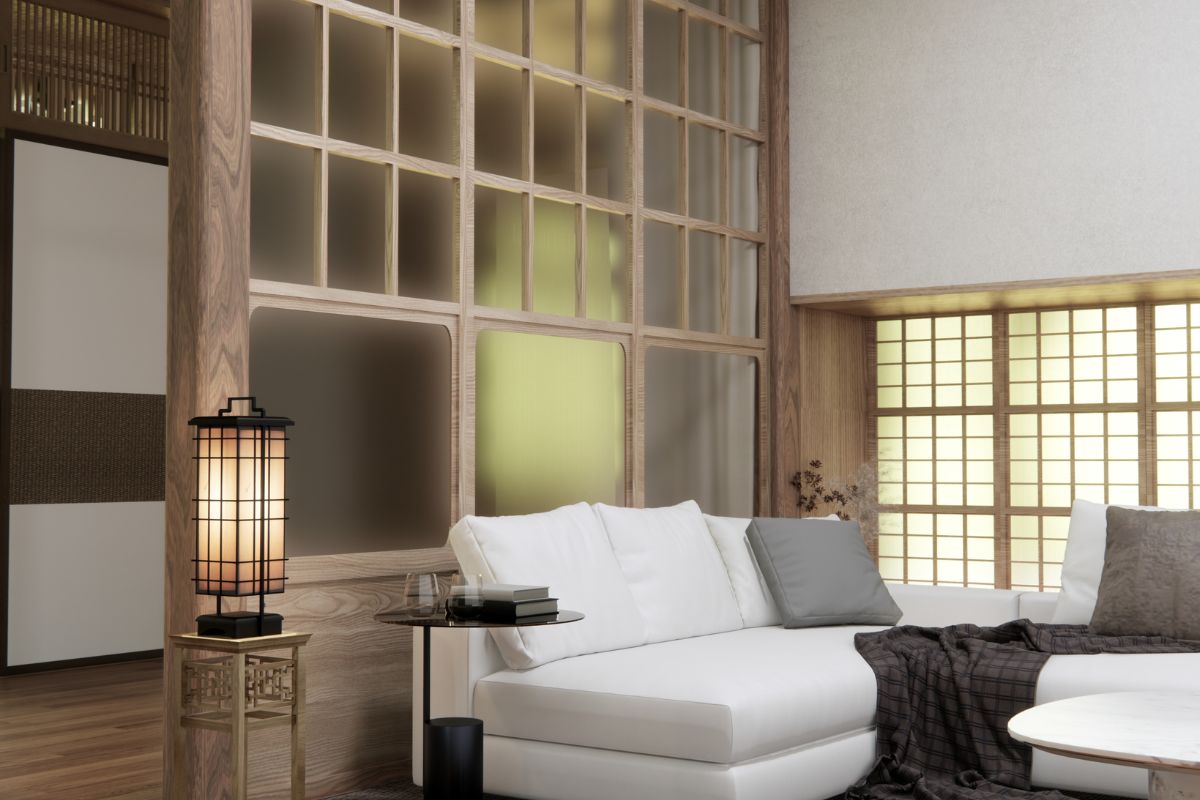 At heart, wabi-sabi is about noticing the beauty in the ordinary. Originating from Zen sensibilities, wabi sabi japanese thought embraces weathered wood, soft linen, and handmade texture.
Instead of pristine symmetry, it invites calm asymmetry and negative space.
If you’re asking what is wabi sabi art, think ceramics with a thumbprint, a vase with a slight wobble, or a painting with visible brushstrokes.
These objects embody understanding wabi-sabi aesthetics: impermanence, modesty, and sincerity.
Translating this into homes means understanding wabi-sabi in design—choosing materials that age gracefully, favoring tactile surfaces, and letting rooms breathe.
This isn’t a strict style guide; it’s an attitude that supports slower living and honest craft.
How to Create Wabi-Sabi Style at Home
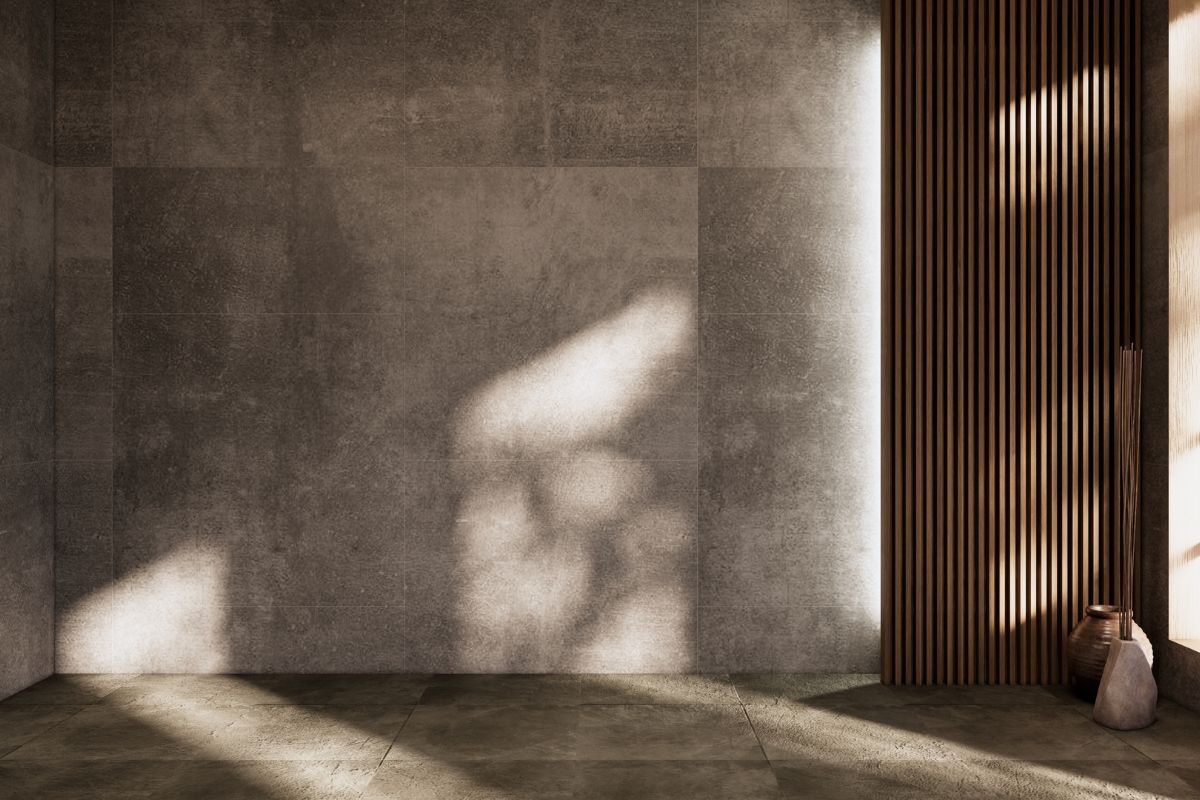 Start small. If you’re unsure how to create wabi-sabi style, try editing instead of adding. Clear surfaces, leave a bit of empty wall, and keep only what you love.
Select natural finishes—limewash walls, raw oak, stone, clay, jute—and allow patina to emerge over time.
When planning a wabi sabi interior, keep the palette grounded: mushroom, sand, charcoal, bone.
That said, a bright wabi sabi scheme can still work—just anchor light, sunlit rooms with earthy elements like a rough-hewn bench or an unglazed planter so the glow feels warm, not sterile.
For modern wabi sabi interiors, balance restraint with soul: a sleek sofa softened by crumpled linen throws, or minimal shelving styled with three meaningful objects.
Layer textures instead of colors and let daylight be your main feature.
Rooms & Real-Life Ideas
 Tranquil Corners & a Wabi-Sabi Meditation Room
Create a wabi sabi meditation room (or simply a quiet corner) with a tatami mat or wool rug, a low cushion, and one handmade vessel for seasonal branches.
Keep tech out if possible. This setup supports breathwork and reflection without distraction.
Lighting matters. Favor soft pools of illumination from paper lanterns, beeswax candles, or shaded lamps. The goal is to invite slowness and make space for pausing.
Small Spaces, Big Calm: The Wabi-Sabi Small Bedroom
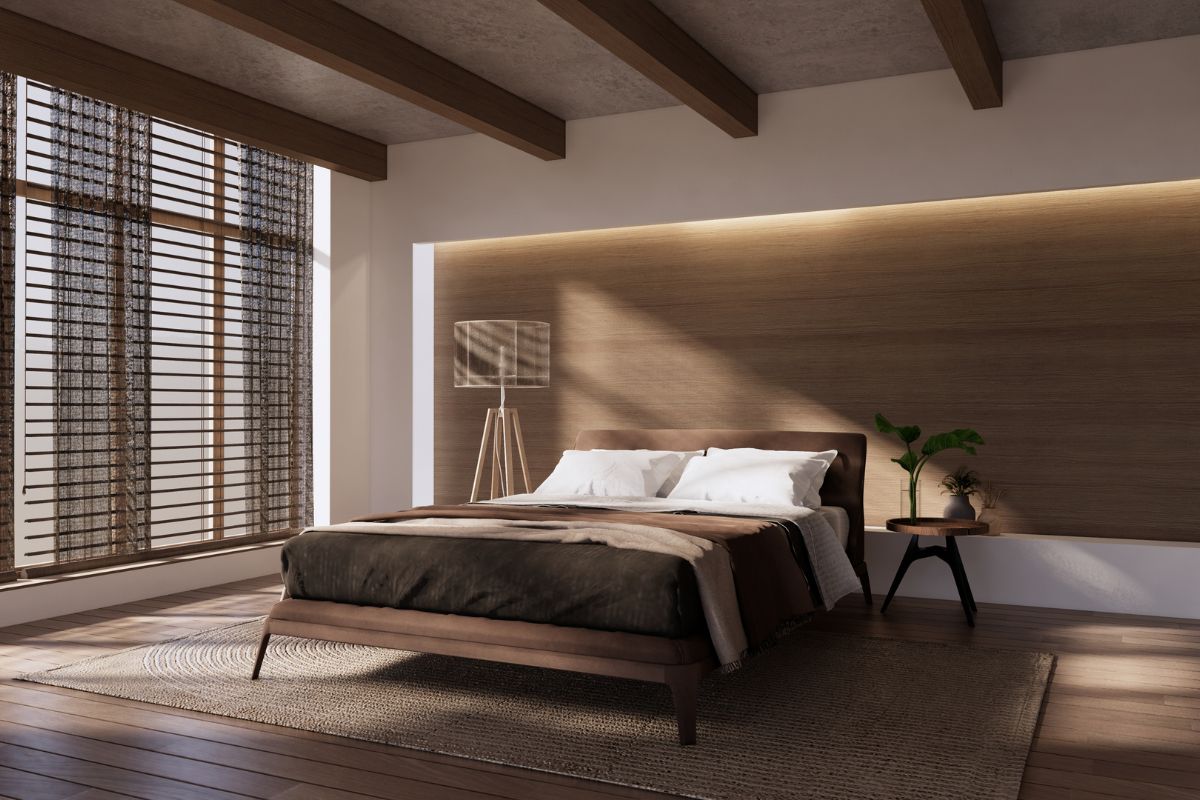
A wabi sabi small bedroom thrives on editing. Choose a low-profile bed, one linen duvet, and a stool as a nightstand. A single vintage artwork or a clay sconce can be enough. Let wrinkles show—crisp perfection isn’t the point.
For storage, baskets or a simple rail keep things visible and honest. A branch hook or pebble tray adds gentle organic notes without crowding the room.
Mindset, Repair & Materials That Age Well
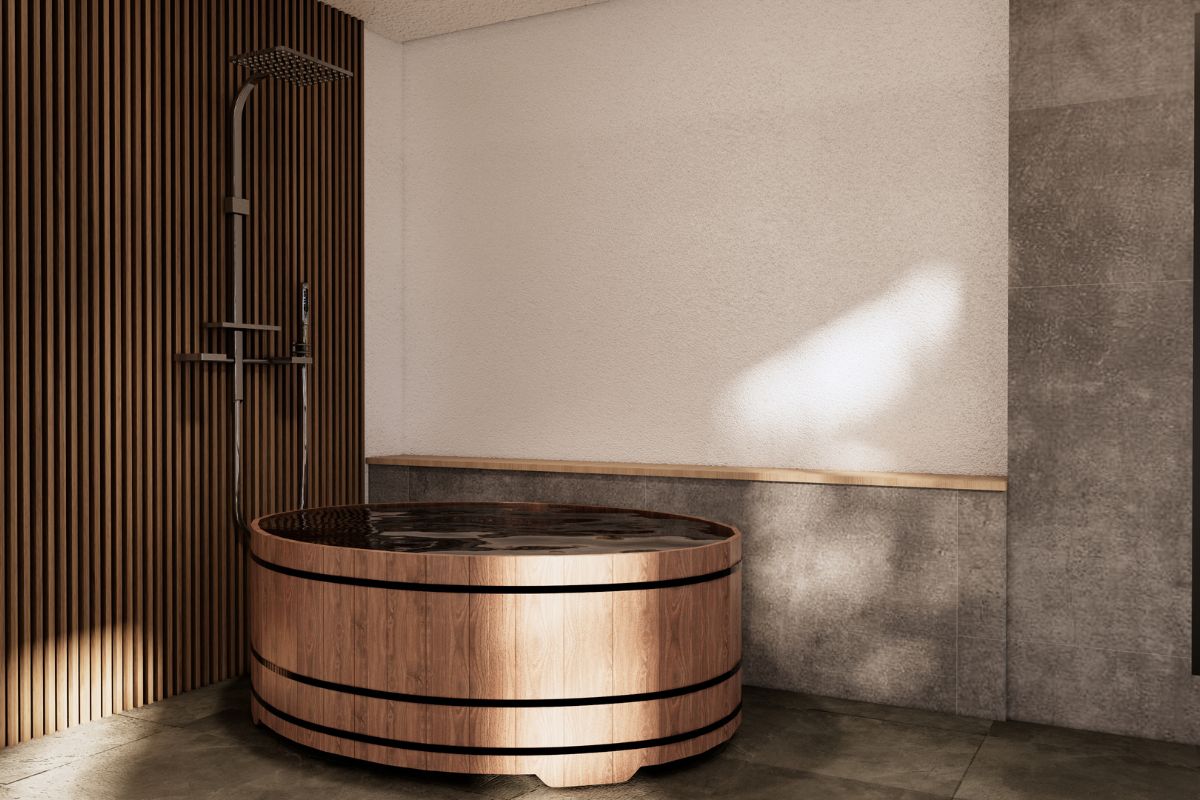 Embrace wabi sabi repair when things chip or crack. Inspired by the spirit of kintsugi, repairs can be beautiful records of time rather than flaws to hide.
Patch, mend, oil, and re-wax; your home will feel more personal with every touch.
Lean on woods that patinate, leathers that scuff, and stones that soften. In a wabi sabi traditional reading, materials are humble and local; in contemporary homes, you can mix them with clean lines for balance.
Curating Meaning: Art, Objects & Inspiration
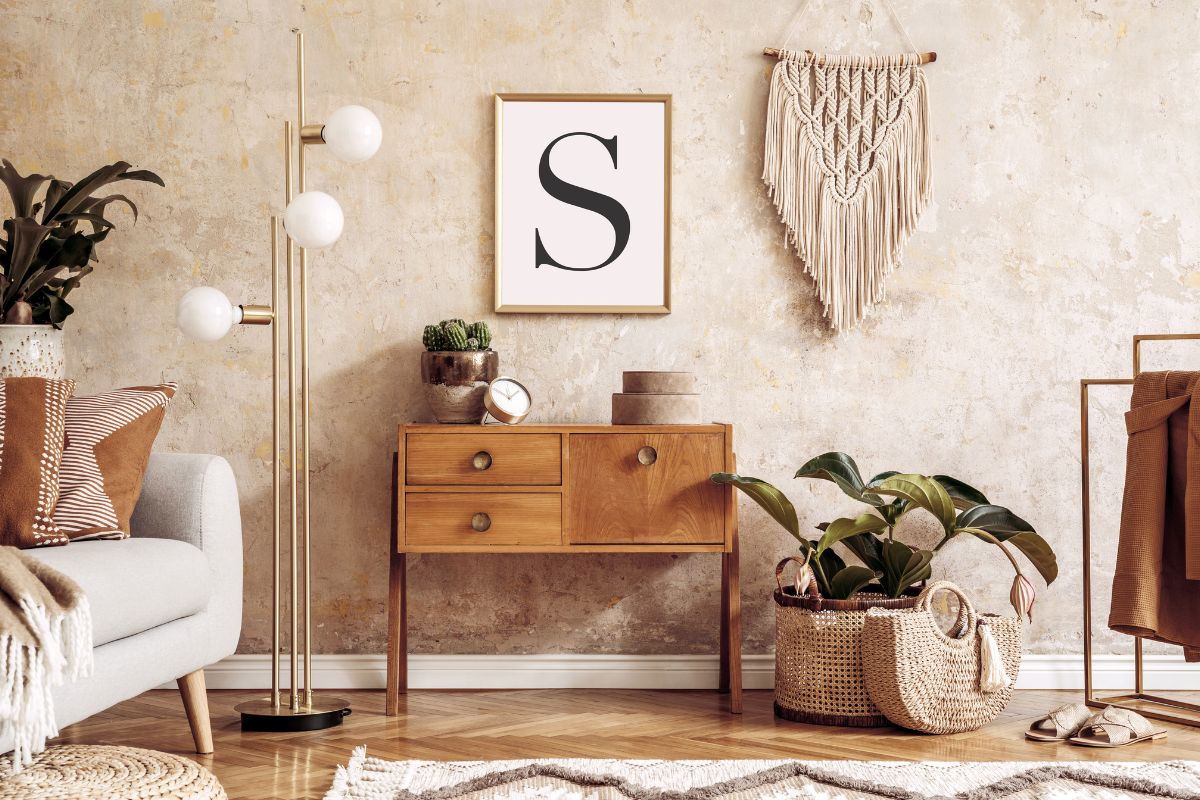 Curate fewer, better things. A hand-thrown cup next to a rough linen runner tells a story more powerfully than a shelf of mass-produced décor.
To deepen understanding wabi-sabi style, rotate objects with the seasons and let the room feel slightly unfinished—open to change.
Look for wabi sabi inspiration in nature: driftwood, river stones, dried grasses. Bring them home mindfully and arrange them with intention. This gentle practice fosters presence and gratitude.
Traditional Roots, Modern Life
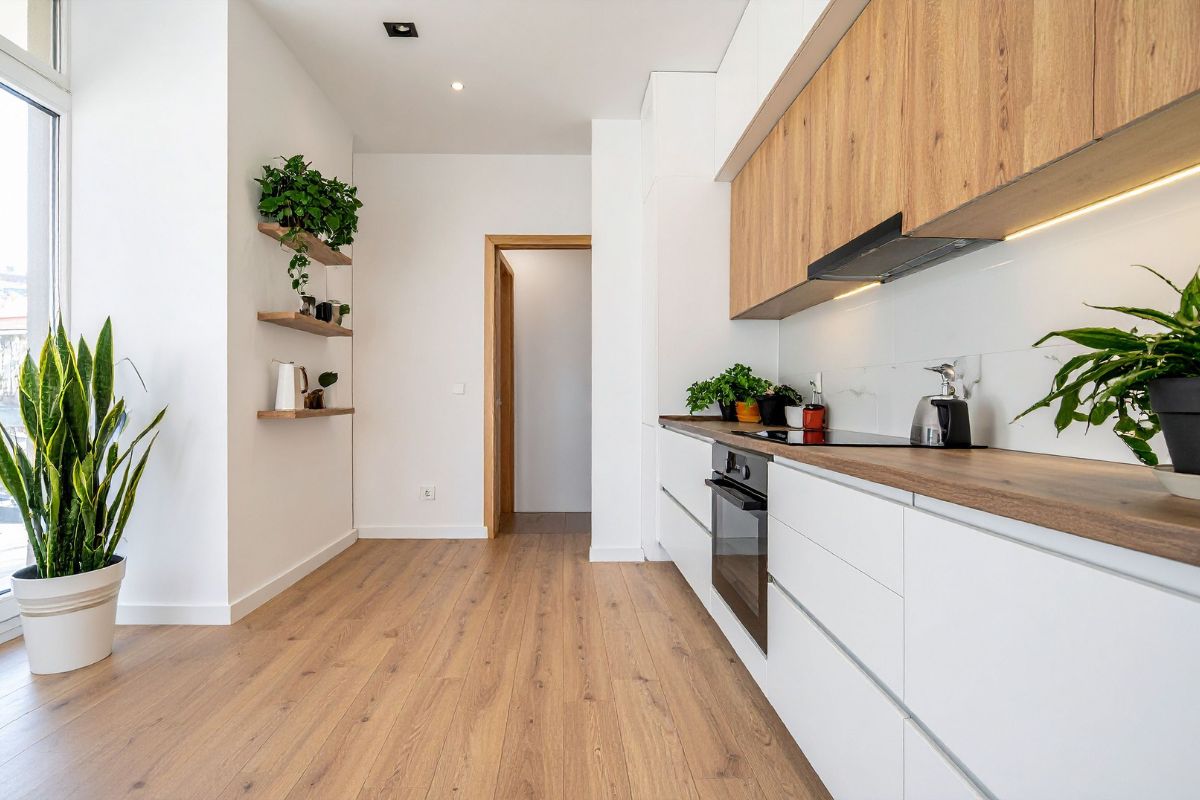 There’s a bridge between wabi sabi traditional principles and today’s needs. You can keep your modern appliances yet soften the visual noise: tuck gadgets into cabinets, corral cords, and use fabric panels to quiet busy zones.
In modern wabi sabi interiors, technology coexists with tactility. A streamlined kitchen gains warmth with a reclaimed wood shelf; a simple bathroom feels grounded through stone, clay, and imperfect tiles.
Responsible Credit & Further Learning
This article offers a high-level overview—the original techniques, ideas, and visual examples belong to the video’s creator on YouTube.
We’re sharing what you’ll learn, why it matters, and how to adapt it at home, without reproducing step-by-step instructions.
We hope you enjoy watching this video about tips for a Wabi-Sabi home:

Source: Liz Besanson
Did you find this post useful or inspiring? Save THIS PIN to your HOME Board on Pinterest! 

Once again, thank you for visiting our website!
We hope you've enjoyed exploring the content we've created for you.
Give yourself the chance to learn, get inspired, and have even more fun, keep browsing...
More Home Tips 👇🏼👇🏼