
Vintage Home Styles That Bring Timeless Character Into Every Room

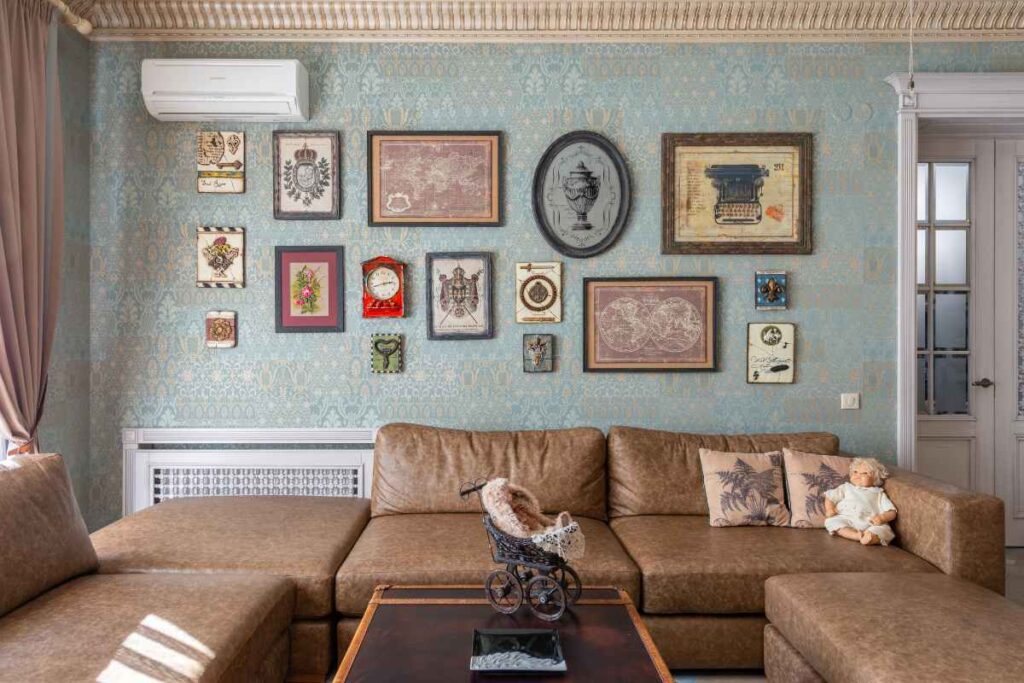
Vintage home styles have a way of making a space feel collected, warm, and full of personality. Instead of chasing every new trend, vintage-inspired design focuses on character, craftsmanship, and meaningful details that age beautifully.
Whether you live in an older home or want to add more charm to a newer space, vintage decorating can help your rooms feel layered and inviting. In this guide, you’ll learn the most recognizable vintage home styles, what makes each one special, and how to bring the look into your home without making it feel outdated.
What Makes a Home Style Feel Vintage?

A vintage home style usually draws inspiration from past decades, often from the early 1900s through the 1970s. But vintage design is not about making your home look like a museum. The best vintage interiors feel lived-in, intentional, and comfortable.
Common vintage design elements include:
- Natural materials like wood, stone, linen, cotton, brass, and ceramic
- Furniture with curved lines, turned legs, or handcrafted details
- Warm color palettes, soft neutrals, muted greens, dusty blues, creams, browns, and aged metals
- Patterned textiles such as florals, stripes, toile, plaid, or damask
- Decorative details like molding, antique mirrors, framed art, and vintage lighting
The goal is to create a home that feels like it has a story, even if you are starting from scratch.
Popular Vintage Home Styles to Know
Vintage style is not just one look. It includes several design directions, each with its own mood, materials, and personality. Understanding the main styles can help you choose the one that fits your home best.
Cottage Vintage Style
Cottage vintage style is cozy, relaxed, and slightly romantic. It often features soft colors, floral prints, painted furniture, woven baskets, and layers of comfortable textiles.
This style works beautifully in bedrooms, breakfast nooks, entryways, and small living rooms because it makes a space feel warm without needing a lot of formal pieces.
To get the look, try mixing:
- A painted wood dresser or side table
- Floral curtains or throw pillows
- Vintage-inspired wall art
- Ceramic lamps
- A worn wood bench or small accent chair
The key is softness. Nothing should feel too polished or overly matched.
Traditional Vintage Style
Traditional vintage style leans more classic and refined. It often includes darker wood furniture, elegant silhouettes, symmetrical layouts, framed artwork, and richer textiles.
This look is ideal if you love timeless home design with a slightly formal feel. Think of carved wood tables, antique-style rugs, brass lamps, pleated curtains, and classic upholstery.
Traditional vintage decor works especially well in dining rooms, studies, formal living rooms, and bedrooms where you want a calm, elegant atmosphere.
Mid-Century Vintage Style
Mid-century vintage style is inspired by design from roughly the 1940s through the 1960s. It is known for clean lines, tapered legs, warm wood tones, simple shapes, and practical furniture.
Unlike cottage or traditional vintage styles, mid-century design usually feels more streamlined. It is a great choice for people who want vintage character without too much ornamentation.
Look for:
- Walnut or teak furniture
- Low-profile sofas
- Tapered furniture legs
- Geometric patterns
- Globe lights or simple pendant lighting
- Warm colors like mustard, olive, rust, and brown
This style pairs well with modern homes because it feels nostalgic but not overly decorative.
Farmhouse Vintage Style
Farmhouse vintage style is practical, rustic, and welcoming. It often includes weathered wood, apron-front sinks, simple furniture, enamelware, baskets, linen fabrics, and vintage kitchen pieces.
The best version of this style feels authentic rather than overly themed. Instead of filling a room with signs and faux-aged decor, focus on real textures and useful pieces.
A farmhouse vintage home might include:
- A wood dining table with simple chairs
- Open shelves with ceramic dishes
- Linen table runners
- Iron or brass hardware
- A vintage cabinet or hutch
- Neutral colors with warm wood accents
This style is especially beautiful in kitchens, dining rooms, mudrooms, and laundry rooms.
Art Deco Vintage Style
Art Deco vintage style is bold, glamorous, and polished. Inspired by the 1920s and 1930s, it often includes geometric shapes, curved furniture, metallic finishes, mirrors, velvet, and rich colors.
This style is perfect if you want a vintage look that feels dramatic and sophisticated.
Try adding Art Deco influence through:
- A statement mirror
- Brass or gold-tone lighting
- Velvet accent chairs
- Geometric rugs
- Black, cream, emerald, navy, or blush accents
- Curved furniture or scalloped details
You do not need to decorate an entire room in Art Deco style. A few strong pieces can add instant vintage elegance.
How to Choose the Right Vintage Style for Your Home

The easiest way to choose a vintage home style is to start with your home’s existing architecture and your personal taste.
If your home has original wood floors, built-ins, molding, or arched doorways, lean into those details instead of covering them up. These features naturally support vintage interior style and can guide your decorating choices.
For newer homes, focus on adding warmth through furniture, lighting, textiles, and artwork. A simple room can feel much more charming with an antique-style rug, warm wood table, vintage lamp, or framed botanical print.
Ask yourself what mood you want your home to have:
- Cozy and romantic: choose cottage vintage
- Elegant and classic: choose traditional vintage
- Clean and nostalgic: choose mid-century vintage
- Rustic and relaxed: choose farmhouse vintage
- Bold and glamorous: choose Art Deco vintage
You can also mix styles, but it helps to choose one main direction so the room still feels cohesive.
Vintage Home Decor Ideas You Can Try Today
You do not need a full renovation to create a vintage-inspired home. Small changes can make a big difference, especially when they add texture, warmth, and history.
Try these simple vintage home decor ideas:
- Swap basic lighting for character lighting
Replace a plain lamp or builder-grade fixture with a vintage-inspired sconce, pendant, or table lamp. Lighting can instantly change the mood of a room. - Add an antique-style rug
A patterned rug with muted colors can make a room feel softer and more established. This works especially well in living rooms, bedrooms, hallways, and kitchens. - Use framed art instead of bare walls
Look for landscapes, botanical prints, portraits, sketches, or vintage-inspired posters. Mixing frame finishes can make the display feel collected over time. - Bring in warm wood tones
Wood adds depth and helps balance painted furniture, white walls, or modern finishes. A wood coffee table, nightstand, chair, or mirror frame can be enough. - Layer textiles
Curtains, pillows, throws, table linens, and bedding can introduce vintage patterns without overwhelming the room. - Decorate with functional vintage pieces
Use ceramic bowls, glass jars, trays, baskets, candlesticks, and old books as decor. These pieces feel charming because they are useful as well as beautiful.
Common Vintage Decorating Mistakes to Avoid

Vintage home styles look best when they feel natural, not staged. A few thoughtful choices can help your space feel timeless instead of cluttered or dated.
Using Too Many Era-Specific Pieces
A room filled entirely with pieces from one decade can feel more like a set than a home. Instead, mix vintage pieces with simple modern basics. For example, pair a vintage wood dresser with clean bedding, or use an antique rug with a modern sofa.
Overdoing Distressed Finishes
A little patina is beautiful, but too many heavily distressed items can make a room feel busy. Choose a few aged or weathered pieces and balance them with cleaner surfaces.
Ignoring Scale
Vintage furniture can sometimes be smaller, bulkier, or more delicate than modern pieces. Before buying, measure your room and check walkways. A good rule is to leave around 30–36 inches (76–91 cm) for comfortable main pathways when possible.
Making Everything Match
Vintage style is meant to feel collected. Matching furniture sets can sometimes remove that charm. Try combining different wood tones, frame styles, or fabric textures while keeping your color palette consistent.
Forgetting Comfort
A beautiful vintage room still needs to work for daily life. Choose seating, lighting, storage, and surfaces that support how you actually use the space.
How to Mix Vintage and Modern Decor
Mixing vintage and modern pieces is one of the best ways to keep your home feeling fresh. The contrast makes vintage details stand out while preventing the room from feeling too old-fashioned.
A simple formula is to use modern pieces for function and vintage pieces for character.
For example:
- Modern sofa + vintage rug
- Simple bed frame + antique nightstands
- Clean kitchen cabinets + vintage-style hardware
- Modern dining chairs + old wood table
- Minimal shelves + collected ceramic pieces
Color also helps tie everything together. Choose two or three main colors and repeat them throughout the room. This makes different furniture styles feel intentional.
Texture matters too. Combine smooth modern surfaces with aged wood, linen, brass, ceramic, woven baskets, and patterned fabrics. The result feels layered without becoming overwhelming.
Where Vintage Style Works Best in the Home

Vintage home decor can work in every room, but some areas are especially easy to update.
In the living room, try a vintage rug, wood coffee table, patterned pillows, and framed art. These pieces create warmth without requiring major changes.
In the bedroom, use soft bedding, an antique-style mirror, warm lamps, and a vintage dresser or nightstand. This creates a restful, romantic feel.
In the kitchen, add character with open shelving, ceramic dishes, brass hardware, woven baskets, and vintage-inspired lighting.
In the entryway, a small wood table, mirror, lamp, and framed artwork can make the space feel welcoming right away.
In the bathroom, try a vintage mirror, classic sconces, framed art, glass jars, or a small wooden stool. Even small details can soften a practical space.
Creating a Vintage Home That Feels Personal
The most beautiful vintage homes do not look copied from a catalog. They reflect the people who live there. Family photos, collected art, travel finds, inherited furniture, handmade pieces, and thrifted treasures can all add meaning.
Start slowly and let your home evolve. A vintage-inspired space does not need to be finished all at once. In fact, it often looks better when it feels gathered over time.
Choose pieces you genuinely love, repeat colors and materials for cohesion, and leave room for everyday life. That balance is what makes vintage home styles feel timeless instead of trendy.
A vintage home is really about creating comfort, beauty, and character in a way that feels personal to you. Start with one room, one corner, or even one special piece, and build from there.
With the right mix of old and new, your home can feel warm, collected, and full of charm for years to come.
More Home Tips 👇🏼👇🏼