
Ways to Recycle and Reuse Plastic Grocery Bags


Every time we bring groceries home, we often end up with a handful of plastic bags that seem useless afterward. But those bags can still serve a purpose—if we treat them thoughtfully.
In this post, I’ll walk you through how to recycle them properly and share creative ways to reuse them at home before disposing.
Why It Matters

Plastic bags cause trouble in recycling systems. Many recycling facilities won’t accept thin plastic bags because they can jam machines. Instead, they require special handling.
They last a long time. Some plastics take hundreds of years to break down.
Your small actions add up. Even modest efforts reduce pollution in our rivers, oceans, and soil.
Recycle Right: What You Need to Know
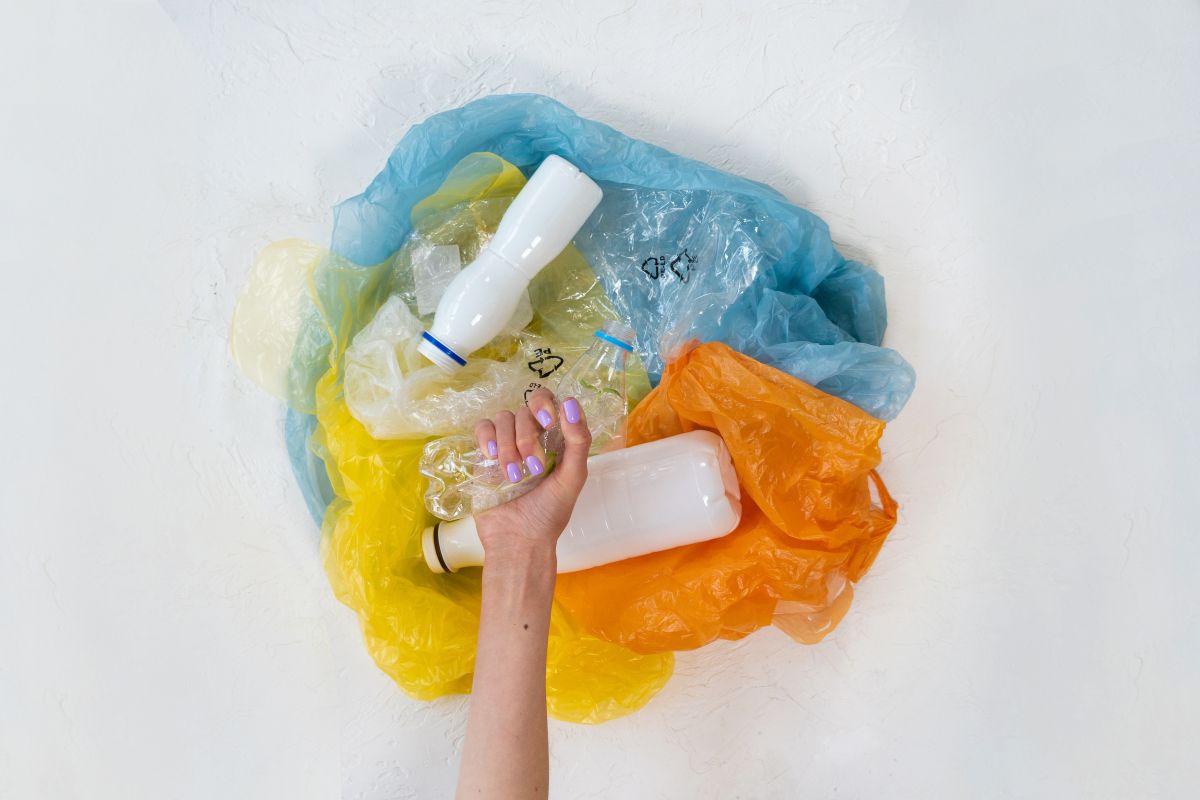
Don’t toss them in your curbside bin. Most municipal recycling systems are not equipped to process plastic film—they often only accept rigid plastics like bottles.
Use store drop-off bins. Many supermarkets provide recycling bins for plastic bags that go to specialized facilities.
Check local recycling rules. Some cities or municipalities have distinct collection points or programs specifically for plastic film.
Clean and dry first. Before recycling, make sure the bags are free of food residue and moisture to avoid contaminating other materials.
These practices help ensure that your efforts don’t end up damaging recycling equipment or being wasted. (See more on why plastic bags jam machines at recycling plants.)
Reuse Ideas: Practical Uses at Home
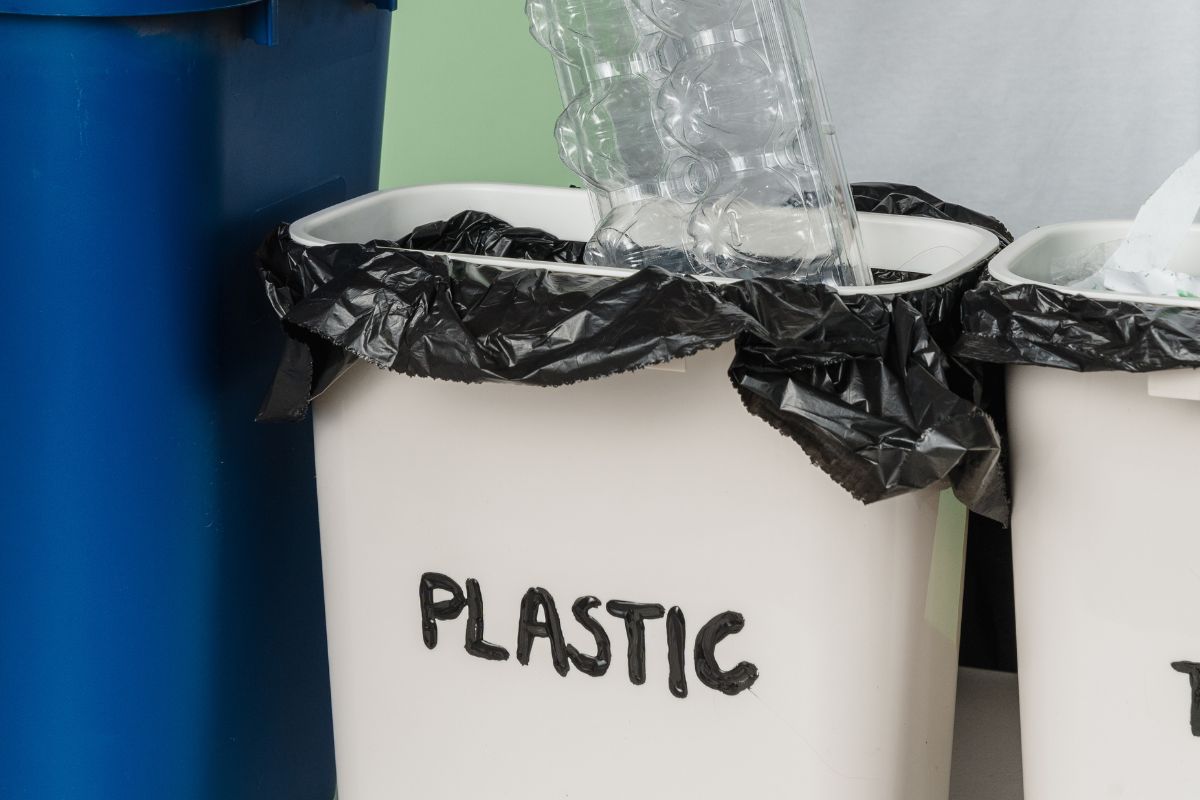
Until you can recycle them, here are useful ways to keep plastic bags in circulation:
Line small trash cans. Use them as liners in bathroom bins or office wastebaskets.
Pack and cushion fragile items. When moving or shipping, layer them between objects to absorb shocks.
Keep shoes from dirtying luggage. Wrap or slip them into bags before placing them in your suitcase.
Manage pet waste. Use them to collect dog or cat waste during walks.
Store damp or wet items. Towels, swimsuits, and gym clothes can ride home in a plastic bag without soaking everything else.
Contain messy or leaking items. Use them for packaging items that might drip—yogurt containers, paint cans, or gardening tools.
Stuff shoes and bags to preserve shape. Roll or crumple bags inside footwear or purses when not in use.
Arts and crafts material. With a little cutting and weaving, plastic bags can become mats, baskets, or decorative items.
Many home-reuse strategies mirror those recommended by organizations that advocate smarter, eco-friendly use of daily plastic bags.
Tips to Make It Easier
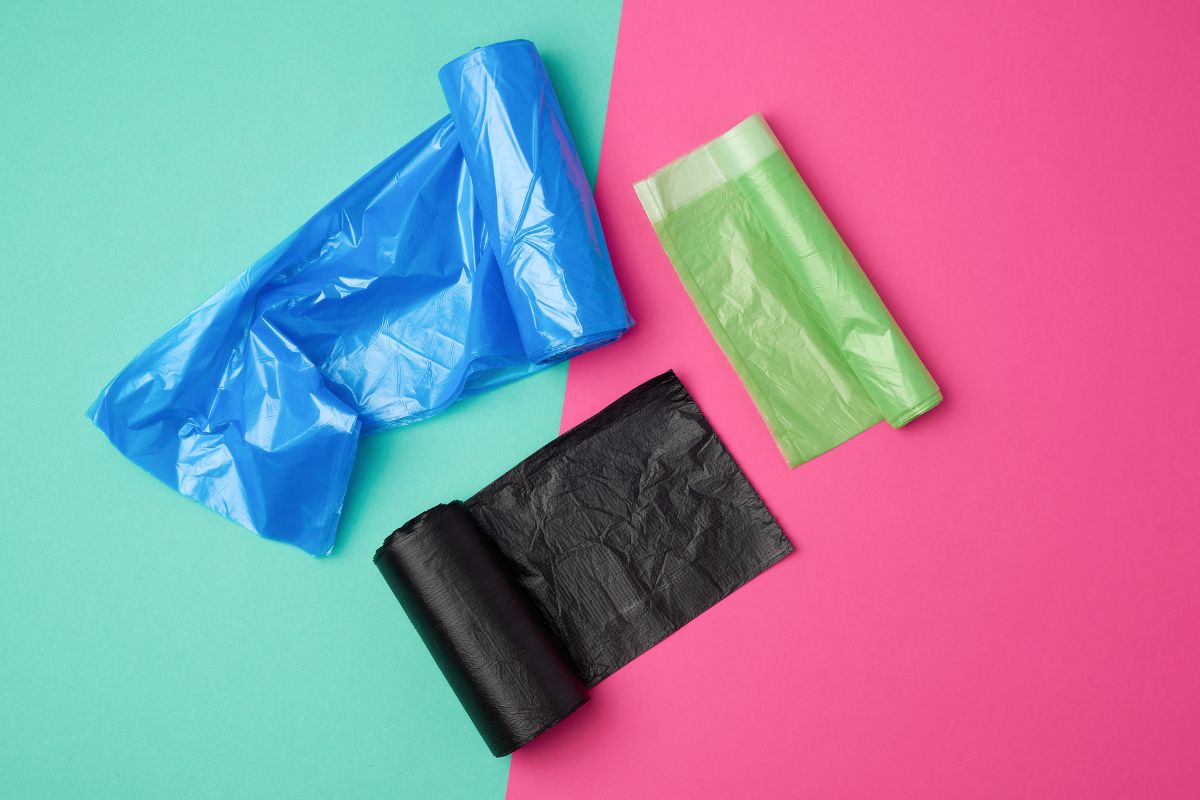
Designate a storage spot. Use a container or dispenser (like a roll holder or fabric bag) to keep them organized and handy.
Flatten or roll them. This reduces bulk and makes them easier to store and retrieve.
Keep reuse priority. Every time you pick up a bag at the store, think: “Can I reuse one I already have?”
Spread the word. Encourage friends, neighbors, or buildingmates to do the same—your collective effort makes a bigger impact.
Let Your Plastic Bags Be Helpers, Not Hazards
Plastic grocery bags may feel Disposable, but they’re not helpless. By reusing them thoughtfully and recycling them properly, you transform them from environmental burdens into useful assets.
Want me to adapt this for your blog, social media post, or newsletter? I’d be happy to.
We hope you enjoy watching this video about 10 Ways to Reuse Shopping Bags

Source:InventTory
Did you find this post useful or inspiring? Save THIS PIN to your HOME Board on Pinterest! 😊

Once again, thank you for visiting our website!
We hope you've enjoyed exploring the content we've created for you.
Give yourself the chance to learn, get inspired, and have even more fun, keep browsing...
More Home Tips 👇🏼👇🏼