
What the Metaverse Can Teach Us About Interior Design

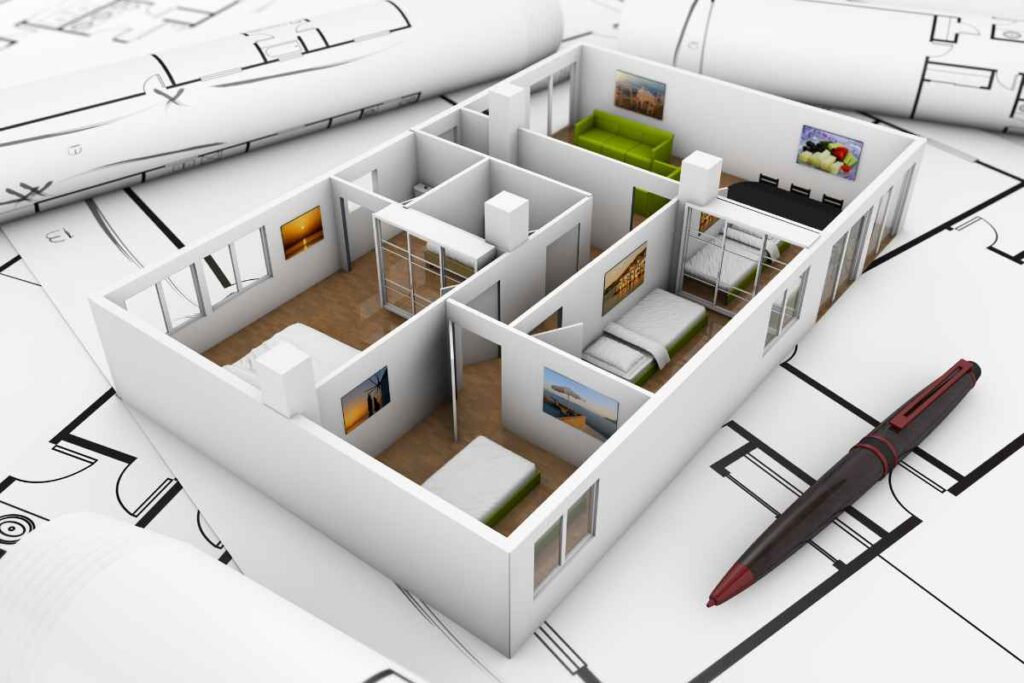
The rise of the metaverse has transformed more than just technology—it’s changing how we think about the spaces we live in.
As virtual environments become more immersive and interactive, they offer a unique perspective on creativity, personalization, and design freedom. Surprisingly, these digital worlds are now influencing the way we approach interior design in the real world.
By exploring the metaverse’s impact on aesthetics, functionality, and self-expression, we can gain valuable insight into how our homes can evolve.
Design Without Limits
In the metaverse, the traditional rules of space no longer apply. Users can build floating rooms, decorate with impossible materials, or design layouts that defy gravity and physics.
While we can’t fully replicate these fantastical features in real homes, they inspire us to think beyond conventional boundaries.
In physical interior design, this might mean exploring unconventional shapes, bolder color palettes, or mixing materials in unexpected ways.
The metaverse encourages experimentation, showing us that home design should reflect our imagination, not just current trends or traditions.
Hyper-Personalization in Virtual Worlds
One of the most striking elements of metaverse environments is the level of personal expression they allow. In virtual spaces, users often create rooms that are deeply personal, aligned with their identity, interests, and emotional needs.
This lesson translates directly into real-world interiors: our homes should reflect who we are, not just look good for guests or social media.
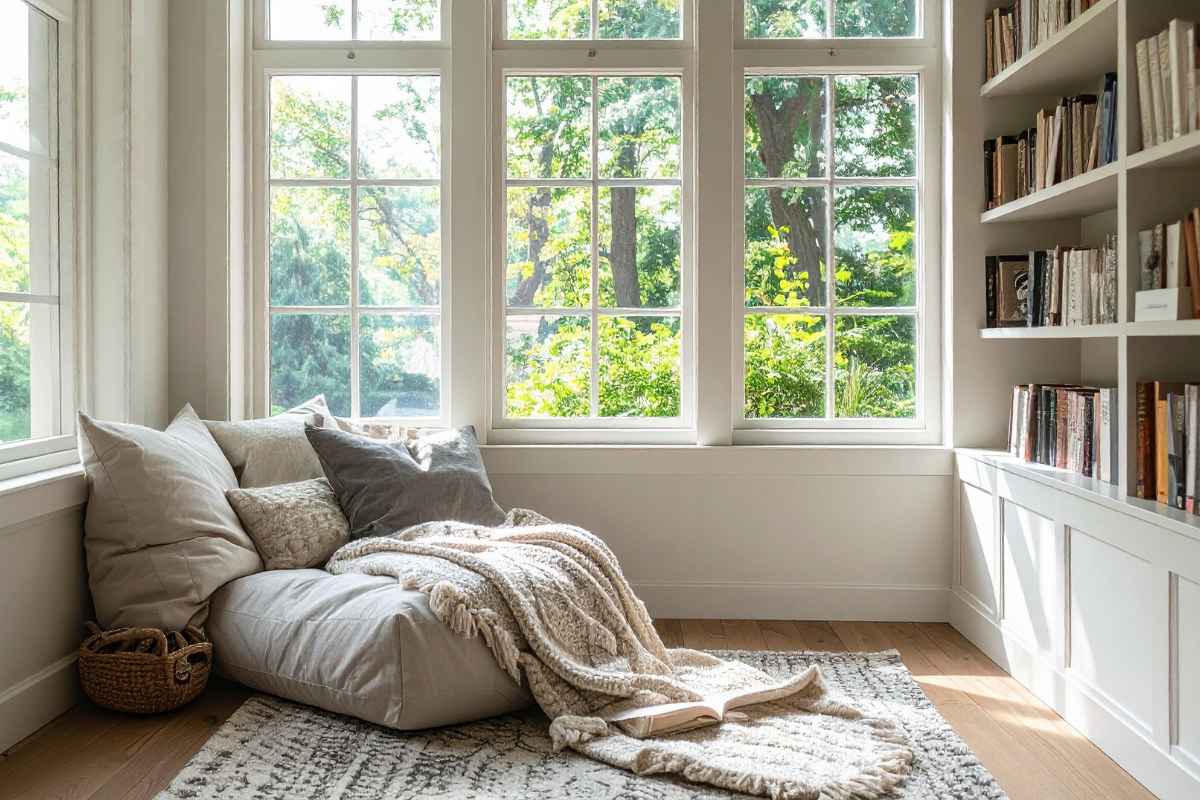
Whether it’s a music-themed office, a reading nook inspired by fantasy novels, or an eclectic living room filled with travel souvenirs, the metaverse teaches us that interior design should be unapologetically personal.
Functionality Inspired by Flexibility
Metaverse rooms are often multi-functional and adaptable. In one moment, a space might be a gallery, and in the next, it becomes a meeting hub or gaming lounge. This fluidity offers inspiration for real-life flexible spaces.
With more people working and socializing from home, the need for multi-use rooms has grown. Design concepts like modular furniture, movable walls, and convertible storage are becoming essential.
The metaverse shows us the potential of designing with adaptability in mind, so a room can meet different needs without sacrificing comfort or style.
Mood and Atmosphere Through Lighting and Texture
In virtual environments, lighting is not limited by natural sources or electrical constraints. Creators can manipulate light, shadow, and texture to create precise atmospheres. This emphasis on mood helps us understand the emotional power of lighting in interior design.
From warm-toned lights in a cozy bedroom to dramatic shadows in a home theater, lighting can transform how we experience a space. Similarly, textures—both visual and tactile—play a role in how we feel in our homes.
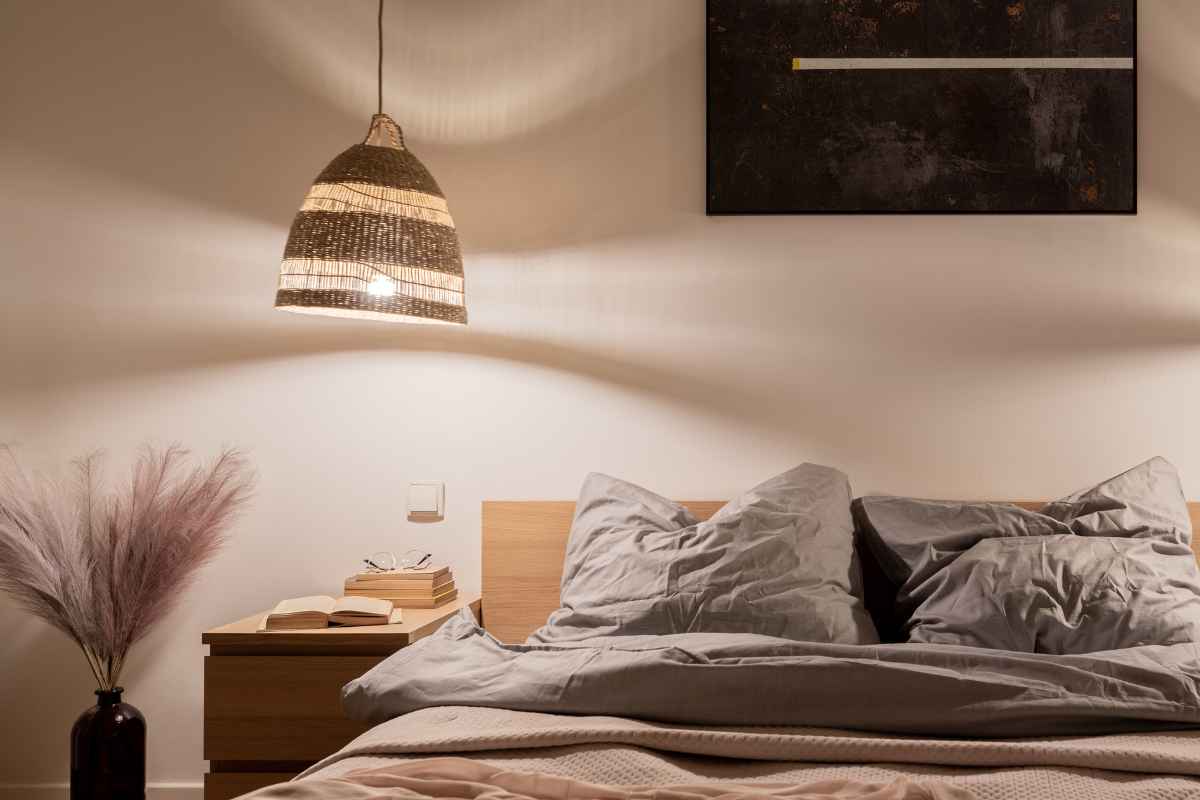
Inspired by digital design, we can think more intentionally about the emotional tone our lighting and surfaces set.
Sustainability Lessons from the Virtual World
Though the metaverse itself is digital, it sparks new ideas about sustainable design in the physical world. In a virtual setting, materials don’t deplete resources—but in real life, they do.
This contrast reminds us to choose eco-friendly alternatives, reduce waste, and prioritize responsible sourcing.
The metaverse also promotes a “less is more” mentality. Users curate objects based on meaning and impact rather than cluttering a space with items. This parallels the idea of mindful minimalism, encouraging us to design homes that are intentional, not excessive.
Color and Creativity Without Fear
In digital spaces, people often take bold risks with color schemes—neon blues, glowing pinks, rich metallics—that wouldn’t typically be seen in a standard home. This freedom inspires us to be braver with color in our interiors.
You don’t need to go full virtual reality to apply this lesson. Maybe it's an accent wall in a deep emerald, a bright rug in the entryway, or color-blocked cabinets in the kitchen.
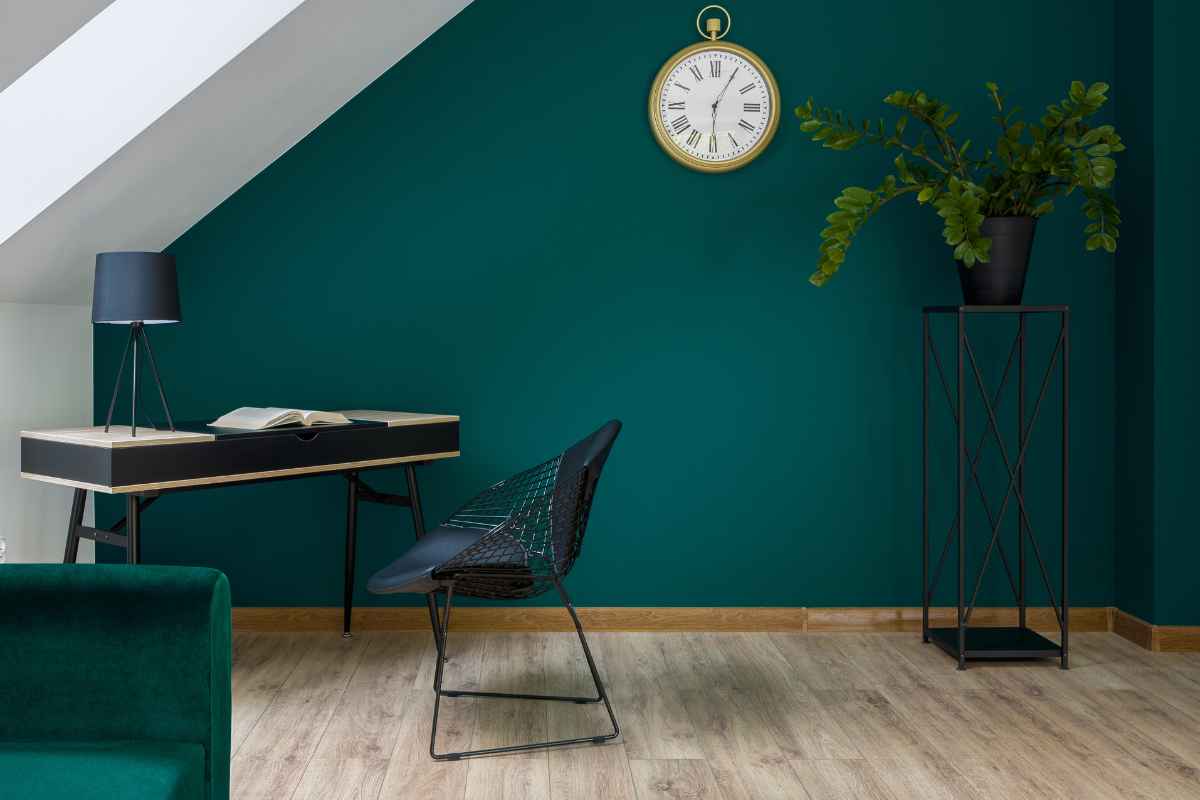
The metaverse teaches us to stop playing it safe with neutrals and start embracing the power of color to energize a space.
Design for Experience, Not Just Aesthetics
Virtual rooms are built with purpose: to entertain, connect, relax, or energize. That clarity of intention can guide us in designing our own homes.
Instead of focusing only on how a room looks, we can ask: How does it feel to be in this space? What experience do I want to create here?
Whether it's designing a living room that invites conversation or a bedroom that promotes restful sleep, the metaverse reminds us to design for emotion and function, not just beauty.
Community Spaces and Shared Creativity
Many metaverse environments are designed collaboratively. Users co-create lounges, galleries, or workspaces, leading to dynamic and unexpected outcomes.
This spirit of shared creativity can inspire us to collaborate more in our real-world spaces—whether with family members, roommates, or even community groups.
Designing together fosters a sense of connection and ownership. It helps ensure that a space serves everyone’s needs and reflects shared values. The metaverse demonstrates that the process of designing can be just as meaningful as the result.

Augmented Reality as a Bridge
Technology doesn’t just live in the metaverse. Augmented reality (AR) tools, now widely available through smartphones and tablets, allow us to visualize furniture placement, wall colors, and design elements before making changes.
This trend, rooted in metaverse concepts, enhances how we plan and implement design choices.
With AR, we can experiment without commitment, reducing design regret and increasing confidence. It brings metaverse flexibility into the real world, helping us see possibilities that once felt too risky to try.
A New Perspective on Interior Design
The metaverse isn’t just a playground for gamers or tech enthusiasts—it’s a powerful lens for viewing the future of design. It teaches us to embrace individuality, think creatively, and design with flexibility and feeling.
As we continue blending the digital and physical worlds, our homes can become more reflective of who we are and what we value.
Instead of seeing virtual design as separate from reality, we can use it as inspiration for reimagining our spaces.
Whether it’s a small tweak in color, a bold layout decision, or a redefinition of how a room is used, the metaverse encourages us to be bold, curious, and personal in our interiors.
Where Digital Dreams Meet Real Design
At its core, the metaverse is about possibility—the chance to create something entirely new. That same energy can breathe life into how we approach our homes. By taking cues from virtual design, we unlock a new level of creativity, self-expression, and adaptability.
In a world where our digital and physical lives are more connected than ever, it’s time to let one inspire the other.
Did you find this post Useful or Inspiring? Save THIS PIN to your HOME Board on Pinterest!
More Home Tips 👇🏼👇🏼