
What to Know About Victorian Interior Design


If you’re drawn to rich colors, ornate details, and a sense of timeless drama, victorian interior design might be your perfect match.
This guide breaks down the essentials—from color palettes and patterns to furniture, lighting, and modern updates—so you can create rooms that feel luxurious, welcoming, and easy to live with today.
What Defines Victorian Style?
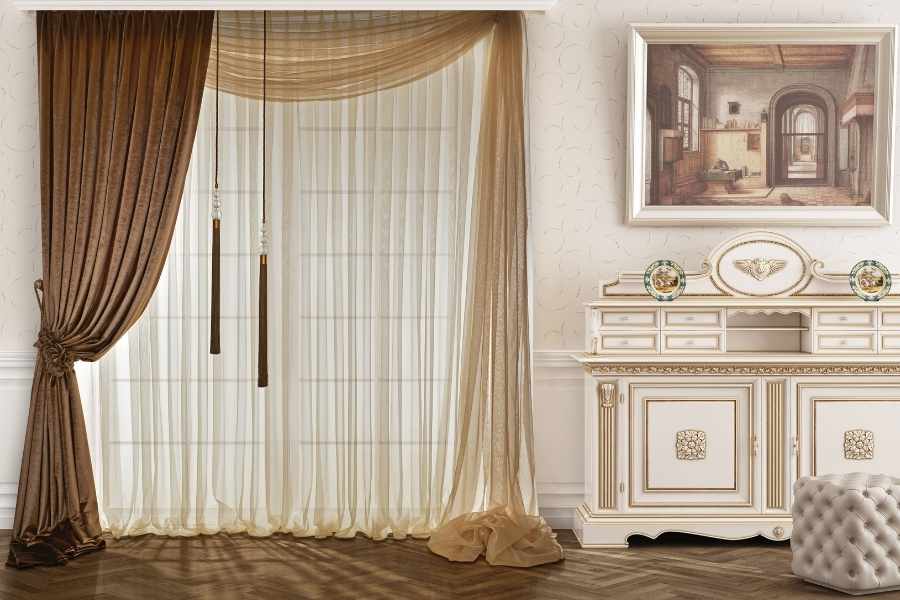
At its core, victorian style interior design celebrates abundance: layered textiles, carved wood, decorative trims, and artful displays.
The look grew during the 19th century’s boom in craftsmanship and global trade, which brought new materials, motifs, and manufacturing techniques to the home.
Key signatures include high-contrast palettes, botanical and damask wallpapers, decorative moldings, and silhouettes with curves and scrolls.
Yet the best interpretations feel edited rather than cluttered—think “curated opulence.” That balance is what keeps victorian aesthetic interior design relevant in modern homes.
Color, Pattern, and Materials
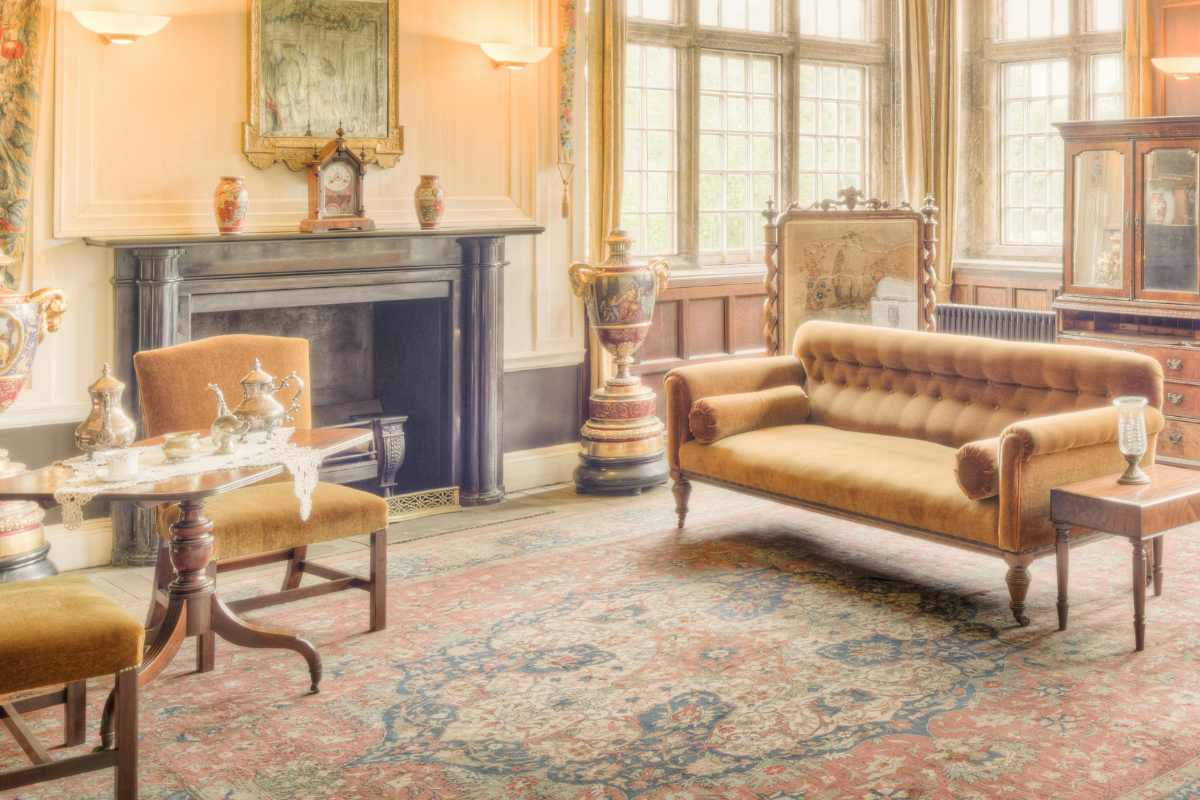
Traditional colors skew deep and saturated: oxblood, emerald, peacock, and chocolate, anchored by cream, bone, or warm white.
In sunny rooms, saturated hues create cozy intimacy; in darker rooms, add glints of brass, crystal, or mirror to lift the mood.
Pattern mixing is encouraged. Pair a botanical wallpaper with a striped silk pillow or a Persian-style rug. The trick is to repeat a color across patterns so the room feels cohesive.
Choose tactile fabrics—velvet, mohair, brocade, fringe, and tassels—to capture the plush comfort central to interior design victorian sensibilities.
Walls, Ceilings, and Architectural Details
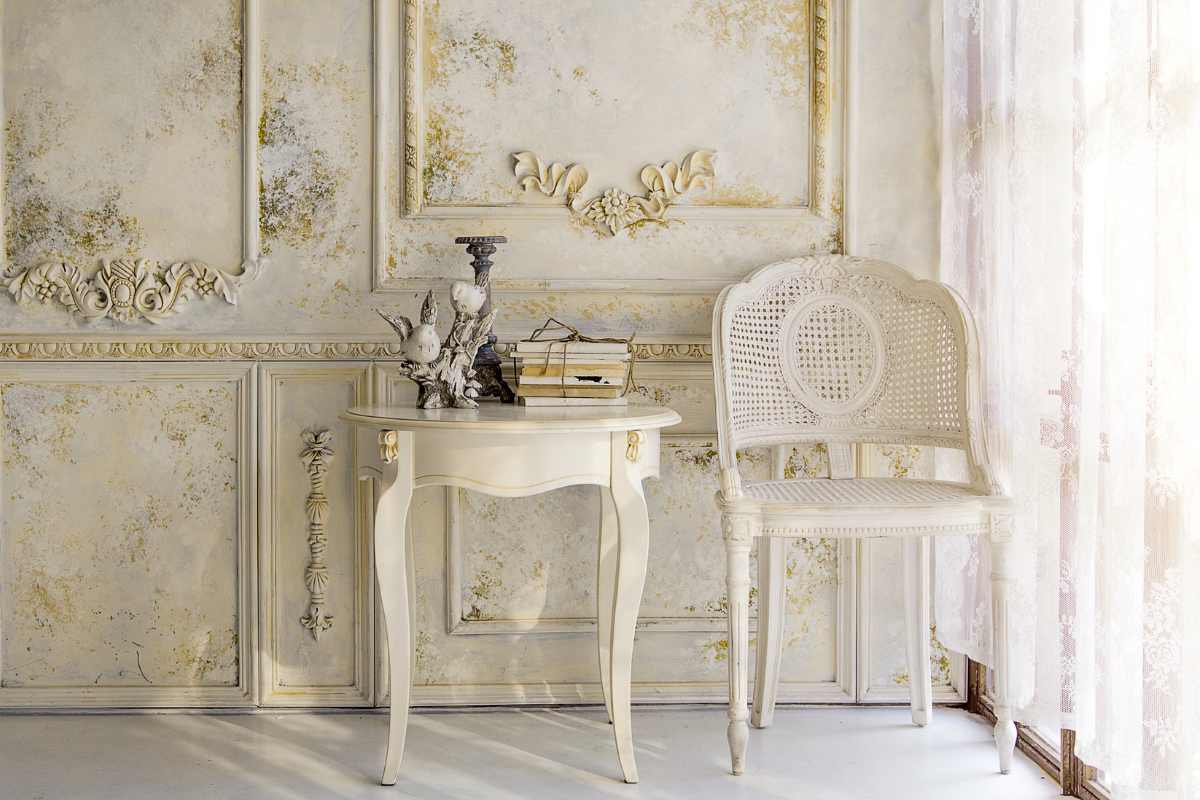
Paneled walls, picture rails, and ceiling medallions add instant period character. If your home lacks these features, simple applied moldings painted in the wall color can mimic the depth.
Pressed-tin or patterned ceilings are another route to elegance—use in dining rooms or entry halls for impact.
Wallpaper is a hallmark of victorian design interior. Florals, damasks, and block-printed repeats work beautifully, especially when paired with wainscoting to ground the pattern and protect walls in high-traffic spaces.
Furniture: Curves, Craft, and Comfort
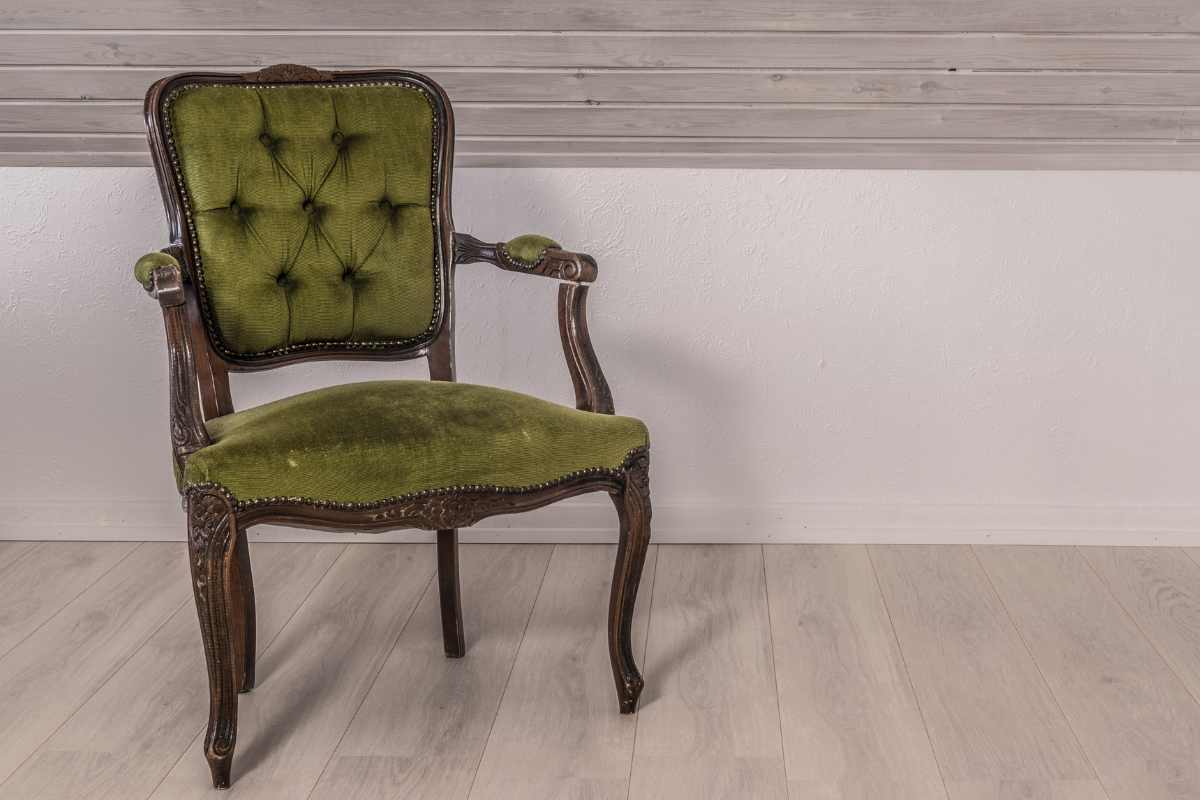
Look for generous, inviting silhouettes. A tufted settee, a buttoned chaise, or a balloon-back chair instantly reads Victorian. Dark woods—mahogany, walnut, rosewood—set the tone, but you can mix in lighter pieces to keep the room from feeling heavy.
Marble-top tables, carved sideboards, and display cabinets with glass fronts work well for both storage and show.
Upholstery favors velvet, tapestry, or tightly woven twill; piping and nailhead trim add crisp finish. Even one or two period-inspired pieces can transform a space into a convincing victorian home interior design.
Lighting: Layers and Ambience
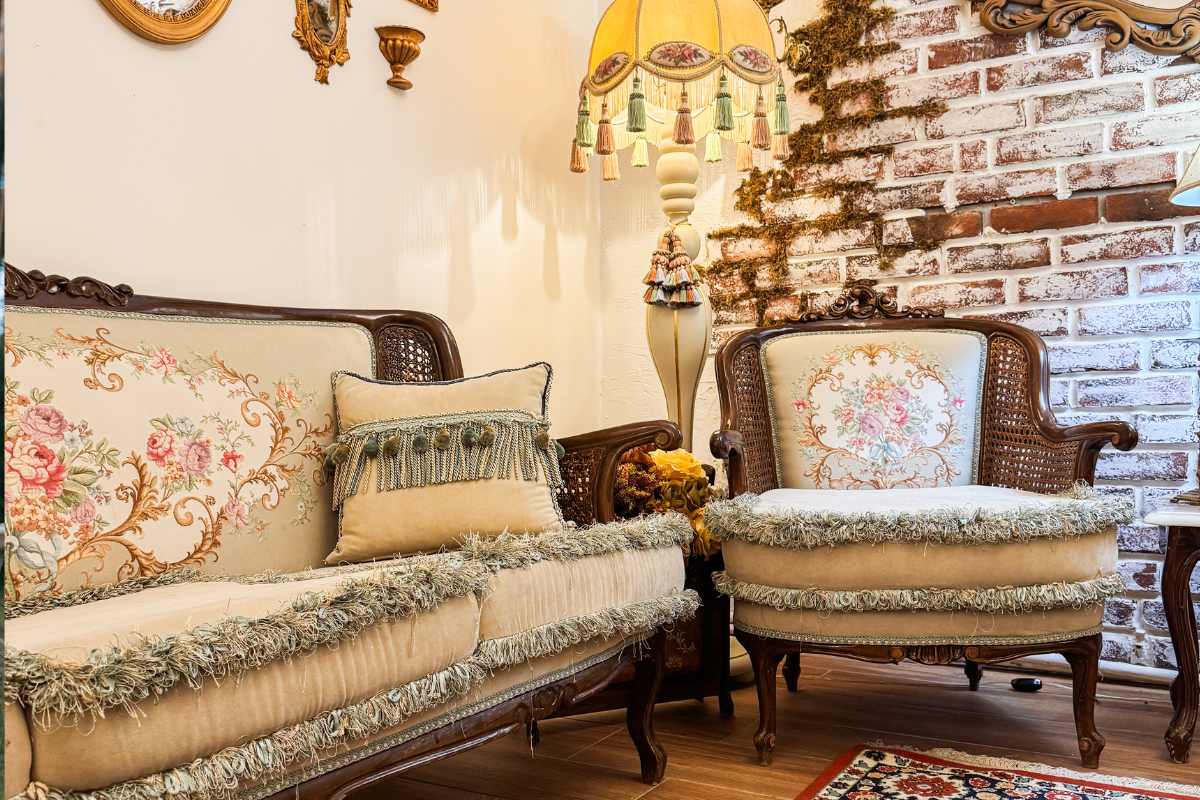
Victorian rooms glow rather than glare. Build three layers: a statement chandelier (crystal, brass, or blackened metal), wall sconces for soft perimeter light, and table lamps with pleated or fringed shades for warmth. Candlelight—real or LED—is a natural fit for dining and mantel moments.
Dimmer switches are modern allies; they let you tune the mood without compromising the historic vibe. Add picture lights above art or bookcases to highlight collections and architectural detail.
Textiles, Rugs, and Window Treatments
Windows deserve generosity. Floor-length drapery with interlining adds weight and luxurious fall. Layer with sheers to soften daylight and protect fabrics.
If your ceilings are modest, mount hardware near the ceiling line to elongate proportions.
Underfoot, Persian- and Turkish-inspired rugs bring pattern, color, and history. In bedrooms, add a smaller woven rug beside the bed for warmth and a bit of layered romance—an easy nod to victorian house interior design even in contemporary architecture.
Art, Objects, and Styling
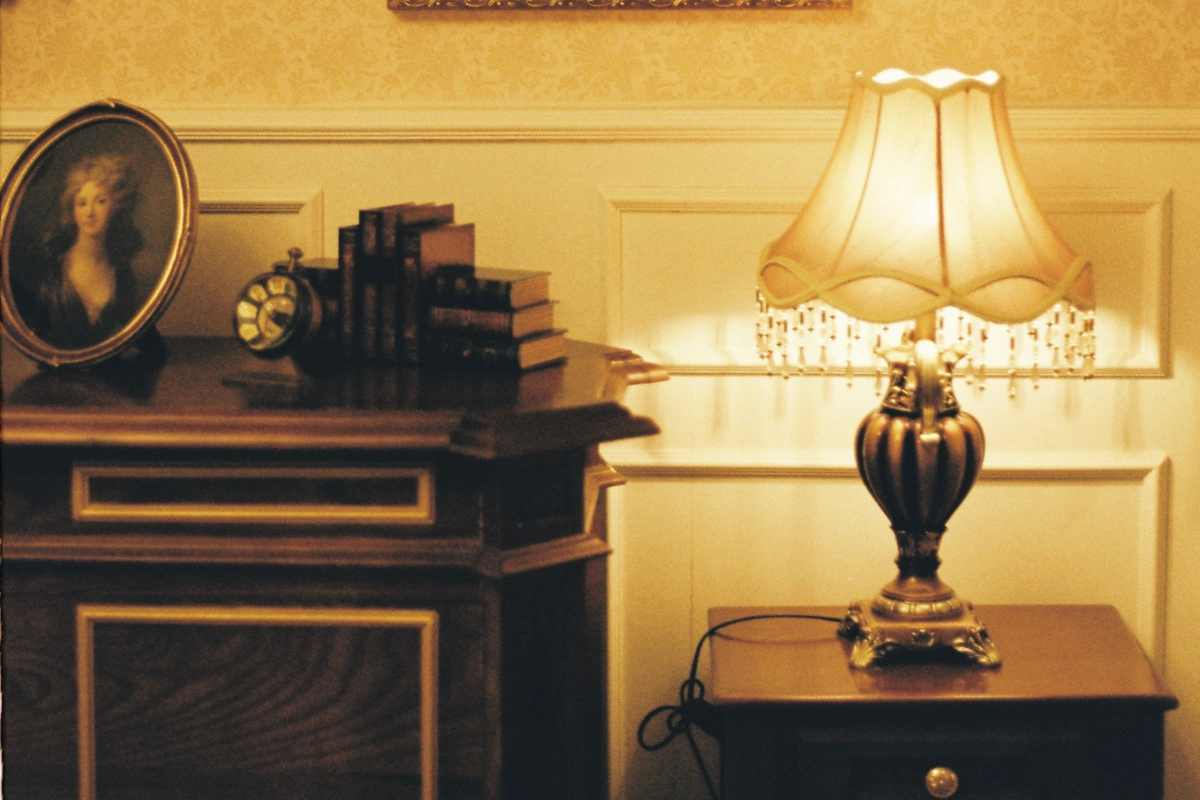
Curiosity and storytelling were central to the era. Build vignettes on mantels, étagères, and console tables with portraiture, botanical prints, antique books, and travel finds.
Vary heights with pedestals and stacks, and intersperse matte with glossy surfaces to keep the eye moving.
Avoid visual overload by editing once you’ve styled: remove one item per surface to let the rest breathe. This single pass often turns “busy” into “beautifully abundant.”
Bathrooms and Bedrooms: Quiet Luxury
In a mid century—no, Victorian bath, lean into classic tile (subway or hex), a clawfoot tub, and unlacquered brass or polished nickel fixtures.
A marble-topped vanity and a beveled mirror add period charm; patterned wallpaper above beadboard is a timeless pairing.
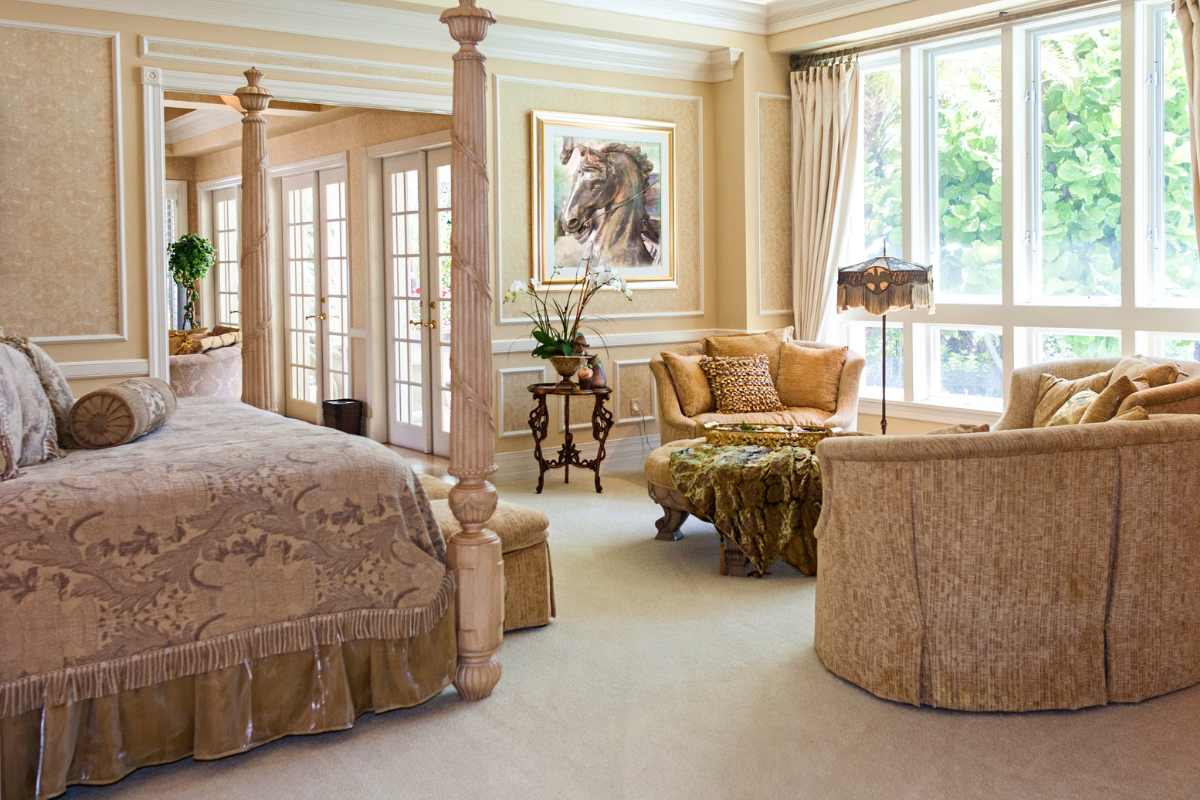
Bedrooms benefit from upholstered or carved headboards, pleated lampshades, and quilted or matelassé bedding. A painted ceiling a shade lighter than the walls lends an enveloping, cocooned feel—perfect for a romantic, restful retreat.
Bringing Victorian Into Modern Homes
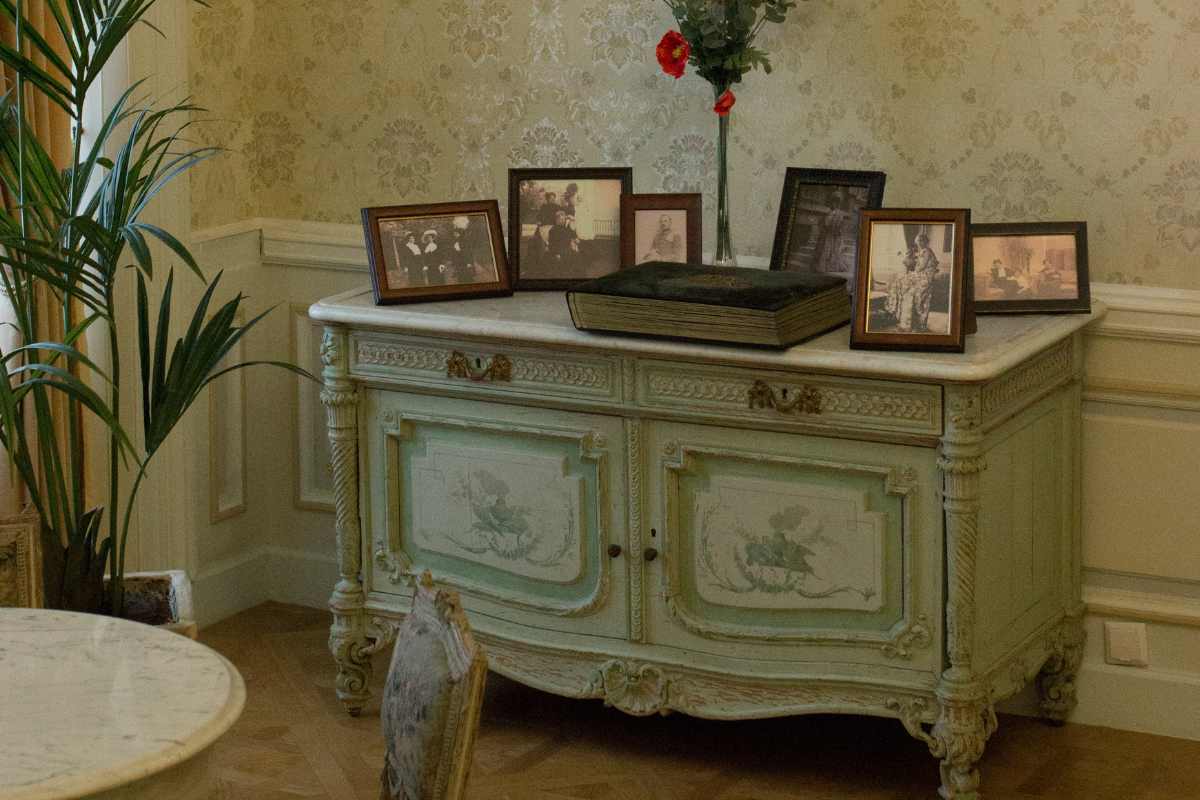
Worried about clashing with open-plan living? Create zones with rugs, screens, and bookcases. Let a single showpiece—like a tufted sofa or carved sideboard—set the tone, and keep nearby elements quieter.
Mixing contemporary lines with heritage detail is how home interior design victorian thrives in 21st-century spaces.
Paint is your easiest tool. Try a deep green or garnet dining room, then balance with light trim and plenty of candlelight.
In small apartments, focus the fullness in one “jewel-box” corner: a patterned wallpaper panel, a vintage chair, and a fringed lamp can deliver the mood without crowding.
Room-by-Room Starter Plans
Living Room
1) Choose a rich wall color or patterned paper.
2) Add a tufted sofa, marble-top side table, and trimmed drapery.
3) Layer a Persian-style rug, brass floor lamp, and portrait art.
With just these, your mid century—correction—your victorian interior design foundation is set.
Dining Room
Frame the table with high-back chairs and a credenza for china and glass. Install a statement chandelier and picture rail. Display a few heirloom pieces—silver, crystal, or porcelain—and keep the rest tucked away for calm.
Entry
Set the tone with a patterned runner, a carved mirror, and a small table for flowers. A coat stand or umbrella holder adds period utility and charm.
Common Mistakes (and Easy Fixes)
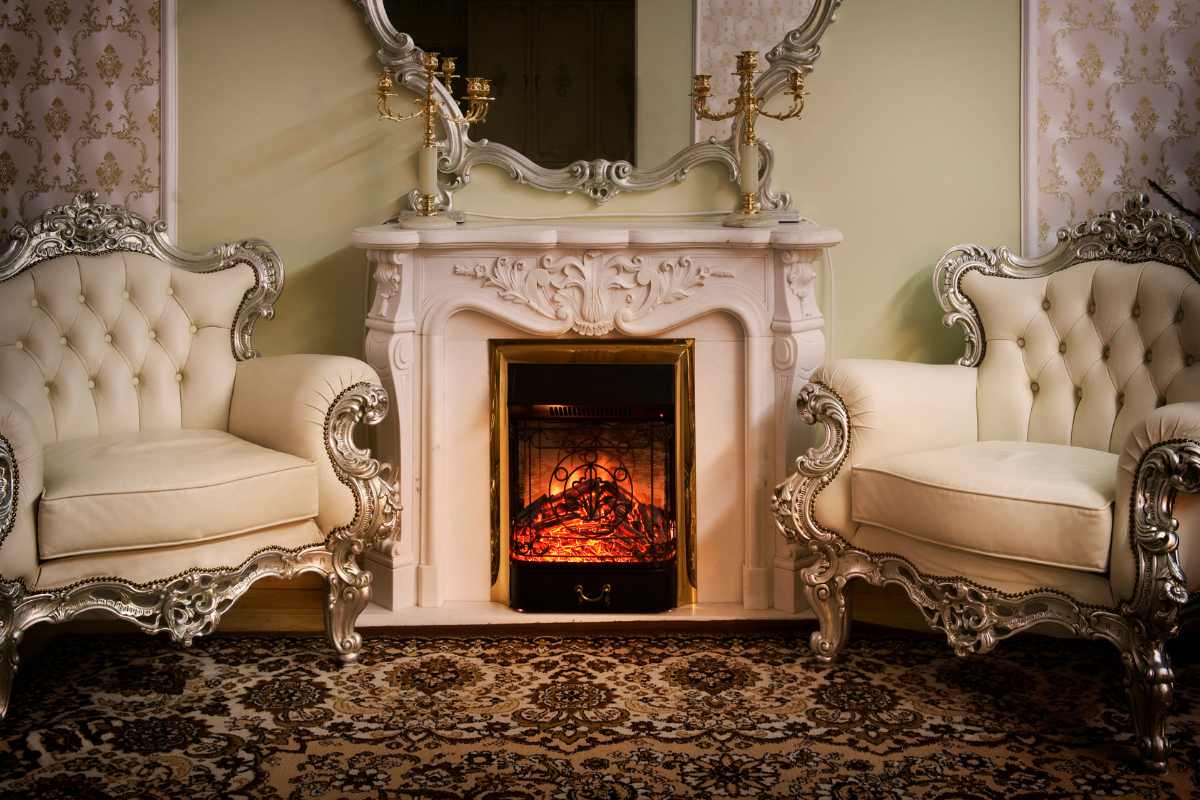
Too dark overall: Introduce mirrors, glass lamps, or lighter drapery linings. Balance deep walls with paler upholstery so the room reads layered, not heavy.
Overcrowding: Even Victorian rooms need negative space. Edit surfaces and allow circulation paths. A few exceptional pieces outshine many average ones.
Theme-park vibes: Mix in clean-lined modern items—plain linen curtains, a simple sofa—to keep the look sophisticated.
Quick Checklist to Begin
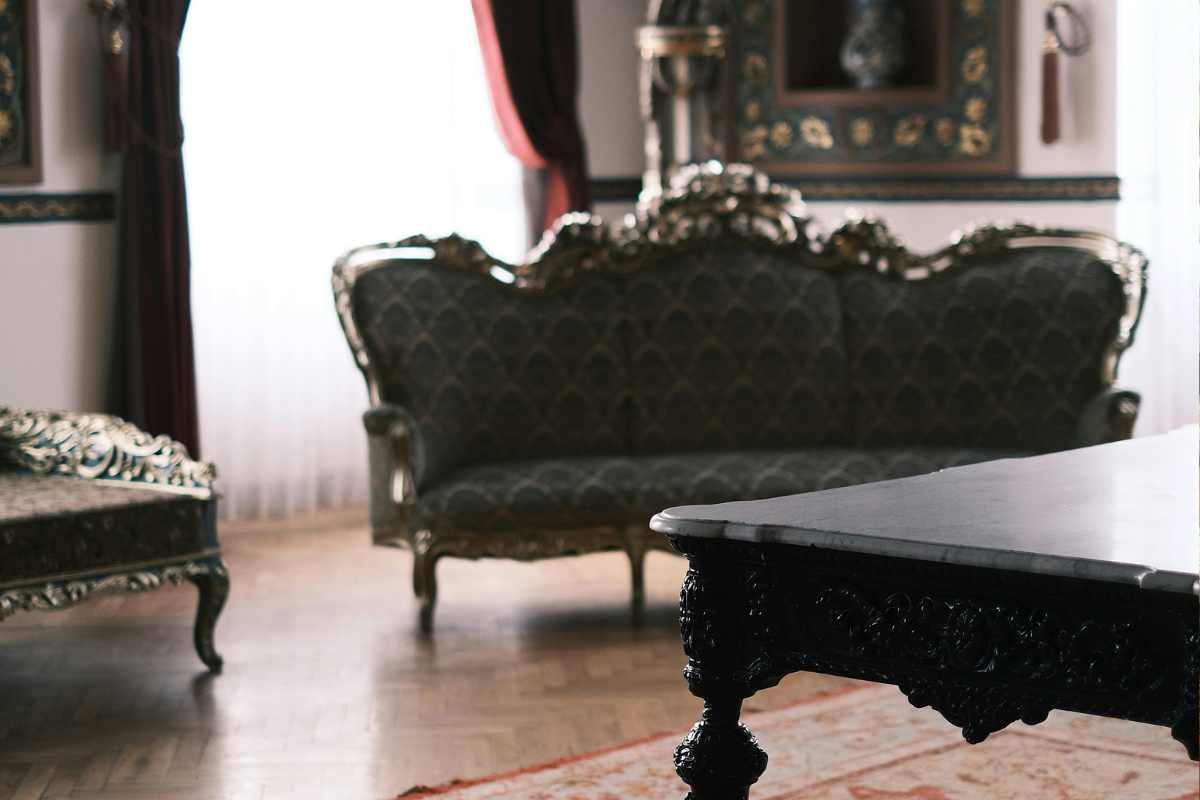
Pick a palette with one deep hue and two supporting neutrals. Add one carved wood piece, one patterned textile, and a vintage-inspired light.
Finish with a curated vignette on a mantel or console. These steps deliver instant victorian interior design character without a full renovation.
Final Thoughts
Victorian design rewards attention to detail and love of craft. Whether you’re refreshing one room or planning a whole-home scheme, start small, layer slowly, and let quality lead.
Explore more inspiration and how-tos on Urbaki to keep refining your take on victorian interior design with confidence and warmth.
We Hope You Enjoy Watching this Video
Source: House & Home
More Home Tips 👇🏼👇🏼