
Arrowhead Lace Stitch: A Fashionable Lace Pattern

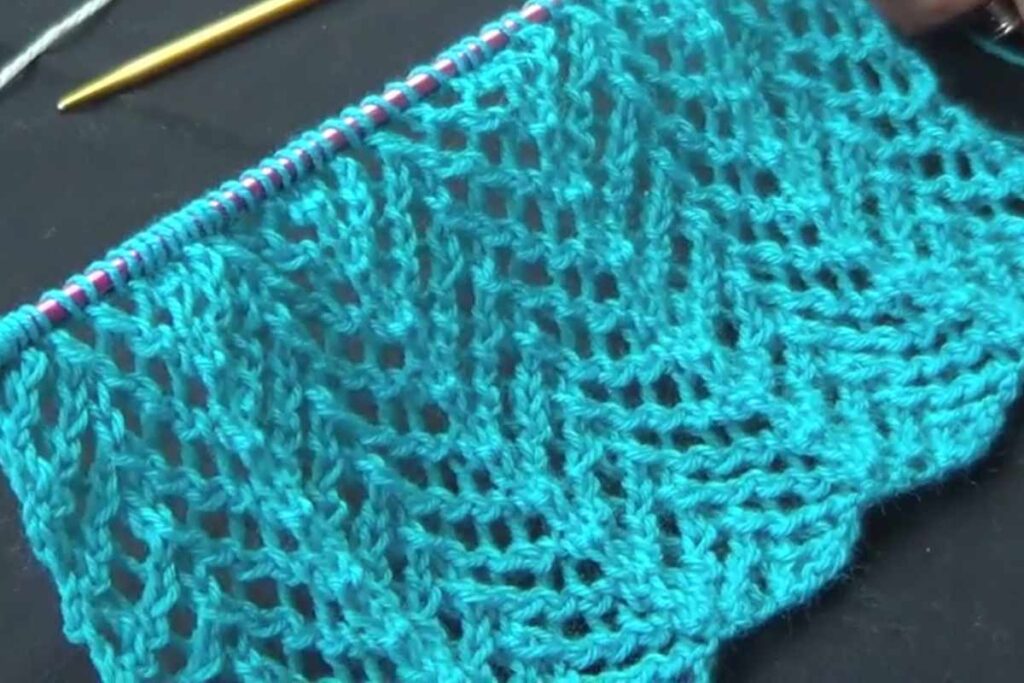
The Arrowhead Lace Stitch is a stunning choice for knitters looking to add intricate and elegant lacework to their projects.
Known for its distinctive geometric design, this pattern resembles the pointed shape of an arrowhead, giving garments and accessories a modern yet timeless appeal. Ideal for intermediate to advanced knitters, this lace stitch offers both a challenge and a rewarding outcome.
The Allure of Arrowhead Lace
What sets the Arrowhead Lace Stitch apart is its sophisticated texture combined with a clean, angular motif.
The repeating pattern of eyelets and raised stitches creates a visual rhythm that captures the eye without overwhelming the fabric. This makes it suitable for a variety of projects, from lightweight shawls and scarves to elegant cardigans and sweaters.
The lace’s openness allows for breathability, making it a great choice for garments worn in warmer seasons or layered in cooler weather. Its architectural look also adds a refined detail that complements both casual and formal wear.
Skill Level and Accessibility
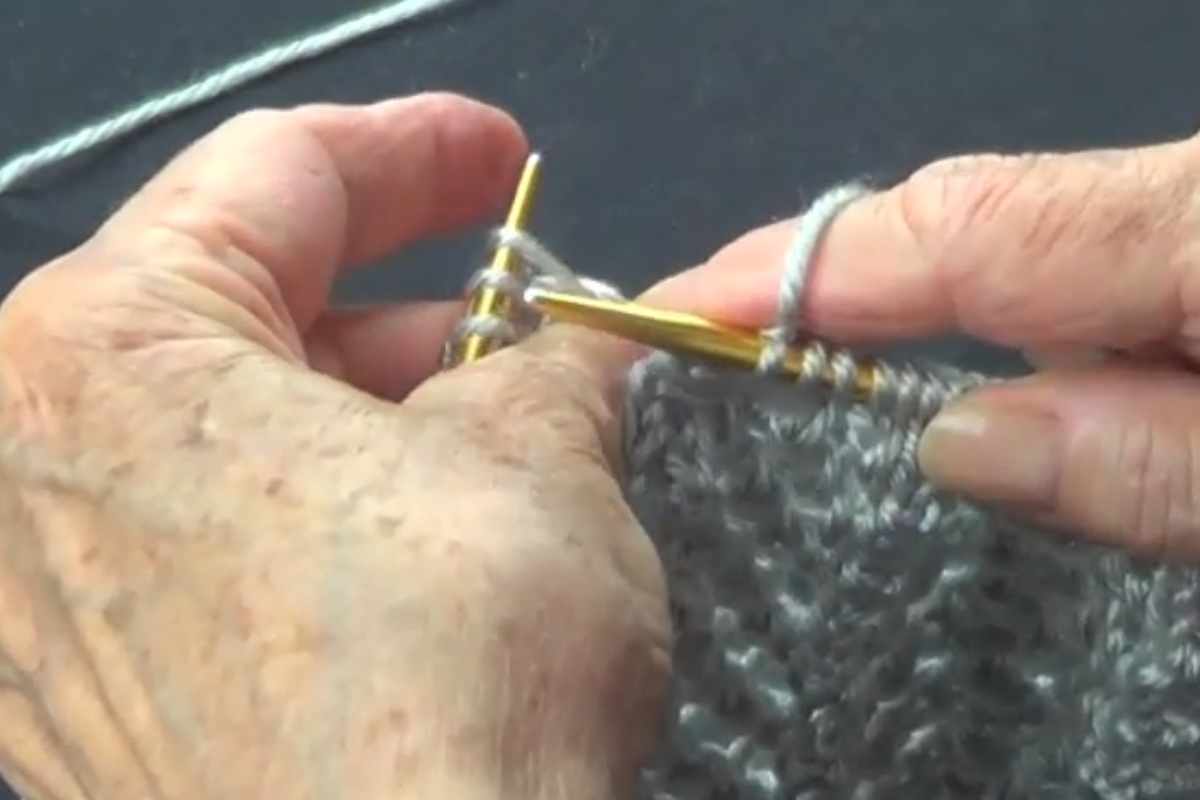
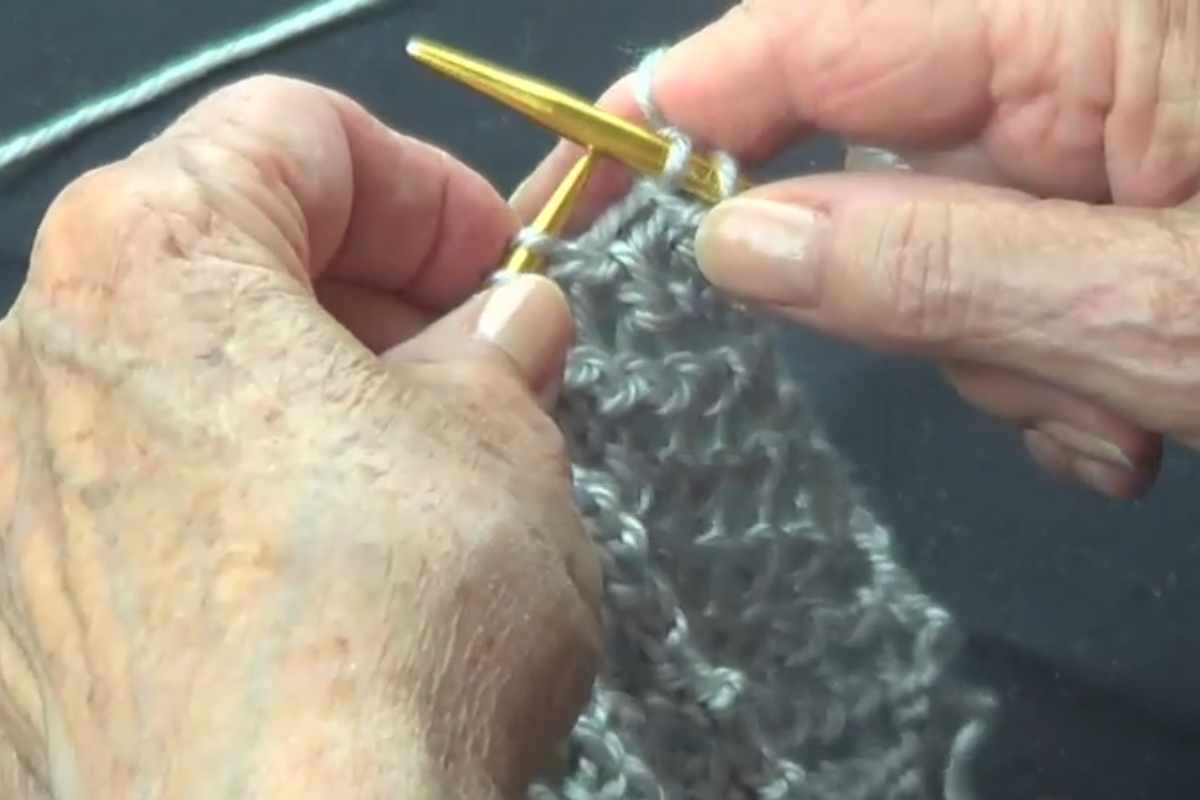
While the pattern is categorized as intermediate to advanced, the video tutorial makes the stitch accessible through clear, step-by-step guidance. The intricacy of the stitch lies in the combination of yarn overs, decreases, and twisted stitches that create the arrowhead shapes.
Knitters familiar with basic lace techniques will find this pattern a wonderful way to expand their skills. The rhythmic repetition of stitches helps in memorizing the pattern, allowing knitters to focus on perfecting tension and texture as they progress.
Versatility of the Arrowhead Lace
The geometric elegance of the Arrowhead Lace Stitch lends itself well to a wide array of knitting projects. It adds an element of sophistication to simple yarns and can transform basic accessories into statement pieces.
For example, incorporating this stitch into a scarf elevates it from a functional winter essential to a stylish fashion statement. Similarly, sweaters featuring the Arrowhead Lace can become standout items in any wardrobe due to their unique texture and design.
The lace also works beautifully in smaller projects like shawls, wraps, or even decorative pillow covers, making it a versatile pattern for various creative endeavors.
How This Pattern Enhances Fabric
The play of light and shadow on the raised stitches and open eyelets creates depth and movement in the fabric. This dynamic texture adds interest without excessive bulk, keeping the knitted piece lightweight yet visually captivating.
The arrowhead shapes guide the eye along the fabric, creating a flattering effect that can elongate and slim, which is particularly appealing for garments like cardigans and tops.
Combining Arrowhead Lace with Other Patterns
While the Arrowhead Lace Stitch shines on its own, it can also be paired with other lace or textured stitches for more complex designs.
Combining it with ribbing, seed stitch, or simple stockinette panels can create contrast and structure, enhancing the overall aesthetic of the piece.
This adaptability allows knitters to customize projects, blending the Arrowhead Lace with complementary stitches to suit personal taste and style.

Tips for Success
Achieving the perfect look with the Arrowhead Lace Stitch requires attention to detail. Maintaining consistent tension is important to highlight the pattern’s sharp lines and open spaces.
Blocking the finished piece enhances the lace pattern, opening up the stitches and setting the fabric into a smooth, defined shape. This final step is essential for maximizing the visual impact of the lace.
Final Thoughts
The Arrowhead Lace Stitch is a fashionable and elegant choice for knitters seeking to add a touch of sophistication to their projects. Its unique geometric design, combined with a pleasing texture, makes it a versatile and rewarding pattern to master.
With the help of detailed tutorials, knitters can confidently explore this stitch, creating beautiful garments and accessories that stand out for their craftsmanship and style.
Images and patterns courtesy of JoannesWeb
Enjoy The Video Tutorial

Source: JoannesWeb
You may also like