
Knit the Flower Cluster Stitch: A Delicate Lace Pattern for Spring

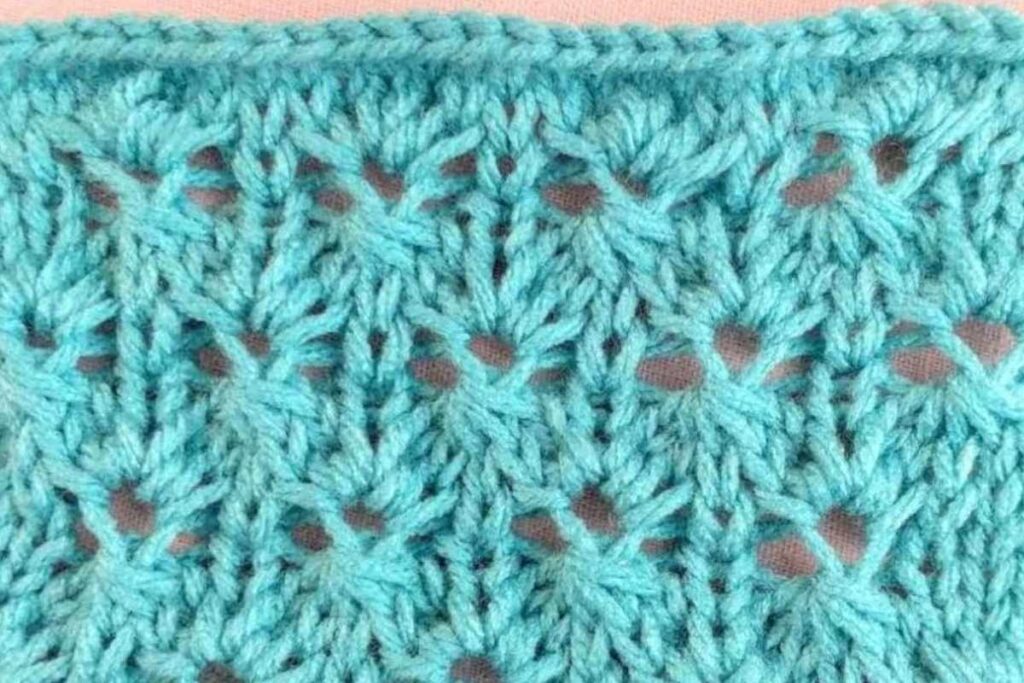
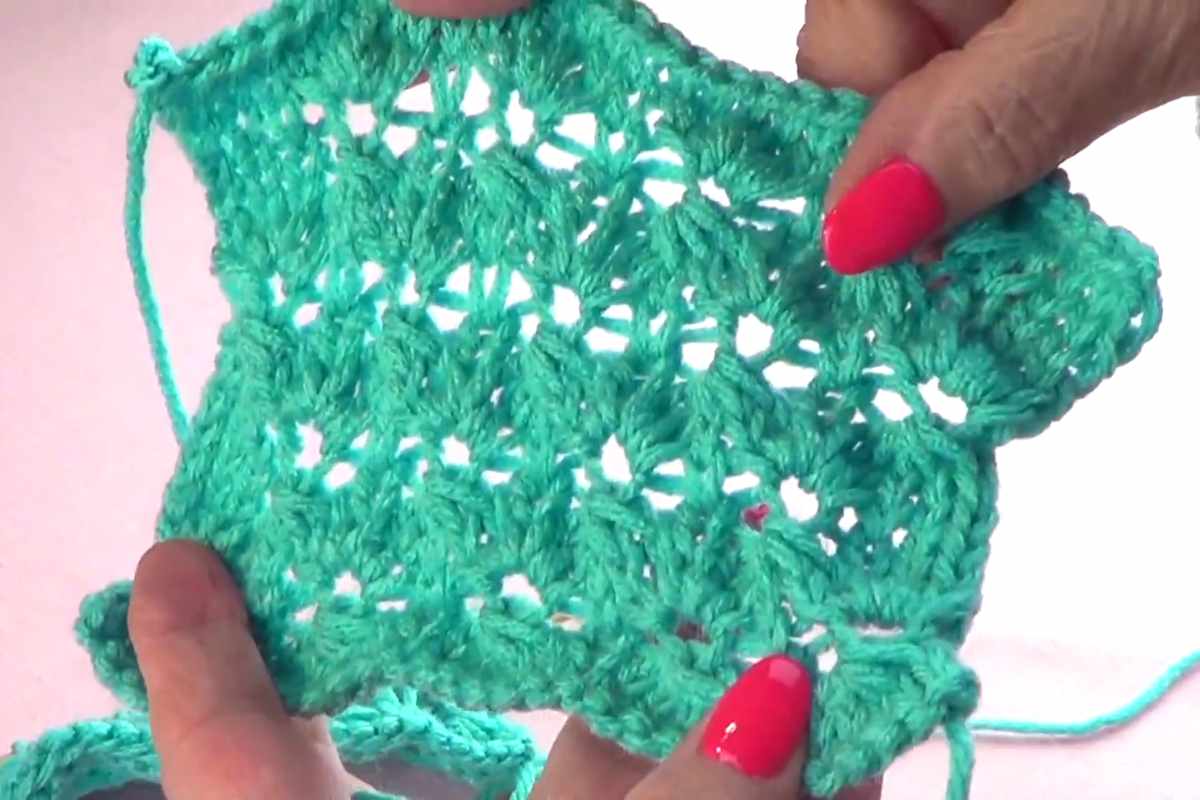
The Flower Cluster Knit Stitch is a beautiful lace pattern that brings texture, elegance, and a sense of movement to any project. With its delicate floral motif, this stitch is ideal for Spring-inspired pieces—shawls, wraps, lightweight scarves, or even airy tops. The overall effect resembles a garden in full bloom, created entirely with yarn and needles.
A Lace Pattern That Stands Out
This isn’t your average lace stitch. What makes the Flower Cluster unique is its dimensional structure. It doesn’t just lie flat—it has a rhythmic texture that almost feels sculptural.
The pattern consists of clusters that look like tiny bursts of petals, spaced just right to keep the fabric both open and balanced.
Despite its intricate appearance, the logic behind the stitch is easy to grasp once seen in action. The tutorial helps break it down into a flow that’s approachable for intermediate knitters, while still engaging enough to hold the interest of experienced crafters.
Inspired by Nature
Lace knitting often takes cues from the natural world, and this stitch is no exception. The clustered shapes mimic the look of flowers grouped together, with eyelets acting as negative space to enhance the contrast. The result is organic and full of charm.
This makes the stitch particularly fitting for projects that celebrate nature, change, or lightness. Spring garments, Easter accessories, or even home decor items like lace table runners would all benefit from the pattern’s soft, floral quality.
Texture Meets Breathability
One of the most appealing aspects of this stitch is how it blends texture with openness. While some lace patterns prioritize delicacy over depth, the Flower Cluster manages to feel plush without being dense.
This creates a breathable fabric that still has plenty of structure, making it a great option for layering pieces.
It’s also a smart choice for yarns that have good stitch definition—cotton, bamboo, or smooth wools all allow the flower-like forms to shine. The stitch’s structure gives your yarn room to show off its color and fiber quality without getting lost in too many holes or overly tight cables.
A Versatile Addition to Your Stitch Library
Learning this stitch expands what you can do with future projects. It pairs well with solid sections of stockinette or garter, and it transitions nicely into ribbing or edging.
This flexibility opens the door for custom designs—you can insert a panel of the Flower Cluster into a plain pullover or use it as an allover pattern for a dramatic lace shawl.
Because of its symmetrical repetition, it also looks polished from multiple angles, which matters in flowing pieces like scarves or wraps that don’t always stay in one position.
Tutorial That Shows Every Detail
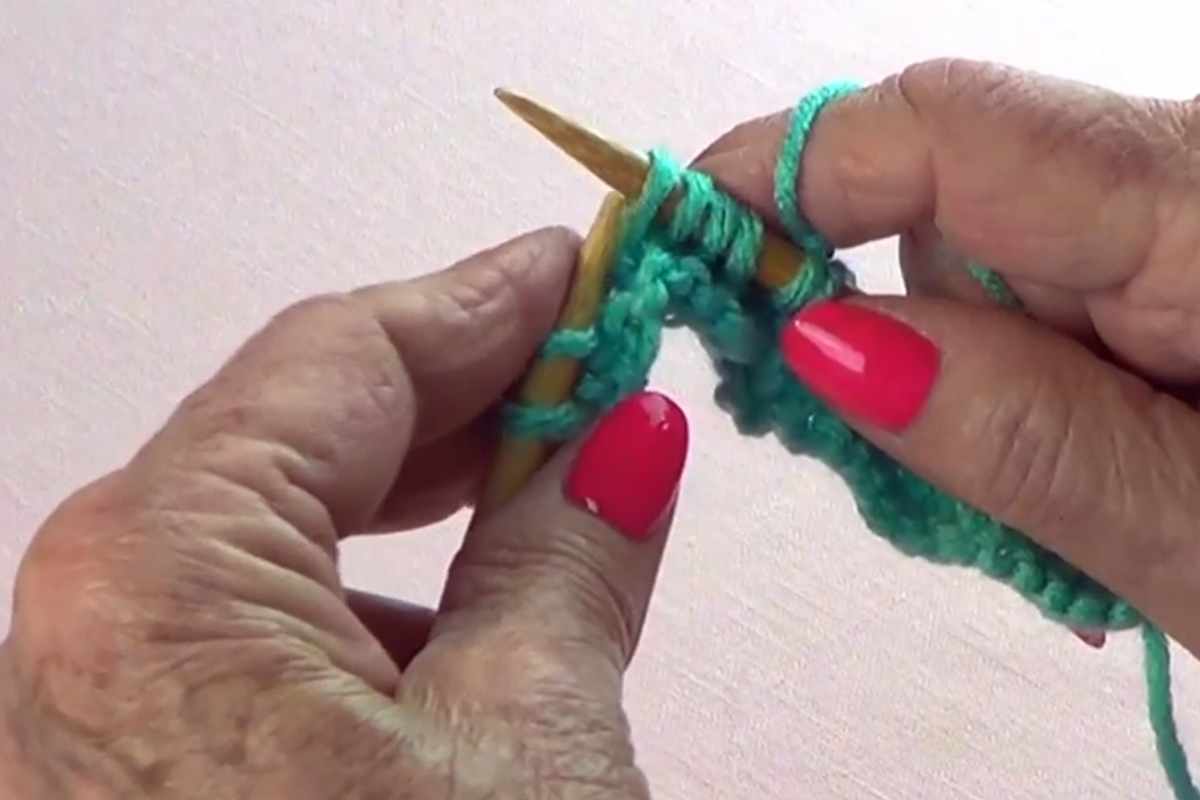
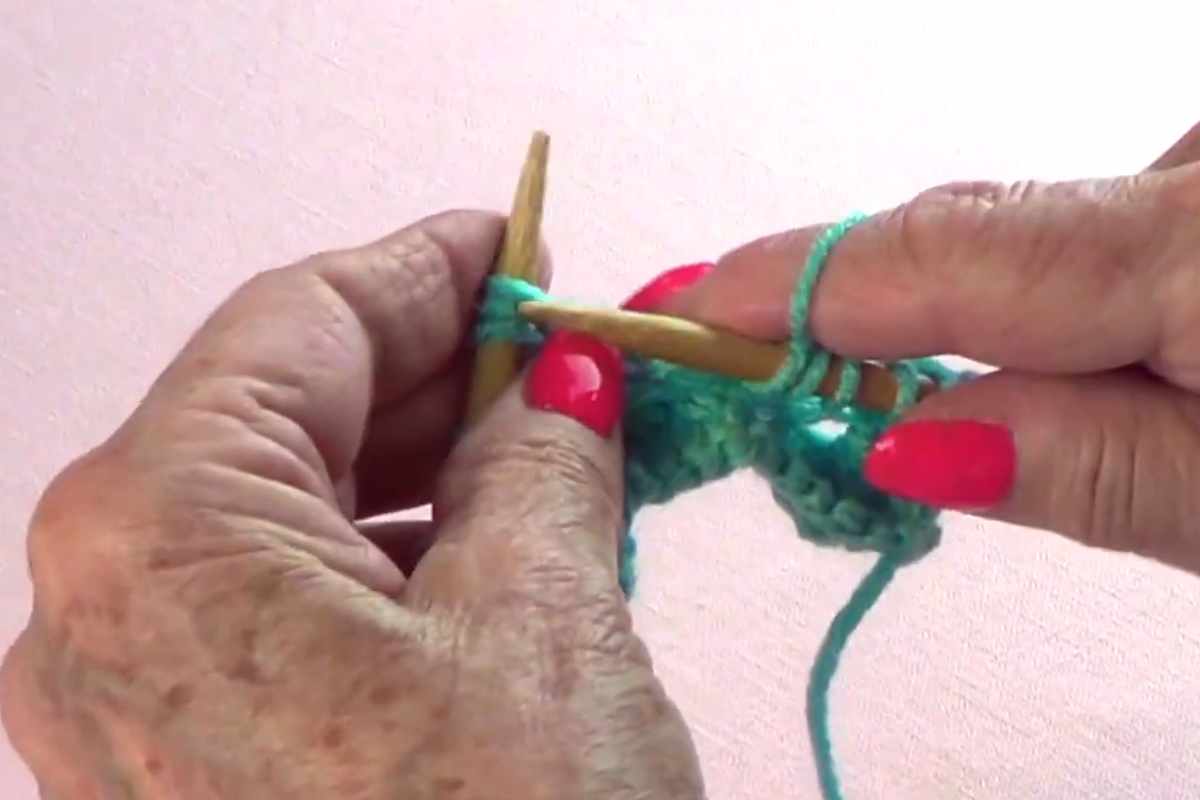
The accompanying video is especially helpful in guiding knitters through the more delicate aspects of the stitch. Techniques like yarn overs and knitting stitches together in specific sequences are demonstrated with clarity, so you can see exactly how the cluster effect is achieved.
Even if you’ve never worked a complex lace before, this tutorial gives you the confidence to try. The explanations are calm, deliberate, and easy to follow, with camera angles that highlight each stitch as it forms.
Ideal for Gifting or Personal Creations
Whether you’re knitting something special for a loved one or crafting just for yourself, this pattern brings a personal touch. Its elegant aesthetic and lightweight feel make it well-suited for handmade gifts that look far more intricate than they are to make.
The pattern also gives off a joyful, hopeful energy—perfect for celebrating new seasons, new beginnings, or simply the pleasure of working with your hands.
With its soft, organic flow and rich detail, the Flower Cluster Knit Stitch offers more than just a pretty texture—it gives knitters a way to turn simple yarn into something fresh and full of life. If you’re looking for your next eye-catching stitch, this one delivers beauty with substance.
Images and patterns courtesy of JoannesWeb
Enjoy The Video Tutorial

Source: JoannesWeb
You may also like