
Knitting Charts: 9 Essential Symbols Explained


Knitting Charts turn rows of stitches into visual roadmaps. If you’re exploring Different Knitting Stitches or comparing Types Of Knitting Stitches, charts help you read patterns at a glance and spot repeats, decreases, and color changes.
Whether you Learn To Knit today or aim for Advanced Knitting tomorrow, this guide breaks down nine core symbols you’ll meet in most Knitting Graphs and Colorwork Knitting Charts.
Before to Start
For a quick refresher on abbreviations and symbols, see our primer: Understanding Knitting Abbreviations and Symbols. New makers often ask for How To Knit For Beginners Step By Step instructions or “Knitting For Beginners How To Start.”
Charts are that step-by-step in picture form. You’ll also see references to Knitting Charts Free resources, All Free Knitting collections, and even Knitting Books that use symbols consistently.
If you prefer video guidance, this walkthrough pairs well with the sections below: Knitting Chart Symbols: Knit, Purl, Yarn Over, and Knit 2 Together. We keep each explanation concise and evenly sized so you can skim and stitch with confidence.
1) Knit Stitch (k)

On many Knitting Charts, a blank square or a vertical line represents a knit on the right side and a purl on the wrong side. This is the fundamental building block that turns charts into fabric, from Simple Knitting scarves to textured swatches.
When you see rows of knit symbols, read them in the chart’s direction (usually right to left on RS, left to right on WS). Pairing knit squares with purl symbols creates texture grids that beginners can follow as easily as prose instructions—ideal for Knitting Ideas Easy.
2) Purl Stitch (p)

A dash or filled dot often marks purls. Together with knit squares, purl symbols form ribbing or seed stitch in the visual language of Knitting Graphs. Alternating knit/purl boxes is faster than decoding long written rows.
If you’re just starting, keep ribbing sections narrow and mirror the chart carefully. For teaching moments—think “How To Knit For Beginners Step By Step”—purl boxes make it clear where texture flips, reducing mistakes.
3) Yarn Over (yo)
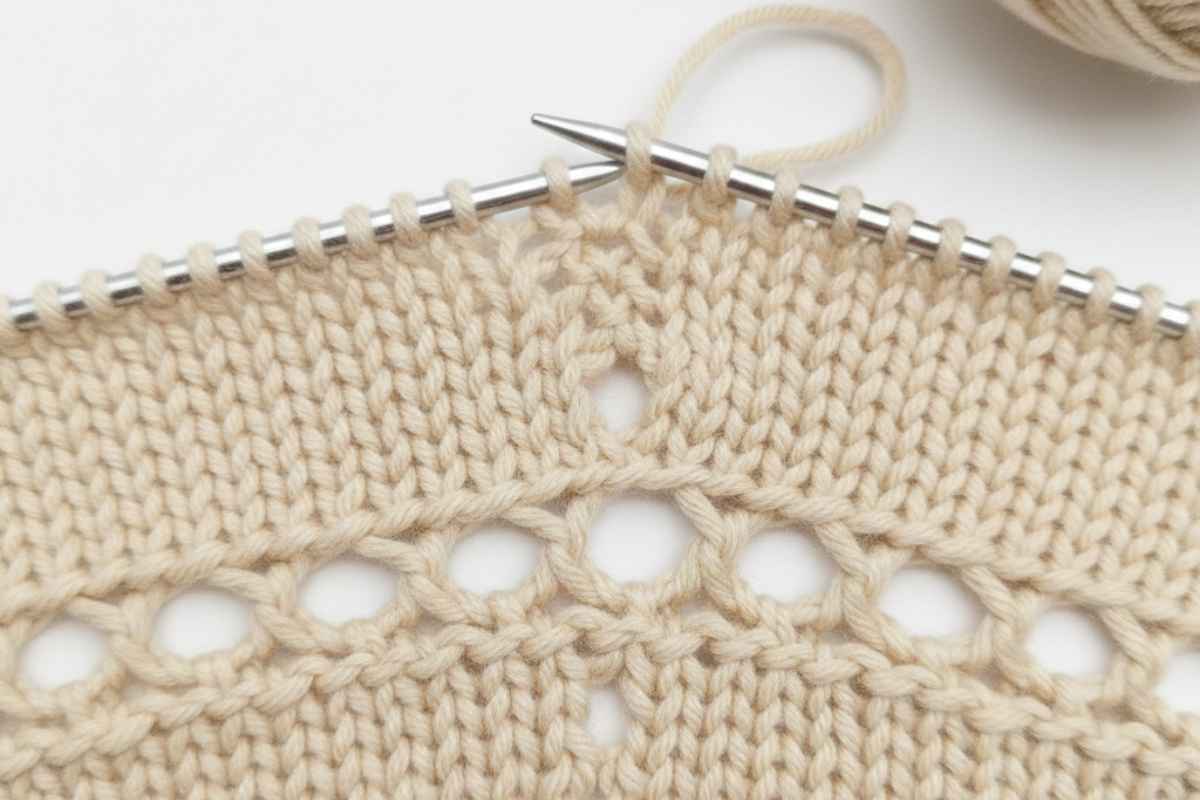
A small “O” or circle signals a yarn over, the cornerstone of lace. It adds one stitch and a decorative eyelet. Combined with decreases, yarn overs maintain stitch counts while shaping patterns.
Because YO increases are so common, many Knitting Books and Knitting Tips chapters highlight them early. In charts, treat a yarn over like any other box: place it where shown and expect a balancing decrease nearby.
4) Knit Two Together (k2tog)

Usually drawn as a right-leaning slash, k2tog decreases one stitch and leans to the right. It pairs beautifully with yarn overs to form tidy lace repeats and diagonal lines in textured motifs.
When following Colorwork Knitting Charts with occasional lace, confirm whether the decrease falls on the color-change row. Keeping color and shaping in sync is a classic Knitting Tips moment.
5) Slip, Slip, Knit (ssk)

Shown as a left-leaning slash, ssk mirrors k2tog and leans left. Designers use ssk/k2tog pairs to keep lace symmetrical or to taper shoulders and hats evenly.
Read both slashes in context: if a motif flows left, use ssk; if it flows right, use k2tog. Mastering these mirrored symbols is a quick win on the road from beginner to Advanced Knitting.
6) Make One (M1) — Lifted Increases

M1, M1L, and M1R appear as caret-like symbols or angled marks. They add stitches invisibly and are the go-to for shaping yokes and gussets without eyelets—an elegant Knitting Increase compared to YO.
Watch the lean (left or right) to maintain symmetrical shaping. Many Knitting Charts Free samplers include both variants so you can practice the difference before tackling garments.
7) Central Double Decrease (CDD)
CDD (often drawn as a vertical diamond) reduces two stitches and centers the decrease, creating a sharp spine in lace or geometric motifs. It’s dramatic but tidy, perfect for chevrons and leaf veins.
Because CDD compresses fabric quickly, check gauge and chart notes. Use markers on repeats—a small habit from the “Learn To Knit” toolkit that still pays off in complex projects.
8) Cable Crosses (Right/Left)
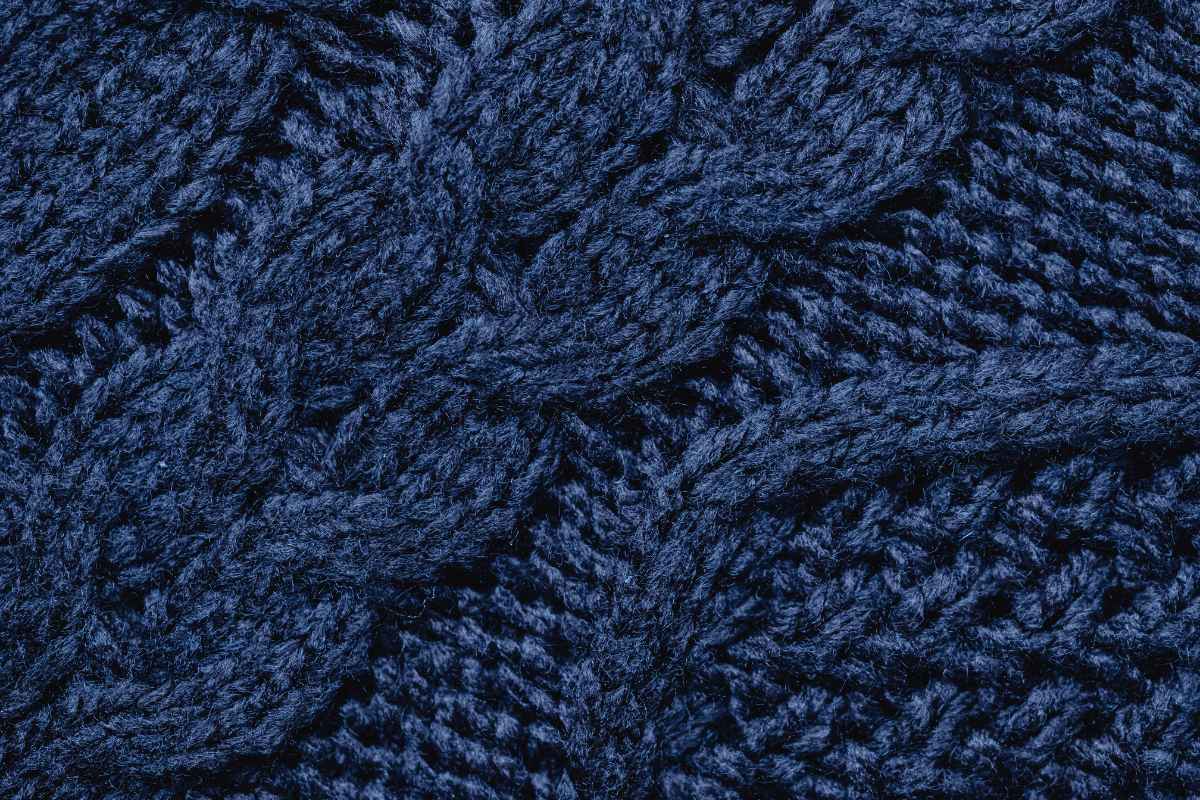
Arcs, brackets, or stacked slashes show cables. A “2/2 RC” or “2/2 LC” box means crossing two stitches over two to the right or left. Follow the arrow or slant to know which side travels on top.
For newcomers, treat cables as visual choreography: the chart tells you who steps over whom. Simple crosses belong in Easy Knitting Patterns Free practice pieces, while multi-panel plaits venture into Advanced Knitting.
9) Colorwork Squares (Stranded, Intarsia & Double)

Solid-filled boxes mean a specific color; empty boxes mean the background. In stranded work—often called Colourwork Knitting or Color Work Knitting—you’ll carry floats across the back to draw motifs. This is the language behind Fair Isle Knitting Patterns Charts and many Colorwork Knitting Charts.
For block motifs and large fields, Intarsia Knitting Charts split colors into separate yarn sources with no floats. Reversible motifs use Double Knitting Charts, where each square implies a pair of stitches in swapped colors.
Working Smarter With Charts
Highlight repeats, circle special stitches, and track rows with a ruler or magnetic board—timeless Knitting Tips from classrooms and Knitting Books. If you prefer digital, many apps let you annotate Knitting Graphs and reverse chart directions for left-handed knitters.
Don’t overlook curated libraries of motifs and practice pieces labeled as All Free Knitting or “samplers.” These are perfect for skill sprints and for testing tension before committing to a sweater.
From Beginner to Confident Maker
If you’re seeking “Knitting For Beginners How To Start,” begin with texture grids, then add yarn overs and basic decreases. Next, try a beginner two-color motif—true Knitting Ideas Easy that still look impressive.
As symbols feel natural, step into cables and small stranded sections. Before long, you’ll read charts the way musicians read notes—an empowering leap beyond written rows. Explore classic stars and peeries in Fair Isle Knitting Patterns Free roundups, or draft your own with graph paper for truly Creative Knitting.
You may also like