
Knitting Stitch Patterns: Easy Video Guide
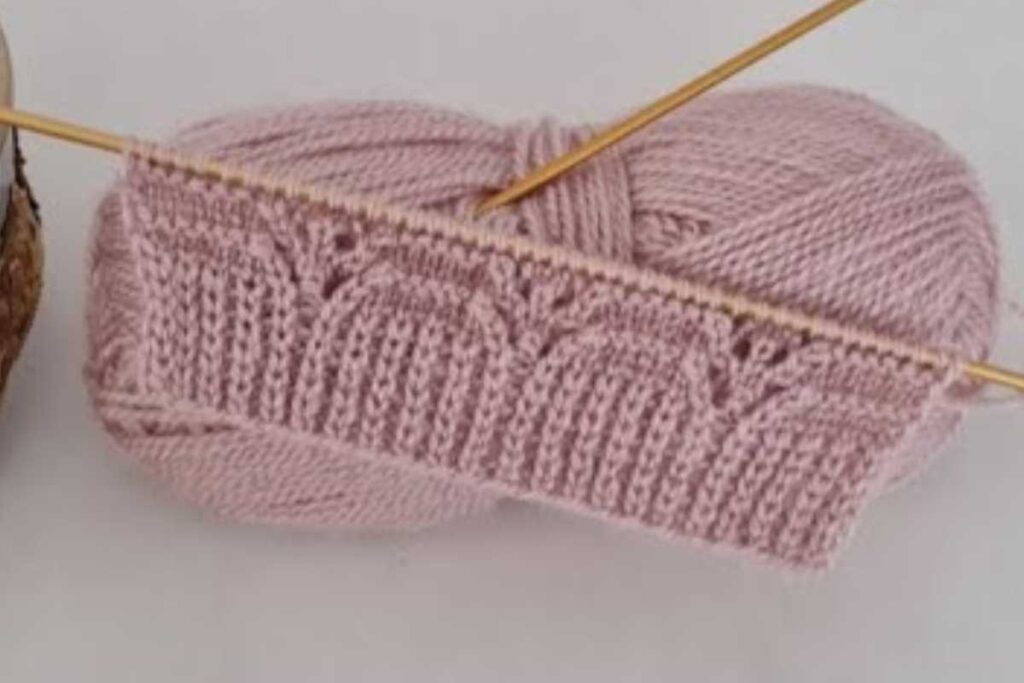
If you’re hunting for knitting stitch patterns that look polished but are friendly for absolute beginners, this video is your on-ramp.
You’ll see the basics unfold in real time—how to read your fabric, keep an even tension, and swap between knit and purl to build texture—so you can move from practice swatches to wearable projects with confidence.
Knitting Stitch Patterns: What You’ll Learn
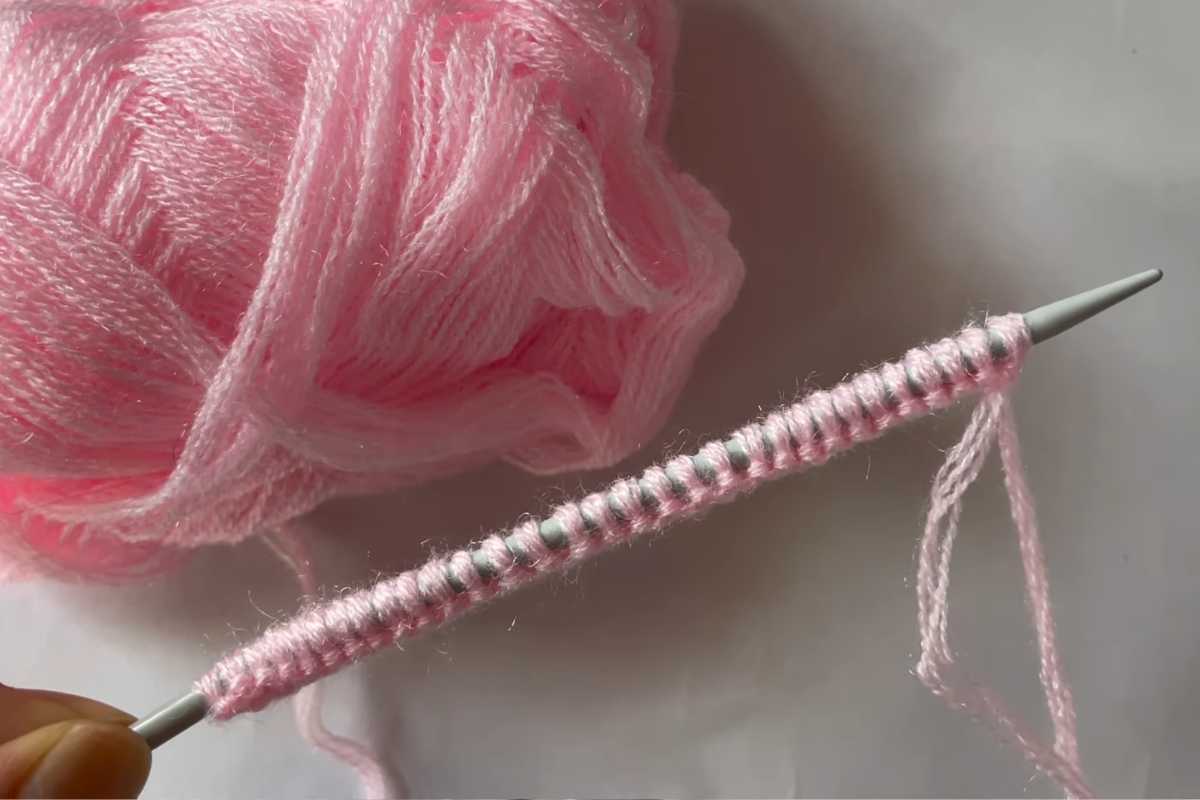

The tutorial walks through essential textures—garter, stockinette, seed, and a simple rib—showing how each fabric behaves and where it shines.
Consider it a compact Knitting Stitches Tutorial that pares down confusion and highlights rhythm, grip, and neat edges.
Along the way, you’ll pick up small fixes that matter: how to correct a twisted stitch, tighten a loose edge loop, and keep columns aligned so every repeat lands cleanly. These fundamentals turn practice into progress fast.
Tools, Yarn, and Setup for Clean Results
Start with mid-size bamboo or wood needles; the slight drag keeps loops from racing away.
Pair them with a smooth, light-colored worsted wool or wool blend so you can see each “V” clearly. Good light and a simple row counter keep your repeats on track while you explore a new stitch knitting pattern without stress.
Before you dive into scarves or hats, cast on 20–30 stitches and knit short samples of each texture. Swatching here isn’t homework—it’s the fastest way to map how your hands make fabric.
Step-by-Step Highlights From the Video

Garter: Knit every row. It’s squishy, lies flat, and forgives wobbly tension—perfect first fabric. This qualifies as an easy knitting stitch that still looks handsome in accessories.
Stockinette: Knit the right side, purl the wrong side. It drapes beautifully but curls; the video shows blocking tricks and border choices to tame the edges.
Seed: Alternate knit and purl every stitch, then offset on the next row. The pebbly texture hides inconsistencies, making it a confidence booster while exploring new stitch patterns knitting.
1x1 Rib: Knit 1, purl 1 across. Stretchy and snug for cuffs and hems; markers help you avoid drifting columns.
From Swatch to Pattern (Without Overwhelm)

The teacher explains how to convert a swatch into a first scarf or cowl: measure gauge, multiply by your target width, and choose a tidy selvedge.
You’ll also see how to read a repeat like “(k1, p1) x 2” and track rows without constantly peeking at a sheet—skills that unlock more adventurous knit stitch patterns free later.
When you’re ready to level up, layer simple repeats—like two rows garter, two rows stockinette—to create subtle stripes and shadow. Small experiments build a personal library of textures you’ll use for years.
Troubleshooting: Tension, Edges, and Row Counting

If your fabric flares or tightens, the video demonstrates quick resets: relax your purl wrap, keep movements compact, and slide stitches down the left needle only as needed.
Lifelines and stitch markers act like seatbelts, catching mistakes early and saving time.
Edge polish matters. The “slip first stitch purlwise with yarn in front” trick yields a tidy chain along the sides—great for seaming or leaving edges exposed on blankets and scarves.
Learning Path and Free Resources
Use the recording as a base camp, then practice one texture a night for a week. Pair that routine with swatch labels—yarn, needle size, and rows—so you can reference what worked.
As you grow, you’ll feel ready to explore Easy Knitting Stitches Free samplers and Knitting Patterns Easy Free accessories sourced from reputable designers.
Prefer visuals? Screenshot the row where the instructor flips from knit to purl and keep it in your notes. Those mini cues make any future Knitting Stitches Tutorial easier to follow.
Who This Video Helps Most
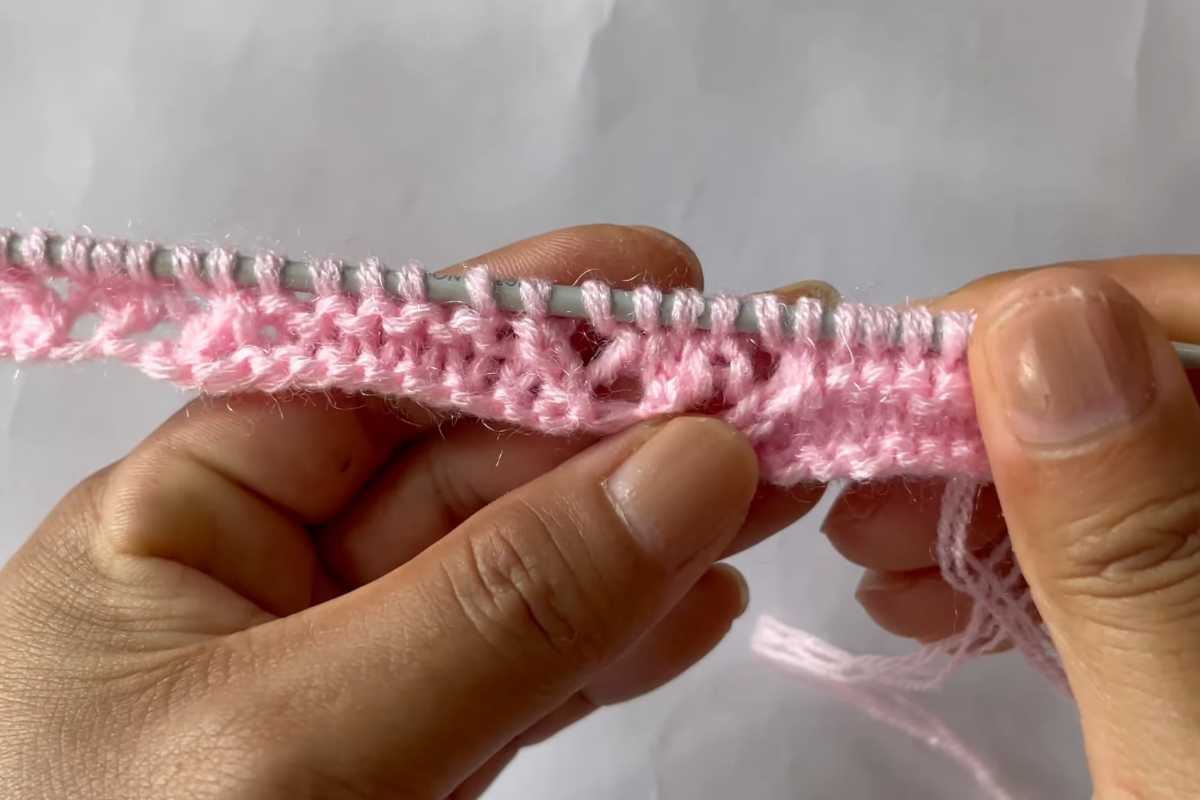
Complete beginners who want a calm, structured introduction; returning knitters rebuilding muscle memory; and crocheters crossing over.
If you’ve ever searched “stitch patterns knitting” and felt overwhelmed, this clear pacing and close-up camera work will feel like a private lesson.
By the end, you’ll know which textures you like, how to keep them consistent, and how to turn practice into a simple scarf—proof that learning can be relaxing and creative at the same time.
Images and patterns courtesy of knit with me
Watch the Video Tutorial
Press play to practice along, pausing after each repeat. Save the link and revisit as your skills grow.

Source: knit with me
Last update on 2026-01-02 / Affiliate links / Images from Amazon Product Advertising API


You may also like