
Sentro Knitting Machine Projects: Real-World Lessons


If you’re curious about sentro knitting machine projects but wonder how cheap handheld tools behave in real life, this video is gold.
It follows a maker wrestling with a fragile crank and tension gremlins, turning frustration into a finished piece—and practical takeaways you can apply to any Knit Machine Projects workflow.
What You’ll Learn From A Tough Test Drive

The creator starts with a budget handheld Knit Machine and quickly hits snags: a broken crank, uneven stitch pickup, and yarn drag.
Instead of quitting, they troubleshoot on camera, showing how minor setup changes can stabilize results and keep momentum.
Watching failure points up close is surprisingly useful. You’ll leave with a checklist for smoother sessions on sturdier Knitting Machines, including Sentro or any small Circular Knitting Machine you own.
Translating Lessons To Sentro

While the tool in the video isn’t branded Sentro, the fixes map directly to a Sentro Knitting Machine: yarn path alignment, consistent feed angle, and gentle cadence on the handle. These habits prevent skipped stitches and reduce wear on gears.
If you’re learning how to use sentro knitting machine tools, treat this as a reality check: stable clamping, smooth yarn tension, and patient cranking matter more than fancy yarns. The same logic scales to hats, tubes, and panels.
Patterns, Panels, And Practical Builds
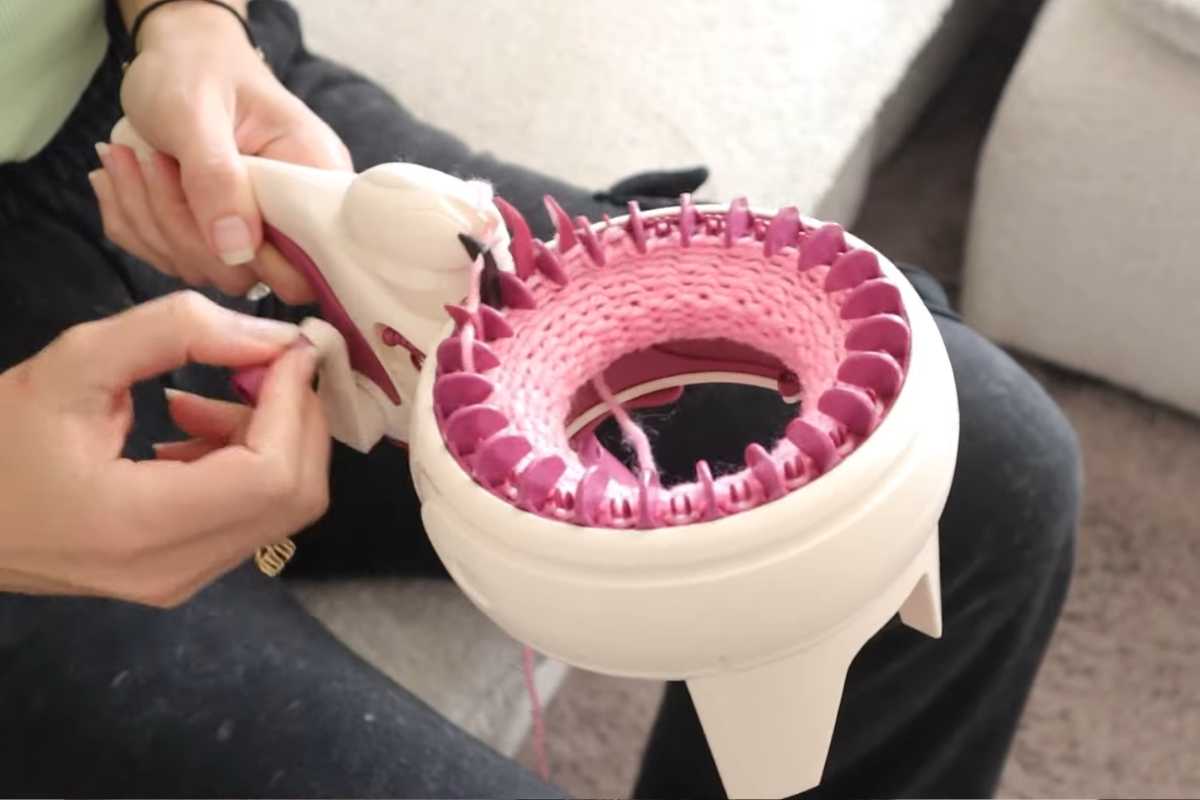
Simple panels are a safe start for Sentro Knitting Machine Patterns. Practice even rows, then seam into scarves, headbands, or pocket panels. Controlled experiments—one yarn, one tension change at a time—build muscle memory fast.
Ready to branch out? Convert tubes into beanies, leg warmers, or sleeves. These modular wins keep your sentro knitting machine projects moving even when time is short.
Tension & Crank Care: Avoiding the Pitfalls
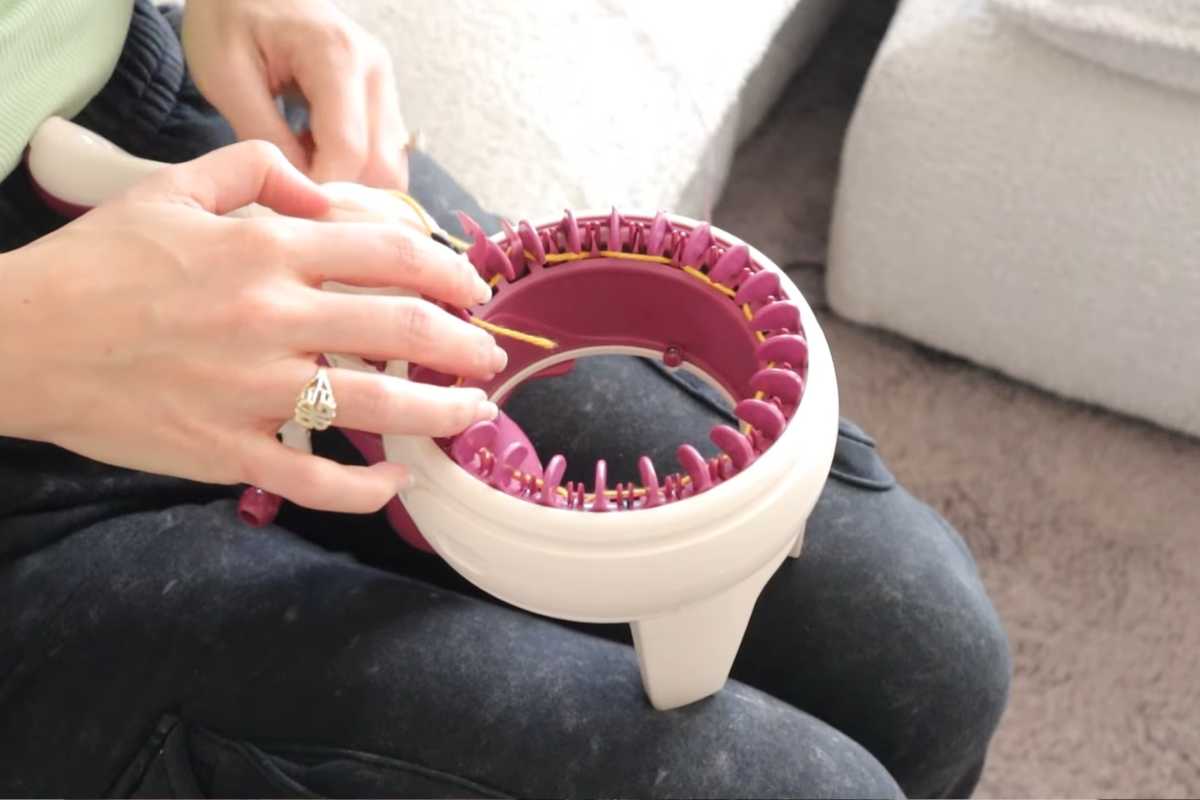
Most jams trace back to yarn friction. Use smooth feeders, avoid splitting fibers, and guide yarn with a relaxed wrist. Short breaks prevent overheating plastic parts on small Knitting Machines and protect the crank.
If your handle feels wobbly, stop and inspect. A touch of food-safe silicone on guides (never on needles) and a better clamp can save a session on any Circular Knitting Machine.
Project Ideas To Build Confidence

Start with a rib-look headband, then a minimal tube beanie. Add color-block panels for bags or cushions. Each success reinforces the habits you’ll use in bigger forest painting—kidding!—bigger knitting goals.
When you’re comfortable, pair panels for a micro-cardigan or sleeve warmers. You’ll be iterating through Sentro Knitting Machine Patterns with fewer hiccups and more creative control.
Who This Video Helps
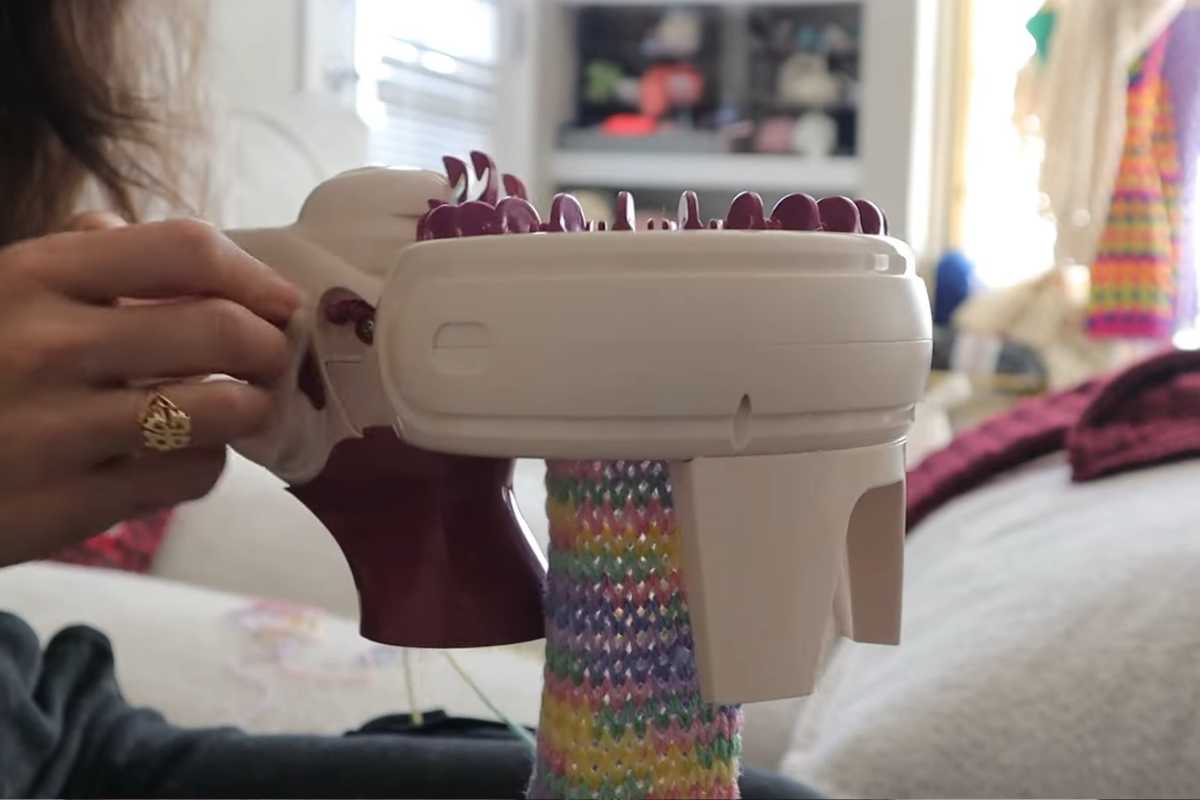
Beginners who want honest, hands-on troubleshooting instead of glossy perfection. If you’ve ever fought with tension or worried about durability, this candid demo will help you set realistic expectations and still finish strong.
Credit: all design choices, filming, and on-screen instruction belong to the original YouTube creator. We’re sharing highlights to help you decide if the process fits your time, yarn, and machine.
Images and patterns courtesy of The Snugglery
Watch The Full Video Tutorial

Source: The Snugglery
You may also like