
10 Essential Outdoor Skills Every Adventurer Should Master

Embarking on an outdoor adventure is a thrilling experience, but it comes with its challenges.
To ensure your safety and maximize your enjoyment, mastering certain Essential Outdoor Skills is crucial.
Whether you're a seasoned hiker or a novice camper, these skills will equip you to handle whatever the wilderness throws your way.
Essential Outdoor Skills: What You Need to Know
Understanding Essential Outdoor Skills is the first step to becoming a confident adventurer.
These skills not only prepare you for emergencies but also enhance your overall outdoor experience.
From navigating through dense forests to starting a fire in wet conditions, these skills are the backbone of any successful adventure.
1. Navigation
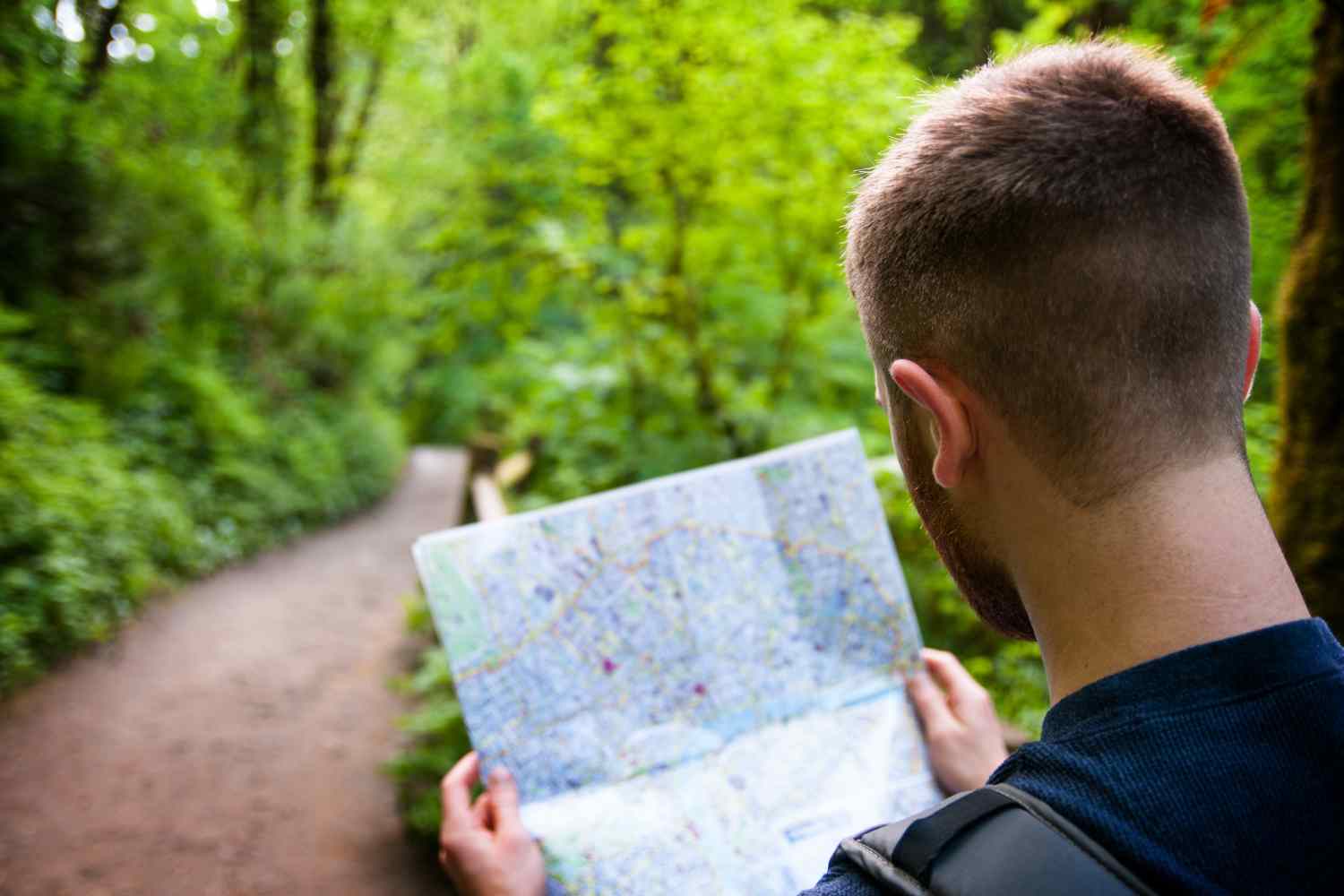
One of the most Essential Outdoor Skills is knowing how to navigate. Whether you're using a traditional map and compass or a modern GPS device, understanding your location and how to reach your destination is vital.
Being able to read a topographic map, recognize landmarks, and understand the terrain can prevent you from getting lost in unfamiliar surroundings.
Tips for Improving Your Navigation Skills:
- Practice map reading and compass use in a controlled environment before heading into the wild.
- Familiarize yourself with GPS devices, but don’t rely solely on them; always have a backup.
- Learn to recognize natural landmarks and use them for orientation.
2. Fire Starting
Fire is essential for warmth, cooking, and even signaling for help. Knowing how to start a fire in various conditions is an Essential Outdoor Skill that every adventurer should master.
Whether it's with matches, a lighter, or more primitive methods like flint and steel, being able to build a fire can be a lifesaver.
Tips for Successful Fire Starting:
- Always carry multiple fire-starting tools, such as waterproof matches, a lighter, and a fire starter.
- Gather dry tinder and kindling even before you need to start a fire.
- Practice building a fire in different weather conditions, such as in the rain or snow.
3. Shelter Building
Being able to construct a shelter is another critical Essential Outdoor Skill.
A shelter protects you from the elements, keeps you warm, and can even help prevent hypothermia.
Whether you're using a tent, a tarp, or natural materials, knowing how to build a sturdy shelter is key to your survival.
Tips for Building a Shelter:
- Choose a shelter location that’s safe from natural hazards like falling branches or flooding.
- Learn to build various types of shelters, such as lean-tos, A-frame shelters, and snow caves.
- Practice setting up a tent quickly and efficiently, especially in poor weather conditions.

4. Water Sourcing and Purification
Water is essential for survival, and knowing how to find and purify it is an Essential Outdoor Skill.
In the wilderness, water sources are not always clean or easily accessible, so being able to locate and make water safe to drink is crucial.
Tips for Sourcing and Purifying Water:
- Learn to identify natural water sources such as rivers, streams, and lakes.
- Always carry a water purification system, such as a filter, tablet, or portable purifier.
- Understand the basics of boiling water to remove harmful bacteria and pathogens.
5. First Aid
Injuries and accidents can happen at any time during an adventure. Having basic first aid skills is an Essential Outdoor Skill that can prevent minor injuries from becoming major problems.
From treating cuts and bruises to handling more serious emergencies, first aid knowledge is vital.
Tips for Outdoor First Aid:
- Carry a well-stocked first aid kit tailored to your adventure.
- Learn how to treat common outdoor injuries, such as blisters, sprains, and insect bites.
- Consider taking a wilderness first aid course to improve your skills.
6. Weather Prediction
Being able to predict weather changes is an invaluable Essential Outdoor Skill.
Weather conditions can change rapidly in the wilderness, and understanding how to read the sky and other natural indicators can help you stay safe.
Tips for Weather Prediction:
- Learn to read clouds and other natural signs that indicate impending weather changes.
- Always check the weather forecast before heading out, but be prepared for sudden changes.
- Understand the implications of temperature drops, wind changes, and humidity levels.

7. Wildlife Awareness
Knowing how to coexist with wildlife is an important Essential Outdoor Skill. While wildlife encounters can be thrilling, they can also be dangerous.
Understanding animal behavior and knowing how to avoid or safely interact with wildlife is crucial.
Tips for Wildlife Awareness:
- Educate yourself on the local wildlife before your adventure.
- Keep a safe distance from animals, and never feed wildlife.
- Learn how to properly store food and dispose of waste to avoid attracting animals to your campsite.
8. Knot Tying
Knot tying is an often overlooked but highly useful Essential Outdoor Skill.
Whether you're securing a tent, hanging a bear bag, or setting up a tarp, knowing a few key knots can make your outdoor experience much smoother.
Tips for Knot Tying:
- Master a few basic knots, such as the bowline, clove hitch, and taut-line hitch.
- Practice tying knots in different situations, such as in the dark or with gloves on.
- Learn how to properly coil and store rope to avoid tangles.

9. Food Sourcing and Preparation
Understanding how to source and prepare food in the wilderness is a critical Essential Outdoor Skill.
Whether you’re foraging, fishing, or simply preparing meals from your supplies, knowing how to safely handle and cook food is essential.
Tips for Food Sourcing and Preparation:
- Learn to identify edible plants and avoid poisonous ones.
- Practice fishing and basic trapping techniques if allowed and needed for survival.
- Always pack sufficient food supplies and know how to prepare simple, nutritious meals in the wild.
10. Leave No Trace Principles
Finally, adhering to Leave No Trace principles is an Essential Outdoor Skill that every adventurer should master.
These principles help protect the environment and ensure that the wilderness remains pristine for future generations.
Tips for Practicing Leave No Trace:
- Always pack out what you pack in, including all trash and waste.
- Stick to designated trails and campsites to minimize your impact on the environment.
- Respect wildlife and other visitors by keeping noise levels low and leaving nature undisturbed.
Mastering these Essential Outdoor Skills will not only enhance your outdoor adventures but also ensure that you can handle the unexpected challenges that nature often presents.
Whether you're a weekend hiker or a full-time explorer, these skills are the foundation of safe and enjoyable outdoor experiences.
Did you find this post useful or inspiring? Save THIS PIN for later in your Outdoor Board on Pinterest! 😊

Explore these outdoor tips too