
3-Minute Camping Trailer Pre-Trip Checklist
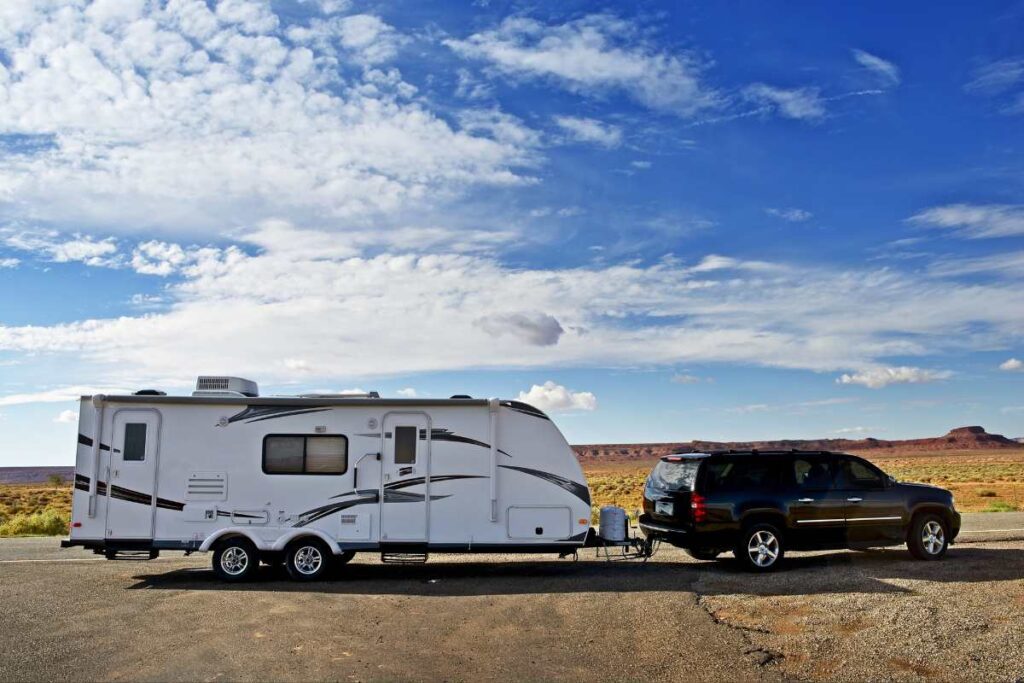
If you tow a Camping Trailer, most road issues can be prevented before you shift into drive. This fast, field-ready checklist takes under three minutes and slashes the chance of flats, sway, and electrical surprises.
Think of it as your pocket “go/no-go” before any weekend escape or long-haul trip—simple habits that keep you safer and help you Plan Camping Trip Efficiently.
Intro: Prevent 80% of Problems Before You Roll
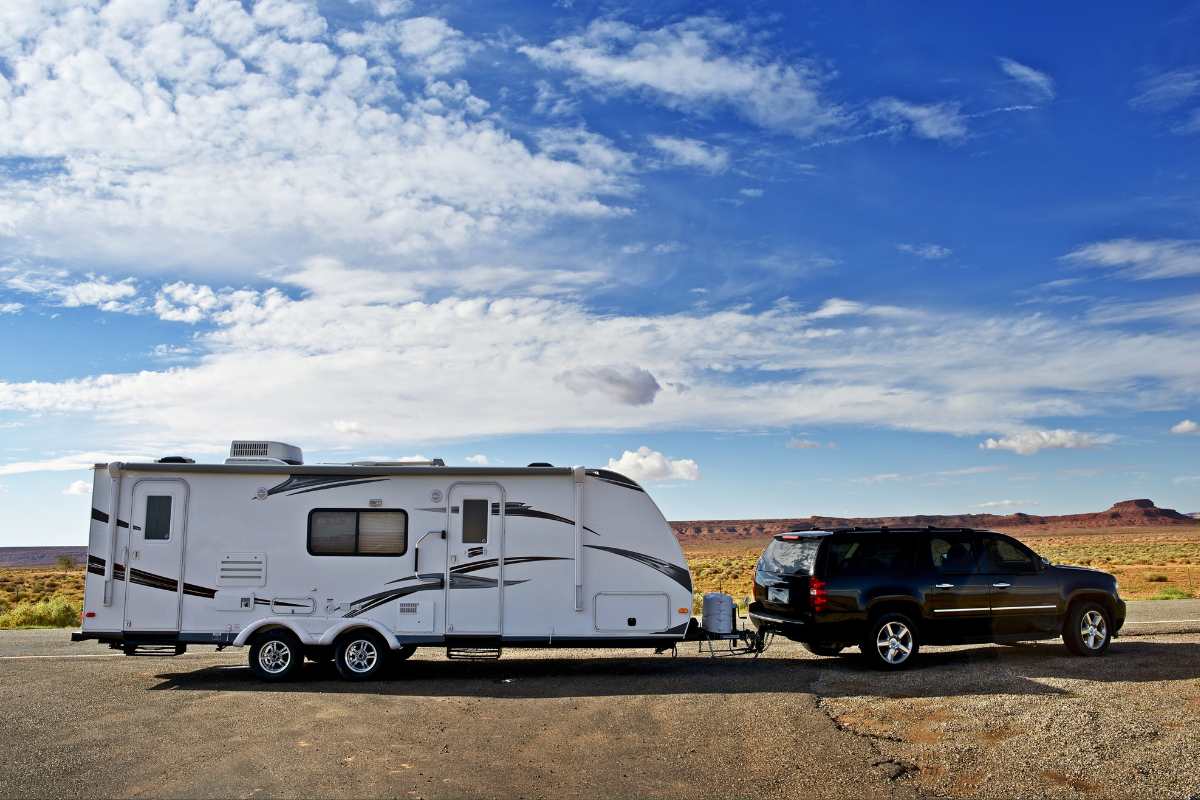
Breakdowns rarely come out of nowhere. They’re usually the last straw of small, missed cues—soft tires, a loose pin, a dim brake light. A quick walk-around catches those cues.
The goal is confidence: you leave the driveway knowing the trailer tracks straight, lights signal clearly, and the load is balanced.
Use the same order every time so you never skip a step. Keep a compact toolkit in the front box and store spares where your hands can find them in the dark. This ritual turns stress into muscle memory for Travel Trailer Camping.
Wheels & Suspension: Pressure, Lug Nuts, Bearings, Jack
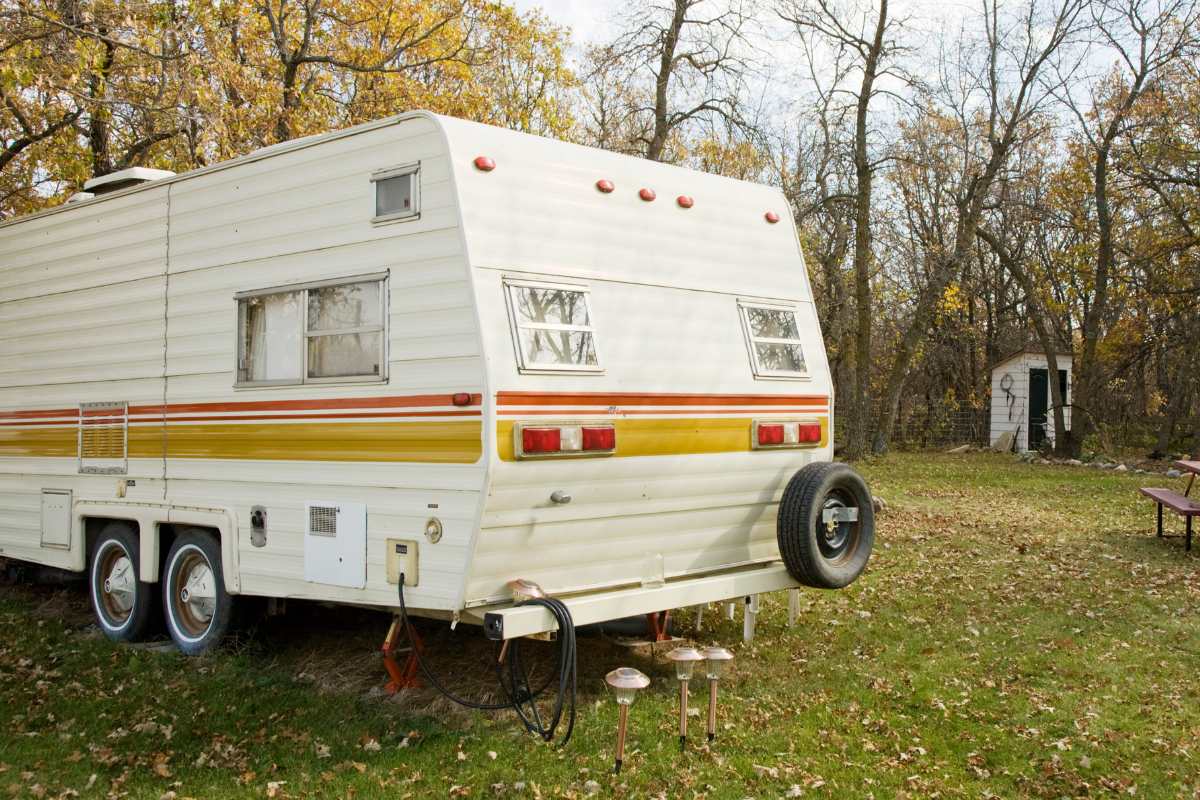
Pressure: Check cold PSI against the sidewall rating. Underinflation causes heat buildup; overinflation reduces contact patch. A pencil gauge lives in the tongue box—use it.
Lug nuts: Give each a quick pass with a torque wrench; if you’ve rotated tires recently, re-torque after 50–100 miles.
Bearings: Spin each wheel by hand; it should feel smooth and quiet. Any grind or wobble is a stop-sign.
Jack & tools: Verify your scissor or bottle jack can lift the axle and that your wrench fits the lugs. A 2×6 wood block helps on soft shoulders. These 60 seconds save hours on the shoulder.
Hitch & Safety Chains: Pin, Clip, Crossed Chains, Level Height
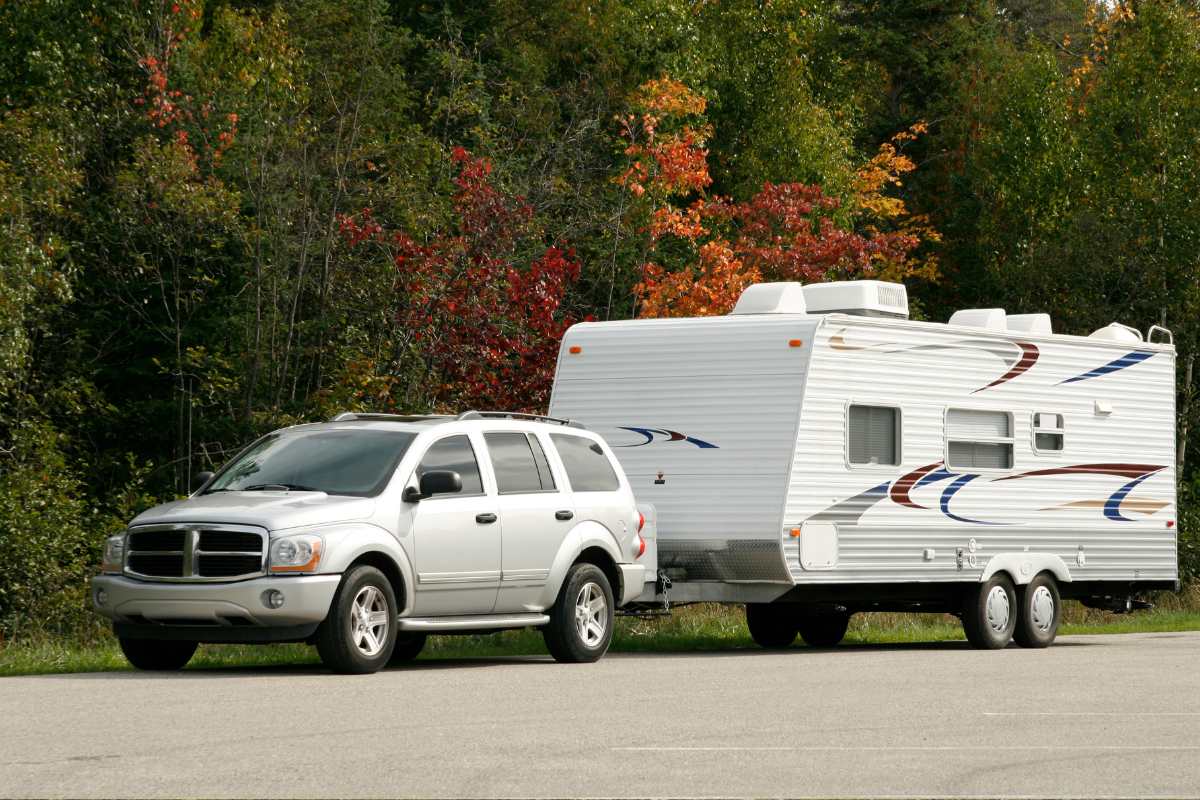
Seat the coupler fully on the ball, lock the latch, and insert the hitch pin plus safety clip (chaveta). Tug up to confirm engagement.
Cross the safety chains under the tongue so they can cradle it if the hitch fails; adjust length so they don’t drag yet still allow turning.
Plug in the breakaway cable to the tow vehicle—not to the chains—and check that the tongue sits level.
If the nose rides high or low, weight will shift poorly and invite sway. Adjust the hitch height or load position until the trailer runs level.
Electric System: Lights, Plug, Fuses, Charged Battery

Connect the 7-pin/4-pin plug and do a quick light dance: hazards, brake, left, right, and running lights. Dim or dead? Inspect the plug for corrosion and reseat firmly. Keep dielectric grease in your kit to protect contacts.
Open your fuse panel and scan for spares. Glance at the voltmeter on your house battery; a healthy charge means your brake controller and interior systems won’t brown out. A 30-second check here keeps you legal and visible when rain hits.
Load & Balance: 60% Ahead of Axle, Heavy Low and Centered

Trailer stability hinges on balance. Aim for roughly 10–15% tongue weight and keep about 60% of mass ahead of the axle.
Place dense items—water, tools, canned food—low and close to the centerline. High or rear-biased loads amplify sway, especially in crosswinds and at highway speeds.
Inside storage bins, use soft totes and dividers; they reduce rattle and make camping trailer organization painless. A tidy interior also speeds camp setup and teardown for smoother Travel Trailer Camping days.
Emergency Readiness: Fire Extinguisher, Triangles, Tow Strap
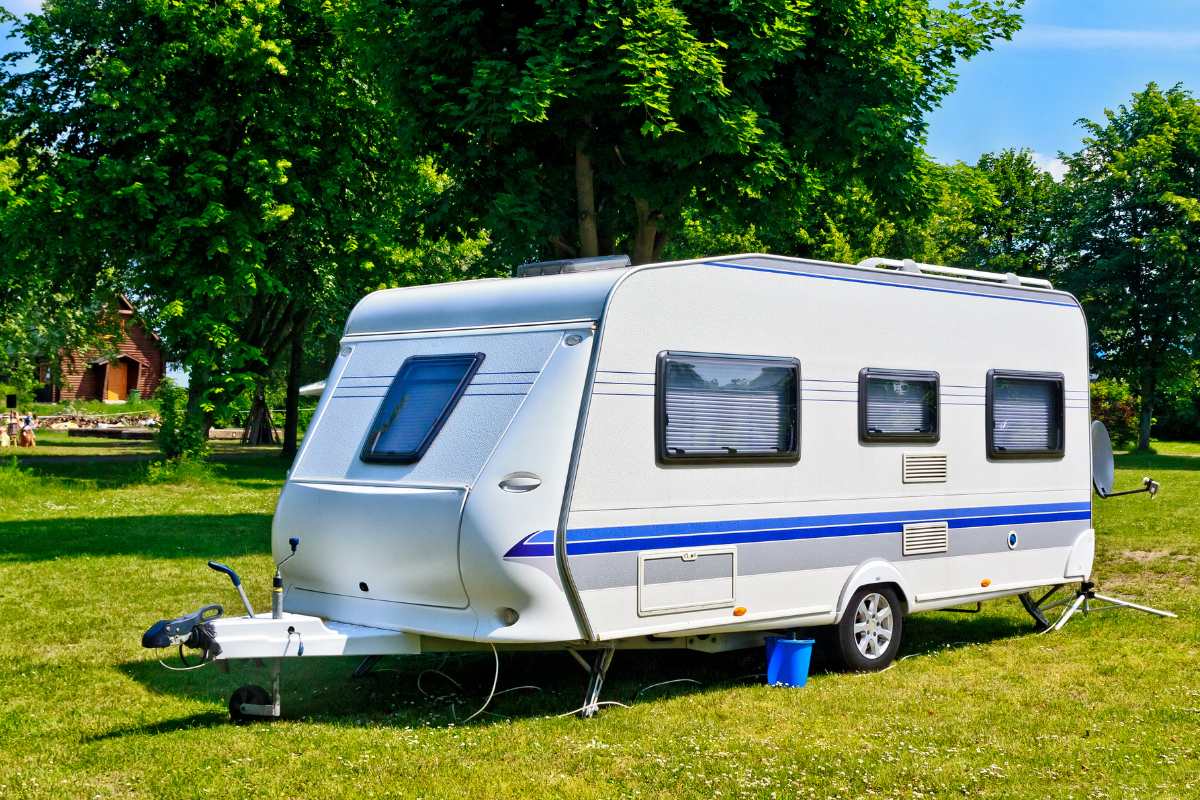
Verify your extinguisher’s gauge is in the green and that it’s accessible without unloading half the cargo. Keep two reflectors or triangles in the door pocket so you can deploy them quickly on blind curves or at night.
A rated tow strap, gloves, and a compact first-aid kit round out the set. If you ever need them, seconds count—know exactly where they live and teach your co-pilot the same.
The 3-Minute Flow (Memorize This Order)
Walk-left: Tires/pressure, lugs, springs/leafs visual, lights front to rear. Tongue: Ball seated, latch + pin/clip, crossed chains, breakaway cable, plug seated. Walk-right: Repeat tire and light check, peek under for leaks or dangling straps.
Final stance: Confirm level tongue height, load bias forward, doors/compartments locked, chocks removed, mirrors extended. Start rolling and test brakes/signals within the first block.
Smart Time-Savers (Real-World Hacks)
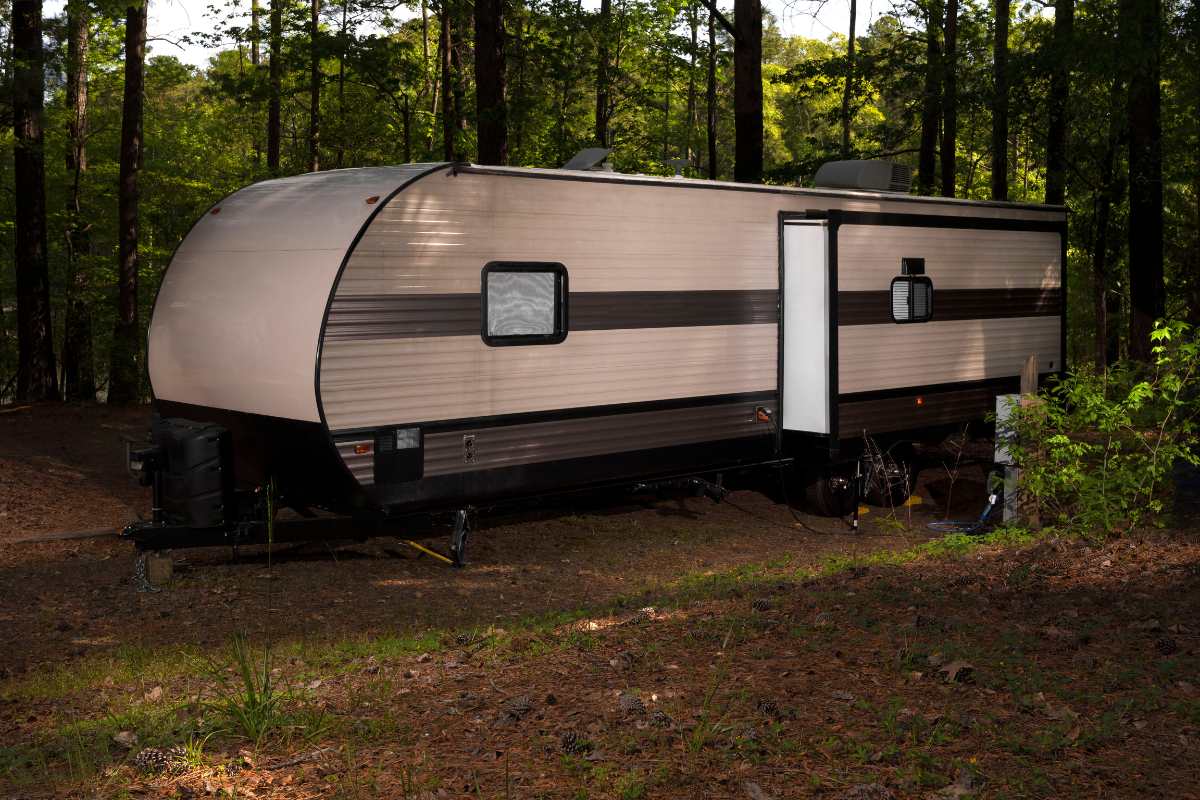
Color-code keys and keep a laminated trailer camping checklist at the door. Add a headlamp to the tongue box. Pre-set torque and PSI notes on masking tape inside the lid. These small travel trailer camping hacks shave minutes every departure.
Create a seasonal travel trailer camping checklist too: bearing service intervals, breakaway battery test dates, and tire age. Routine beats memory when life gets busy.
When to Turn Around (Red Flags)
Hot hubs, pronounced wobble, or repeated light failures mean “stop and fix,” not “it’ll be fine.” Sway at moderate speeds points to poor balance or low tongue weight—repack immediately. A dragging chain or sparking plug wire is a roadside fire risk.
Your rule: if something feels off, it is. A ten-minute fix at home beats an hour on the shoulder waiting for help.
Before You Park at Camp

On arrival, repeat a mini walk-around: lugs, plug, and chains. Note any hot spots or scuffs and add them to your maintenance list.
Good habits extend tire life, keep bearings happy, and protect your investment in Outdoor Boots and other trail gear you carry inside.
With consistency, this routine becomes second nature. You’ll spend less time troubleshooting and more time exploring.
Wrap-Up
This simple, repeatable routine is your practical insurance policy. It keeps you safer, protects your gear, and makes the drive calmer. Save this guide to your phone and turn it into a pre-departure ritual.
Want more setup, storage, and tow tips? Explore our organization guides, maintenance templates, and route planning to Plan Camping Trip Efficiently—plus more ideas for Hiking Shoes, Adventure Boots, and campsite comfort. Happy trails!
Explore these outdoor tips too