
Exploring Sunken Cities: A Guide to Underwater Archaeology
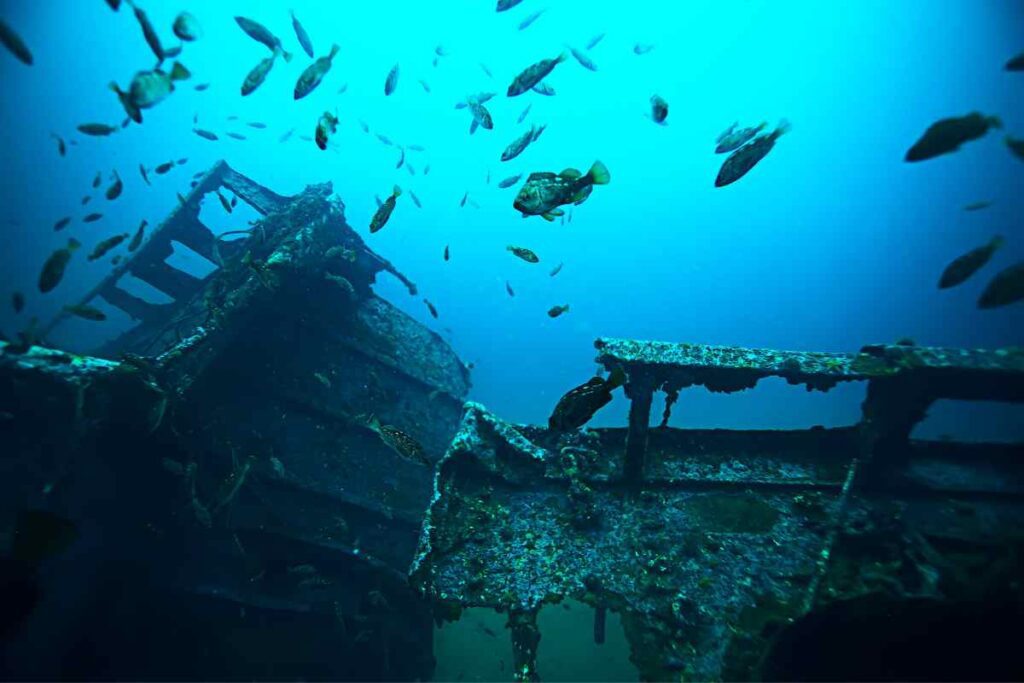
Sunken cities have always fascinated archaeologists and history enthusiasts alike.
These submerged remnants of ancient civilizations lie hidden beneath the ocean's surface, offering a glimpse into the past that is both mysterious and intriguing.
From lost metropolises to ancient trade hubs, sunken cities provide valuable insights into the way people lived, worked, and interacted with their environment.
In this guide, we'll look at underwater archaeology, including how these sites are found, studied, and preserved.
Sunken Cities: Windows to the Past
Sunken cities are essentially ancient settlements that have been submerged due to natural disasters, rising sea levels, or other environmental changes.
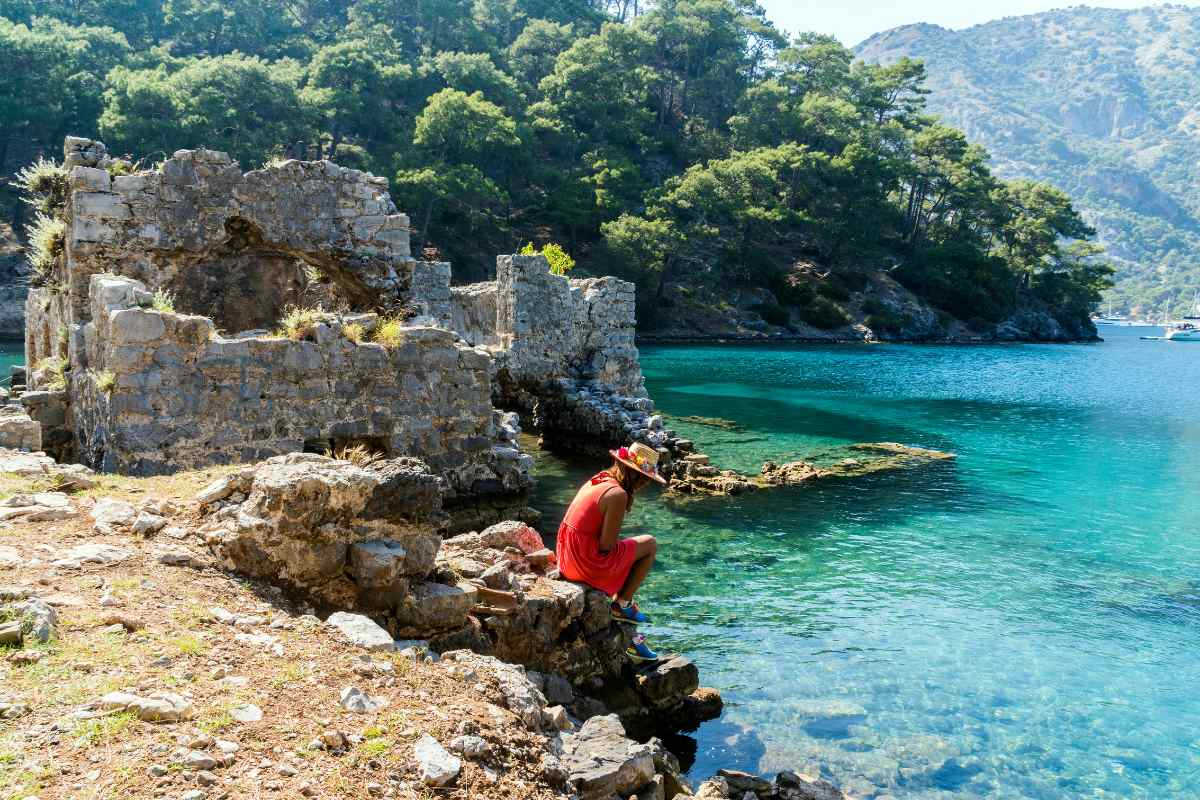
These sites are often well-preserved, thanks to the water's ability to protect structures from weathering and human interference.
The study of sunken cities allows archaeologists to uncover unique aspects of history that are not accessible through terrestrial archaeology, such as shipwrecks, submerged buildings, and artifacts that have been hidden for centuries.
The Importance of Underwater Archaeology

One of the primary goals of underwater archaeology is to preserve historical sites that have been submerged.
Water can act as a protective barrier, keeping artifacts in a state of preservation that would not be possible on land.
Underwater archaeologists use various techniques to carefully excavate and document these sites without causing damage.
The preservation of sunken cities helps maintain the historical integrity of these locations for future generations.
Uncovering Ancient Cultures
By studying sunken cities, archaeologists can gain a deeper understanding of ancient cultures.
These submerged sites often contain well-preserved artifacts, such as pottery, tools, and even human remains, which provide valuable insights into the daily lives of past civilizations.
The study of these artifacts helps historians reconstruct ancient trade routes, understand cultural exchanges, and explore the social structures of the time.
Solving Historical Mysteries
Underwater archaeology can also help solve some of the world’s greatest historical mysteries. Many sunken cities are associated with legends and myths, such as the famous lost city of Atlantis.
While some of these stories are purely mythical, others may have a basis in reality. Through careful exploration and analysis, archaeologists can piece together the truth behind these fascinating tales.
Techniques Used in Underwater Archaeology
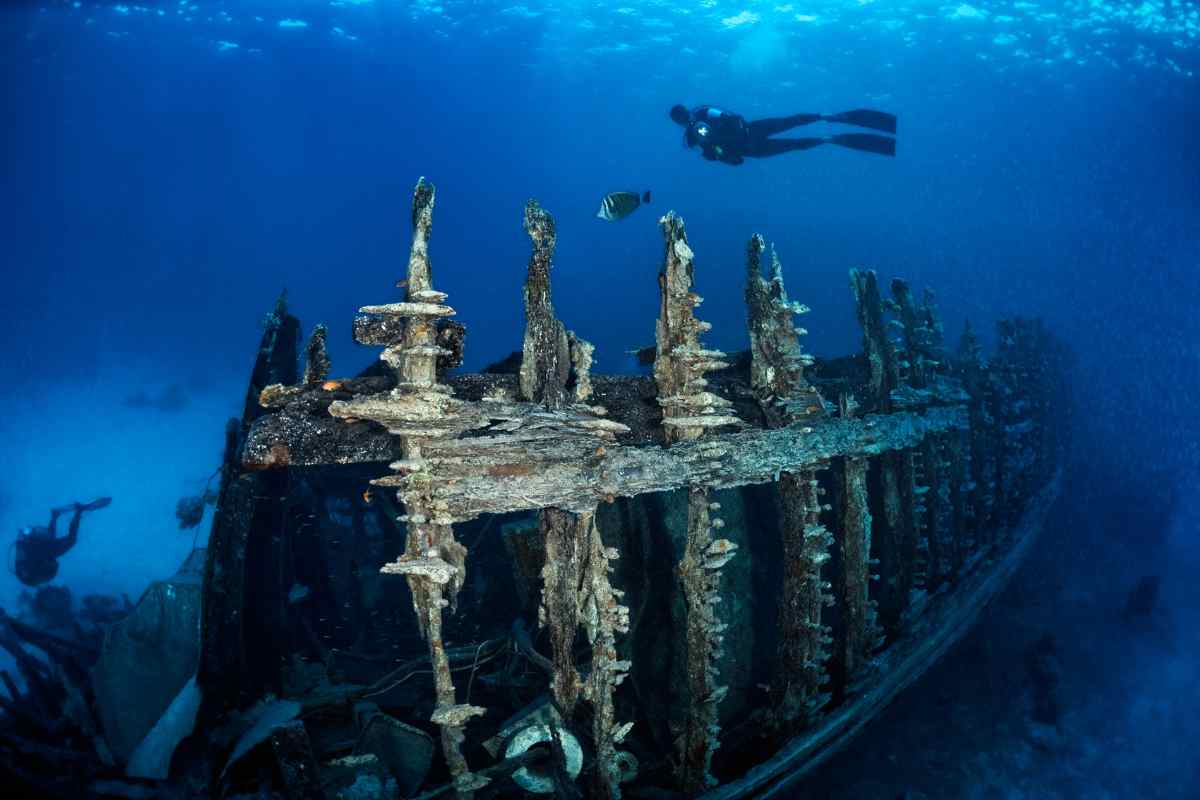
Before any excavation begins, underwater archaeologists survey the site to map its layout and identify areas of interest.
This process often involves the use of sonar technology, which sends sound waves to the ocean floor and measures the time it takes for them to return.
This data is used to create detailed maps of the submerged site, allowing archaeologists to plan their excavation carefully.
Diving and Excavation
Once a site has been mapped, divers use specialized equipment to carefully excavate the area. Underwater excavation is a delicate process that requires a steady hand and a thorough understanding of the site’s layout.
Divers use tools like dredges, airlifts, and water pumps to remove sediment and uncover artifacts without causing damage.
The excavation process can take years, as archaeologists must work slowly and methodically to preserve the integrity of the site.
Documentation and Conservation
After excavation, all artifacts and structures are carefully documented and photographed. This documentation is crucial for preserving the context of each find, which is essential for understanding the site as a whole.
Artifacts are then brought to the surface for conservation. Conserving artifacts from sunken cities is a complex process that often involves removing salt and other minerals, stabilizing fragile materials, and preventing further deterioration.
Notable Sunken Cities Around the World
Alexandria, Egypt

The ancient city of Alexandria is one of the most famous sunken cities in the world.
Located on the Mediterranean coast of Egypt, much of the city, including the famous Lighthouse of Alexandria, was submerged due to earthquakes and rising sea levels.
Today, underwater archaeologists have uncovered statues, temples, and other structures that offer a glimpse into the city’s rich history.
Pavlopetri, Greece
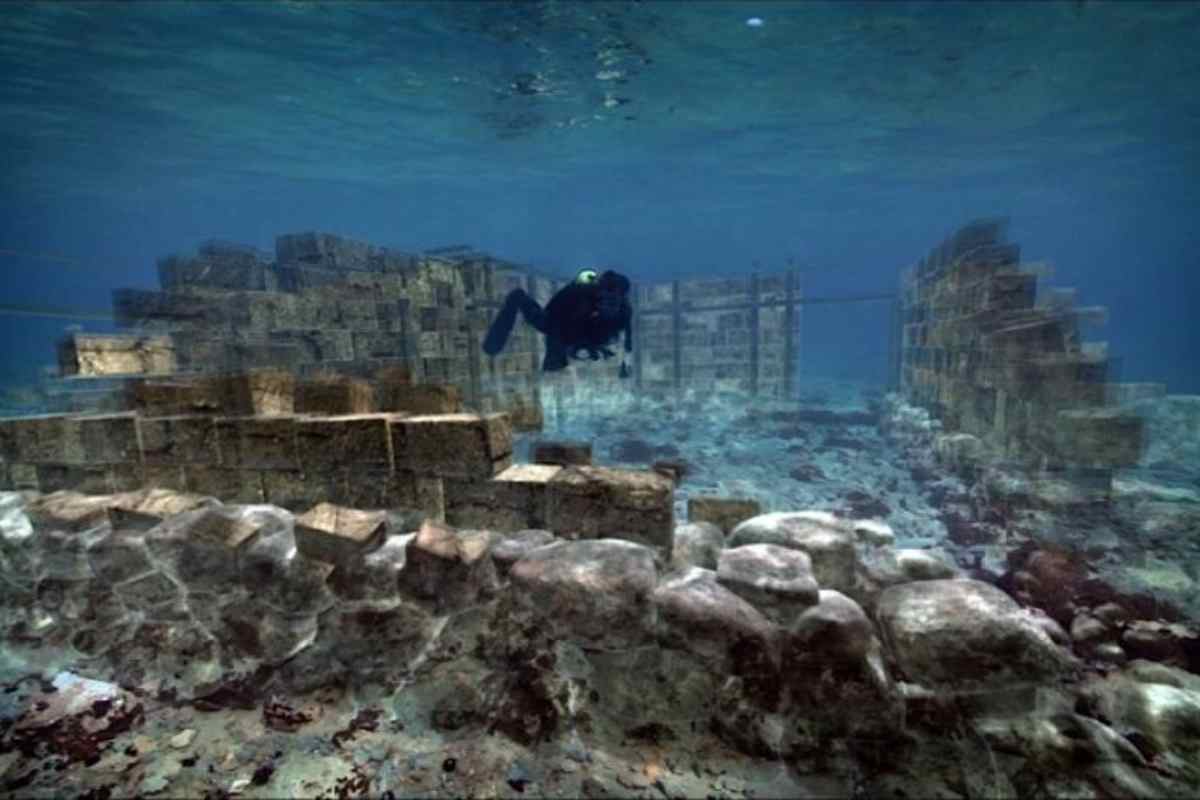
Pavlopetri is considered one of the oldest submerged cities in the world, dating back to around 3000 BCE.
Located off the coast of Greece, this city provides a unique insight into early Bronze Age life. The site includes well-preserved buildings, courtyards, streets, and tombs.
The discovery of Pavlopetri has significantly enhanced our understanding of ancient Greek urban planning and architecture.
Port Royal, Jamaica

Once known as the “Wickedest City on Earth,” Port Royal was a notorious pirate haven during the 17th century.
The city sank into the sea after an earthquake in 1692, preserving a unique snapshot of life in a pirate city.
Underwater archaeologists have discovered a wealth of artifacts, including pirate ships, weapons, and everyday items that tell the story of this infamous location.
Dwarka, India
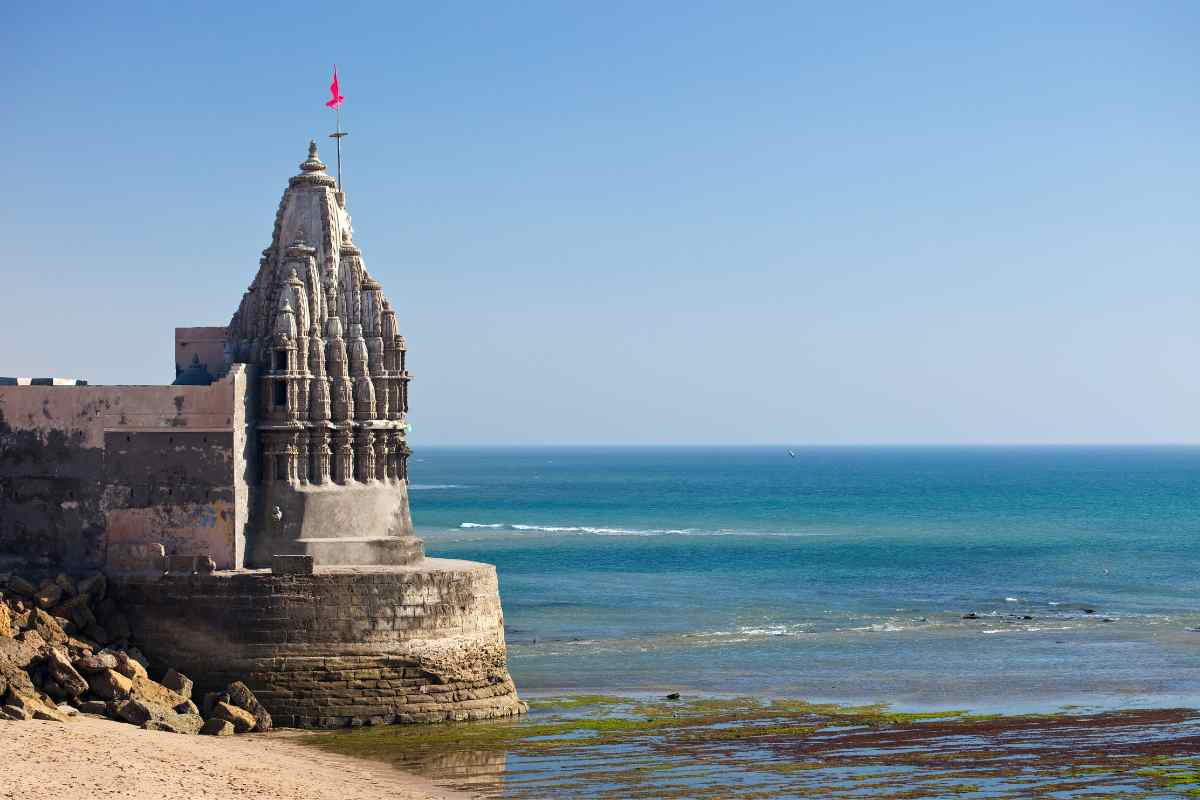
The ancient city of Dwarka, mentioned in Hindu mythology, is believed to have been submerged by the sea thousands of years ago.
Underwater explorations have revealed a complex network of stone structures, walls, and pillars, suggesting the existence of a well-planned city.
The discovery of Dwarka has sparked great interest among historians and archaeologists, as it could provide valuable insights into ancient Indian civilization.
Challenges in Underwater Archaeology
Environmental Conditions
Underwater archaeology poses unique challenges that are not encountered in terrestrial excavations.
Environmental conditions, such as strong currents, limited visibility, and the risk of decompression sickness, make underwater excavations particularly challenging.
Archaeologists must be well-trained in diving and understand how to navigate these conditions to ensure a safe and successful excavation.
Preservation of Artifacts
Once artifacts are brought to the surface, they must be carefully preserved to prevent deterioration.
The process of conservation can be lengthy and costly, requiring specialized knowledge and equipment.
Waterlogged wood, for example, can quickly degrade if not treated properly, while metal objects may corrode when exposed to air.
Legal and Ethical Considerations
The exploration of sunken cities often involves navigating complex legal and ethical issues.
Many submerged sites are located in international waters or belong to a particular nation, raising questions about ownership and responsibility.
Additionally, there is the ethical issue of disturbing gravesites or sacred locations. Archaeologists must work closely with governments and local communities to ensure that their work respects cultural heritage and adheres to international laws.
Conclusion: The Future of Sunken Cities Exploration
The exploration of sunken cities through underwater archaeology offers a unique window into the past, revealing details about ancient civilizations that are otherwise lost to time.
As technology advances, the potential for discovering new submerged sites and uncovering more about our history grows.
However, with these opportunities come challenges, from environmental hazards to ethical dilemmas.
By treating these sites with care and respect, archaeologists can keep uncovering the secrets of sunken cities and preserve their stories for future generations.
Did you find this post useful or inspiring? Save THIS PIN for later in your Outdoor Board on Pinterest! 😊


Explore these outdoor tips too