
Exploring Underground Rivers: Caving and Kayaking Combined
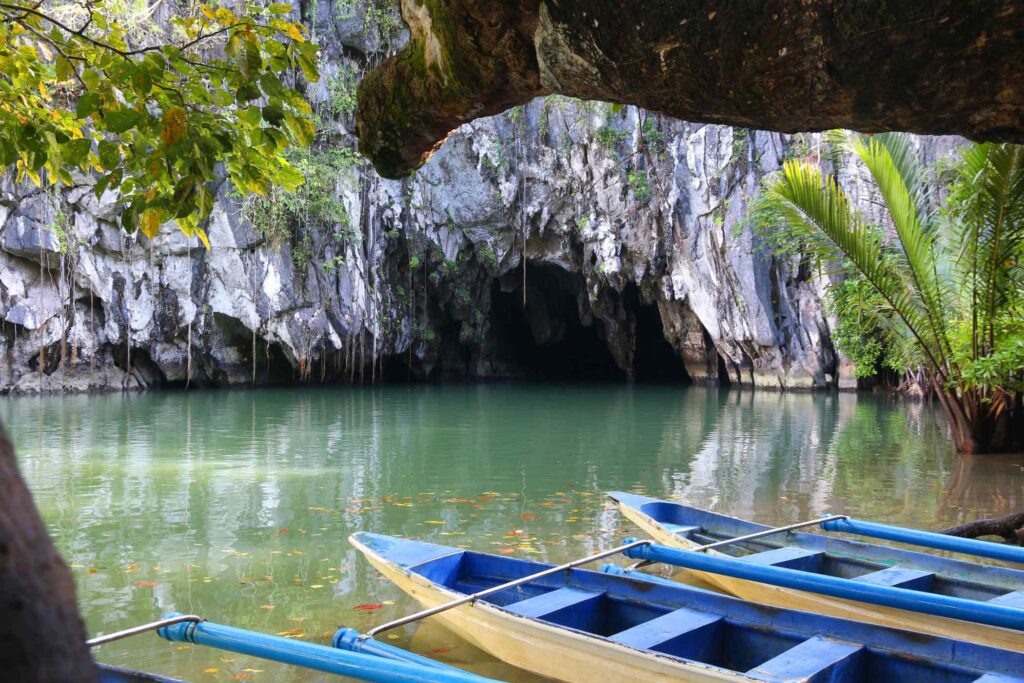
Caving and kayaking are two thrilling outdoor activities that challenge both body and mind. Imagine combining these two adventures into one unforgettable experience: exploring underground rivers.
This unique blend of kayaking and caving allows adventurers to navigate through breathtaking subterranean waterways, discovering hidden gems beneath the earth's surface.
Whether you're a seasoned caver or an avid kayaker, this activity offers a fresh perspective on both sports, merging the excitement of paddling with the mystery of underground exploration.
The Allure of Underground Rivers
Underground rivers, often referred to as "subterranean rivers," are a fascinating natural phenomenon.
These waterways carve their paths through limestone and other soluble rocks, creating intricate networks of caves, tunnels, and caverns.
For centuries, these rivers remained hidden from the surface world, their secrets known only to the adventurous few who dared to explore them.
Today, kayaking and caving enthusiasts have the opportunity to experience these wonders firsthand, navigating through dark, winding passages filled with awe-inspiring formations.
Kayaking in Subterranean Waters

Kayaking in an underground river is an experience unlike any other. The environment is vastly different from open-water kayaking, with the added challenge of limited visibility, narrow passages, and the eerie silence of the subterranean world.
The water is often calm and clear, reflecting the intricate rock formations above. As you paddle through these ancient waterways, the only sounds you'll hear are the gentle splashes of your paddle and the occasional drip of water from stalactites.
The key to enjoying kayaking in a cave is preparation. Unlike surface kayaking, where you can rely on the sun and wind, underground kayaking requires more careful planning.
Lighting is crucial, since the darkness can be disorienting. Good headlamps and backup lights are a must. It's also important to understand the cave's layout and water levels for a safe and enjoyable trip.
The Thrill of Caving
Caving, also known as spelunking, is the exploration of caves. It involves navigating through narrow passages, climbing, crawling, and sometimes even swimming.
When combined with kayaking, caving takes on a new dimension. The underground rivers often lead to expansive caverns filled with stunning stalactites, stalagmites, and other geological formations.
These natural wonders have been shaped over millennia by the slow, persistent flow of water, creating a breathtaking underground landscape.
Caving requires a different set of skills compared to kayaking. It's a physically demanding activity that challenges your strength, agility, and mental fortitude.
The confined spaces, darkness, and the unknown can be intimidating, but for those who embrace the challenge, the rewards are immense.
The sense of discovery as you uncover a hidden chamber or the exhilaration of navigating through a tight squeeze is unparalleled.
The Intersection of Caving and Kayaking

The combination of caving and kayaking offers a unique adventure that few other outdoor activities can match.
It allows you to explore parts of the world that are rarely seen, accessing areas that are unreachable by foot alone.
This hybrid adventure begins with a paddle through the underground river, where the calm waters guide you deeper into the cave system.
As the river narrows or comes to an end, you switch to caving, navigating through the rocky terrain on foot.
This transition from water to land adds a dynamic element to the exploration. It requires versatility and adaptability, as you must be prepared to handle both kayaking and caving challenges.
The experience is deeply immersive, as you become fully engaged with your surroundings, relying on your skills, instincts, and equipment to guide you through the cave.
The Gear You Need
Preparation is key to a successful underground river adventure. The gear for caving and kayaking is specialized, and designed to handle the unique challenges of both environments.
Here's a breakdown of the essential equipment:
- Kayak: A durable, maneuverable kayak suitable for narrow passages is essential. Inflatable kayaks are often preferred for their portability and ease of transport through tight cave entrances.
- Paddles: Lightweight, collapsible paddles are ideal for underground kayaking. They should be sturdy enough to handle potential obstacles in the water.
- Helmet: A robust helmet with a built-in light is crucial for both caving and kayaking. It protects your head from low ceilings and falling debris, while the light source illuminates your path.
- Lighting: High-quality, waterproof headlamps with extra batteries are a must. Consider bringing additional handheld lights as backups.
- Wetsuit or Dry Suit: Depending on the water temperature, a wetsuit or dry suit will keep you warm and comfortable during the kayaking portion of the adventure.
- Footwear: Sturdy, non-slip boots or shoes designed for wet environments are important for both kayaking and caving.
- Gloves: Protective gloves help with grip and protect your hands during the caving portion of the adventure.
- Safety Gear: A first aid kit, ropes, and other safety equipment should always be carried, especially when venturing into remote or uncharted caves.
Safety First: Navigating the Risks

While kayaking and caving in underground rivers is an exhilarating experience, it's important to acknowledge and prepare for the risks involved.
These environments can be unpredictable, with potential hazards including flooding, falling rocks, and disorientation.
Proper preparation, training, and respect for the cave's natural environment are essential for a safe adventure.
Before embarking on an underground river exploration, it's crucial to:
- Research the Cave: Understand the cave's layout, water levels, and any known hazards. Local guides and caving clubs can provide valuable information.
- Check Weather Conditions: Underground rivers are often fed by surface water, meaning that heavy rainfall can lead to sudden flooding. Always check the weather forecast before your trip.
- Go with a Group: Solo caving or kayaking in a cave is highly discouraged. Always travel with a group and inform someone of your plans.
- Carry Emergency Gear: In addition to your standard equipment, carry extra supplies like food, water, and communication devices in case of an emergency.
The Beauty of the Subterranean World

One of the most rewarding aspects of exploring underground rivers is the opportunity to witness the natural beauty of the subterranean world.
These environments are often home to unique ecosystems, with creatures that have adapted to life in complete darkness.
Bioluminescent organisms, blind fish, and other fascinating species can be found in these hidden realms.
The rock formations inside the caves are just as impressive. Stalactites and stalagmites, formed over thousands of years, create detailed patterns and shapes that show the slow but steady power of nature.
Underground rivers often flow through vast chambers, where the interplay of light and shadow creates an otherworldly atmosphere.
The silence of the cave, punctuated only by the sound of water, adds to the sense of awe and reverence.
The Thrill of Discovery
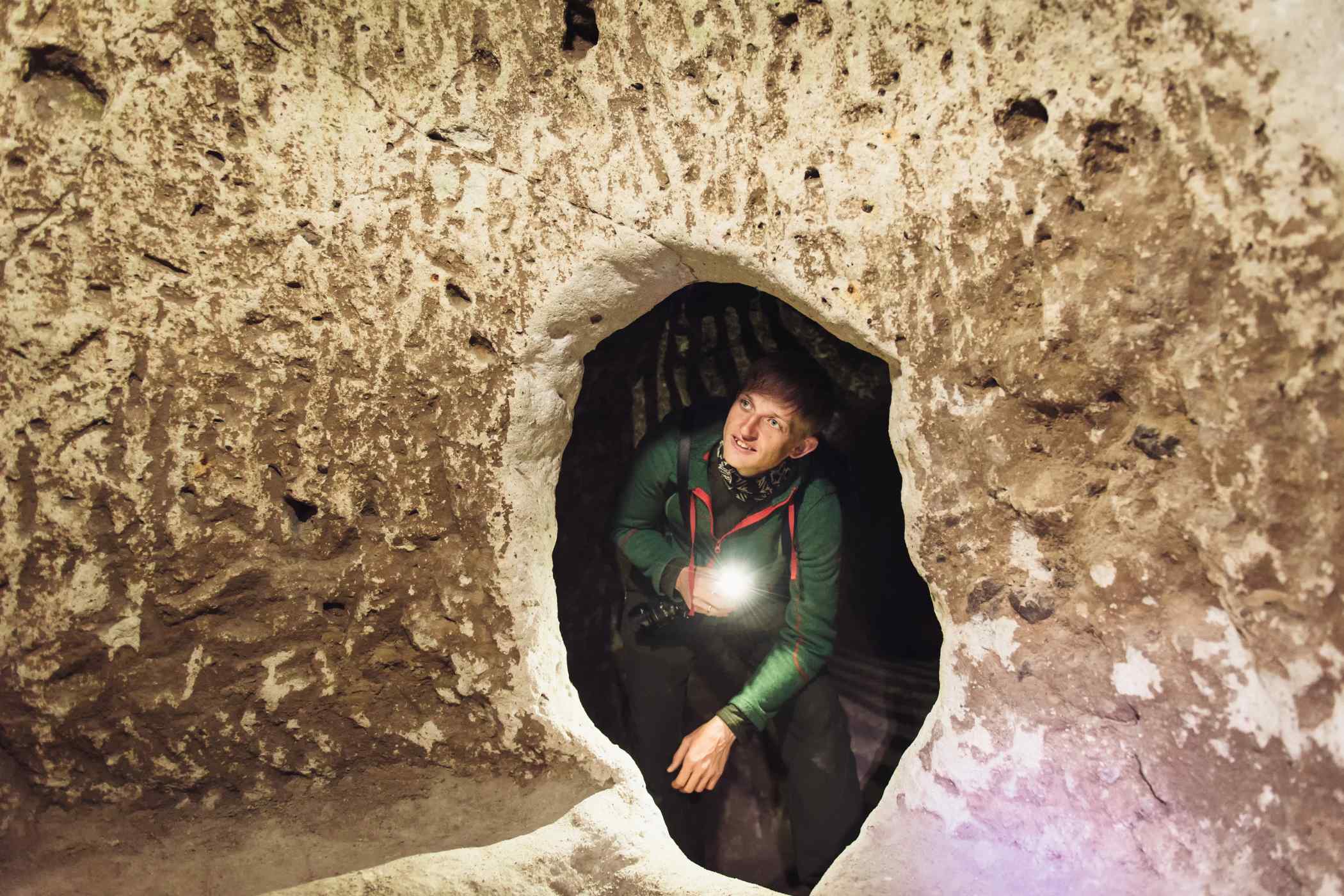
For many adventurers, the true allure of kayaking and caving in underground rivers lies in the thrill of discovery.
These caves are often uncharted or only partially explored, offering the possibility of finding something new.
Whether it's a hidden chamber, a new passageway, or simply the experience of paddling through a river that few others have seen, the sense of exploration is exhilarating.
This combination of kayaking and caving allows you to connect with nature on a deeper level, exploring environments that are far removed from the hustle and bustle of the surface world.
It's an adventure that challenges your physical and mental limits, rewards you with stunning natural beauty, and leaves you with a profound sense of accomplishment.
Conclusion
Exploring underground rivers through caving and kayaking is a unique and thrilling way to experience the natural world.
It combines the best elements of both sports, offering a dynamic adventure that is both challenging and rewarding.
Whether you're paddling through crystal-clear waters, navigating through tight cave passages, or marveling at the beauty of subterranean formations, this activity offers an unforgettable experience.
With the right preparation, gear, and mindset, you can head out on a trip that gives you memories for a lifetime.
Did you find this post useful or inspiring? Save THIS PIN for later in your Outdoor Board on Pinterest! 😊

Explore these outdoor tips too