
How to Choose the Right Wetsuit for Different Water Conditions

Learn how to choose the right wetsuit for different water conditions. From thickness to fit, this guide will help you select the best wetsuit for warm and cold water, ensuring comfort and safety in any aquatic environment.
How to Choose the Right Wetsuit for Different Water Conditions
Whether you're swimming, surfing, or diving, having the right wetsuit can make a big difference in your comfort and safety.
A wetsuit provides insulation and protection, allowing you to stay warm in cold water while offering flexibility and ease of movement in warmer conditions.
But with so many options available, how do you know which wetsuit is right for you? This guide will walk you through how to choose the right wetsuit for different water conditions so you can enjoy your aquatic adventures to the fullest.
1. Understanding Wetsuit Thickness
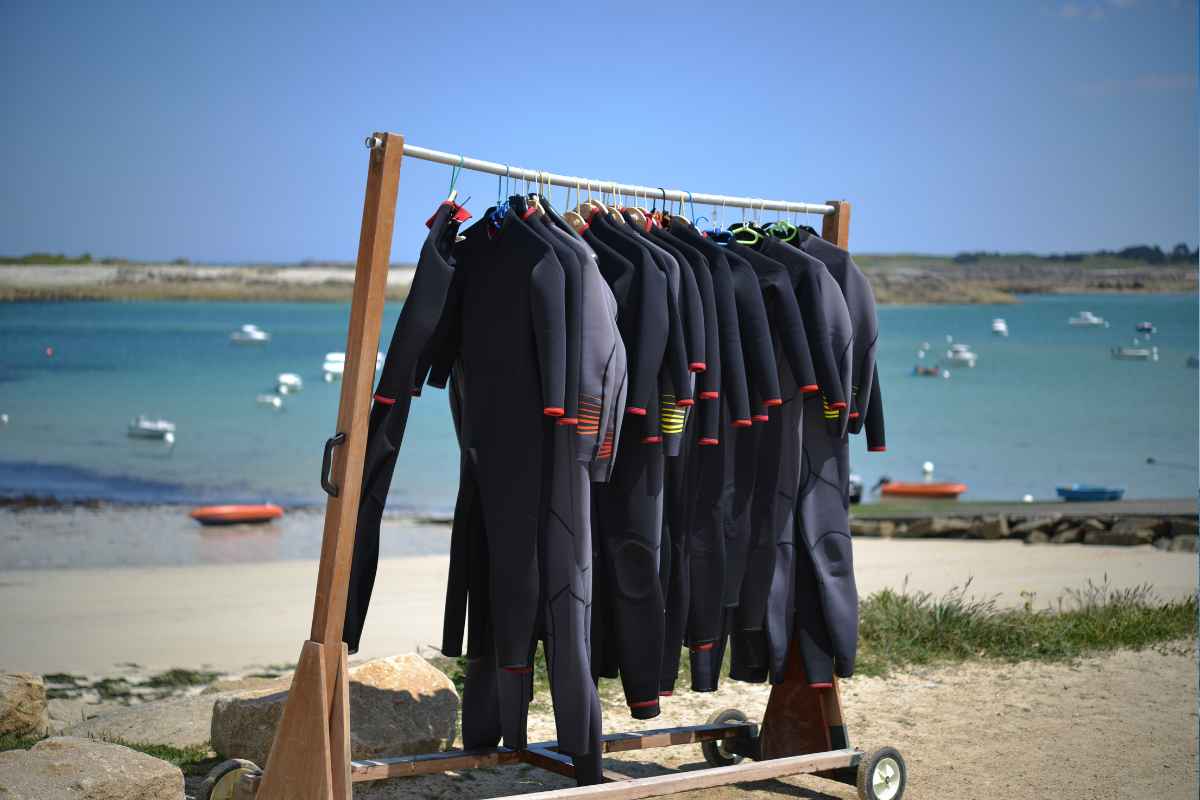
The first thing to consider when choosing a wetsuit is the thickness. Wetsuit thickness is measured in millimeters (mm) and is typically written in two numbers (e.g., 3/2 mm). The first number refers to the thickness of the torso area, and the second refers to the thickness of the arms and legs. Here's a breakdown of the most common thicknesses and the water temperatures they are suitable for:
- 1-2 mm: Ideal for warm water (72°F and above). This is often used for tropical climates or summer conditions, providing minimal insulation but allowing for great flexibility.
- 3/2 mm: Great for mild water (62°F to 72°F). This thickness strikes a balance between warmth and flexibility, making it a popular choice for most spring and fall activities.
- 4/3 mm: Suitable for cooler water (52°F to 62°F). It provides more insulation, allowing you to stay warm in colder conditions without sacrificing too much flexibility.
- 5/4 mm or 6/5/4 mm: Designed for cold water (below 52°F). These thicker wetsuits are essential for winter surfing or diving in frigid waters, ensuring maximum warmth and protection.
By choosing the right thickness, you can ensure that your wetsuit will keep you comfortable and insulated in the specific water conditions you’ll encounter.
2. Fit Matters: Find the Right Size
No matter the thickness, your wetsuit won’t do its job if it doesn’t fit properly. A well-fitting wetsuit should be snug but not too tight, allowing for a thin layer of water to enter and be warmed by your body. Here are some tips for finding the right fit:
- Avoid bagginess: A wetsuit that's too loose will allow too much water to flow through, which will make you cold quickly.
- No restrictions: A wetsuit that’s too tight can restrict your range of motion, making swimming or paddling difficult. Make sure you can move your arms and legs comfortably.
- Check key areas: The suit should fit closely around your neck, wrists, and ankles to prevent excess water from seeping in.
When trying on a wetsuit, it's normal for it to feel a bit tighter when dry, as it will loosen up slightly when wet.

3. Types of Wetsuits for Different Activities
Wetsuits come in a variety of styles, and the type you choose should match the water conditions and the activity you’re planning. Here are the most common types:
- Full wetsuit: Also known as a steamer, this suit covers your entire body, including arms and legs. It’s best for colder water or full-body protection.
- Shorty wetsuit: This style features short sleeves and legs, making it a great option for warmer water or activities where you need more flexibility, like swimming or kayaking.
- Spring suit: Similar to a shorty but with long sleeves, ideal for in-between seasons or slightly cooler waters.
- Farmer John/Jane wetsuit: A sleeveless wetsuit that’s often paired with a jacket, giving you flexibility in the arms while keeping your core warm.
Choosing the right style depends on the activity and water temperature. For example, a full wetsuit is ideal for surfing in colder conditions, while a shorty is perfect for a warm-water swim.

4. Choosing the Right Neoprene
Wetsuits are made from neoprene, a synthetic rubber that provides insulation. However, not all neoprene is created equal. When choosing a wetsuit, look for high-quality neoprene that offers durability and flexibility. Here are some types of neoprene to consider:
- Standard neoprene: The most common type, offering good durability and insulation for general use.
- Super stretch neoprene: This type of neoprene is more flexible, providing better freedom of movement, making it a great option for high-performance activities like surfing or triathlons.
- Smooth skin neoprene: This type of neoprene has a smooth exterior, which makes it wind-resistant and faster to dry, ideal for colder conditions.
The quality of the neoprene can significantly affect your comfort and performance, so it’s worth investing in a wetsuit made from high-grade materials.
5. Additional Features to Look For
While thickness, fit, and neoprene type are the primary factors, there are additional features that can enhance your wetsuit experience. Here are some extras to look for:
- Sealed seams: For colder water conditions, opt for a wetsuit with glued and blind-stitched seams. These prevent water from entering through the seams, keeping you warmer.
- Zipper type: Wetsuits typically have back zippers, but some high-performance suits come with chest zippers for added flexibility and ease of movement.
- Knee pads: If you plan on doing activities like surfing or diving, look for wetsuits with reinforced knee pads for extra durability in high-wear areas.
Choosing a wetsuit with the right features can make a big difference in your comfort, warmth, and overall experience in the water.
Choosing the right wetsuit for different water conditions doesn’t have to be complicated. By considering factors like thickness, fit, and neoprene quality, you’ll be able to select the perfect wetsuit for your next adventure.
Whether you’re surfing in cold waters or swimming in warm seas, having the right wetsuit will keep you comfortable and safe.
Before making a purchase, consider what conditions you'll face and what activities you plan to do. With the right wetsuit, you’ll be prepared to take on any aquatic environment with confidence!
Did you find this post useful or inspiring? Save THIS PIN for later in your Outdoor Board on Pinterest! 😊

Explore these outdoor tips too