
Survival Skills: Identifying Edible Plants in the Wild

When you're out in the wilderness, survival skills are essential, and one of the most crucial skills to have is the ability to identify edible plants.
Whether you're hiking, camping, or unexpectedly finding yourself in a survival situation, knowing which plants are safe to eat can make the difference between life and death.
In this article, we'll explore the best ways to identify edible plants in the wild, ensuring you're prepared for any adventure.
Edible Plants: A Lifesaving Skill in the Wilderness
Learning to identify edible plants is more than just a survival skill; it's a connection to nature and a step toward self-sufficiency.
When you're out in the wild, your environment becomes both a challenge and a resource. Being able to discern which plants can sustain you is empowering, giving you the confidence to thrive in nature.

Understanding the Basics of Plant Identification
Before you start foraging, it's crucial to understand the basics of plant identification. Not all plants that look harmless are safe to eat, and some can be deadly if consumed.
Here's what you need to know:
- Leaf Structure: Look at the shape, size, and arrangement of leaves. Some plants have distinctive leaf patterns that make them easily recognizable.
- Flowers and Fruits: The color, shape, and growth pattern of flowers and fruits can be vital clues in identifying plants. However, be cautious, as some poisonous plants mimic the appearance of edible ones.
- Roots and Stems: The texture, color, and thickness of roots and stems are also indicators. Some edible plants have unique root structures that are easy to identify.
- Smell and Taste Test: While risky, a small taste test can help in identifying plants. Start by crushing the leaves and smelling them. If the plant has an unpleasant odor, it's best to avoid it. If it passes the smell test, place a tiny piece on your tongue to check for a bitter or soapy taste, which usually indicates toxicity.
The Universal Edibility Test
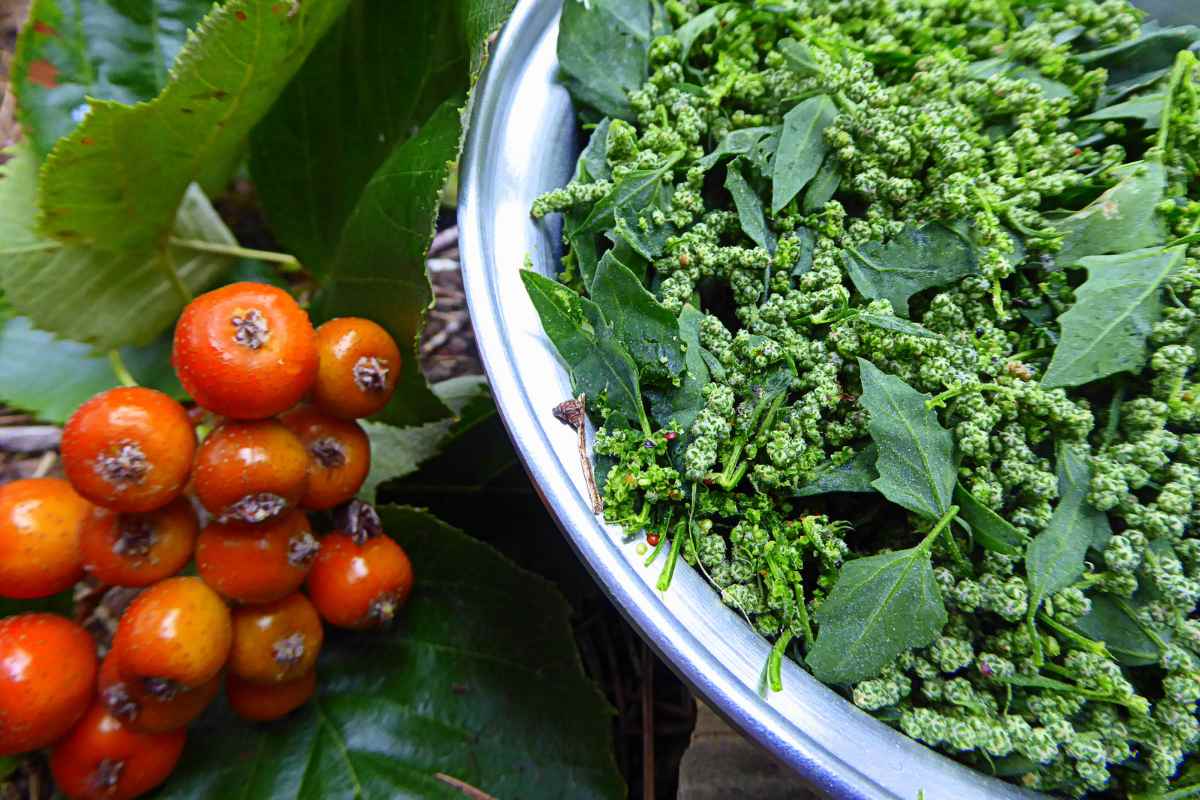
When you're uncertain about a plant, the Universal Edibility Test is a method to determine whether it's safe to eat.
This process is time-consuming, but it can be a lifesaver in a survival situation. Here's how to perform the test:
- Separate the Plant into Parts: Test the leaves, stems, roots, and flowers separately, as one part of the plant may be toxic while another is safe.
- Smell the Plant: If it has an unpleasant or strong odor, it's likely poisonous.
- Touch Test: Rub a small part of the plant on the inside of your wrist. Wait for 15 minutes to see if there's a reaction. If there's no irritation, proceed to the next step.
- Cook the Plant: If possible, cooking can neutralize some toxins. However, this is not always effective, so proceed with caution.
- Taste Test: Place a small part of the plant on your lips. If there's no burning or tingling after 15 minutes, place it on your tongue without chewing. If there's still no reaction after 15 minutes, chew a small piece and wait for a few hours. If you feel fine, the plant is likely safe to eat in small quantities.
Common Edible Plants in the Wild

Knowing which edible plants are commonly found in the wild can help you quickly identify food sources.
Here are some examples of edible plants you might encounter:
- Dandelion: Recognizable by its yellow flower and jagged leaves, the dandelion is entirely edible. The leaves can be eaten raw or cooked, while the roots can be roasted and ground into a coffee substitute.
- Cattails: Found near water sources, cattails are easy to spot with their long, flat leaves and brown, cigar-shaped flower spikes. The shoots can be eaten raw or cooked, and the roots can be ground into flour.
- Wild Onions and Garlic: These plants are characterized by their distinctive smell. The bulbs, leaves, and flowers are all edible, adding flavor to your foraged meals.
- Pine Nuts: Pine trees provide not only shelter but also a source of food. The seeds found within pinecones, known as pine nuts, are a valuable and nutritious food source.
- Chickweed: This small, green plant with tiny white flowers is often found in open fields and wooded areas. The entire plant is edible and can be eaten raw or cooked.
Plants to Avoid
While identifying edible plants is essential, it's equally important to know which plants to avoid.
Some plants are highly toxic and can cause severe illness or death if consumed. Here are a few plants you should steer clear of:
- Hemlock: Resembling wild carrot, hemlock is one of the most poisonous plants in the wild. It's characterized by its small white flowers and smooth, hollow stems with purple spots.
- Deadly Nightshade: With its bell-shaped purple flowers and shiny black berries, deadly nightshade is a plant to avoid at all costs. Even a small amount can be fatal.
- Oleander: Often found in warmer climates, oleander has beautiful pink or white flowers. However, all parts of the plant are toxic, and even inhaling the smoke from burning oleander can be dangerous.
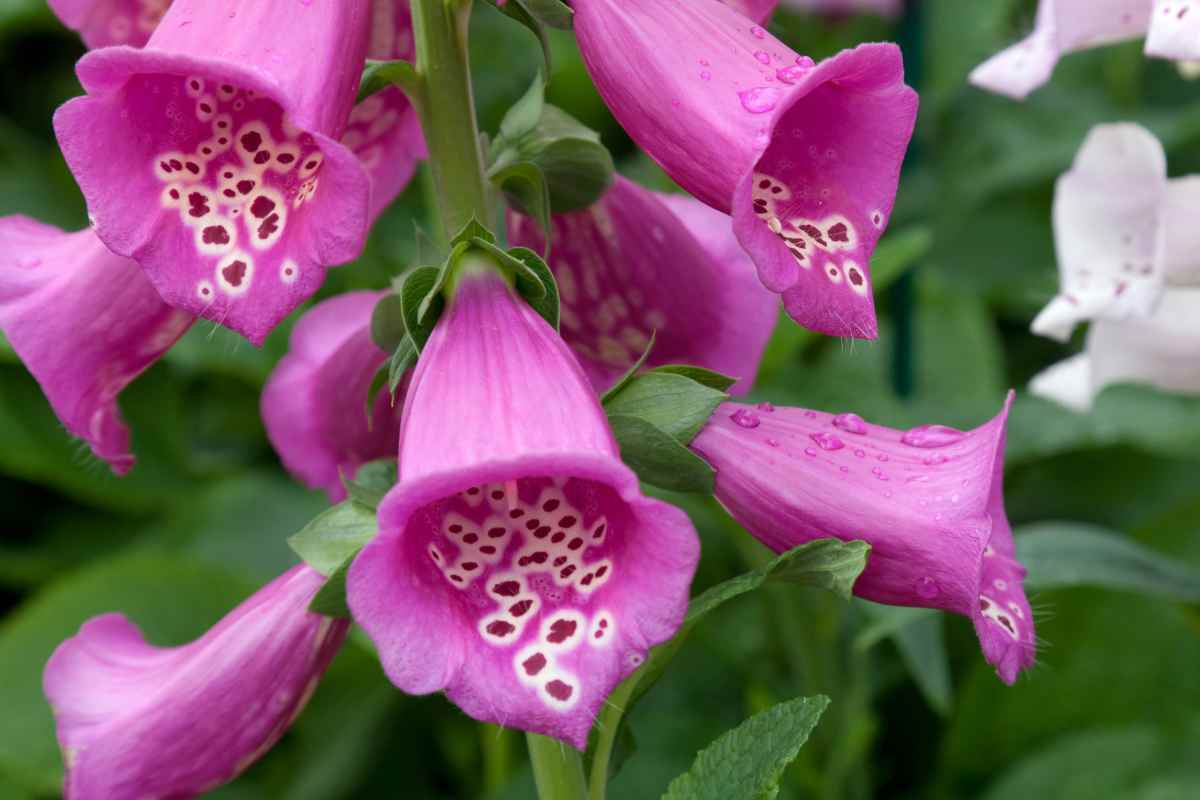
- Foxglove: Known for its tall spikes of purple or pink flowers, foxglove contains digitalis, a compound used in heart medication. Ingesting any part of this plant can lead to heart failure.
Safety Tips for Foraging
Foraging for edible plants in the wild requires caution and respect for nature. Here are some safety tips to keep in mind:
- Learn Before You Go: Educate yourself about the plants in the area where you'll be spending time. Consider taking a field guide or downloading a plant identification app.
- Avoid Polluted Areas: Plants near roads, industrial sites, or polluted water sources may be contaminated with chemicals. Stick to pristine, natural areas for foraging.
- Harvest Sustainably: Only take what you need and leave enough for the plant to continue growing. This ensures the environment remains healthy and provides for others.
- Respect Wildlife: Many animals rely on the same edible plants for food. Be mindful of your impact on their habitat and avoid over-harvesting.
- When in Doubt, Leave It Out: If you're unsure about a plant's safety, don't eat it. The risk of poisoning is not worth the potential benefits.

The Role of Edible Plants in Survival Scenarios
In a survival scenario, edible plants can provide not only sustenance but also a psychological boost.
The act of foraging connects you to your surroundings, helping you stay grounded and focused.
Additionally, edible plants can supplement other food sources, such as fish or small game, making your diet more balanced and nutritious.
Final Thoughts on Edible Plants
Learning to identify edible plants in the wild is a skill that takes time and practice to develop.
It's not just about survival; it's about deepening your connection with nature and gaining a greater understanding of the world around you.
Whether you're a seasoned outdoorsman or a casual hiker, the knowledge of edible plants can enhance your experience and ensure you're prepared for any situation.
Edible plants are a valuable resource, but they come with risks. Always approach foraging with caution, and remember that in the wild, knowledge is your most powerful tool.
With the right information and a careful approach, you can safely enjoy the bounty that nature has to offer.
Did you find this post useful or inspiring? Save THIS PIN for later in your Outdoor Board on Pinterest! 😊

Explore these outdoor tips too