
The Art of Minimalist Camping: What You Really Need
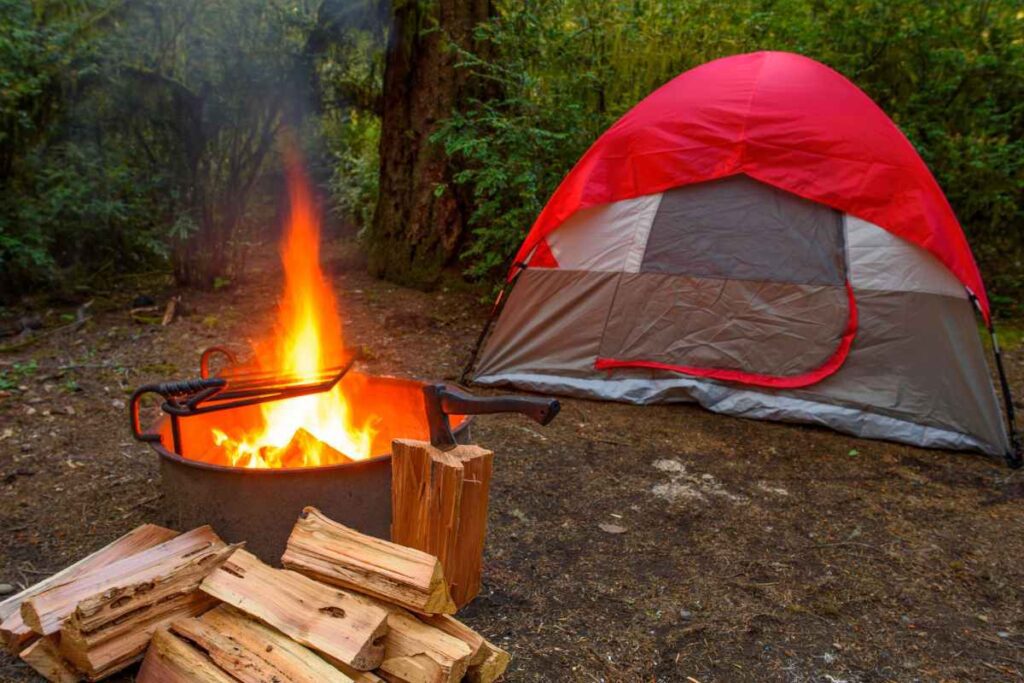
Minimalist camping is a growing trend among outdoor enthusiasts who seek to simplify their camping experience by carrying only the essentials.
This approach not only lightens your load but also enhances your connection with nature, encouraging you to rely on your skills and the environment rather than on an excess of gear.
By embracing minimalist camping, you can enjoy a more serene and mindful outdoor experience while reducing your impact on the environment.
Minimalist Camping: Embrace the Essentials
At its core, minimalist camping is about reducing clutter and focusing on what is truly necessary for a successful camping trip.
The idea is to strip down your gear to the bare minimum, bringing only items that serve a clear purpose and are lightweight.
This method not only makes your pack lighter but also allows you to be more flexible and mobile, adapting easily to different environments and conditions.
1. Understanding the Basics of Minimalist Camping
The first step in minimalist camping is to understand what you really need. It requires a shift in mindset from bringing everything you might want to having only what you need to survive comfortably in the wilderness.
This involves prioritizing multi-purpose items and considering the weight and utility of each piece of gear.
Key considerations for minimalist camping include:
- Shelter: The type of shelter you bring is crucial. Many minimalist campers prefer a lightweight tent, tarp, or even a bivy sack. The choice depends on the environment, weather, and personal preference. Tarps are versatile and can be set up in various ways, providing shelter while keeping the weight minimal.
- Sleeping Gear: Your sleep system should be compact and efficient. A lightweight sleeping bag or quilt paired with a compact sleeping pad will keep you warm and comfortable without taking up much space. Consider the climate and choose your sleeping gear accordingly to ensure you stay warm without carrying unnecessary bulk.
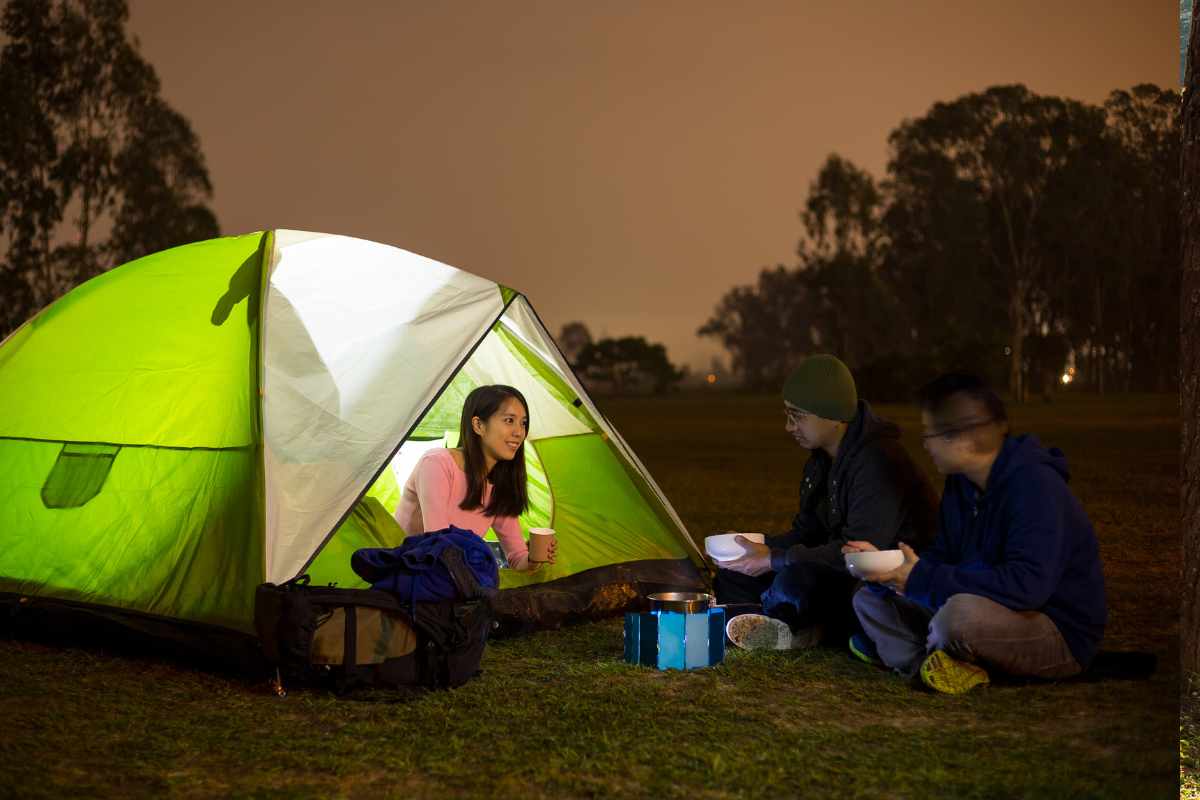
- Cooking and Hydration: Minimalist camping requires a simple approach to cooking and hydration. A small camping stove or even a portable wood-burning stove can suffice, along with a single lightweight pot. Bring just enough utensils for basic cooking and eating. For water, a compact water filter or purification tablets are essential, allowing you to drink from natural sources without carrying large amounts of water.
2. Choose Multi-Functional Gear
When it comes to minimalist camping, the rule of thumb is to opt for multi-functional gear that can serve multiple purposes.
This reduces the number of items you need to carry and helps keep your pack lightweight. Look for items that can perform double duty or can be easily adapted to different uses.
Examples of multi-functional gear include:
- Bandanas or Buffs: These versatile pieces of cloth can serve as a head covering, face mask, towel, potholder, or even a sling in an emergency.
- Trekking Poles: Besides aiding in hiking, trekking poles can also be used to set up a tarp shelter or as a support for a lightweight tent.
- Titanium Cookware: A single titanium pot can be used for cooking, boiling water, and eating, minimizing the need for multiple pieces of cookware.
3. Minimize Your Clothing
Another key aspect of minimalist camping is to reduce the amount of clothing you bring. It’s easy to overpack clothing, but in reality, you don’t need much to stay comfortable in the wilderness.
Focus on layering with lightweight, moisture-wicking, and quick-drying materials.
Clothing tips for minimalist camping:
- Base Layers: Bring a set of base layers that can double as sleepwear. Choose materials like merino wool or synthetic fibers that are lightweight and dry quickly.
- Insulating Layer: A compact down jacket or synthetic puffy provides warmth without adding much weight.
- Outer Layer: A lightweight, waterproof jacket is essential for protection against rain and wind. Opt for one that packs down small.
- Footwear: Bring sturdy, lightweight hiking shoes or boots that are already broken in, along with a pair of lightweight camp shoes for relaxing around the campsite.
4. Pack Light and Smart
The goal of minimalist camping is to keep your backpack as light as possible without compromising on safety and comfort.
Start by choosing a lightweight backpack that is just big enough to carry your essentials. A smaller pack forces you to be selective about what you bring.
Packing tips:
- Use Compression Sacks: These can help reduce the volume of your sleeping bag, clothing, and other soft items, making it easier to pack them efficiently.
- Keep Essentials Accessible: Items like your map, compass, water bottle, and snacks should be easily accessible. Pack them in the top compartments or external pockets of your backpack.
- Distribute Weight Evenly: Pack heavier items close to your back and in the middle of your backpack. This helps maintain balance and reduces strain on your shoulders.

5. Focus on Safety and Survival
While the essence of minimalist camping is to reduce your gear, safety should never be compromised. Always bring essential items that ensure your well-being, such as a first aid kit, navigation tools, and emergency supplies.
Essential safety items:
- First Aid Kit: A compact first aid kit with bandages, antiseptic wipes, pain relievers, and blister treatments is crucial. Customize your kit based on the duration and nature of your trip.
- Navigation Tools: Even if you have a GPS device, always carry a map and compass as a backup. Know how to use them effectively.
- Emergency Shelter: Besides your primary shelter, carry a small emergency bivy or space blanket. These items are lightweight and can provide warmth and protection in case of unexpected situations.
- Fire Starter: A reliable fire starter, such as waterproof matches or a fire steel, is essential for warmth, cooking, and signaling.
6. Meal Planning and Food Storage
When it comes to food, minimalist camping emphasizes simple, lightweight meals that provide necessary nutrition without bulk. Plan your meals carefully, focusing on calorie-dense foods that are easy to prepare.
Minimalist meal planning tips:
- Dehydrated or Freeze-Dried Meals: These are lightweight, easy to prepare, and offer good nutrition. Just add hot water, and your meal is ready.
- Snacks and Trail Mix: High-energy snacks like nuts, dried fruits, jerky, and granola bars are great for on-the-go nutrition.
- Reusable Food Bags: Store your food in lightweight, reusable bags to reduce waste and save space.
For food storage, consider using a bear-proof canister if camping in bear country, or a simple nylon food bag hung from a tree to keep wildlife away from your supplies.
7. Leave No Trace Principles
A fundamental principle of minimalist camping is to minimize your environmental impact. This means adhering to the Leave No Trace principles, which promote responsible outdoor ethics to preserve natural beauty for future generations.
Key Leave No Trace principles:
- Plan Ahead and Prepare: Understand the regulations and special concerns of the area you’re visiting. Prepare for extreme weather, hazards, and emergencies.
- Travel and Camp on Durable Surfaces: Stick to established trails and campsites. Avoid trampling vegetation and causing soil erosion.
- Dispose of Waste Properly: Pack out all trash, leftover food, and litter. Dispose of human waste in a cathole 6-8 inches deep, at least 200 feet away from water sources, campsites, and trails.
- Leave What You Find: Preserve the past by leaving rocks, plants, and other natural or cultural artifacts as you find them.
- Minimize Campfire Impact: Use a lightweight stove for cooking and enjoy a leave-no-trace fire using a small camp stove or fire ring. Avoid building large fires or burning anything other than natural materials.
8. Practice Minimalism in Your Mindset
Lastly, minimalist camping is not just about reducing physical gear but also about adopting a minimalist mindset. This means being open to adapting to your environment, focusing on your connection with nature, and enjoying the simplicity of the experience.
Adopting a minimalist mindset includes:
- Being Present: Embrace the present moment, focusing on the sights, sounds, and smells of nature around you.
- Learning to Improvise: Be creative with the resources at your disposal. Use natural materials for seating, shelter, and even cooking when appropriate.
- Appreciating Simplicity: Enjoy the freedom that comes with carrying less and depending more on your skills and the environment.
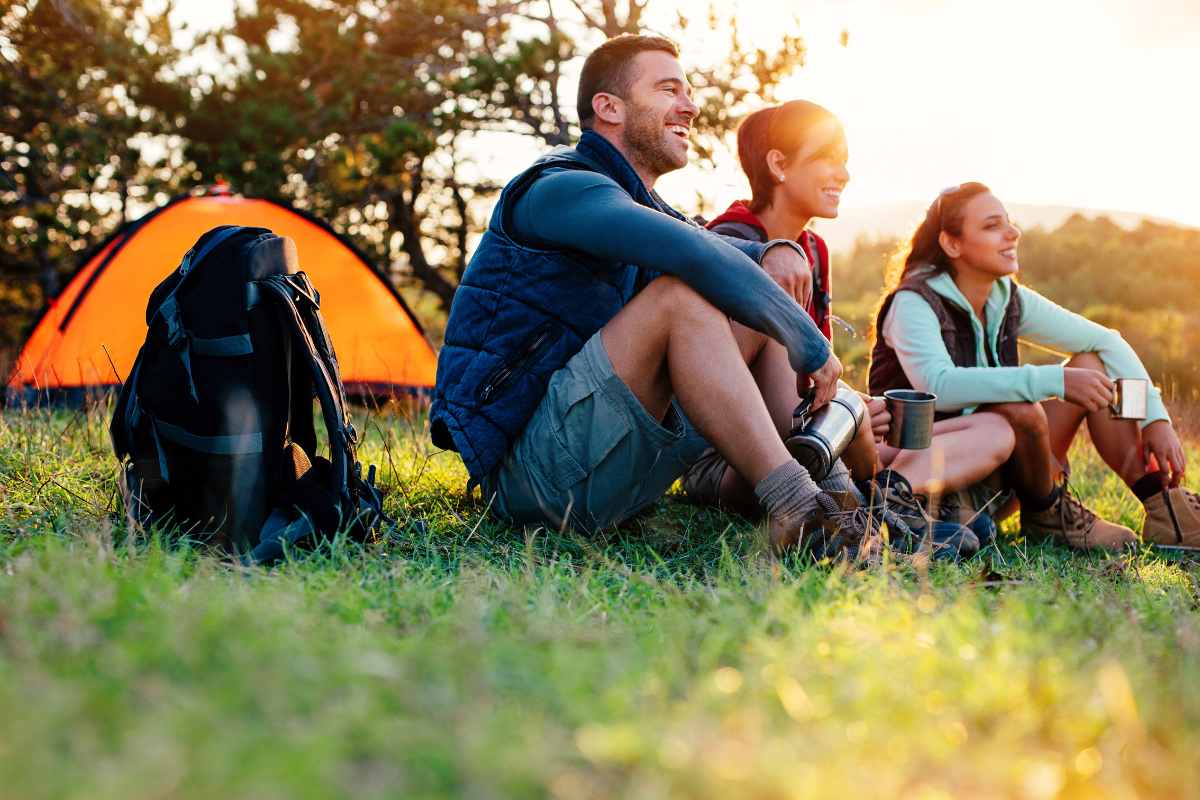
By practicing minimalist camping, you’ll find that you need less to enjoy the great outdoors fully. It’s about getting back to basics, focusing on the essentials, and experiencing the raw beauty of nature without distractions.
In conclusion, minimalist camping offers a unique way to connect more deeply with nature by simplifying your camping experience.
By bringing only what you truly need, choosing multi-functional gear, and maintaining a mindset focused on simplicity and adaptability, you can enjoy a more fulfilling and less burdensome outdoor adventure.
Remember, the goal is not just to survive in the wilderness but to thrive with less, finding joy in the freedom and lightness that comes with a minimalist approach.
Did you find this post useful or inspiring? Save THIS PIN for later in your Outdoor Board on Pinterest! 😊
Explore these outdoor tips too