
Crochet Tools for Absolute Beginners: The Yarn, Hook and Supplies You Need to Start


Walking into a craft store for the first time can be confusing. There are walls of yarn in every weight and fibre, hooks in a dozen sizes and materials, and gadgets that promise to make crochet easier. The good news is that you need very little to start. In this first lesson of her absolute beginner series, Hopeful Turns goes through the basic tools and supplies a new crocheter really needs, and explains why the right yarn and hook make those first stitches so much easier.
It is a calm, practical video with no project to finish, which makes it the perfect thing to watch before you buy anything. By the end you will know exactly what to put in your basket and what can wait.
Images and patterns courtesy of Hopeful Turns
Beginner Crochet Kit at a Glance
- Designer: Hopeful Turns
- Level: Absolute beginner (Lesson 1 of her beginner series)
- Yarn recommended: Medium weight (worsted, 4) acrylic yarn
- Hook recommended: 5 mm (US size H)
- Other supplies: Scissors and a yarn needle
- Video length: 14 minutes 38 seconds
What You'll Need
The list really is this short. According to the designer, these are the supplies every beginner should have:
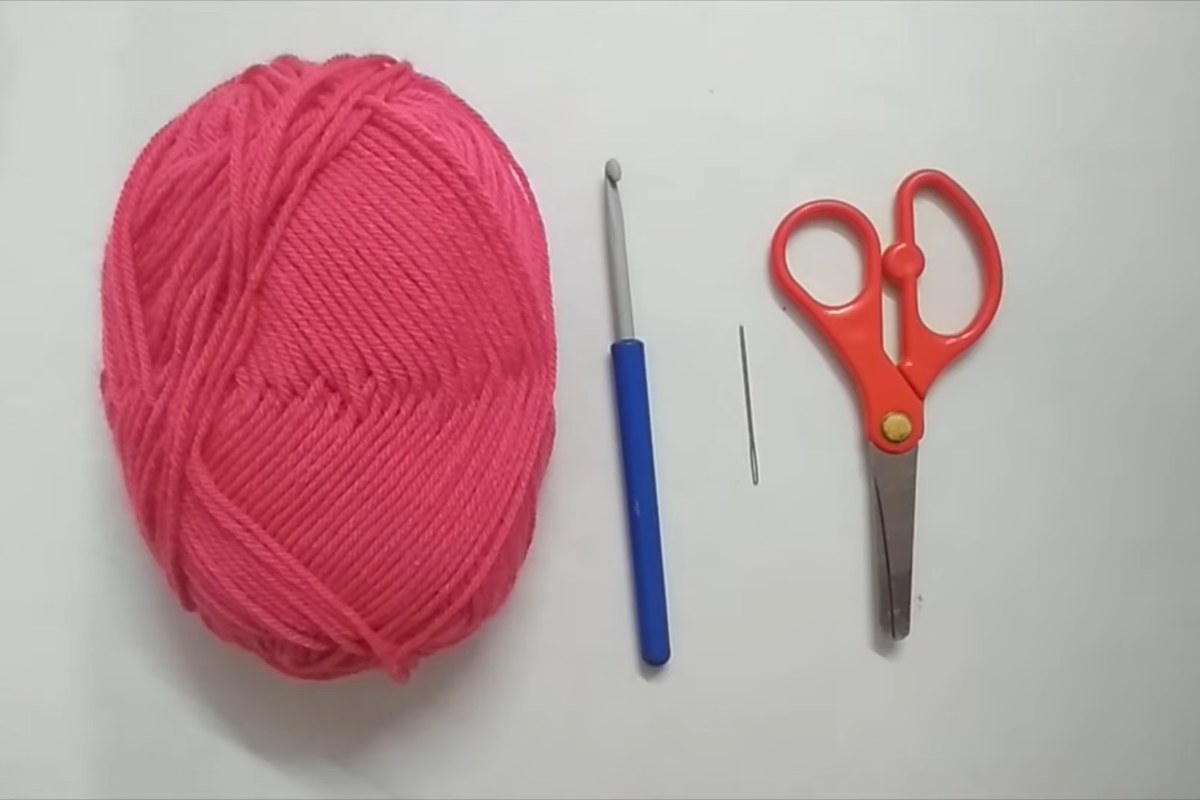
- Yarn: a medium weight acrylic yarn, often labelled worsted or weight 4. A light, solid colour is easiest because you can see each stitch clearly.
- Crochet hook: a 5 mm hook, also sold as size H. Hooks with a soft handle are comfortable, but a plain aluminium hook works just as well.
- Scissors: any small, sharp pair for cutting yarn.
- Yarn needle: a blunt needle with a large eye, used later to weave in your ends.
If you cannot find that exact yarn weight where you live, the designer says you can start with any yarn. Just use the hook size recommended for that yarn, which is usually printed on the label.
What the Video Covers
There are no chapter markers in this video, so the times below are approximate.
1. The basic kit (from the start to about 6:00)
The lesson opens with the four essentials laid out side by side: a ball of yarn, a hook, scissors and a needle. Hopeful Turns explains what each one is for and why this particular combination is a good match for someone who has never held a hook before.
2. Hook types and sizes (around 6:30 to 8:00)
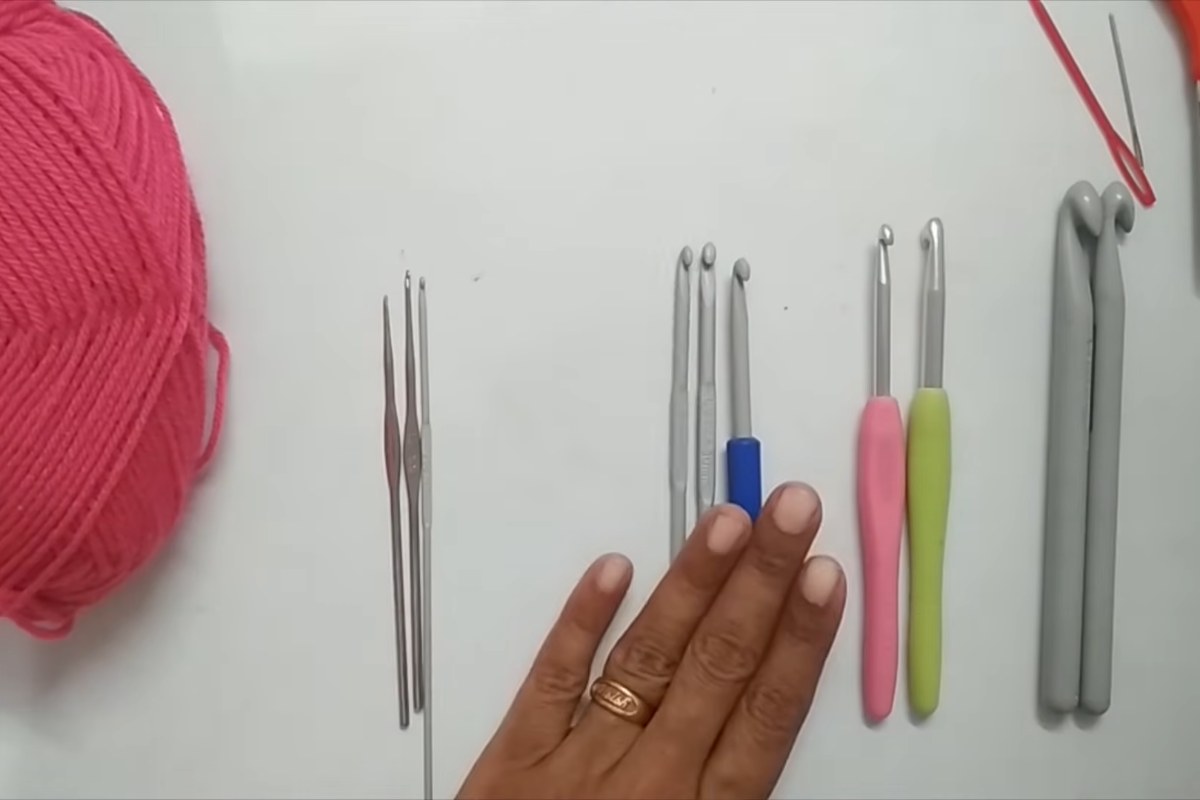
Next comes a whole row of hooks, from very fine steel hooks to large plastic ones, plus hooks with coloured ergonomic grips. Seeing them next to each other makes it obvious how much the size changes, and why a mid-size hook is the friendly choice for learning.
3. Why yarn weight matters (around 8:30 to 11:30)
This is the most useful part of the lesson. The designer shows chains made with yarns of different thicknesses and compares them. Very thin yarn makes tiny stitches that are hard to count, while the medium weight yarn gives stitches that are big enough to see and work into. It is a simple demonstration, but it explains why so many beginners struggle when they start with the wrong yarn.

4. Choosing your first yarn (around 12:00 to the end)
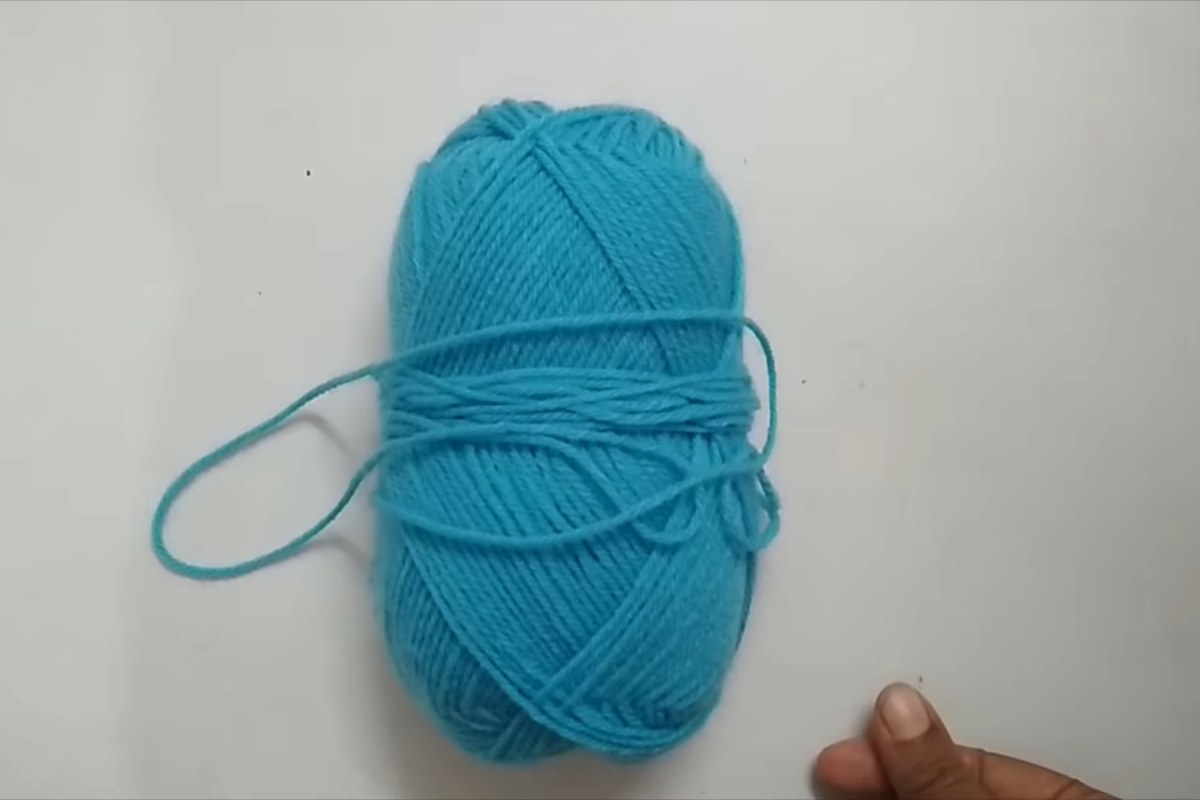
The last part looks at the yarn itself again and closes with a recap of the kit, so you can pause the video and make your shopping list.
Tips Before You Buy
- Skip the fuzzy and dark yarns for now. Fluffy, textured or very dark yarn hides the stitches. Save those for your second or third project.
- Read the yarn label. It tells you the weight and the suggested hook size. Matching the two is the easiest way to get even stitches.
- One hook is enough. You do not need a full set to begin. Buy the one size you need and add more as your projects call for them.
- Acrylic is forgiving. It is affordable, easy to find and holds up well when you pull out stitches and start again, which you will do often in the beginning.
- Keep everything together. A small pouch or box for your hook, scissors and needle saves a lot of searching later.
Credit Where It's Due
This lesson and the images in this post come from Hopeful Turns, a YouTube channel with a full series of slow, clear tutorials for absolute beginners, from the very first tools to finished projects. If the video helped you, please visit it on YouTube, leave a like and subscribe to support the designer.
Images and patterns courtesy of Hopeful Turns
Enjoy the Video Tutorial

Source: Hopeful Turns
Frequently Asked Questions
What size crochet hook should a beginner use?
Hopeful Turns recommends a 5 mm (size H) hook together with medium weight yarn. It is a comfortable size to hold and makes stitches that are easy to see.
What yarn is best for learning to crochet?
A smooth, medium weight (worsted, 4) acrylic yarn in a light colour. If that is not available, any yarn works as long as you use the hook size suggested on its label.
Do I need to buy a set of hooks?
No. One hook in the right size, a ball of yarn, scissors and a yarn needle are all you need for your first lessons.
More from Hopeful Turns
- Crochet Cat Keychain: Easy No-Sew Amigurumi Cat Pattern
- Crochet Christmas Tree Ornaments: Easy Beginner Pattern
- Crochet Spider Web Coaster That Adapts to Any Size
More crochet projects for you