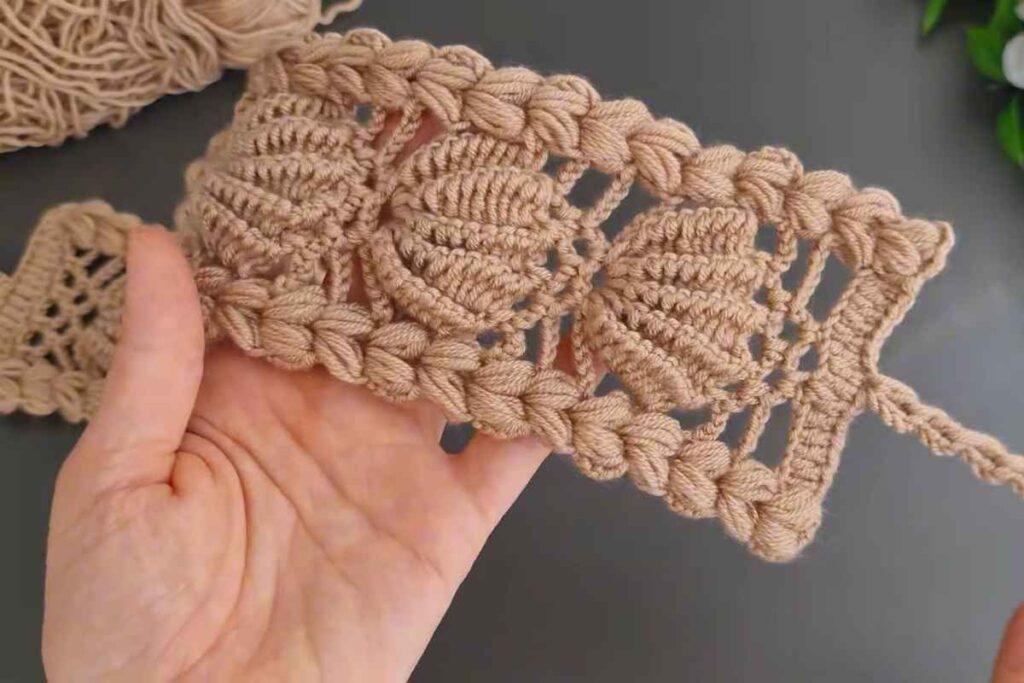
Tunisian Crochet Headband Tutorial: Square Stitch and 3D Relief Knits

Tunisian crochet is a unique and versatile technique that combines elements of both knitting and crochet. One of the standout features of Tunisian crochet is its ability to create textured, eye-catching patterns that are both functional and beautiful.
In this article, we will explore how to create a Tunisian crochet headband using square stitches and 3D relief knits, a pattern that adds depth and dimension to your project.
What is Tunisian Crochet?
Before diving into the headband project, let's briefly discuss what Tunisian crochet is. Often referred to as Afghan crochet, Tunisian crochet uses a long hook, similar to a knitting needle, and combines crochet and knitting techniques.
Unlike traditional crochet, where each stitch is completed before the next one is made, Tunisian crochet involves picking up stitches onto the hook, which are then worked in one go, creating a dense and firm fabric.
Materials You’ll Need
To get started with your Tunisian crochet headband, gather the following materials:
- Tunisian crochet hook (you can use a long hook or an interchangeable one)
- Yarn of your choice (medium weight yarn works well for headbands)
- Scissors
- Yarn needle for weaving in ends
Choose yarn that feels comfortable against your skin, as headbands come into close contact with your forehead.
Creating the Tunisian Crochet Headband
Step 1: Starting Your Foundation Chain
To begin your Tunisian crochet headband, start by creating a foundation chain. The length of the chain will depend on your headband size, but typically, you want the chain to be long enough to fit around your head comfortably.
Tip: For an average adult size, chain 20-30 stitches, depending on the thickness of your yarn. Adjust accordingly if you want a tighter or looser fit.

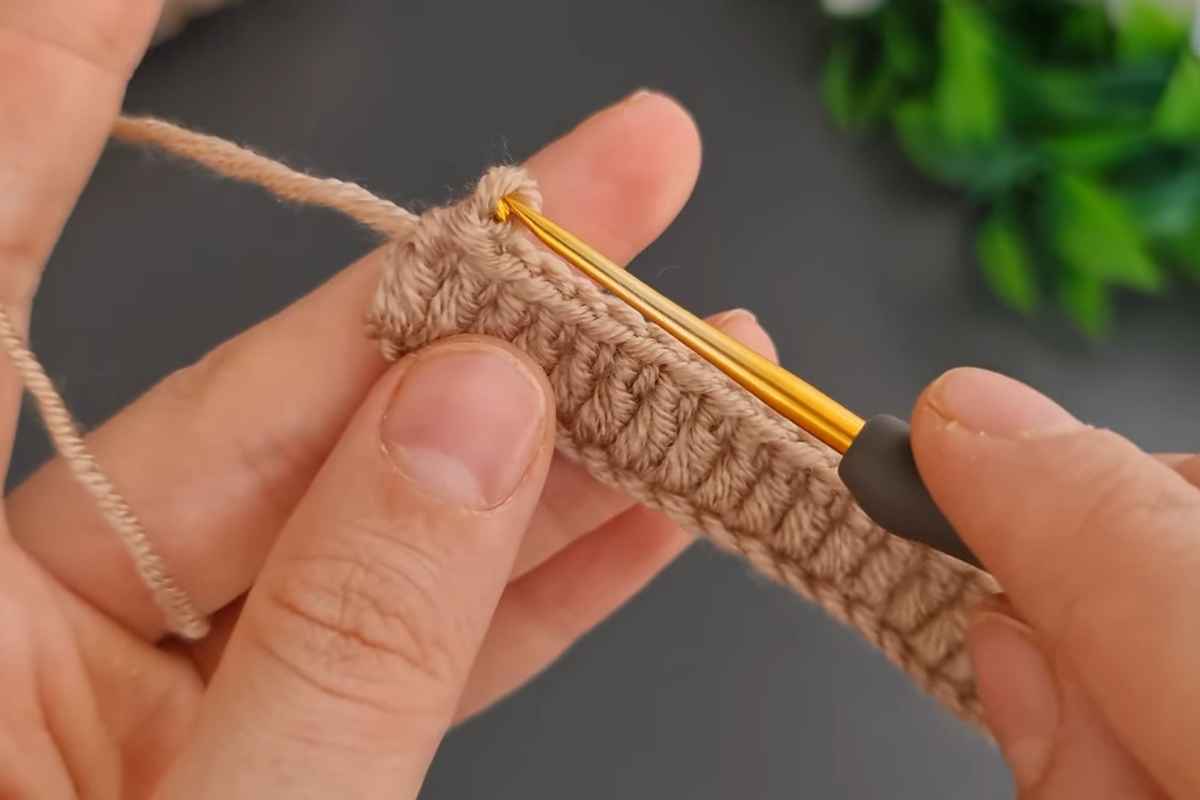
Step 2: Begin the Tunisian Simple Stitch (TSS)
Once you have your foundation chain, it's time to begin working the Tunisian Simple Stitch (TSS). This stitch is the foundation of most Tunisian crochet patterns and is ideal for creating a solid and structured fabric.
- Insert your hook into the second chain from the hook.
- Yarn over and pull up a loop. Leave the loop on the hook.
- Continue pulling up loops across all stitches on the foundation chain.
At the end of this row, you should have as many loops on your hook as there were chains in your foundation row. Turn your work and prepare to work the return pass.
Step 3: Return Pass
To complete the first row, you need to work the return pass. This step moves the loops from your hook onto the fabric to form the actual stitches.
- Yarn over and pull through one loop.
- Yarn over again and pull through two loops at a time until all loops are off the hook.

This return pass will create the first row of Tunisian crochet fabric.
Step 4: Working with Square Stitches
The next step involves incorporating square stitches into your headband for a textured effect. The square stitch is simple but creates a visually appealing geometric pattern.
- On the next row, insert your hook under both loops of the next stitch.
- Yarn over and pull up a loop.
- Repeat this process across the row.
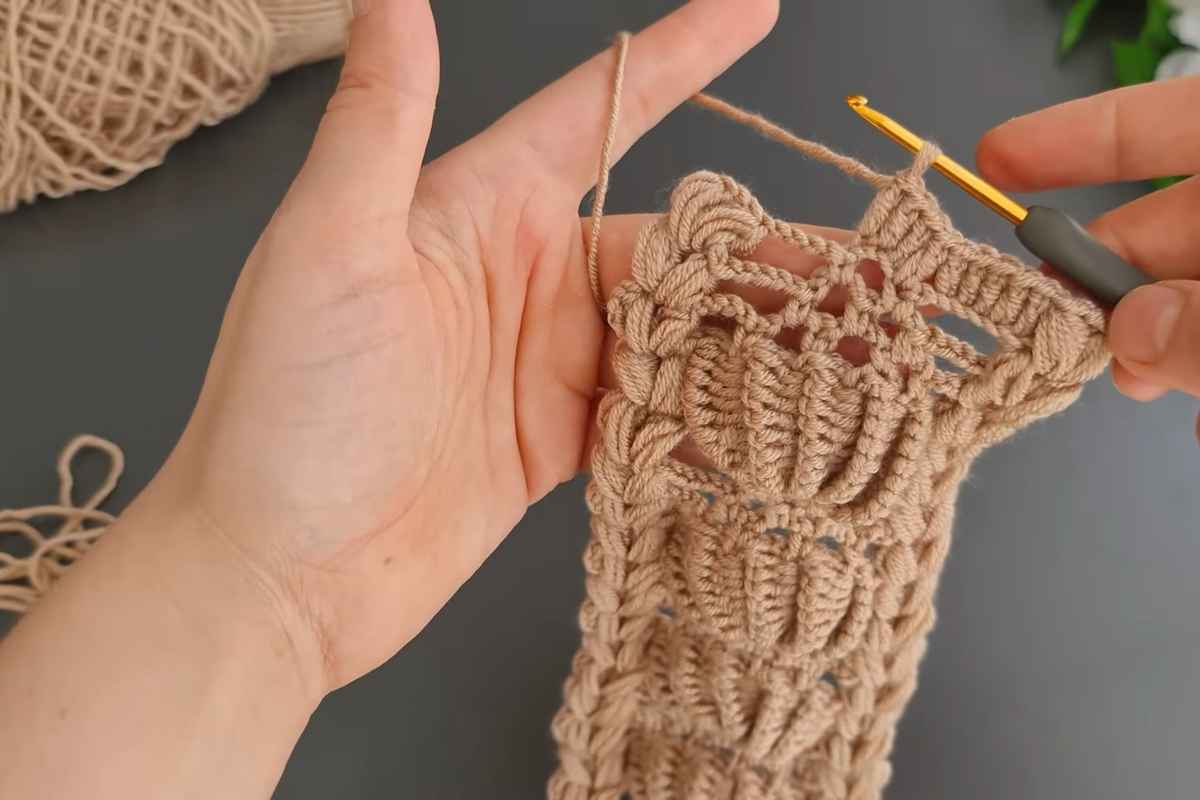
To add dimension, every few rows, you will add a 3D relief stitch, which will pop out from the fabric.
Step 5: Creating 3D Relief Knits
The 3D relief knit stitch is what gives this headband its unique texture. The relief stitches are worked in such a way that they stand out from the fabric, creating a raised, 3D effect. Here's how to incorporate them into your work:
- Insert the hook behind the vertical bar of the stitch from two rows below.
- Yarn over and pull up a loop. This creates the 3D stitch.
- Continue with the regular square stitch pattern.
The 3D relief stitch creates the illusion of depth and brings your headband design to life. It’s a fun and easy way to add texture without complicating the pattern too much.

Step 6: Closing the Headband
Once you've reached the desired width and have incorporated enough square stitches and 3D relief knits, it's time to finish your headband. To close it:
- Work your final return pass as usual.
- Then, cut the yarn, leaving a long enough tail for weaving in the ends.
- Use a yarn needle to sew the short ends of your headband together, forming a circular shape.
This final step is quick and easy, giving you a polished finish to your Tunisian crochet headband.
Tips for Success
- Gauge: Make sure to check your gauge before starting the project. Since you're creating a headband, you want the fabric to have a bit of stretch but not be too loose.
- Choosing yarn: Experiment with different textures and yarns. A cotton or wool blend yarn can create a soft yet durable headband.
- Stitch tension: If you're new to Tunisian crochet, it's important to maintain an even tension throughout your stitches to ensure your headband doesn't become too tight or too loose.
Why Choose Tunisian Crochet for a Headband?
Tunisian crochet is perfect for headbands because it produces a thick, warm fabric that will keep your ears snug and comfortable. The combination of square stitches and 3D relief knits creates an intricate design without the need for complicated shaping.
Plus, the fabric is firm enough to hold its shape, making it ideal for an accessory that will be worn often.
Master 3D Stitches
Creating a Tunisian crochet headband with square stitches and 3D relief knits is a fun and rewarding project that showcases the versatility of Tunisian crochet.
Whether you're new to the technique or a seasoned crocheter, this pattern provides a fantastic way to enhance your skills and create something both practical and beautiful.
Enjoy the process, experiment with different yarns, and soon you'll have a stunning headband that will surely attract compliments wherever you go!
Images and patterns courtesy of Knitting Love
Enjoy The Video Tutorial

Source: Knitting Love
Did you find this post useful or inspiring? Save THIS PIN to your Crochet Board on Pinterest!


More crochet projects for you