
Light Jets, Midsize Jets, and Heavy Jets: Which Category Fits Your Needs?
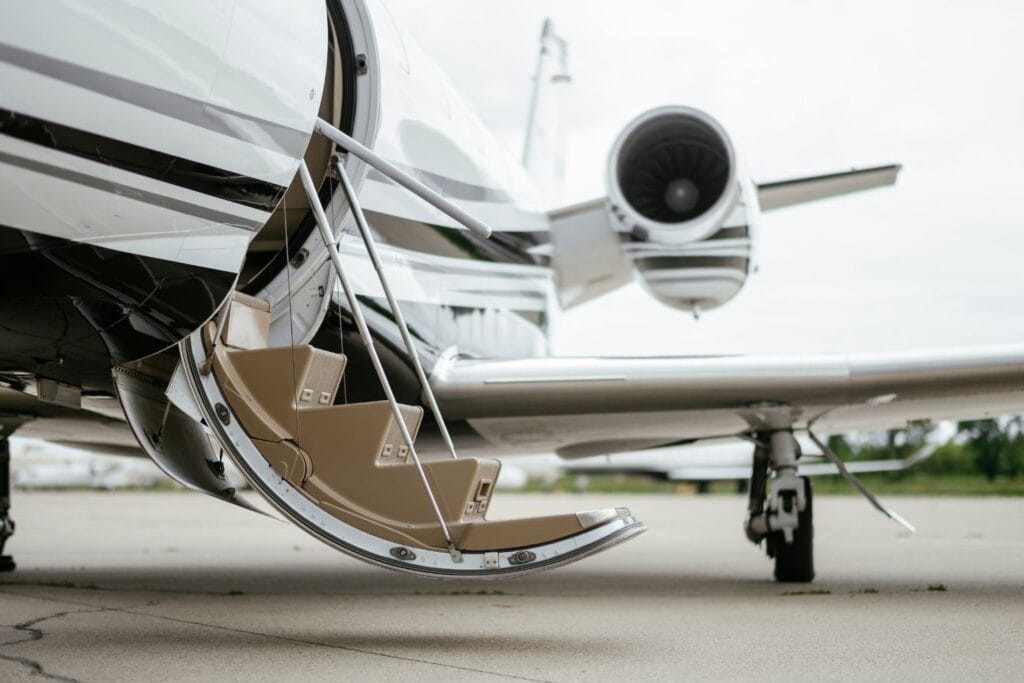
One of the greatest advantages of private aviation is flexibility. Unlike commercial airlines, which operate fixed schedules and standardized aircraft assignments, private jet charter allows travelers to choose an aircraft that precisely matches the requirements of each journey.
However, selecting the right aircraft involves much more than choosing the largest cabin or the fastest jet. Every mission has unique operational, logistical, and passenger-related requirements that influence which aircraft will deliver the best overall experience.
At Hera Flight, aircraft selection is a carefully planned process that balances safety, comfort, efficiency, and value. The goal is not simply to find an available aircraft, but to identify the most suitable solution for every specific mission profile.
Why Aircraft Selection Matters
The aircraft chosen for a flight affects nearly every aspect of the journey, including:
- Travel time;
- Passenger comfort;
- Operating costs;
- Airport accessibility;
- Baggage capacity;
- Fuel efficiency;
- Flight flexibility.
Selecting an aircraft that is too small may create space limitations, while choosing an aircraft that is unnecessarily large can increase costs without providing meaningful benefits.
Proper aircraft matching ensures the best possible balance between performance and value.
Understanding the Mission Profile
Every private flight begins with understanding the mission itself.
Before recommending an aircraft, aviation advisors evaluate several key factors.
Number of Passengers
Passenger count is one of the most important considerations.
For example:
- A business meeting involving four executives may be perfectly suited to a light jet.
- A family holiday with ten travelers may require a super-midsize or heavy jet.
Cabin comfort becomes increasingly important on longer flights.
Flight Distance
Route length determines the range requirements of the aircraft.
Short regional flights may be served efficiently by light jets, while international or intercontinental missions often require larger aircraft capable of flying nonstop.
Examples include:
- London to Paris;
- New York to Miami;
- Dubai to London;
- Los Angeles to Tokyo.
Each route requires different performance capabilities.
Airport Requirements
Not all airports are accessible to every aircraft type.
Factors that influence aircraft compatibility include:
- Runway length;
- Airport elevation;
- Local restrictions;
- Operating hours.
Smaller aircraft often have access to airports that larger jets cannot use, allowing passengers to arrive closer to their final destination.
Matching Aircraft to Mission Types
Different travel objectives often require different aircraft solutions.
Business Travel Missions
Corporate travelers typically prioritize:
- Efficiency;
- Reliability;
- Productivity.
Aircraft selected for business travel often feature:
- Comfortable seating;
- Workspaces;
- Wi-Fi connectivity;
- Conference-style cabin layouts.
Popular options include:
- Citation XLS;
- Challenger 350;
- Gulfstream G280.
These aircraft offer excellent performance while supporting in-flight productivity.
Executive and VIP Travel
For high-profile executives and VIP passengers, additional considerations may include:
- Privacy;
- Luxury amenities;
- Long-range capability;
- Premium cabin design.
Heavy jets and ultra-long-range aircraft are frequently preferred for these missions.
Examples include:
- Gulfstream G650;
- Bombardier Global 7500;
- Falcon 8X.
These aircraft provide exceptional comfort and operational flexibility.
Family Vacations
Family travel often requires:
- Additional luggage space;
- Flexible seating;
- Comfortable cabins;
- Entertainment systems.
Aircraft selection depends on:
- Group size;
- Travel distance;
- Recreational equipment requirements.
Families traveling with ski gear, golf clubs, or pets may require larger baggage compartments.
Group Travel
Sports teams, corporate delegations, and large family groups often require aircraft with greater seating capacity.
Depending on the group size, solutions may include:
- Large business jets;
- VIP airliners;
- Multiple aircraft arrangements.
The objective is to ensure both comfort and operational efficiency.
Aircraft Categories and Their Ideal Missions
Light Jets
Light jets are ideal for:
- Short regional routes;
- Small groups;
- Quick business trips.
Advantages include:
- Lower operating costs;
- Access to smaller airports;
- Fast boarding processes.
Typical seating:
4–8 passengers.
Midsize Jets
Midsize jets offer greater cabin space and increased range.
Ideal for:
- Medium-distance travel;
- Business meetings;
- Small corporate groups.
Typical seating:
6–9 passengers.
Super-Midsize Jets
These aircraft represent one of the most versatile categories in private aviation.
Suitable for:
- Longer domestic routes;
- International travel;
- Enhanced passenger comfort.
Typical seating:
8–12 passengers.
Heavy Jets
Heavy jets provide exceptional range and cabin comfort.
Ideal for:
- Long-haul missions;
- International travel;
- Large executive groups.
Typical seating:
10–16 passengers.
Ultra-Long-Range Jets
Designed for global connectivity, these aircraft can complete many intercontinental routes nonstop.
Ideal for:
- International executives;
- High-net-worth travelers;
- Complex global itineraries.
Typical seating:
12–19 passengers.
Comfort Considerations
Comfort means different things to different travelers.
Important factors include:
Cabin Height and Width
Larger cabins provide:
- Greater freedom of movement;
- Improved comfort;
- Enhanced working environments.
Sleeping Arrangements
Long-haul flights may require:
- Fully reclining seats;
- Divans;
- Dedicated sleeping areas.
Connectivity
Modern passengers increasingly expect:
- High-speed Wi-Fi;
- Satellite communications;
- Entertainment systems.
These features can significantly influence aircraft selection.
Baggage Requirements Matter
Aircraft vary significantly in luggage capacity.
Travelers should consider:
- Number of bags;
- Sports equipment;
- Medical equipment;
- Business materials.
A jet that comfortably seats eight passengers may not necessarily accommodate eight passengers plus extensive luggage.
Proper planning prevents operational challenges.
Range and Fuel Efficiency
Longer routes require aircraft with sufficient range to avoid unnecessary fuel stops.
Nonstop flights provide several benefits:
- Reduced travel time;
- Improved convenience;
- Enhanced passenger comfort.
In some situations, selecting a larger aircraft capable of nonstop travel may offer greater value than a smaller aircraft requiring multiple stops.
Weather and Operational Flexibility
Certain aircraft perform better in challenging operational environments.
Factors include:
- High-altitude airports;
- Hot weather conditions;
- Short runways;
- Adverse weather.
Aircraft performance characteristics are carefully evaluated before recommendations are made.
Balancing Cost and Performance
Many travelers assume the largest aircraft automatically provides the best experience.
In reality, the best aircraft is the one that matches the mission profile most effectively.
Professional charter advisors balance:
- Passenger needs;
- Route requirements;
- Operational efficiency;
- Budget considerations.
The result is a solution that maximizes both value and comfort.
Common Aircraft Selection Mistakes
Choosing Based Solely on Price
The least expensive option may not offer the required comfort or capabilities.
Selecting an Aircraft That Is Too Small
Limited baggage space and reduced comfort can negatively affect the experience.
Overestimating Aircraft Requirements
Choosing a significantly larger aircraft than necessary can increase costs without delivering meaningful benefits.
Ignoring Airport Limitations
Not every aircraft can access every airport.
Professional planning helps avoid these issues.
How Hera Flight Selects Aircraft
At Hera Flight, every aircraft recommendation begins with understanding the client’s objectives.
We evaluate:
- Passenger count;
- Flight duration;
- Airport accessibility;
- Baggage requirements;
- Comfort preferences;
- Budget expectations.
Our team then identifies aircraft that provide the optimal balance of performance, safety, comfort, and value.
Because every journey is unique, every recommendation is customized.
Why Professional Aircraft Selection Improves the Experience
When aircraft are properly matched to mission requirements, passengers benefit from:
- Greater comfort;
- Better efficiency;
- Reduced travel time;
- Improved operational reliability;
- Enhanced overall satisfaction.
The aircraft becomes an extension of the travel experience rather than simply a mode of transportation.
The Future of Mission-Based Aircraft Selection
Advancements in aviation technology continue to improve aircraft matching capabilities.
Modern charter providers increasingly use:
- Real-time fleet data;
- Route optimization tools;
- Performance analytics;
- Availability monitoring systems.
These technologies help deliver more accurate recommendations while maintaining exceptional service standards.
Conclusion
Choosing the right aircraft is one of the most important decisions in private aviation.
The ideal aircraft depends on numerous factors, including passenger count, route length, airport access, comfort expectations, baggage requirements, and budget.
Rather than focusing solely on aircraft size or prestige, experienced aviation professionals evaluate the complete mission profile to identify the most effective solution.
At Hera Flight, we believe that every successful journey begins with selecting the right aircraft for the mission. Through careful planning, operational expertise, and personalized service, we help clients enjoy a seamless and exceptional private aviation experience every time they fly.
FAQ:
Why is aircraft selection important in private aviation?
The aircraft affects comfort, travel time, operational flexibility, airport access, and overall flight cost.
What factors determine the best aircraft for a flight?
Key factors include passenger count, route length, baggage requirements, airport restrictions, and comfort preferences.
Is a larger aircraft always better?
Not necessarily. The most suitable aircraft is the one that best matches the mission profile and passenger needs.
What aircraft category is best for short regional flights?
Light jets are often the most efficient option for short-distance regional travel.
Which aircraft are typically used for international flights?
Super-midsize, heavy, and ultra-long-range jets are commonly selected for international missions.
How does baggage influence aircraft selection?
Different aircraft have different luggage capacities, making baggage requirements an important consideration.
Can private jets access smaller airports?
Yes. Many private aircraft can operate from airports that are unavailable to commercial airlines.
Do business travelers require different aircraft than leisure travelers?
Often, yes. Business travelers may prioritize connectivity and productivity, while leisure travelers may focus on comfort and luggage capacity.
How does Hera Flight choose aircraft for clients?
We evaluate mission requirements, passenger preferences, operational considerations, and safety standards before making recommendations.
Why should travelers consult aviation experts before selecting an aircraft?
Professional advisors understand aircraft capabilities, operational limitations, and route requirements, helping ensure the best possible travel experience.
You may also like 👇🏼👇🏼