
2 BEST Methods to Propagate Pothos Cuttings


Pothos (Epipremnum aureum), also known as devil’s ivy, is one of the easiest houseplants to propagate.
If you’ve ever admired your plant’s long trailing vines and thought about multiplying them, you’ll be glad to know it’s simple to do.
In this guide, we’ll walk you through the two best methods to propagate pothos cuttings: in water and in soil.
Both are effective, but they come with different advantages. Let’s explore each step so you can choose the method that works best for you.
Propagating Pothos in Water
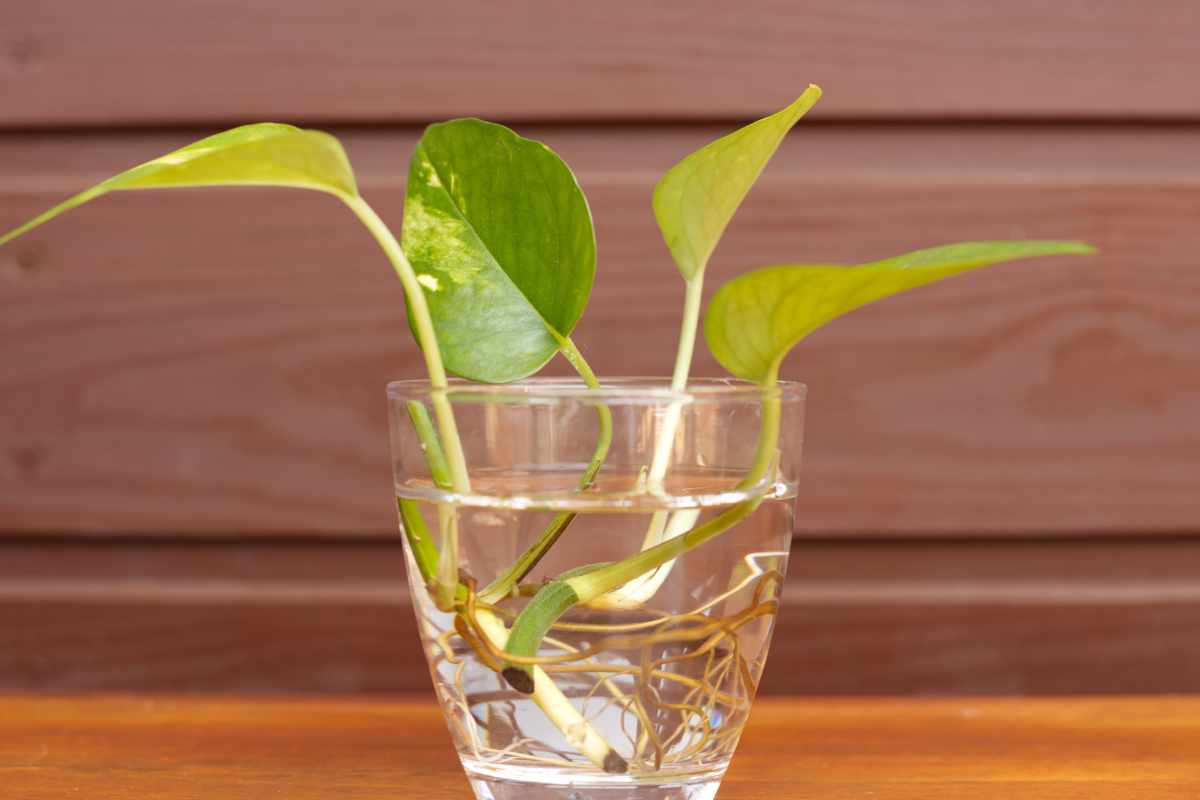
One of the most popular and visually pleasing ways to propagate pothos is by rooting cuttings in water.
It allows you to watch the roots develop, making it especially fun for beginners.
Steps for Water Propagation
Take a healthy cutting – Choose a vine with at least 4–6 inches in length. Cut right below a node (the spot where leaves grow). Make sure your cutting includes one or two leaves.
Place in water – Put the cutting in a clear glass jar filled with clean, room-temperature water. Ensure that at least one node is submerged.
Provide the right conditions – Keep the jar in a bright, indirect light spot. Change the water every 4–5 days to avoid bacteria buildup.
Wait for roots to grow – You should start seeing roots in about 2–3 weeks. Once they reach 2–3 inches long, your cutting is ready for potting.
Advantages of Water Propagation
You can easily monitor root growth.
It’s decorative — pothos cuttings in jars look beautiful on windowsills.
Perfect for first-time plant propagators.
Propagating Pothos in Soil
If you prefer a faster transition to a permanent pot, propagating directly in soil may be your best choice.
This method avoids transplant shock since the roots develop in their final growing medium.
Steps for Soil Propagation
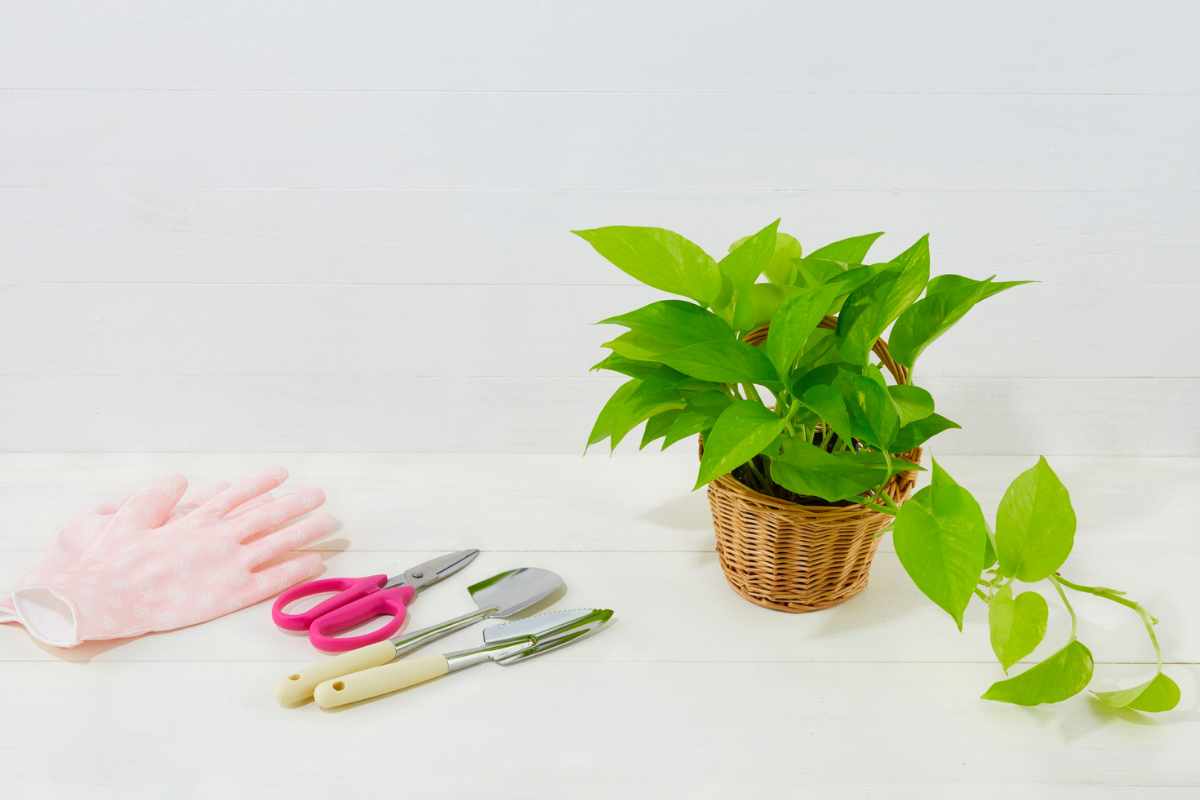
Prepare a pot – Use a small container with drainage holes and well-draining potting mix (a mix for indoor plants works great).
Insert the cutting – Dip the cut end of your pothos cutting in rooting hormone (optional but helpful) and plant it directly into the soil, making sure at least one node is buried.
Keep the soil moist – Water lightly to settle the soil, and keep it evenly moist but not soggy.
Provide humidity and warmth – Place the pot in a warm, bright area out of direct sun. Covering with a plastic bag can help maintain humidity during rooting.
Advantages of Soil Propagation
Roots adapt directly to soil, so no transplant is needed.
Faster acclimation for long-term growth.
Less risk of roots being too fragile when potting up.
Water vs. Soil: Which Method Should You Choose?
Both methods are effective, and the right choice depends on your preference and goals:
Choose water propagation if you want to enjoy watching roots develop and don’t mind transplanting later.
Choose soil propagation if you prefer a hands-off process and want the plant to grow directly in its permanent home.
Some gardeners even use both methods at once, experimenting to see which works better in their growing environment.
Common Mistakes to Avoid
Using unhealthy cuttings – Always start with strong, green stems.
Not enough light – Cuttings need bright, indirect light to thrive.
Overwatering in soil – Roots can rot if the soil stays soggy.
Waiting too long to transplant from water – Once roots are 2–3 inches, move them to soil before they become weak.

Caring for New Pothos Plants
Once your pothos cutting has rooted, treat it like a young plant:
Place in a pot with well-draining soil.
Water when the top inch of soil feels dry.
Provide bright, indirect light.
Fertilize monthly during spring and summer with a balanced houseplant fertilizer.
Your new pothos will soon begin to trail and climb, just like its parent plant.

The Joy of Propagating Pothos
Propagating pothos is not only easy but also rewarding.
Whether you choose to start your cuttings in water or soil, you’ll end up with a new plant to brighten your home or to share with friends.
With just a few simple steps, you can multiply your favorite houseplant and enjoy the lush beauty of pothos throughout your space.
Enjoy This Video Tutorial

Source: Techplant
Don’t forget to Subscribe to our Newsletter to receive amazing tips and tricks about Gardening and the FREE Ebook Green Living Strategies!
Did you find this post Useful or Inspiring? Save THIS PIN to your GARDENING Board on Pinterest! 😊

Once again, thank you for visiting our website!
We hope you've enjoyed exploring the content we've created for you.
Give yourself the chance to learn, get inspired, and have even more fun, keep browsing...
More Gardening Tips 👇🏼👇🏼