
5 Houseplant Myths Revealed


Houseplants do more than just decorate our homes—they purify the air and boost our wellbeing.
Yet, among new and casual plant owners, many houseplant myths circulate that can cause confusion or even lead to mistakes in care.
Today, we’re revealing the truth behind five of the most common myths.
1. Houseplants Need Water Every Day

Myth: “If you want your plant to grow, water it every day.”
Reality: Most houseplants actually suffer more from overwatering than underwatering. When soil remains constantly wet, roots can’t breathe properly, which can lead to root rot and even plant death.
Instead, water is based on the plant’s specific needs, pot size, and environmental conditions.
A simple trick is to stick your finger about an inch into the soil—if it feels dry, it’s time to water; if it’s still moist, wait a few days.
2. Direct Sunlight is Always Best

Myth: “All plants need direct sunlight to thrive.”
Reality: While sunlight is essential for photosynthesis, too much direct sunlight can scorch leaves and dry out the soil too quickly.
Many popular houseplants, like ferns, calatheas, and pothos, evolved under forest canopies, meaning they naturally thrive in bright, indirect light.
Positioning them near a north or east-facing window—or using sheer curtains to filter light—often leads to healthier leaves and more consistent growth.
3. Plants Can Survive Without Fertilizer

Myth: “Water is enough; fertilizer isn’t necessary.”
Reality: Water provides hydration, but it doesn’t supply essential nutrients like nitrogen, phosphorus, and potassium.
Fertilizer supports healthy growth, encourages strong roots, and helps produce vibrant flowers or lush foliage.
While houseplants can survive without it, they may grow slowly, develop pale leaves, or produce fewer blooms.
Using a balanced, water-soluble houseplant fertilizer during the growing season gives them the nutrients they naturally need to thrive.
4. Big Plants Need Huge Pots
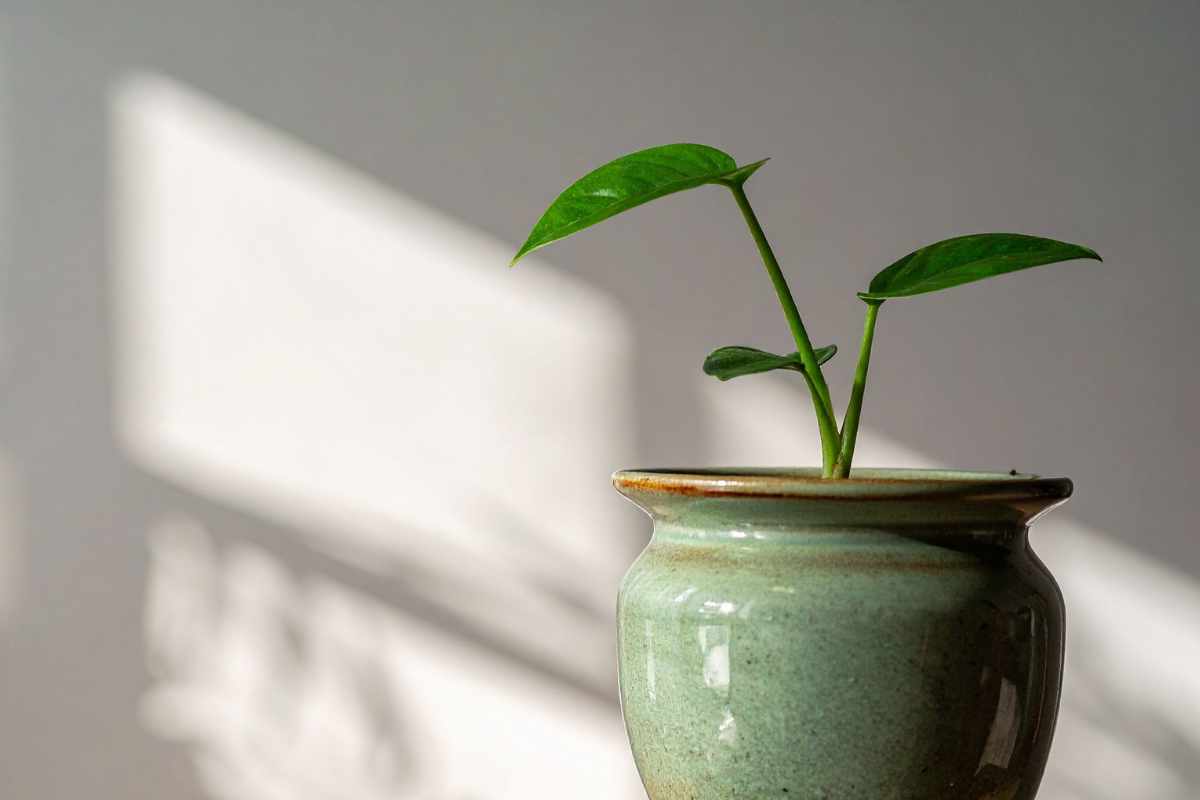
Myth: “A large plant needs a giant pot.”
Reality: A pot that’s too large can hold excess water, creating conditions for root rot. Plants actually prefer some restriction in their pot, which encourages roots to grow stronger and denser.
When it’s time to repot, choose a container just slightly larger than the current root ball and gradually increase pot size over time.
This strategy maintains proper soil aeration and moisture levels, reducing stress and promoting steady growth.
5. Plants Don’t Mind Being Moved
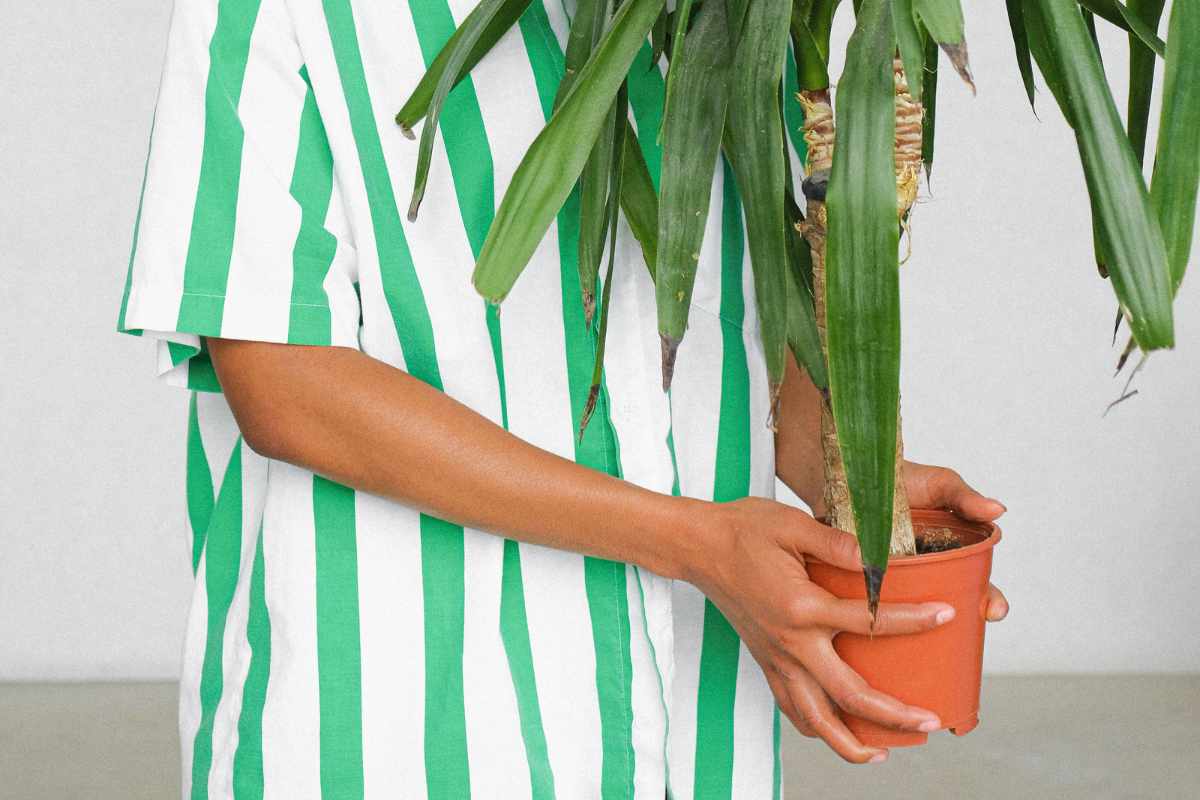
Myth: “It’s fine to move a plant to a different room.”
Reality: Plants are sensitive to environmental changes, especially shifts in light intensity, temperature, and humidity.
A sudden move can shock the plant, causing drooping leaves, leaf drop, or slowed growth.
To minimize stress, move the plant gradually, exposing it to its new environment in stages.
Final Tips for Thriving Houseplants
Observe your plants: Every species has specific needs; watch for signs of stress.
Avoid overwatering: This is the leading cause of houseplant death.
Provide proper light: Adjust placement according to species and season.
Fertilize moderately: Supports healthy growth without overfeeding.
Caring for your plants doesn’t have to be complicated. By avoiding these common houseplant myths, you can enjoy a greener, healthier home.
Don’t forget to Subscribe to our Newsletter to receive amazing tips and tricks about Gardening and the FREE Ebook Green Living Strategies!
Did you find this post Useful or Inspiring? Save THIS PIN to your GARDENING Board on Pinterest! 😊

Once again, thank you for visiting our website!
We hope you've enjoyed exploring the content we've created for you.
Give yourself the chance to learn, get inspired, and have even more fun, keep browsing...
More Gardening Tips 👇🏼👇🏼