
7 Mistakes That Ruin Your Raised Flower Beds (and How to Fix Them)

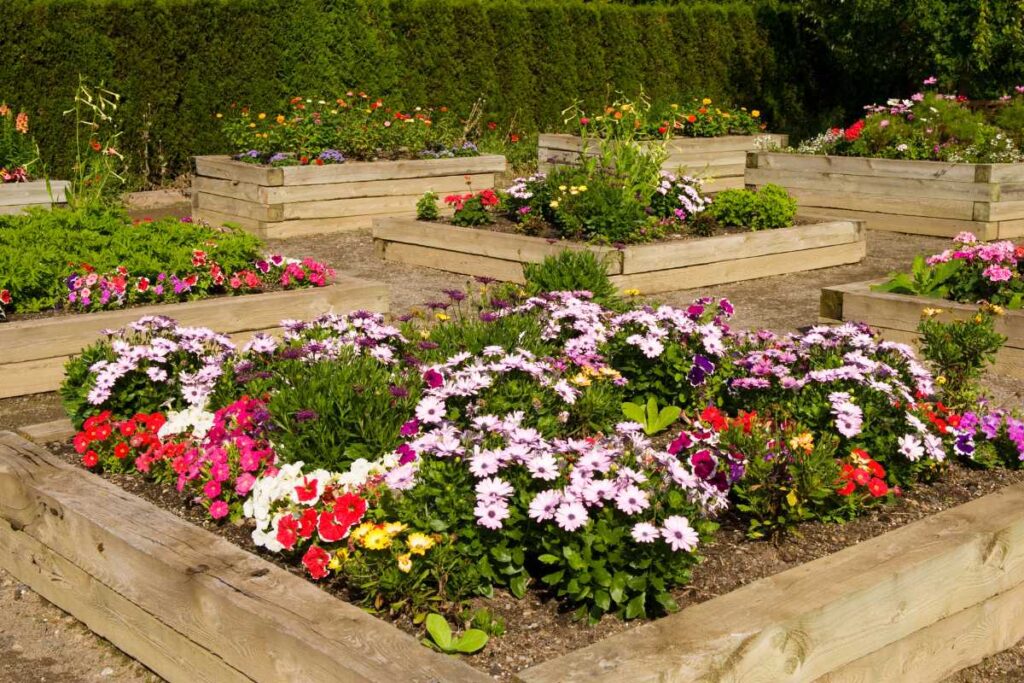
Raised Flower Beds can deliver lush blooms with less weeding and better soil—but only if you avoid a few common pitfalls.
Below you’ll find the seven mistakes that quietly sabotage color, vigor, and longevity in your beds, plus practical fixes you can apply this weekend in any backyard.
Mistake 1: Shallow Beds That Starve Roots
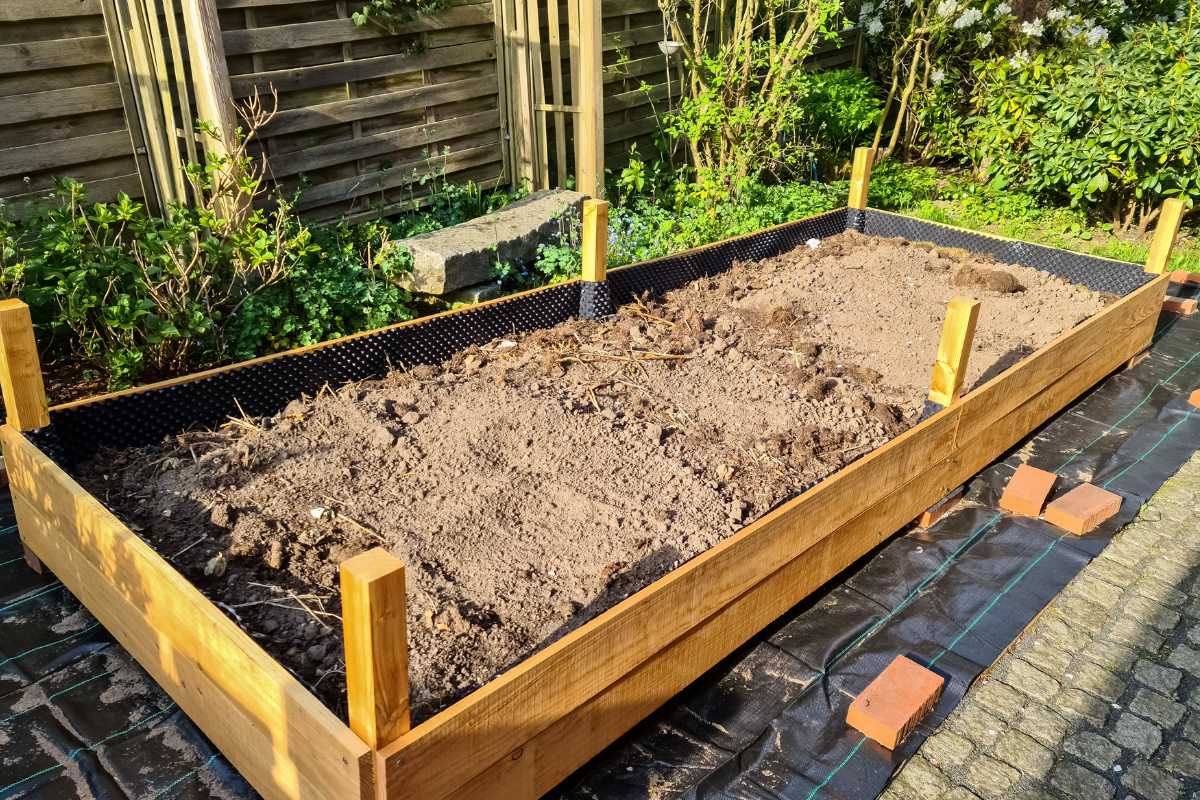
Flowers with strong root systems need depth to anchor and access moisture. Beds under 8–10 inches force roots to circle and dry out, especially during heat waves.
Fix: Aim for 12–18 inches of depth for most perennials and annuals. If you’re limited on lumber, convert to Elevated Flower Beds with deeper sides at least along one edge, or terrace soil to create pockets where tall bloomers can root deeply.
Mistake 2: Filling With Poor or Unbalanced Soil
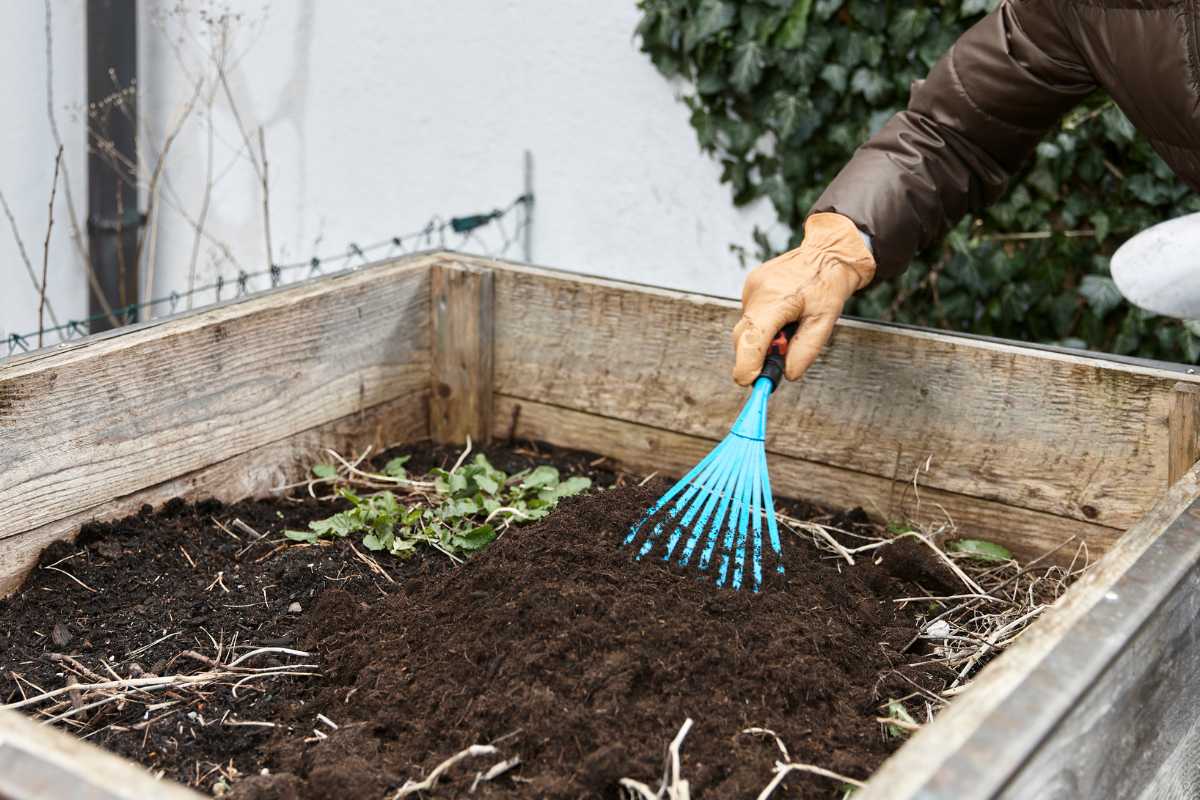
Pure topsoil compacts; straight compost runs hot and sours. Either way, your plants struggle. Good structure matters as much as nutrients.
Fix: Blend a simple 40/40/20 mix: 40% screened topsoil, 40% mature compost, 20% coarse material (pine fines or perlite) for drainage. Refresh annually with 1–2 inches of compost and a slow-release organic flower fertilizer to keep flower raised beds performing.
Mistake 3: Ignoring Sun Patterns

Six hours of direct sun means six hours, not filtered shade. Planting sun lovers where the garage casts afternoon shadows guarantees leggy growth and fewer blooms.
Fix: Track sun for a full day before planting. Put tall, heat-loving annuals toward the sunniest edge and shade-tolerant fillers where light is gentler. Rotating color blocks through the seasons is one of the easiest raised garden flower beds ideas to keep displays fresh.
Mistake 4: Overcrowding (Pretty Today, Problems Tomorrow)
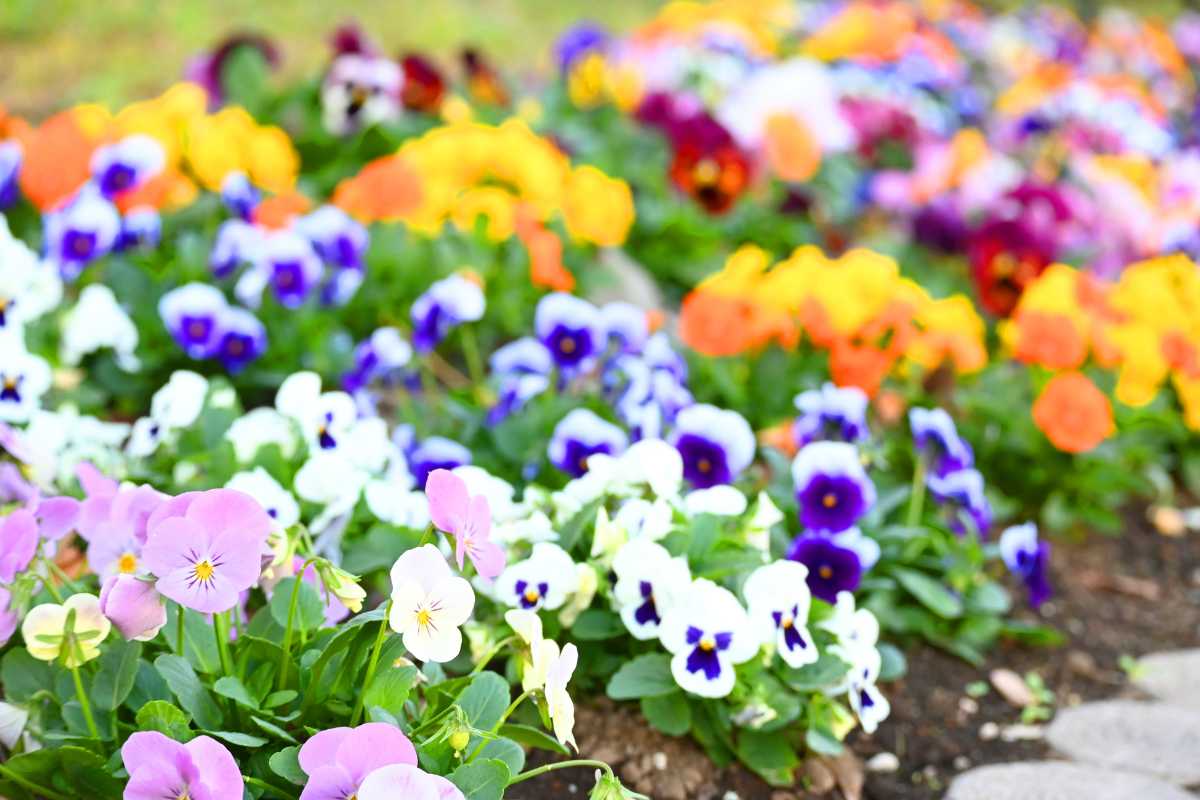
Stuffing plants looks full at planting time but invites disease and forces constant pruning. Airflow is your bloom insurance.
Fix: Follow mature spacing on tags and stagger in a triangle pattern. Use low, fast fillers for first-season coverage, then thin as perennials expand. This gives raised flower garden beds a high-end, layered look without the mildew.
Mistake 5: Watering Like It’s Ground Level
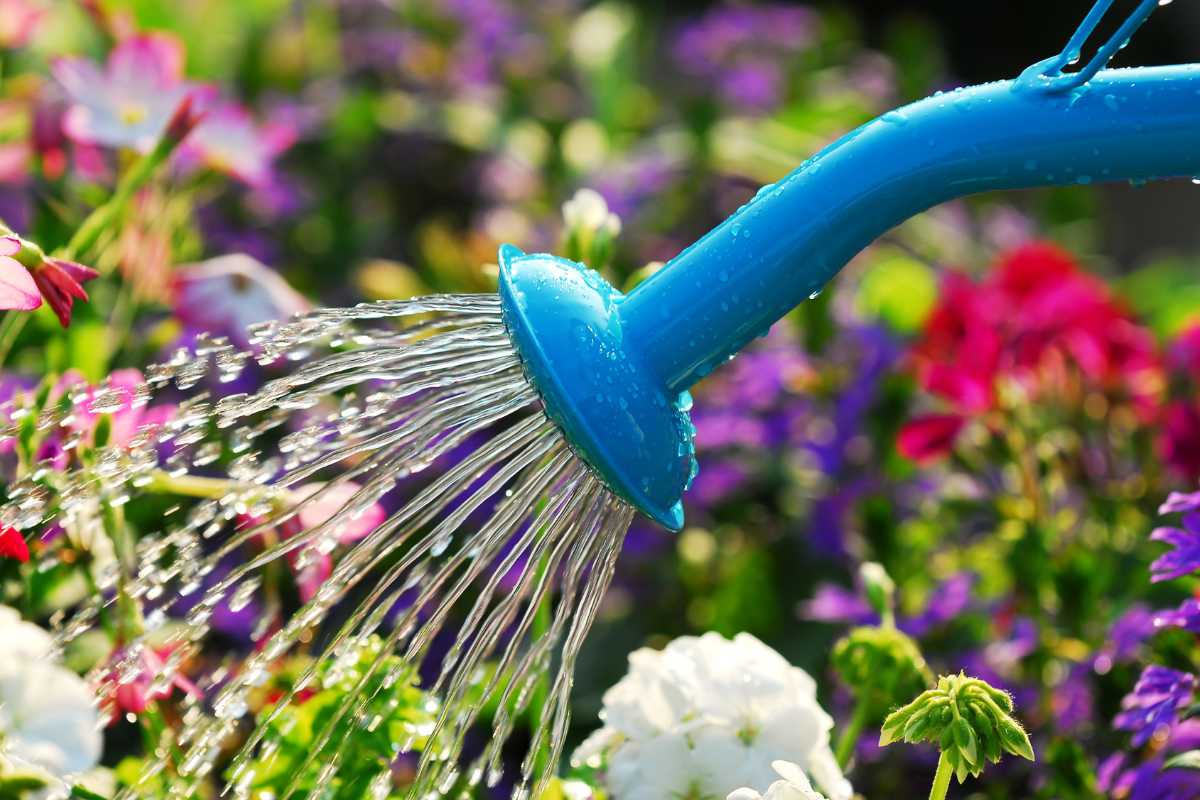
Above-grade soil drains faster and warms quicker. Watering “whenever” leaves roots alternating between drought and soggy spells.
Fix: Install a simple drip line on a timer and mulch 2–3 inches with shredded bark or leaf mold. Deep, infrequent watering encourages roots to chase moisture. In windy sites, a windbreak or taller border plants protect evaporation-prone raised flower beds backyard.
Mistake 6: No Edge Control
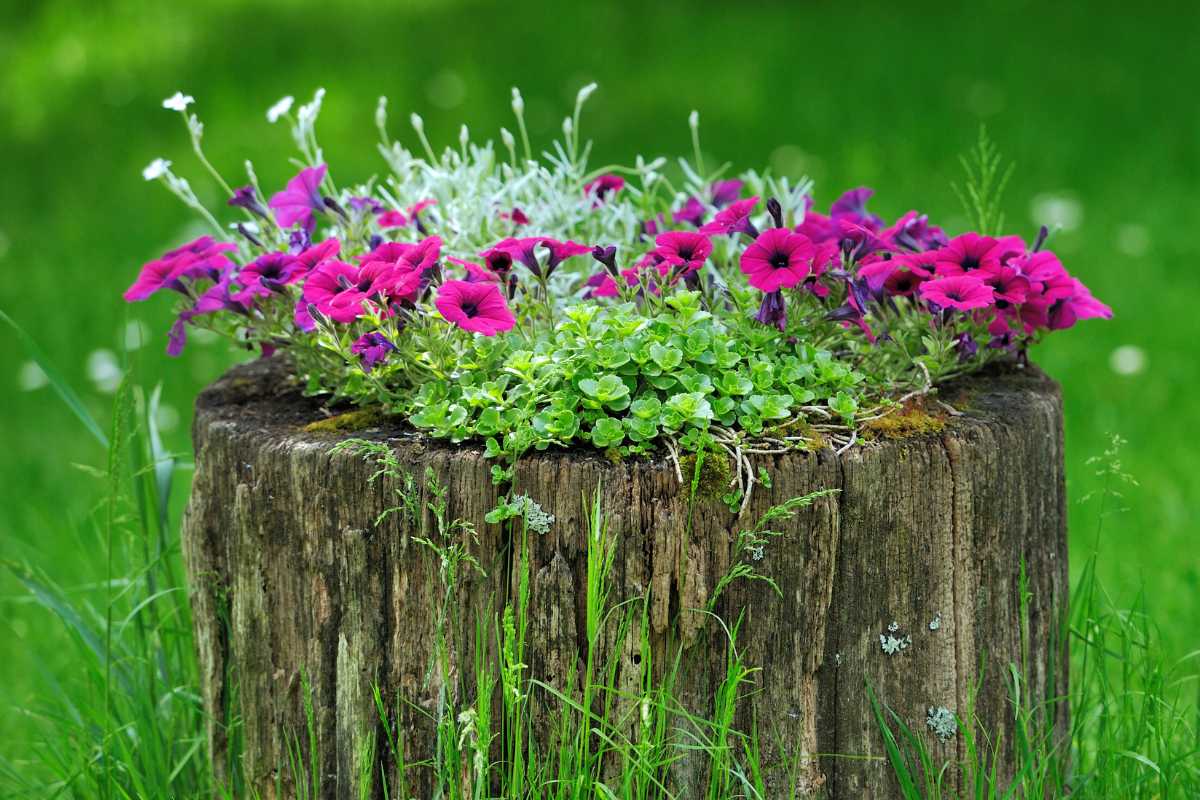
Grass creeping in and soil slumping out both ruin edges. Floppy borders make even healthy plantings look neglected.
Fix: Add a rigid cap board or metal edging inside the frame. Compact the first inch of soil along edges and top with decorative stone or mulch for a crisp line that defines your raised garden flower beds.
Mistake 7: Planting Only One Season
Designing for spring alone leaves months of empty greens. Beds should perform from the first tulips to the last chrysanthemums.
Fix: Layer bulbs, long-bloom annuals, and backbone perennials. Think tulips → salvias & zinnias → asters. This season-stacking turns Easy Raised Flower Beds into reliable, three-season showcases with minimal replanting.
Bonus: Frames, Materials & Layouts That Last

Untreated softwood rots quickly; cheap fasteners rust. Your frame is the foundation of beauty. Choose rot-resistant wood (cedar), composite boards, or masonry for longevity, and use exterior-grade screws.
For tidy access, keep beds no wider than 4 feet. A U-shape around a small patio makes maintenance easy and elevates the look—classic raised beds flower garden design that blends function and style.
Quick Planning Checklist
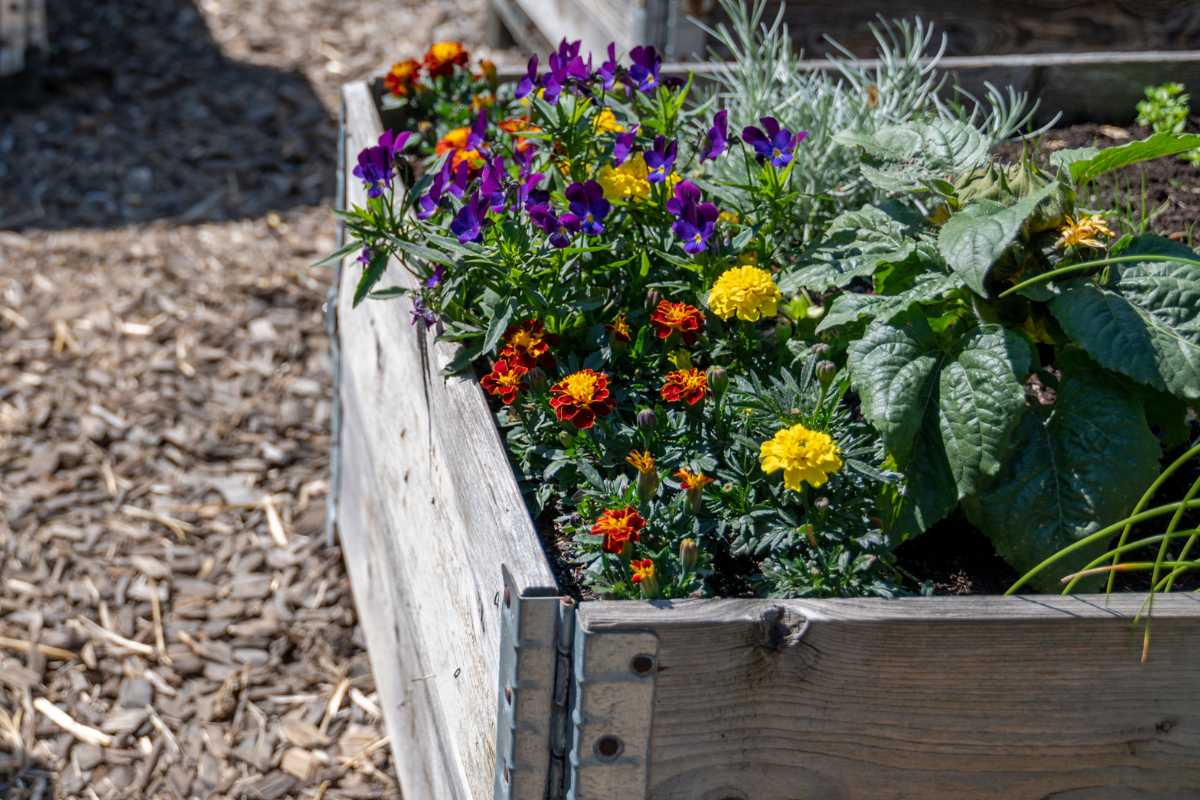
Depth? 12–18 inches. Soil? Balanced blend with drainage. Sun? Measured honestly. Spacing? By mature width. Water? Drip + mulch. Edges? Capped and clean. Seasons? Layered bloomers. With these boxes checked, your Raised Flower Beds will look intentional, not accidental.
If you’re short on space, a single statement bed near the entry can deliver impact. Add a bench or stepping stones to invite closer viewing and simplify maintenance.
Inspiration: Themes That Always Work
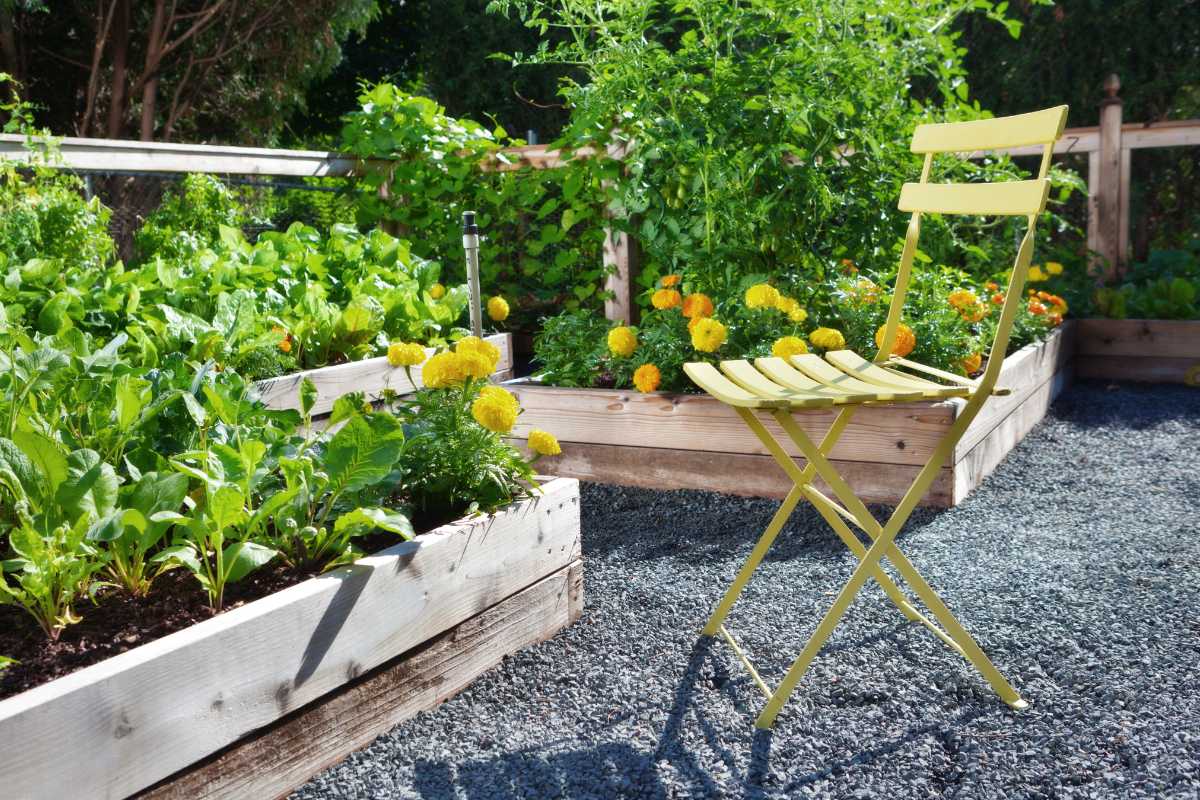
Monochrome (all pinks), pollinator-friendly (salvias, coneflowers, lantana), or Mediterranean (lavender, rosemary, sage) are foolproof themes. Grouping by theme streamlines care and creates magazine-worthy cohesion in raised flower garden beds.
Prefer drama? Pair dark foliage with neon blooms, or alternate airy grasses with dense flower spikes for a designer rhythm that reads custom.
Maintenance That Protects Your Investment
Deadhead weekly, top-dress with compost every spring, and renew mulch mid-summer. A light monthly liquid feed keeps annuals pumping flowers. Inspect for pests while you water—early action keeps problems small.
Before winter, cut back diseased foliage and leave structural seed heads for wildlife and winter interest. Your frames—and the birds—will thank you.
Wrap-Up & Next Steps
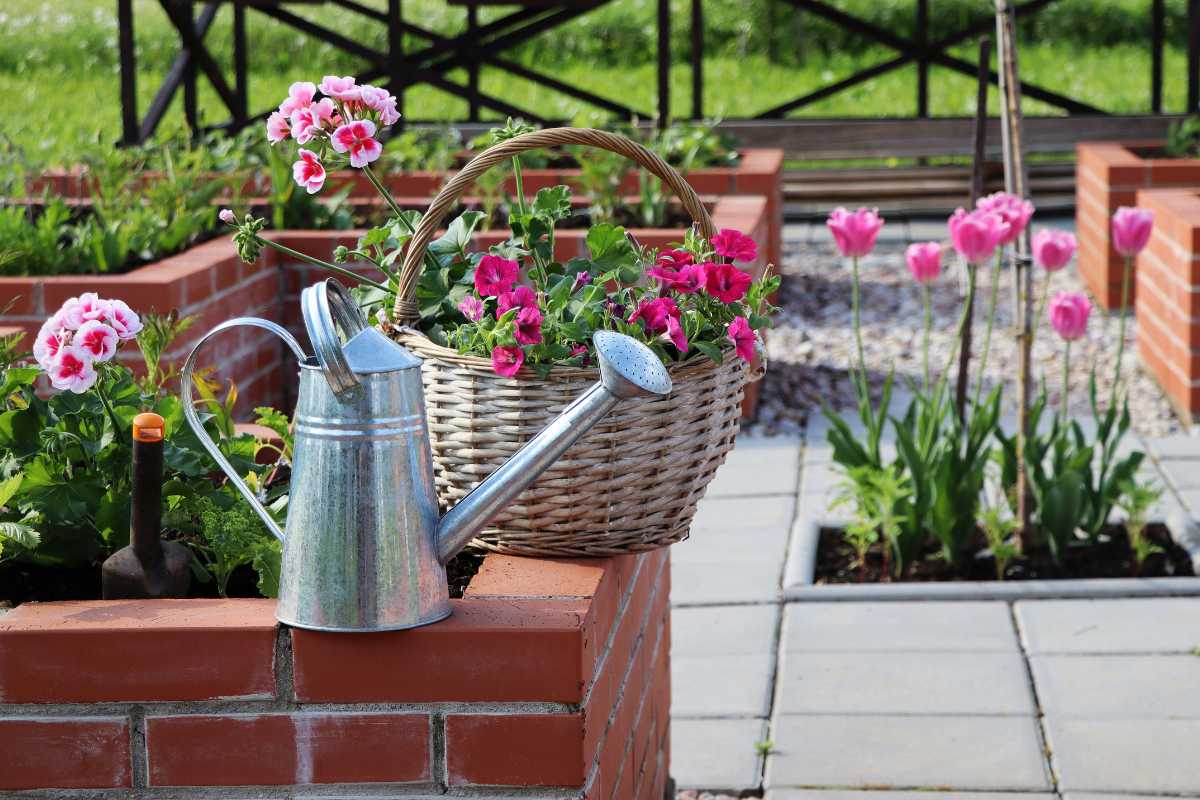
Avoid these seven mistakes and your beds will deliver color, structure, and fragrance for months. Whether you build classic boxes or sleek Elevated Flower Beds on a patio, the same principles apply.
Ready to plan? Sketch two options and pick the one that aligns with sunlight, access, and watering. That’s how great raised garden flower beds start—and how they stay beautiful.
Explore More Garden Guides
Keep learning with layout tips, plant lists, and seasonal care to elevate your backyard. Browse our latest ideas and turn inspiration into a flourishing display all year long.
More Gardening Tips 👇🏼👇🏼