
Types Of Aster Flowers: A Complete Garden Guide

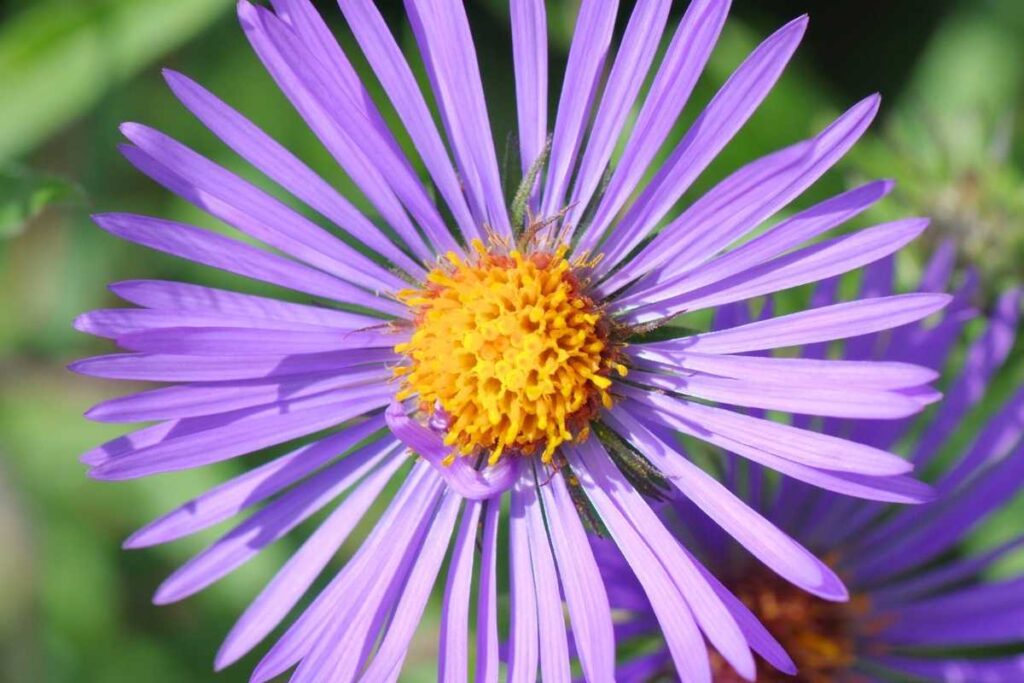
Types Of Aster Flowers sparkle from late summer to frost, filling borders with starry blooms that bees adore.
In this friendly flower guide, you’ll meet the most reliable perennial aster plants, learn how to choose by size and site, and explore classic aster flower colors—from misty blue to vibrant magenta—so you can pick the perfect garden aster plants for four-season interest.
Why Grow Asters? Late-Season Stars With Pollinator Power
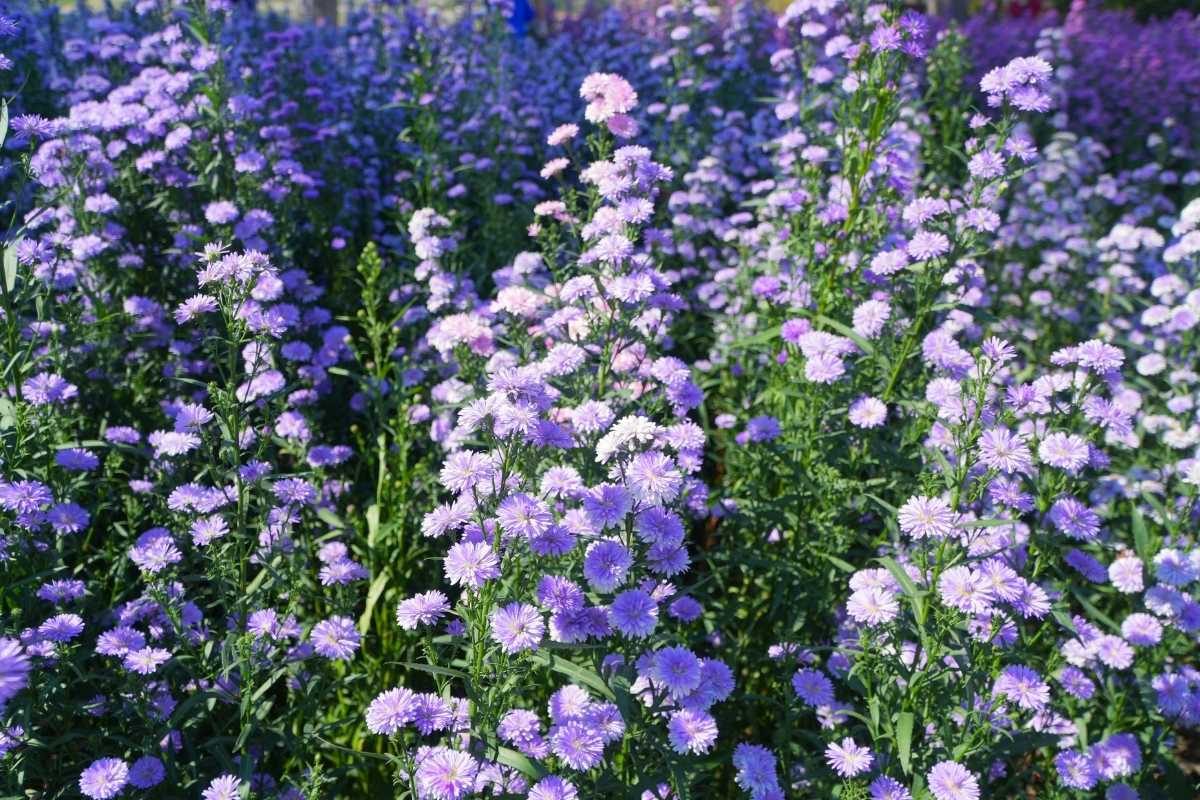
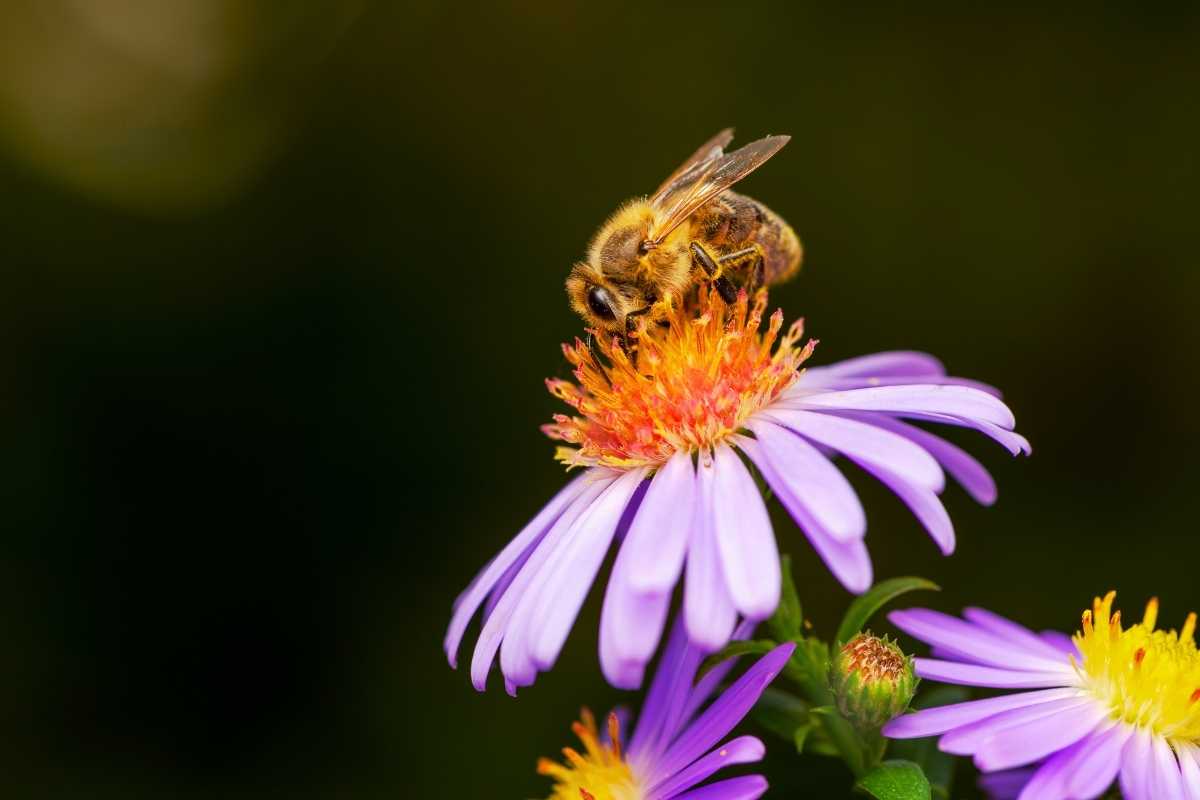
When much of the garden begins to fade, aster flower displays rev up, supplying nectar for migrating butterflies and hungry bees. Their tidy mounds and cloudlike sprays slot neatly into beds without stealing the spotlight from summer perennials.
Most selections are hardy and low maintenance, returning each year with bigger performances. If you want color that carries you into autumn, asters flower at exactly the right moment, bridging the gap between summer heat and crisp fall days.
Understanding Asters: Names, Groups, and Habits
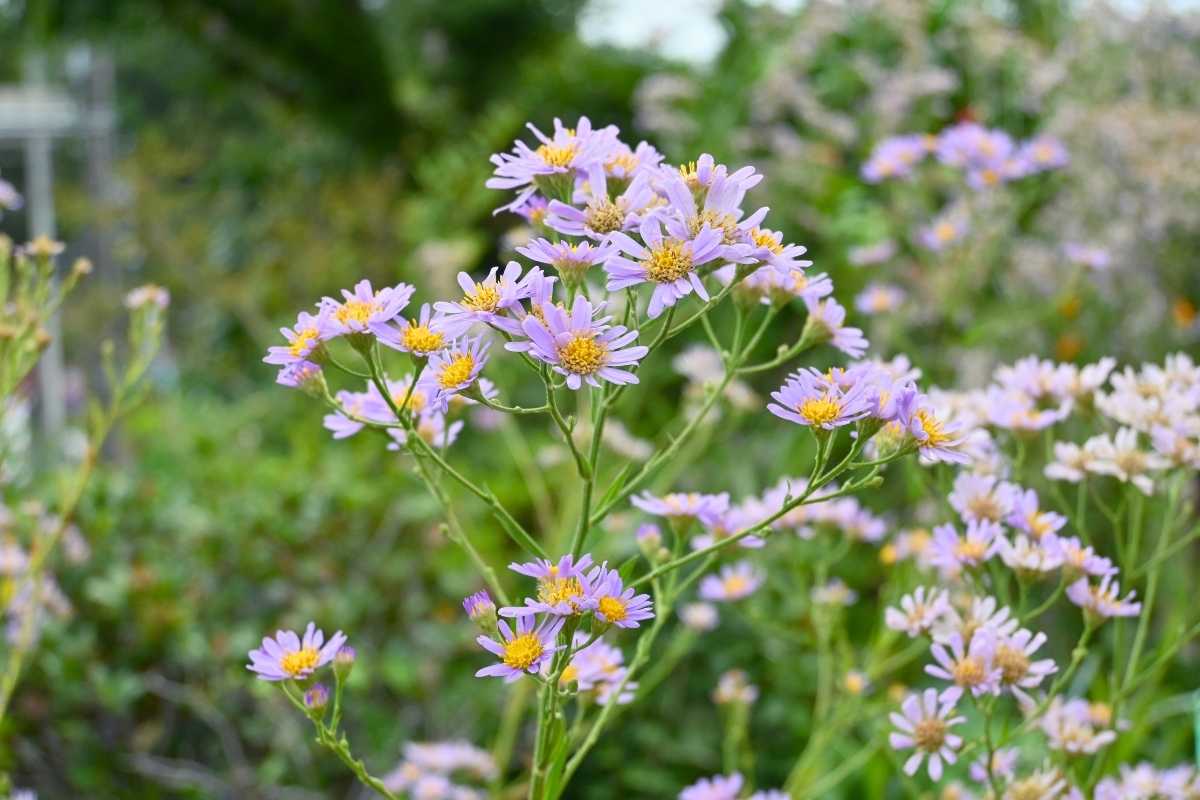
Many North American “asters” were reclassified to genera like Symphyotrichum and Eurybia, but gardeners still call them asters—and they behave just the same.
Think of them in three helpful groups: tall border types for the back of beds, mid-height mounded forms for the middle, and airy, small-flowered species for naturalistic plantings.
All appreciate sun (6+ hours) and well-drained soil. Pinching stems in early summer encourages branching and delays bloom a touch for denser displays. Consistent moisture yields fuller plants and richer hues.
Signature Types Of Aster Flowers (Choose By Look & Use)
New England & New York Asters (Big Color, Big Impact)
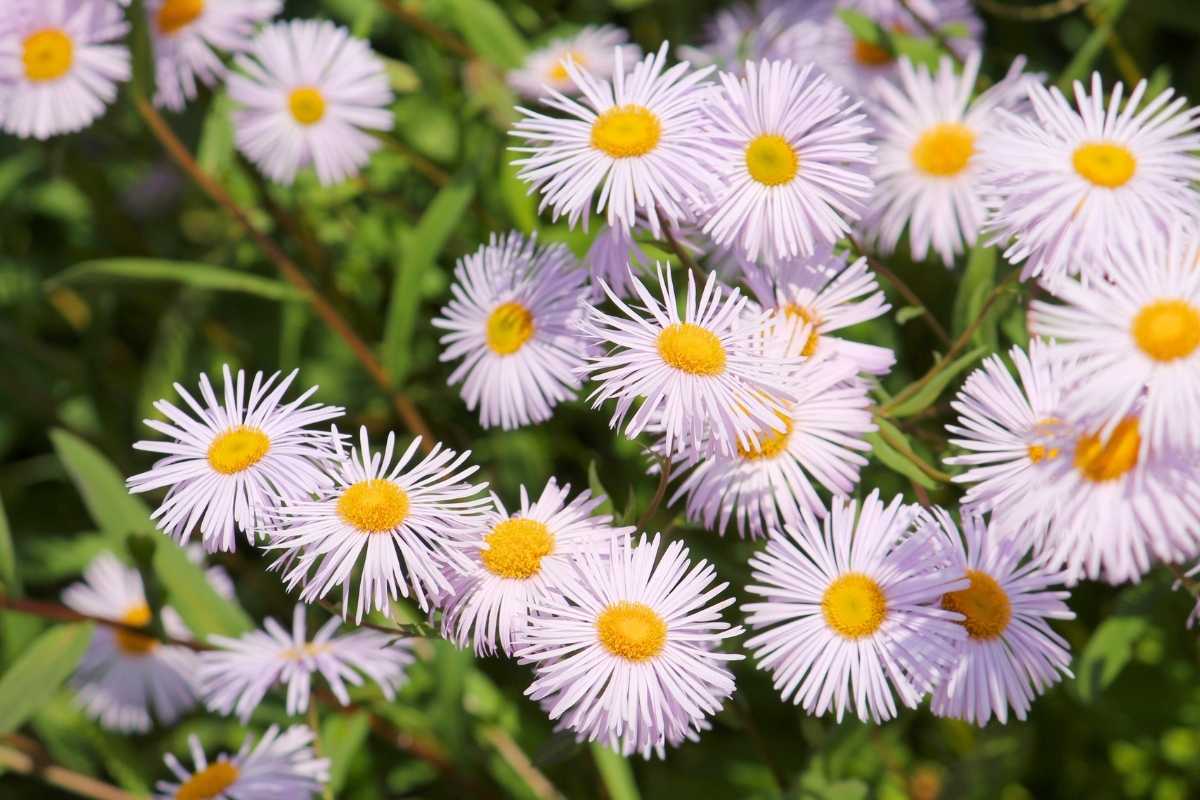
New England aster (Symphyotrichum novae-angliae) brings saturated purples, hot pinks, and deep violets on sturdy stems 3–6 ft tall. It’s a butterfly magnet for bold, back-of-border color and pairs beautifully with switchgrass and goldenrod.
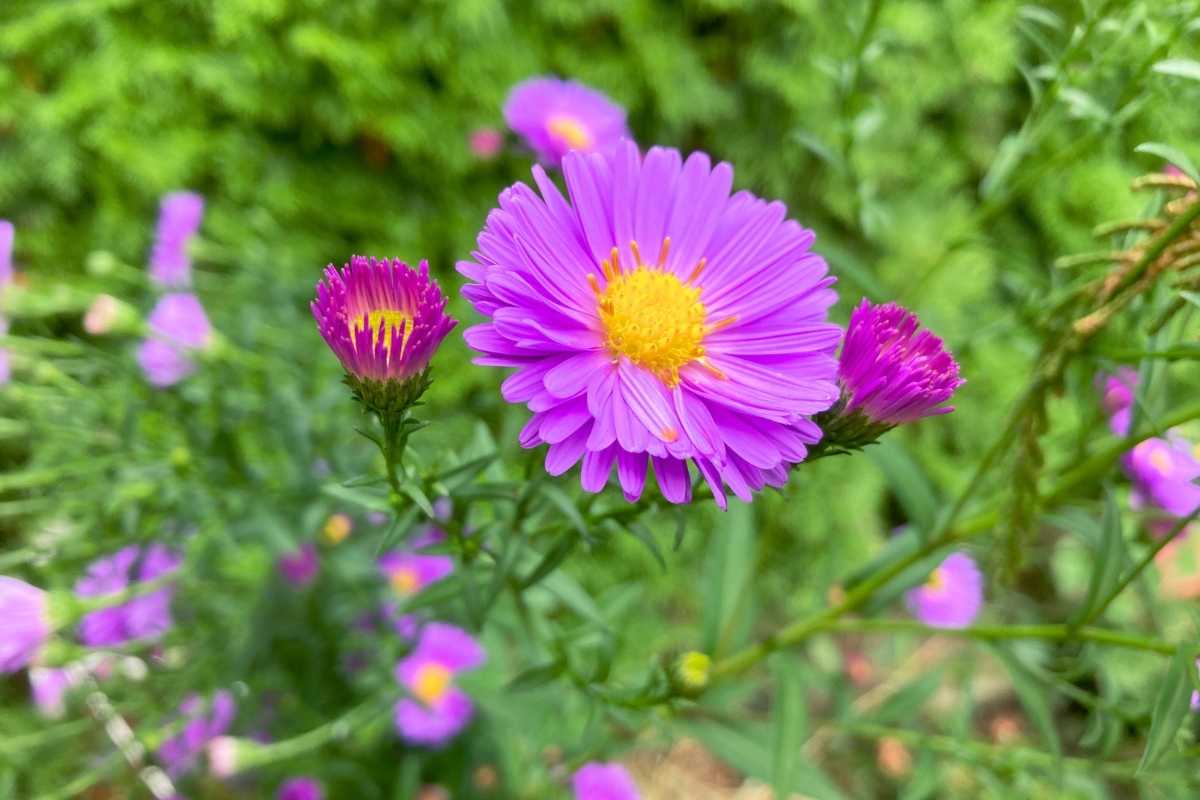
New York aster (Symphyotrichum novi-belgii) offers similar daisy-like blooms but on slightly slimmer stems, excellent for cut flowers. Both are classic aster perennial choices that thrive in full sun and regular moisture.
Smooth & Aromatic Asters (Compact, Carefree Mounds)
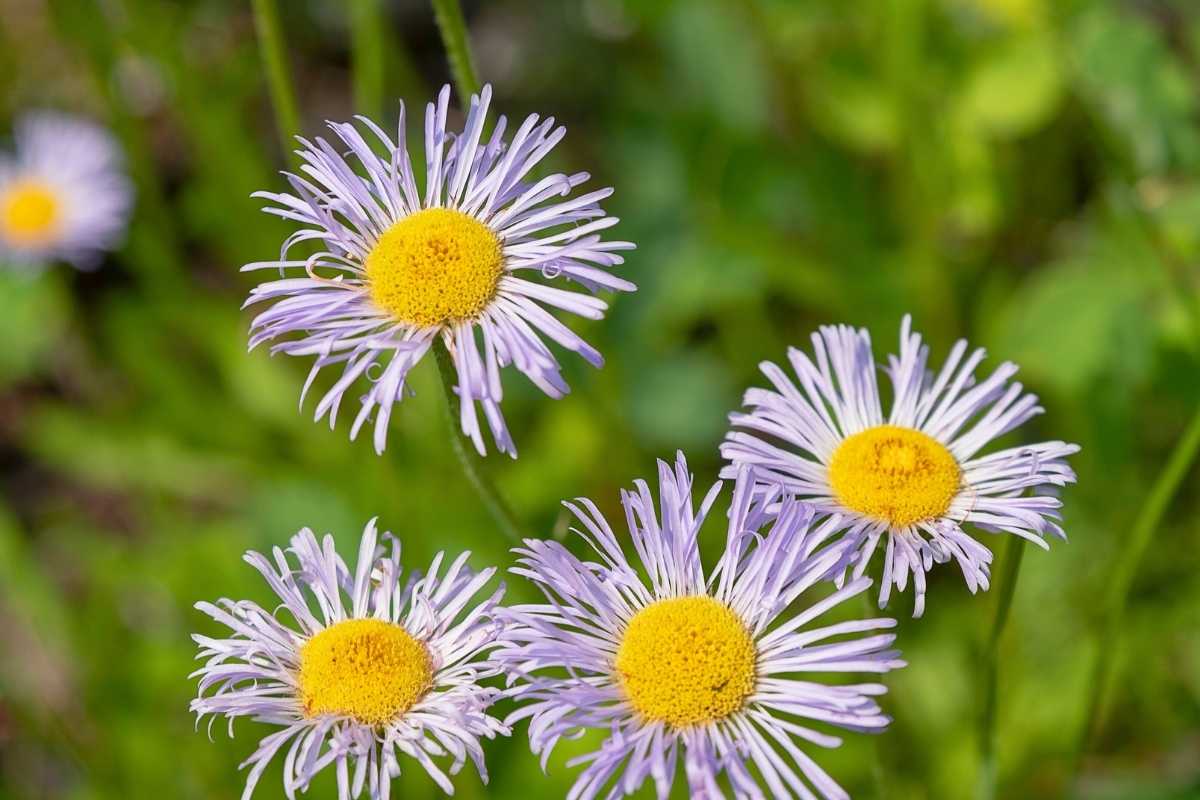
Smooth aster (Symphyotrichum laeve) forms neat mounds with bluish foliage and sky-blue flowers, handling heat and drought better than many. It’s ideal for smaller spaces or low-water designs.
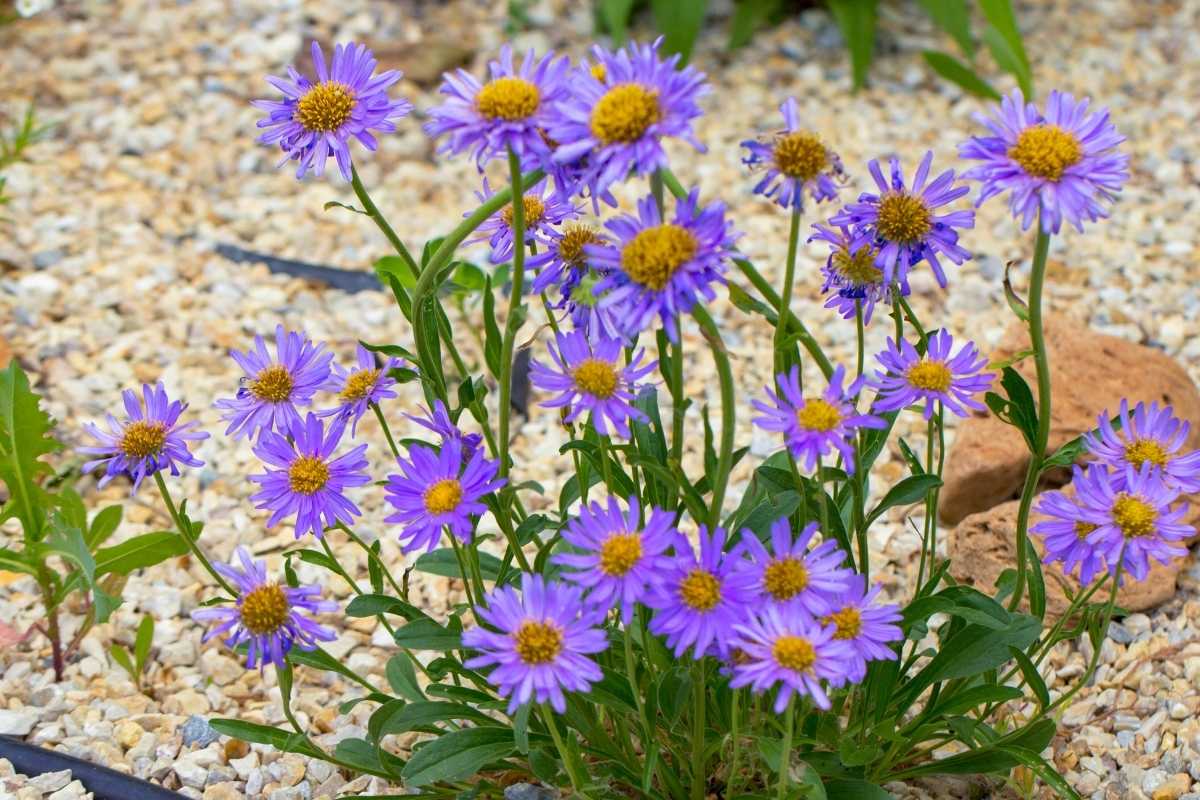
Aromatic aster (Symphyotrichum oblongifolium) stays compact (1–2.5 ft) and releases a pleasant scent when brushed. Expect carpets of lavender-blue blooms that look pristine even after light frost.
Heath, Calico & Sky-Blue Asters (Fine Texture, Airy Clouds)
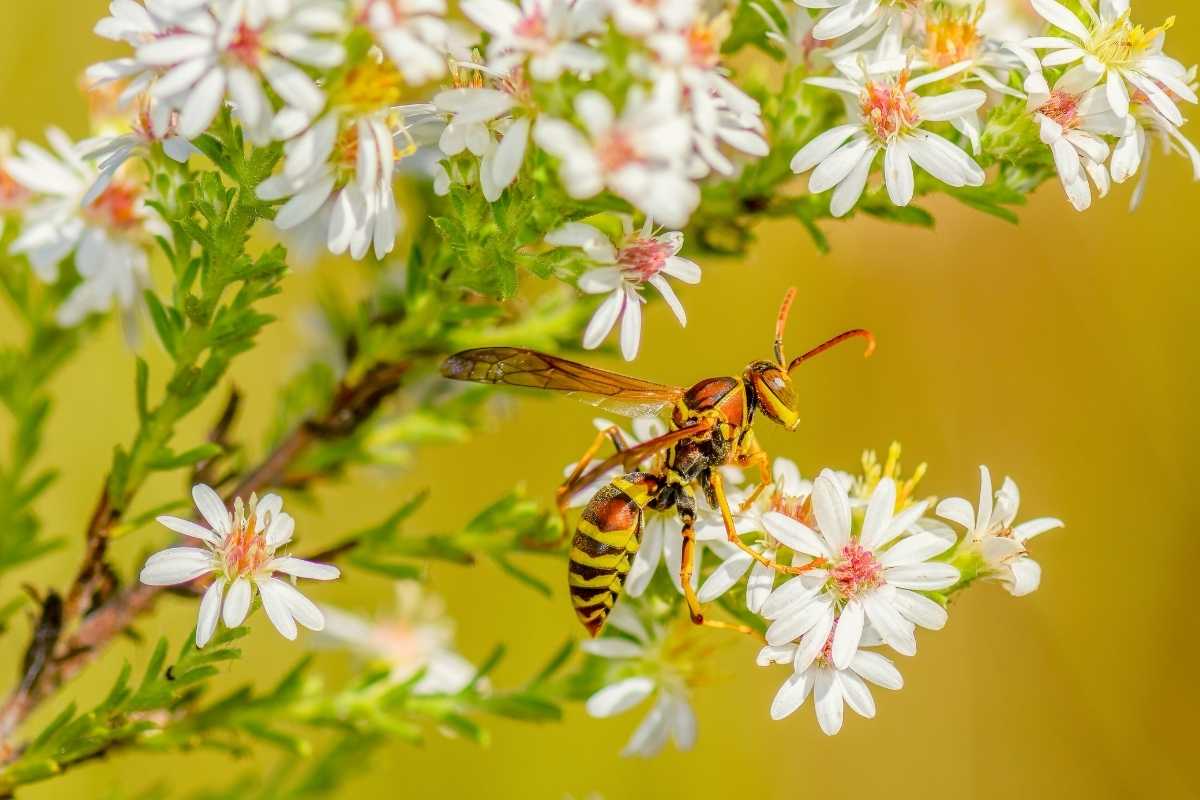
Heath aster (Symphyotrichum ericoides) creates billows of tiny white daisies that sparkle in late light—a superb foil for ornamental grasses. Its fine texture plays well in prairie-style plantings.
Calico aster (Symphyotrichum lateriflorum) has petite flowers with contrasting centers that age from yellow to burgundy, adding depth in mixed borders. Sky-blue aster (Symphyotrichum oolentangiense) delivers clear blue tones on wiry stems that never feel heavy.
Alpine & Tatarian Asters (From Rock Gardens to Giants)
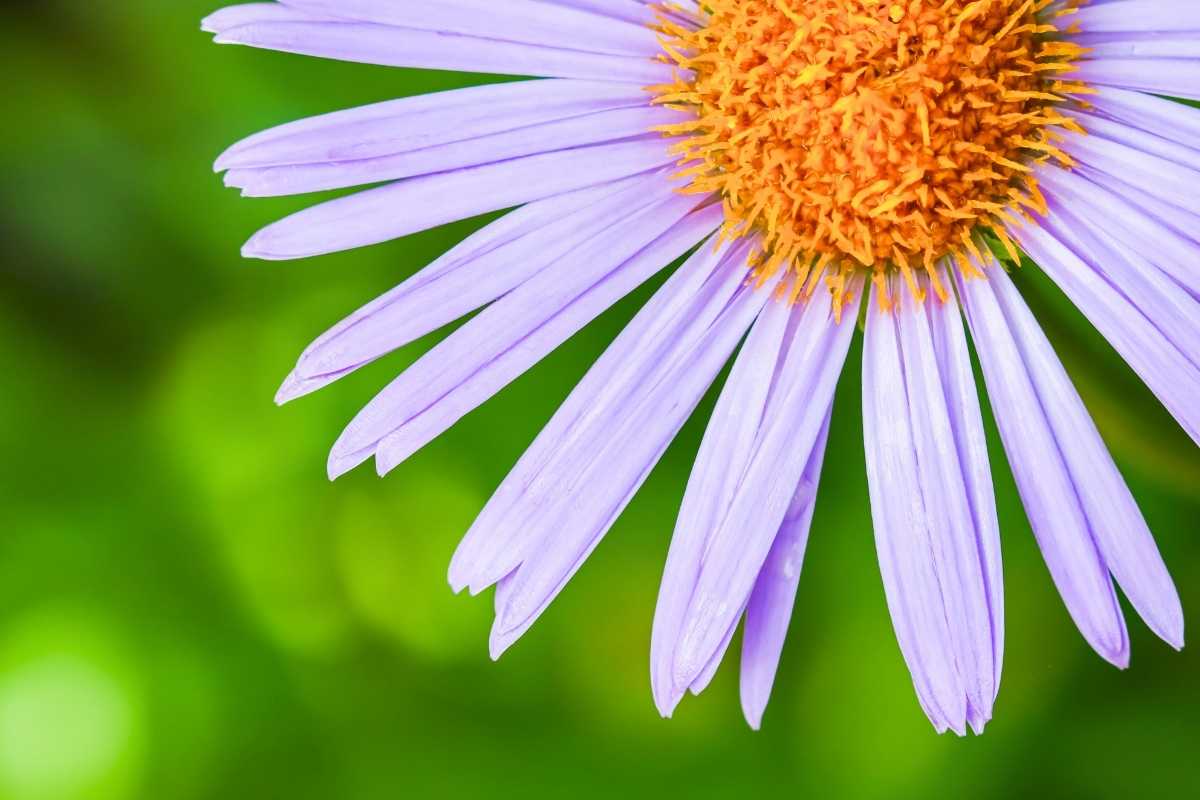
Alpine aster (Aster alpinus) prefers cool summers and sharp drainage. With single, bold daisies in violet, pink, or white, it’s perfect for rock gardens and edging where you want spring-early summer color.
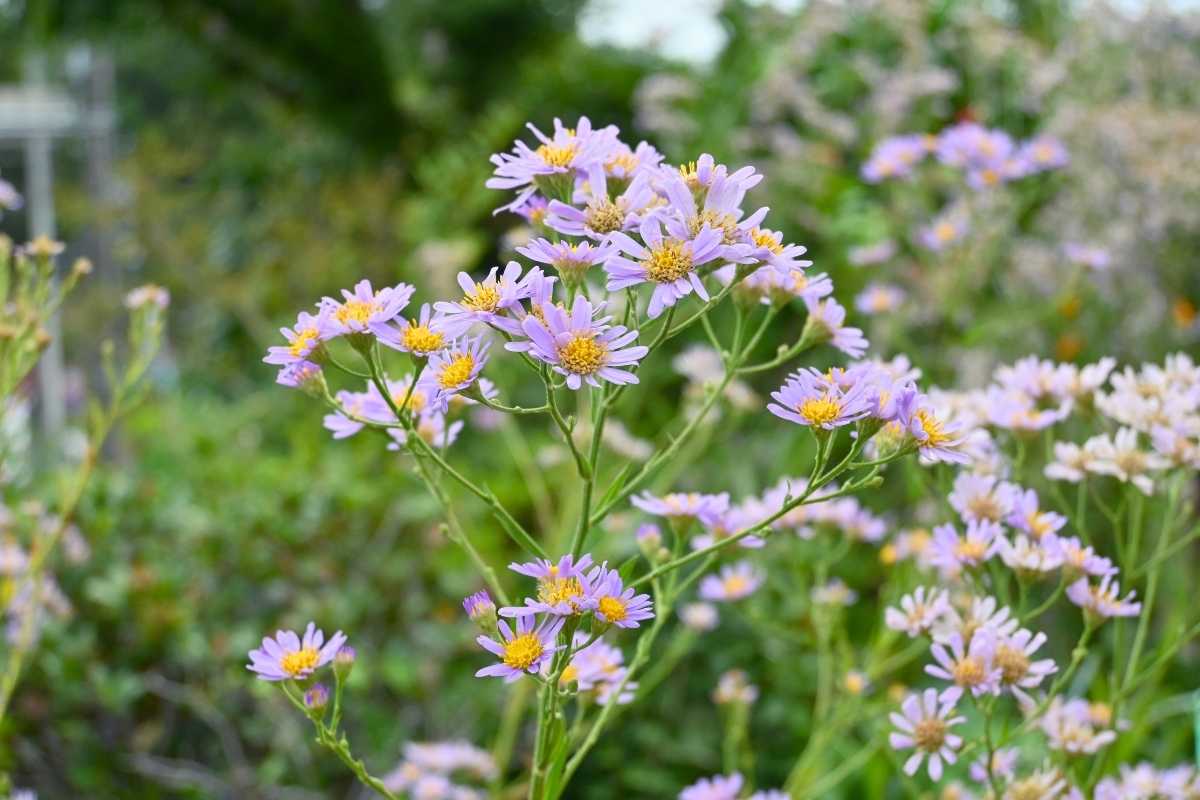
Tatarian aster (Aster tataricus) is the late-season skyscraper—often 5–8 ft—topped with lavender daisies beloved by bees when little else is blooming. Use it as a seasonal screen or for dramatic fall backdrops.
Aster Flower Colors: From Misty Blues to Firework Pinks
You’ll find nearly every hue: smoky lilac, denim blue, pearl white, raspberry, and even soft apricot-rose. To make borders sing, echo aster flower colors in nearby companions—think blue asters with bronze grasses or white sprays against burgundy foliage.
For bouquets, blend bold magentas with creamy whites to create depth. A simple palette also shines: masses of sky-blue blooms with silvery foliage feel tranquil and modern.
Designing With Garden Aster Plants
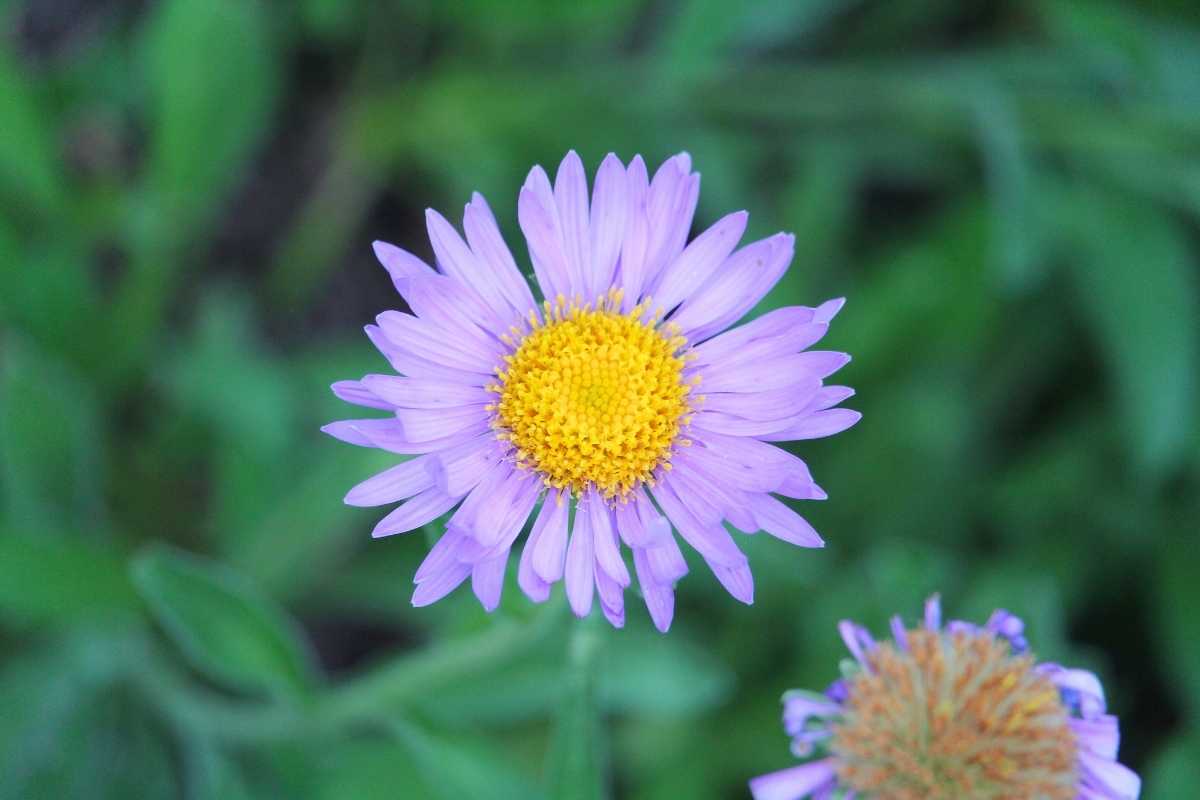
For cottage borders, mix tall asters with Joe-Pye weed and coneflower, then tuck compact mounds at the front for a layered look. In contemporary beds, repeat two varieties in rhythm for clean structure that still feels alive.
Naturalistic plantings love the fine texture of heath or calico selections. Interweaving them with grasses creates movement, and the seedheads add winter interest—proof that garden aster plants earn their keep year-round.
Care Tips For Perennial Aster Plants
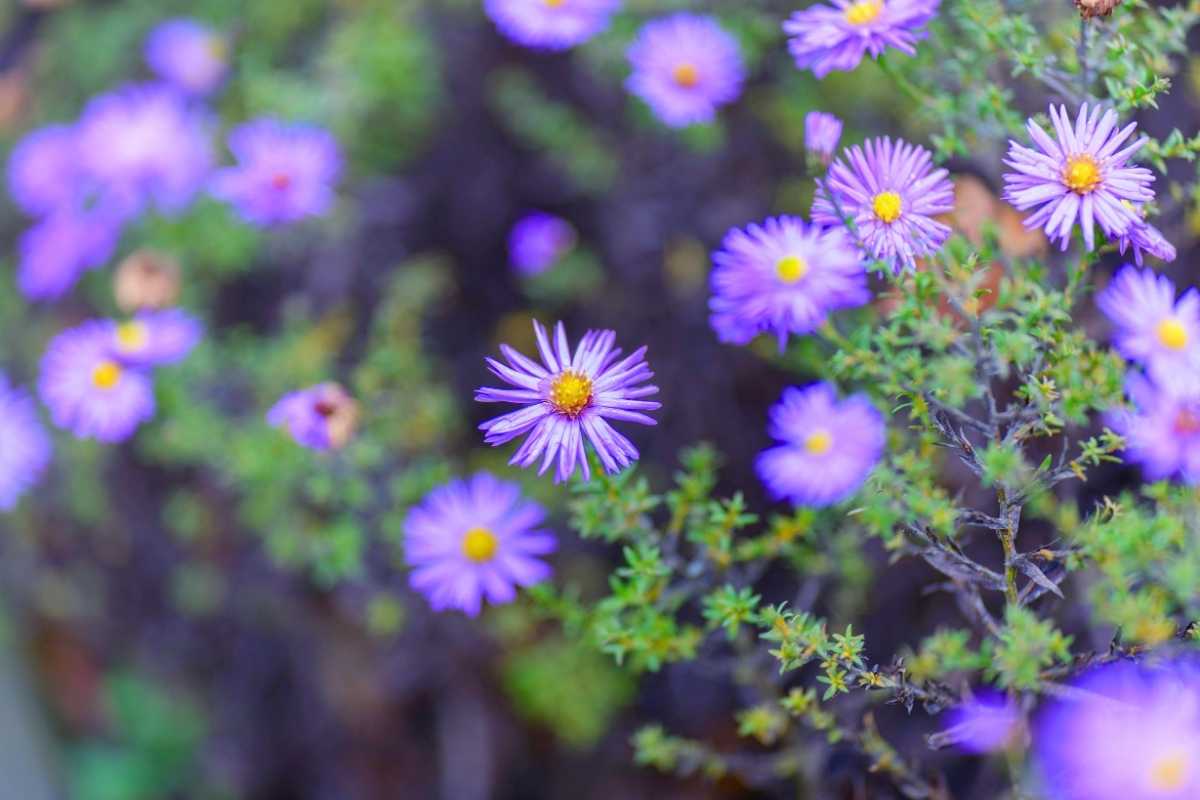
Plant in full sun and average, well-drained soil. Water regularly the first season; once established, many varieties are tough and forgiving. A spring layer of compost keeps growth fresh without heavy feeding.
Pinch stems once or twice before midsummer to control height and increase flowering. After frost, cut back to a few inches or leave stalks for winter wildlife. Divide clumps every 2–3 years to maintain vigor and prevent crowding.
Quick Selection Notes (Match Site To Type)
Small spaces: Choose aromatic or smooth selections that stay tidy. Their restrained habit and long bloom make them easy wins beside paths and patios.
Meadows or big borders: Lean into New England, New York, or Tatarian for scale and drama. These are the showstoppers that carry a scene right through October.
Frequently Asked Questions
Are asters annual or perennial? Most garden selections are perennial, returning each year; a few alpine or bedding types behave differently by climate. When shopping, look for labels indicating hardy or perennial.
Do asters need staking? Tall kinds might, especially in rich soil. Pinching early reduces flopping and produces denser plants with more blooms.
Keep Exploring
Ready to plant with confidence? Use this flower guide to compare heights, bloom times, and hues, then choose the types of aster flowers that fit your style.
Browse more seasonal ideas and planting tips on Urbaki Gardening, and craft borders that shine from spring to frost.
More Gardening Tips 👇🏼👇🏼