
How to Grow Blueberries Correctly

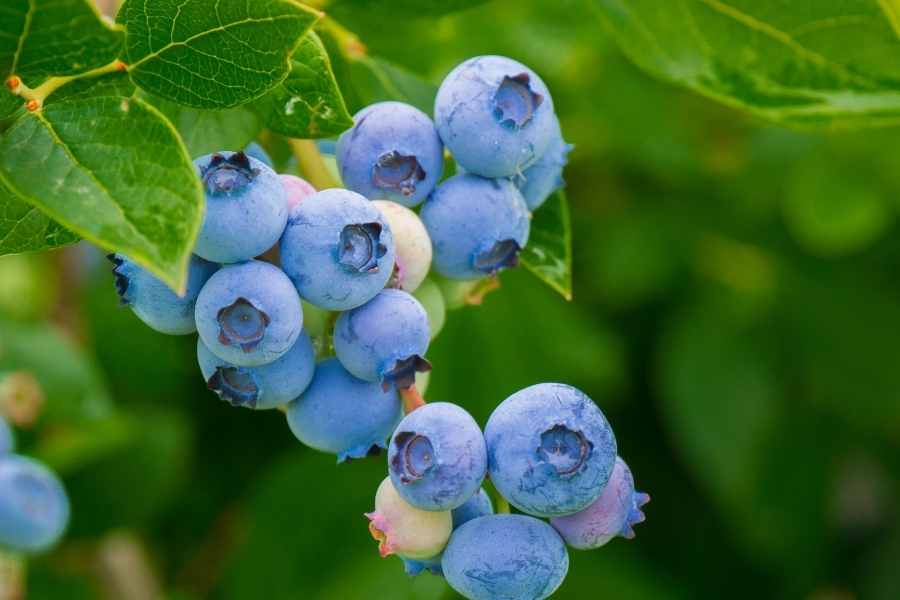
Wild blueberries have been a North American delight since the end of the last ice age, when they occupied the soil left behind by retreating glaciers. Today, blueberries are grown to be garden-friendly, tolerant in the sun and larger than life.
Never They are productive perennial shrubs, adapting to many climates. Although it takes several years for blueberries to bear much fruit, they can live for decades, so planting a patch of blueberries is a long-term relationship.
How to plant blueberries
Site preparation and soil correction can ensure many years of bountiful harvests. For starters, you can use a simple pH test to determine how to adjust the conditions to your cranberry flavor.
Growing from a transplant
Tidy up your blueberry plants well before transplanting them. When they arrive, either bare-rooted or in containers, keep them in a cool, dark, and humid place. Plant them before the buds start to open, in April or early May for cooler climates.
The University of California Integrated Pest Management Program recommends these specific steps for warm West Coast soils: Plant in late fall in raised beds eight to eight inches high and three feet wide.
Plan to space bushes 2.5 to 6 feet apart, then drill each hole twice the depth of the root. Correct the soil for each plant by adding soil with composted pine needles or pine sawdust to each hole, or ideally along a strip no more than 3 feet wide around the holes.
You can experiment with adding sulfur to the planting area in the fall before planting, as it takes some time to change the pH. Coffee powder can also be mixed with a neutral pH compound.
Place each plant in its hole so that the top of the root is a few inches below the soil surface. Fill the mulch several inches deep with pine needles, oak leaves, or raw wood or rice straw. Water in abundance. Do not fertilize at planting time.
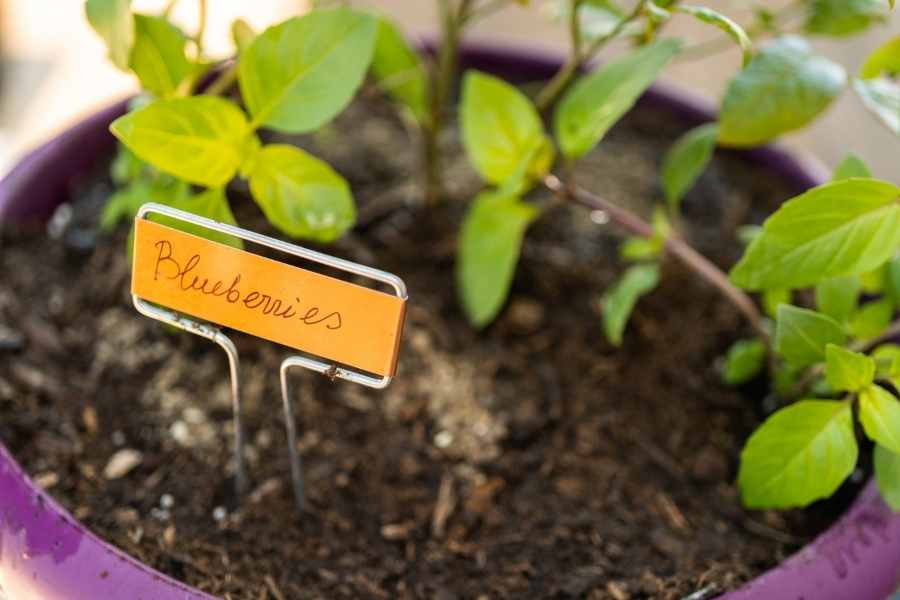
Blueberry plant care
Although blueberries take a long time to establish, they don't give the gardener much work. Keep an eye on the color and growth of the leaves, prune a little and feed and check the pH of the soil annually.
Light, temperature and humidity
Plant the blueberries in full sun, as the shade will keep the temperatures low in early spring, when the plants want to sprout. In very hot places like central California, plants will appreciate some shade in the afternoon.
Cold hardiness and cold hour requirements vary by variety, as does humidity preference. For example, some types of rabbit eyes thrive in hot, humid places like Florida, while southern tall shrub varieties can withstand the dry heat of Sacramento.
Soil, nutrients and water
Blueberries tend to grow in the northeastern regions, where small shrubs live on the edges of forests and where there are many pine needles that break into the ground, making it acidic and rich in humus. Most other locations will need soil amendments to meet this requirement.
Once planted, check the soil pH every year and add any necessary changes. Organic fertilizers designed for acid-loving plants can be applied after the first year as needed. Keep a thick covering of straw, wood, or leaves around the plants. As they decompose, they feed the plants and also block weeds.
Give your blueberries the equivalent of one inch of rain a week (either rain or watering) and keep the soil regularly moist.
Pruning
Blueberries should be cut from all unhealthy branches at planting time, leaving a few strong branches about 4 to 12 inches tall. Prune again every year. Remember: plants should not bear fruit for at least the first 2 years.
Pruning blueberry bushes during dormancy will help them develop an attractive, healthy shape and produce a better harvest. The resulting cap shape should be narrow at the base, but wider, open, and organized at the top.
Enjoy The Video Tutorial

Source:Beginner's Garden - Journey with Jill
Did you find this post Useful or Inspiring? Save THIS PIN to your GARDENING Board on Pinterest! 😊

More Gardening Tips 👇🏼👇🏼