
Growing and Caring Guide For Figs

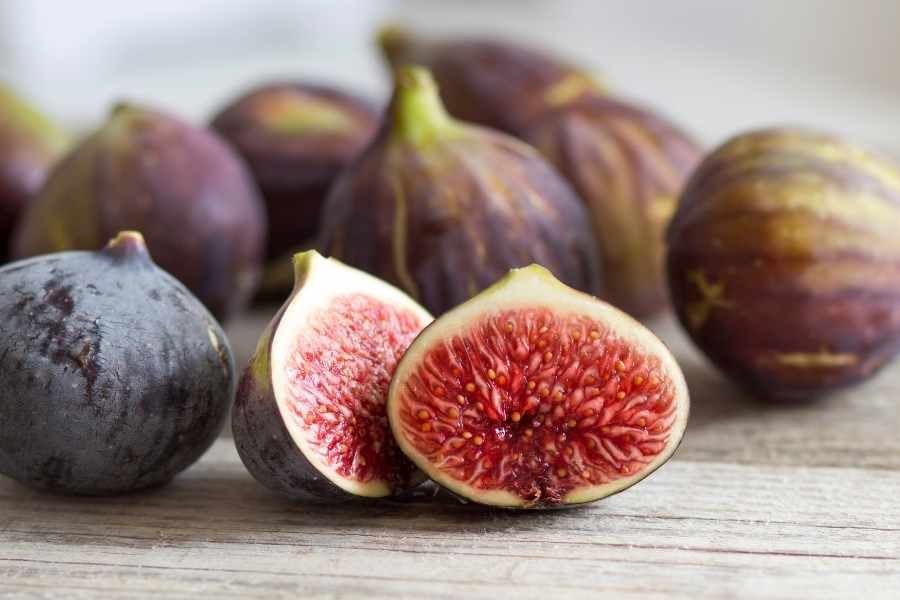
Do you like figs but hate the price in the supermarket? Instead of spending an arm and a leg buying figs, consider growing your own figs. Figs are easy to plant, grow well in almost any planting area, and require minimal care. If you are interested in growing figs, you have come to the right place. In this article, you will learn how to plant them, proper care techniques, help you solve potential problems they may develop, and how to harvest and store them. Growing figs is a simple process. If you follow these simple steps, your figs will be big producers for years to come:
Growing zones
Figs grow best when planted in USDA Zone 7 or higher. If you live in an area that has a long toe during the winter months, you cannot grow figs outdoors.
This does not mean that you should give up figs entirely. Instead, you can grow them in a container and move them indoors for the winter. Be sure to plant in a container or outdoors while the tree is still dormant in early spring or late fall. If you put the tree in your new home at the right time, it should do just fine.
Planting Figs
If you live in a warmer climate, plant the fig tree in a sunny spot with well-drained soil. There are no soil pH requirements because figs seem to be able to adapt and thrive in most soil environments.
Dig a hole deep enough for the roots to sit comfortably inside and cover it with soil. Be sure to put soil around the base of the tree to prevent air from reaching the roots.
Remember that fig trees have deep roots. Be sure to keep this in mind when planting near structures or other trees. It is recommended to place at least 6 meters of space between fig trees and other structures or plants.
How to care for figs
Figs are the type of tree that you throw on the ground or in a pot, give it basic care and love. They will produce quality fruit and will not be picky about it.
That is why I love my fig trees. If you are looking for a tree that will give you something without waiting too long in return, figs are it.
Watering
Fig trees should be watered regularly. If the plant is outdoors, rainwater should supply the plant's needs, except in dry seasons.
When you first plant your fig tree, be sure to water it one or more times a week. It is essential to ensure that the fig tree has what it takes to establish strong roots.
Fertilizer
If your fig trees are growing in a container garden, they should be fertilized once a month during the warmer seasons.
If your fig trees are planted outdoors in the ground, you shouldn't have to fertilize them. If they don't thrive, you can try making small amounts of nitrogen, but they should get what they need from the soil around them.
Mulch
Be sure to mulch the base of your fig tree, either in the ground or in a container. This will help retain moisture between watering sessions.
In addition, it will also help eliminate weeds. You don't want weeds around your fig-trees, because they will take nutrients from the tree.
Pruning
Many plants require intense pruning each year to produce a quality crop the next day. Figs are not that type of plant. Instead, they only need light pruning. If you remove dead, damaged, or diseased parts of the tree each winter, they will continue to grow and produce.
How to harvest and store your figs
Figs are easy to prepare until harvest time. They can become a spoiled crop when it comes to proper harvest times, techniques, and storage. Be sure to follow these steps to ensure you have a harvest to enjoy:
Harvest on time
Figs do not ripen once removed from the tree. Therefore, it is vital to harvesting them at the right time.
If they are not ripe, they will not taste good. If you let them overripe, they will soften. You will know they are ready to pick when the fruit stem begins to wilt and the fruit falls off the tree.
Store correctly
Figs are not a forgiving fruit once they have been picked. They should be stored in the coolest part of your refrigerator and away from other fresh produce as they can spoil.
However, figs are ideal for long-term storage if they have been preserved. You can freeze them, dehydrate them, or can them for later use.
We hope you enjoy this video about How to grow figs - Complete growing guide:
Source: MIgardener
Did you find this post Useful or Inspiring? Save THIS PIN to your GARDENING Board on Pinterest! 

Once again, thank you for visiting our website!
We hope you've enjoyed exploring the content we've created for you.
Give yourself the chance to learn, get inspired, and have even more fun, keep browsing...
More Gardening Tips 👇🏼👇🏼