
5 Bedroom Plants That Help You Sleep Better


Incorporating plants into your bedroom can do more than just improve the aesthetics—they can also help you sleep better.
Certain plants are known for their natural abilities to purify the air, reduce stress, and create a calming atmosphere, which can significantly enhance your sleep quality. Here’s a look at five wonderful plants that can help promote relaxation and transform your bedroom into a restful haven.
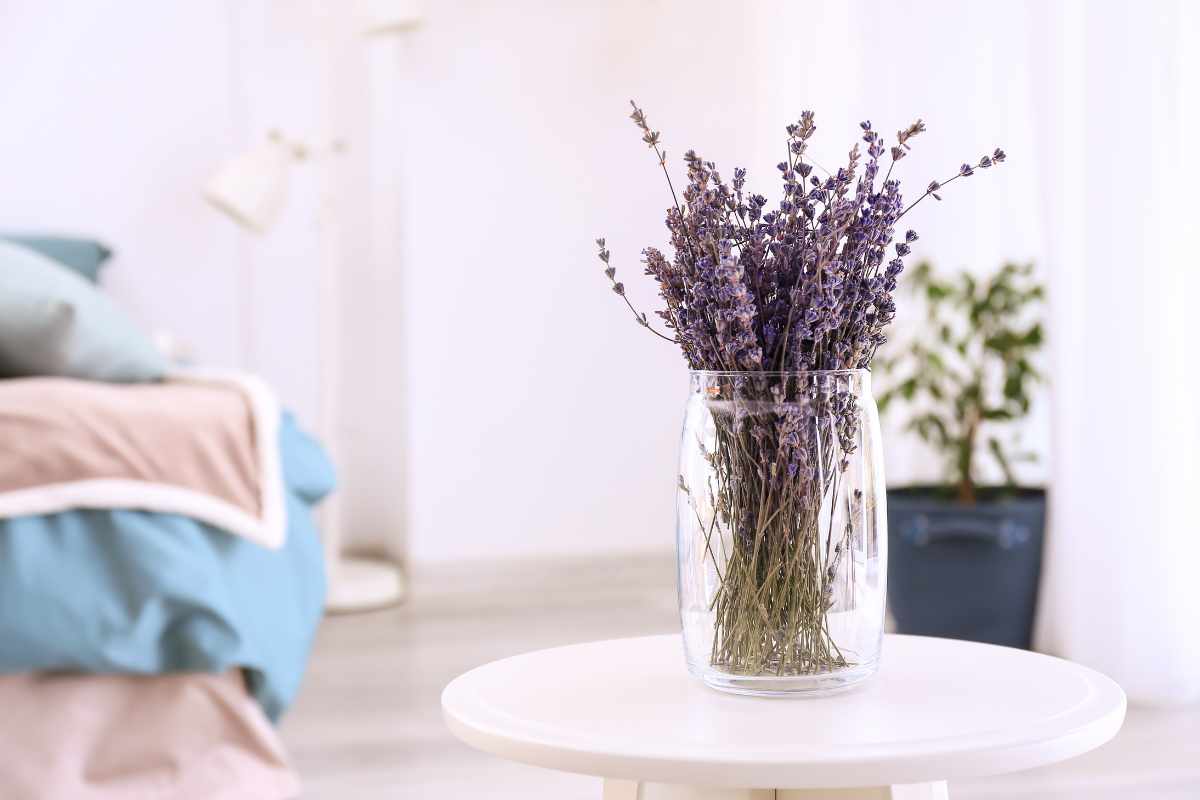
Lavender: The Natural Calming Agent
Lavender is famous for its soothing scent, often used in essential oils and teas to ease anxiety and promote relaxation. As a bedroom plant, lavender releases a gentle fragrance that can help lower your heart rate and reduce blood pressure, making it easier to drift into a deep, restful sleep.
This plant is fairly low-maintenance, requiring bright, indirect sunlight and moderate watering. Adding a lavender plant near your bed or window will not only introduce a lovely aroma but also help create a peaceful ambiance, perfect for winding down at the end of the day.
Snake Plant: A Silent Air Purifier
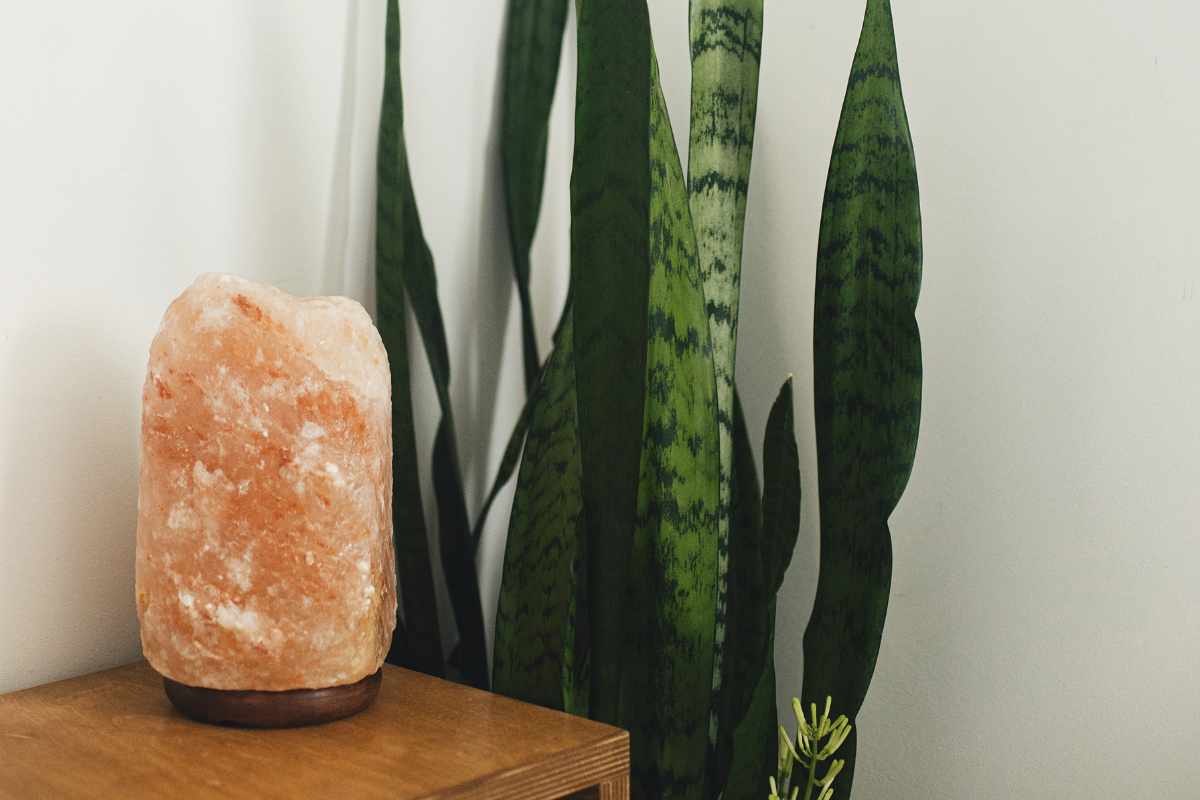
Known for its sharp, upright leaves, the snake plant is one of the best air-purifying plants. Unlike many plants that only release oxygen during the day, the snake plant continues to do so at night, which can help improve air quality while you sleep.
This hardy plant doesn’t demand much attention and thrives in low light, making it ideal for bedroom spaces. Its air-purifying qualities contribute to a fresher, cleaner atmosphere, which in turn can help reduce nighttime congestion and improve your breathing, promoting a more comfortable and uninterrupted sleep.
Jasmine: Sweet Scent for Sweet Dreams
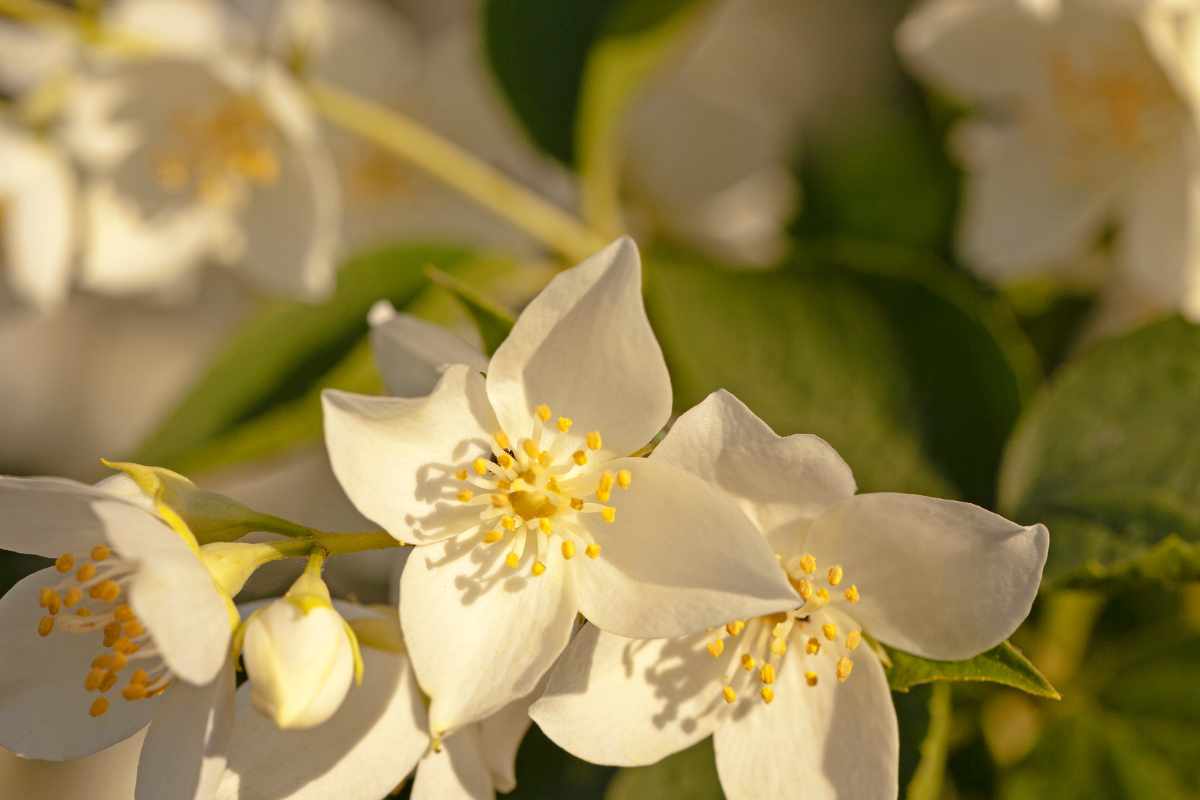
Jasmine is another plant celebrated for its tranquil properties. Its sweet, floral fragrance has been shown to reduce anxiety and improve mood, both of which are conducive to better sleep. Having jasmine in your bedroom can also enhance sleep quality, as its scent has calming effects that may help you fall asleep faster and experience fewer disturbances.
Place jasmine near your bed or in an area where its fragrance can spread easily. The delicate white flowers add an elegant touch to any room, and with a little care, this plant will reward you with a nightly dose of natural calm.
Aloe Vera: Nighttime Oxygen Booster
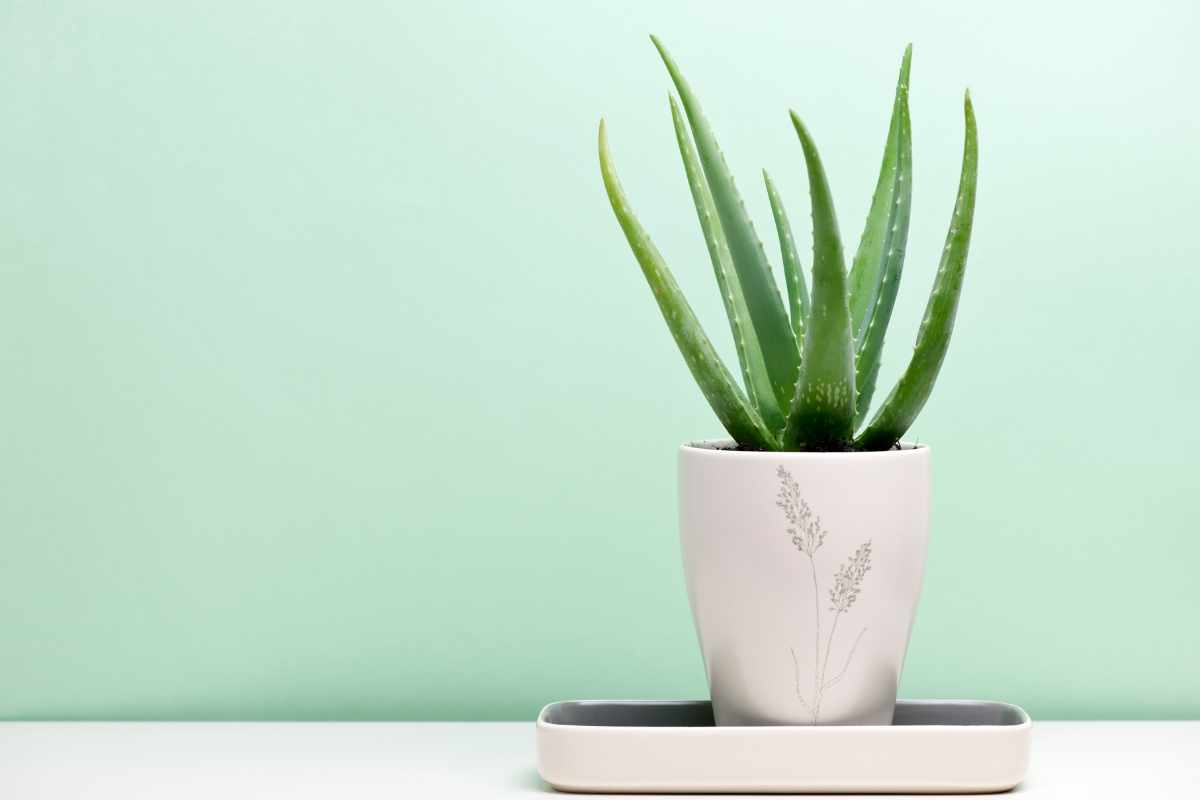
Aloe vera is well-known for its healing and soothing properties, but it also makes an excellent bedroom plant due to its ability to release oxygen at night. Similar to the snake plant, aloe vera can help improve indoor air quality, making it easier to breathe and allowing for a deeper, more refreshing sleep.
Aloe vera requires very little water and is extremely easy to care for, making it perfect for beginners. Place it on a windowsill where it can receive sunlight during the day, and let it work its air-purifying magic as you rest.
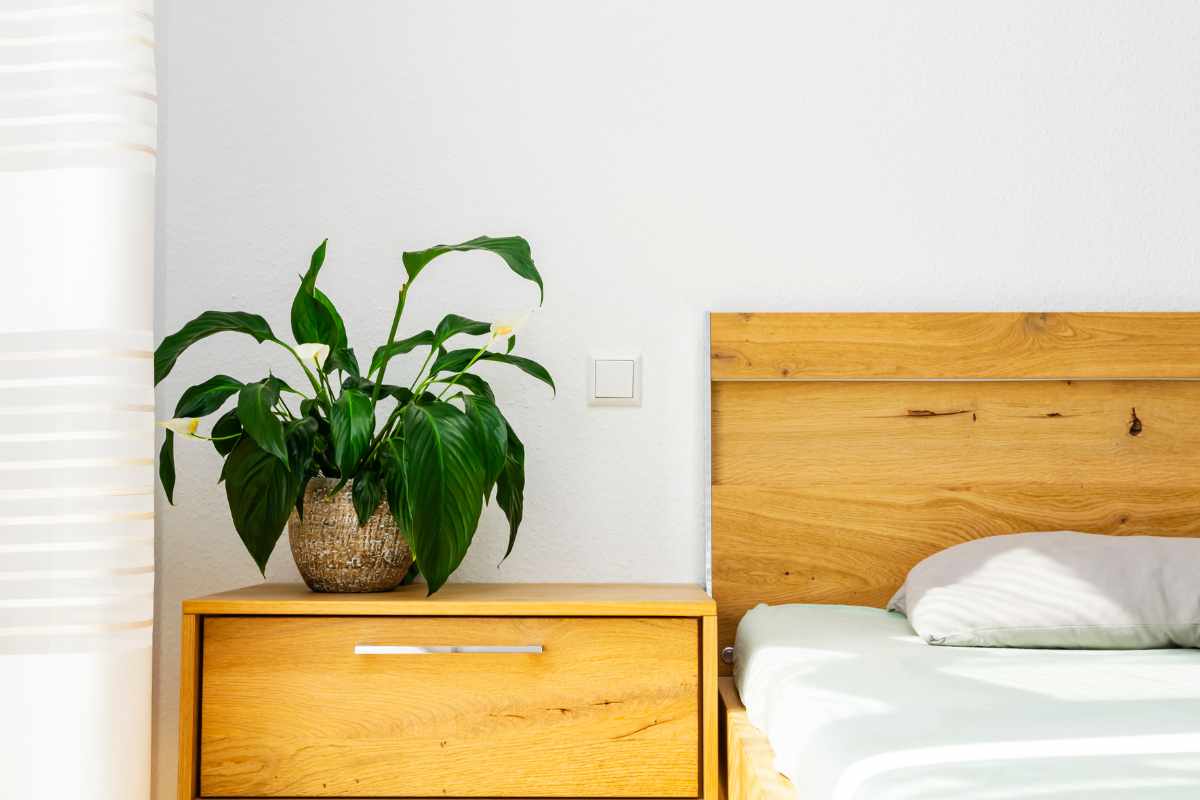
Peace Lily: Humidity Regulator and Air Cleaner
The Peace Lily is renowned for its ability to remove toxins like formaldehyde, benzene, and carbon monoxide from the air, contributing to a healthier sleep environment. Additionally, peace lilies help maintain humidity levels, which can be particularly beneficial in dry bedrooms. Proper humidity can prevent respiratory issues, reduce dry skin, and make breathing easier, all of which contribute to a more restful night.
With its striking white blooms and dark green leaves, the peace lily brings a touch of elegance to the bedroom. It does best in shaded areas with indirect sunlight and needs only moderate watering, making it easy to care for and an effective sleep aid.
Choosing the Right Bedroom Plant
While each of these plants offers unique benefits, choosing the right one for your bedroom will depend on your preferences and the specific conditions of your space. If you’re looking for fragrance, lavender or jasmine may be the best choices. If air purification is your primary concern, snake plant, aloe vera, or peace lily could be ideal. Experiment with different plants to find the combination that helps you achieve the most restful sleep.
Arranging Your Bedroom Plants for Optimal Relaxation
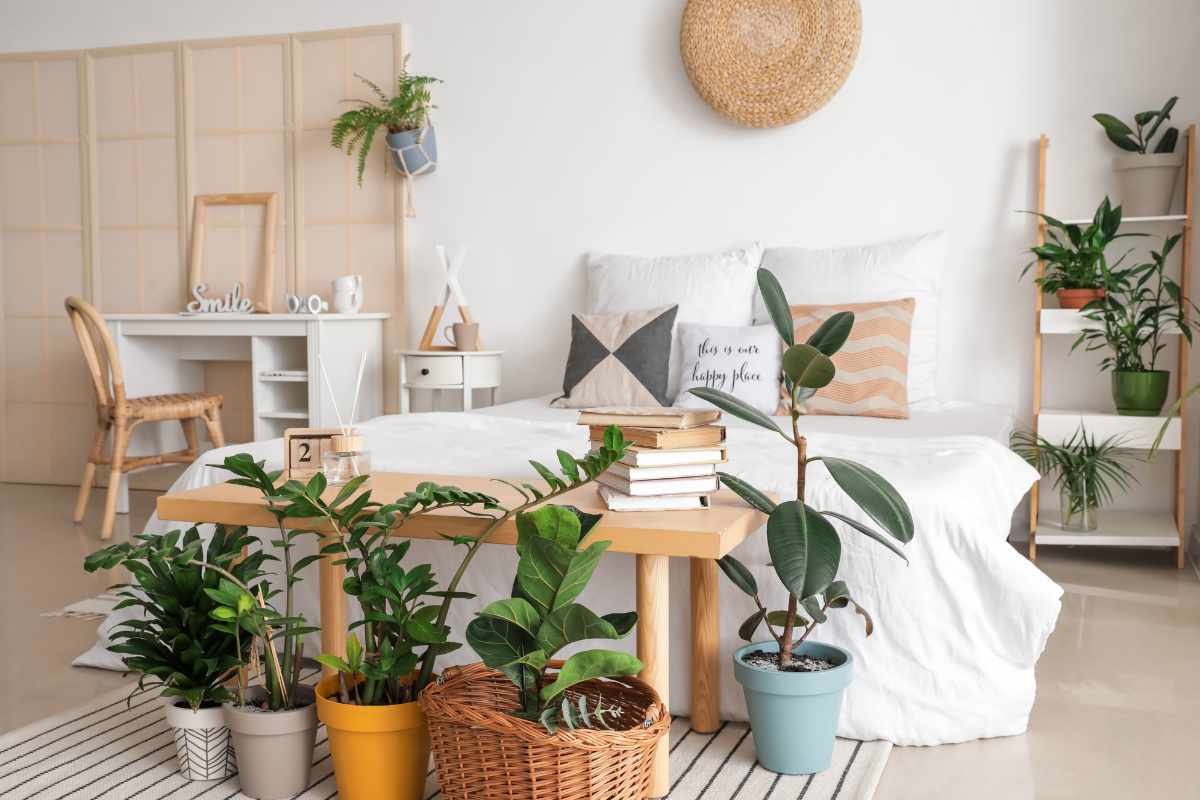
Placement is also key to maximizing the benefits of bedroom plants. Consider positioning plants like lavender or jasmine near your bedside so you can enjoy their scent as you fall asleep. For plants that improve air quality, such as snake plants and aloe vera, placing them near windows or on a shelf allows them to thrive and purify the air effectively. Creating a balanced, calming arrangement can enhance the atmosphere of your bedroom, turning it into a tranquil retreat.
Caring for Your Bedroom Plants to Enhance Sleep Quality
Ensuring your bedroom plants are healthy is essential for them to continue providing their sleep-enhancing benefits. Regularly check for signs of overwatering, which is a common issue, especially in bedrooms with less ventilation. Many of these plants, such as snake plants and aloe vera, are quite low-maintenance and forgiving, but a consistent care routine will keep them thriving.
Watering schedules, light conditions, and occasional pruning all play a role in keeping your plants in top condition. By giving them the attention they need, you’ll create a peaceful and restorative bedroom environment that continuously supports your well-being and sleep.
Integrating plants like lavender, snake plant, jasmine, aloe vera, and peace lily into your bedroom is a simple, natural way to boost relaxation and improve your sleep quality. With their unique benefits, these plants add more than beauty—they help create an environment where restful sleep is easier to achieve.
We Hope you Enjoy the Video

Source: Natural Ways
Did you find this post Useful or Inspiring? Save THIS PIN to your GARDENING Board on Pinterest! 

Once again, thank you for visiting our website!
We hope you've enjoyed exploring the content we've created for you.
Give yourself the chance to learn, get inspired, and have even more fun, keep browsing...
More Gardening Tips 👇🏼👇🏼