
What Happens If You Water Plants with Soda?

It’s a question that crosses many curious minds at some point: what would happen if you watered your plants with soda instead of plain water?
After all, sodas are full of sugars, and some contain minerals—couldn’t that help plants grow faster or better? The idea might sound harmless or even clever, but the effects of soda on plant health are far from beneficial in most cases.
To understand the impact, it’s important to look at what soda contains and how plants respond to the different ingredients in it.
Breaking Down What’s in a Soda
A typical soda is made up of carbonated water, sugar (or artificial sweeteners), acids, and flavorings. Some varieties also contain caffeine or sodium.
From a human perspective, these ingredients are meant to stimulate our senses and taste buds, but for plants, they can be overwhelming or even harmful.
While water in its pure form hydrates and supports plant growth, soda carries components that interfere with root function, soil balance, and microbial life.
That means pouring a sugary drink into your plant’s pot does more than just wet the soil—it alters the entire growing environment.

Sugar Isn’t Plant Food
A common misconception is that because sugar provides energy for humans, it must help plants, too. But plants don’t absorb sugar from the soil the way we do.
They create their energy through photosynthesis, using sunlight, water, and carbon dioxide. Introducing external sugars through soda doesn’t fuel their growth—it disrupts it.
When sugary soda is poured onto the soil, it creates a sticky environment that attracts pests, encourages mold, and hinders the plant's ability to absorb water and nutrients properly.
Over time, the sugars can clog the soil structure and reduce oxygen availability to the roots.
Instead of feeding the plant, the sugar feeds bacteria and fungi, many of which can cause disease. For potted plants, especially those grown indoors, this can quickly lead to rot or wilting.
Acids and Carbonation Create Stress
Sodas are naturally acidic due to ingredients like phosphoric acid or citric acid, which give them their tangy flavor and preserve shelf life. While a small amount of acid is manageable for some acid-loving plants, the concentration in sodas is far too high to be safe for most species.
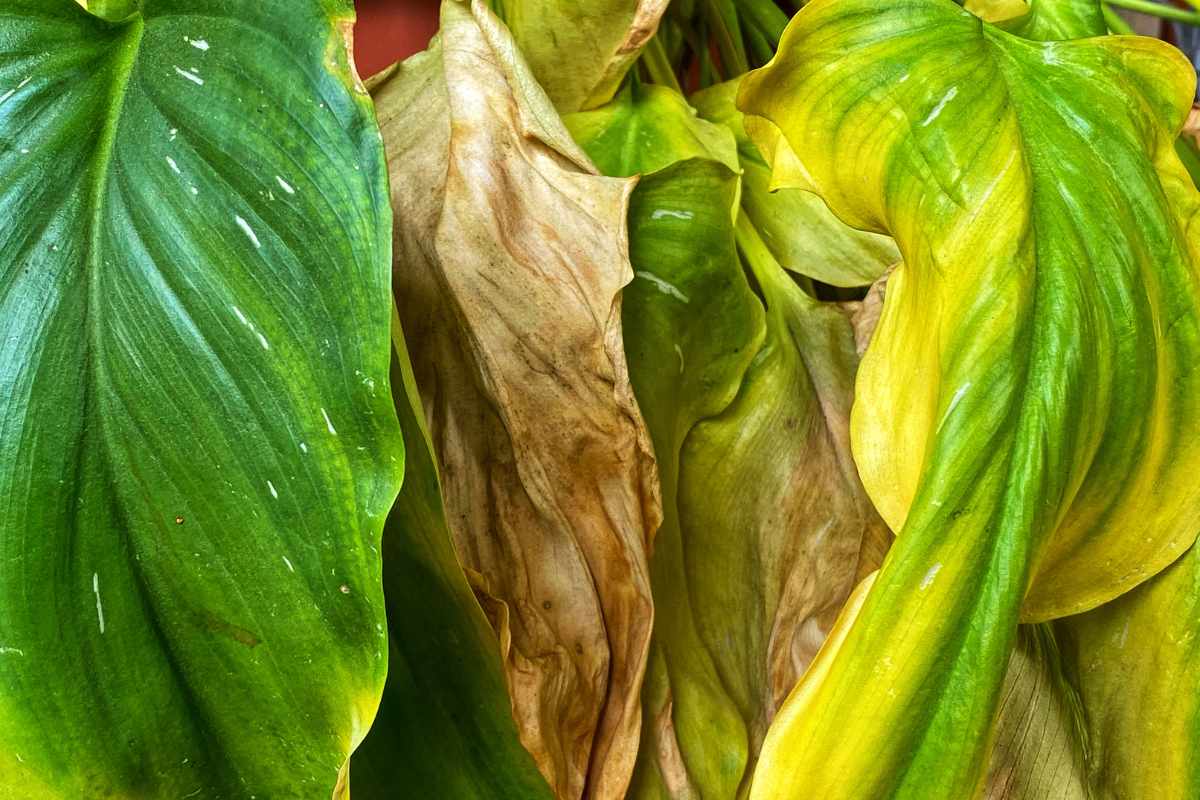
When the soil becomes more acidic than a plant can tolerate, it affects the plant’s ability to take in key nutrients such as magnesium, calcium, and phosphorus.
This can lead to yellowing leaves, stunted growth, and nutrient deficiencies, even if you’re fertilizing regularly.
Carbonation itself is not harmful once it dissipates, but the temporary increase in carbon dioxide in the soil can stress roots or cause slight chemical shifts that make the environment less stable for sensitive plants.
Artificial Sweeteners and Additives
Diet sodas skip the sugar but introduce artificial sweeteners like aspartame or sucralose. While these substances are considered safe for people in moderation, their effects on soil ecosystems are poorly understood.
They don’t offer any nutritional value to plants and may accumulate in the soil in ways that disrupt microbial balance.
Many sodas also contain preservatives, dyes, and flavoring agents. These ingredients don’t decompose easily and can leave chemical residues in the soil that build up over time.
Even if there’s no immediate damage, the long-term impact is rarely positive.
In outdoor gardens, the damage might be diluted by rain or spread out in the soil. But in containers or raised beds, where the growing space is limited, these substances stay concentrated, and that's where problems become visible more quickly.
Comparing Soda to Water or Fertilizer
It’s easy to see why someone might think soda could serve as a substitute or even a boost for watering. It’s wet, it has elements, and it fizzes—there’s a certain novelty to it.
But when compared to clean water or balanced plant fertilizers, soda falls short in every category.
Water hydrates, supports nutrient absorption, and cools the plant’s tissues. Fertilizer, when used correctly, adds measured amounts of nitrogen, phosphorus, potassium, and trace elements that plants need to grow.
Soda offers none of these benefits in an accessible or controlled form.
If your goal is to encourage lush foliage, strong roots, or blooms, you’re better off investing in good compost or organic plant food, not reaching for a can of cola.
Are There Any Exceptions?
Some science fair experiments have shown that certain plants respond temporarily to small amounts of club soda or seltzer. These carbonated waters don’t contain sugars or flavorings and sometimes have trace minerals like potassium or magnesium.
In controlled amounts, and only occasionally, plain carbonated water may offer a slight boost to some houseplants. However, the difference is minimal, and overuse still risks altering the soil’s pH.
The benefits are not consistent enough to justify switching from water to fizzy drinks.
Soft drinks with sweeteners, colors, or caffeine are never recommended, even as an experiment. The risk of damaging your plant outweighs any temporary curiosity.
If You’ve Already Done It
If you’ve watered your plant with soda once or twice, it’s unlikely to cause instant damage—but it’s a good idea to flush the soil thoroughly with clean water to remove any sugary residue or chemicals. Let the water drain completely and repeat the process over a few days if needed.
Watch for signs of stress like drooping, sticky leaves, or fungus on the soil surface. If issues appear, consider repotting the plant in fresh soil to give it a better foundation for recovery.
Most importantly, remember that plants don’t need fancy drinks—they thrive with simple care, consistent watering, and natural light.
Did you find this post useful or inspiring? Save THIS PIN to your GARDEN Board on Pinterest!
More Gardening Tips 👇🏼👇🏼