
Is Watering Your Lawn in the Fall a Waste of Money?

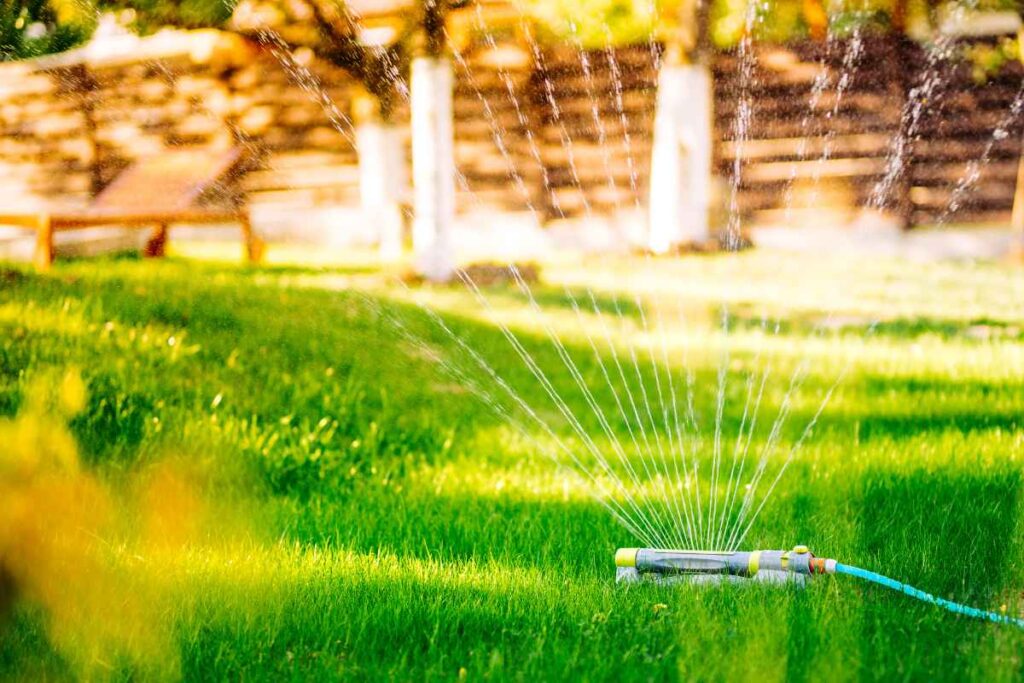
As temperatures cool and summer ends, it can feel like your lawn no longer needs regular watering. But turning off the sprinklers too early isn't always the best move. Watering your lawn in the fall can still be beneficial, especially during dry stretches when the grass is actively growing. The key is knowing when your lawn actually needs moisture—and when watering really would be a waste of money.
Does Your Lawn Still Need Water in the Fall?
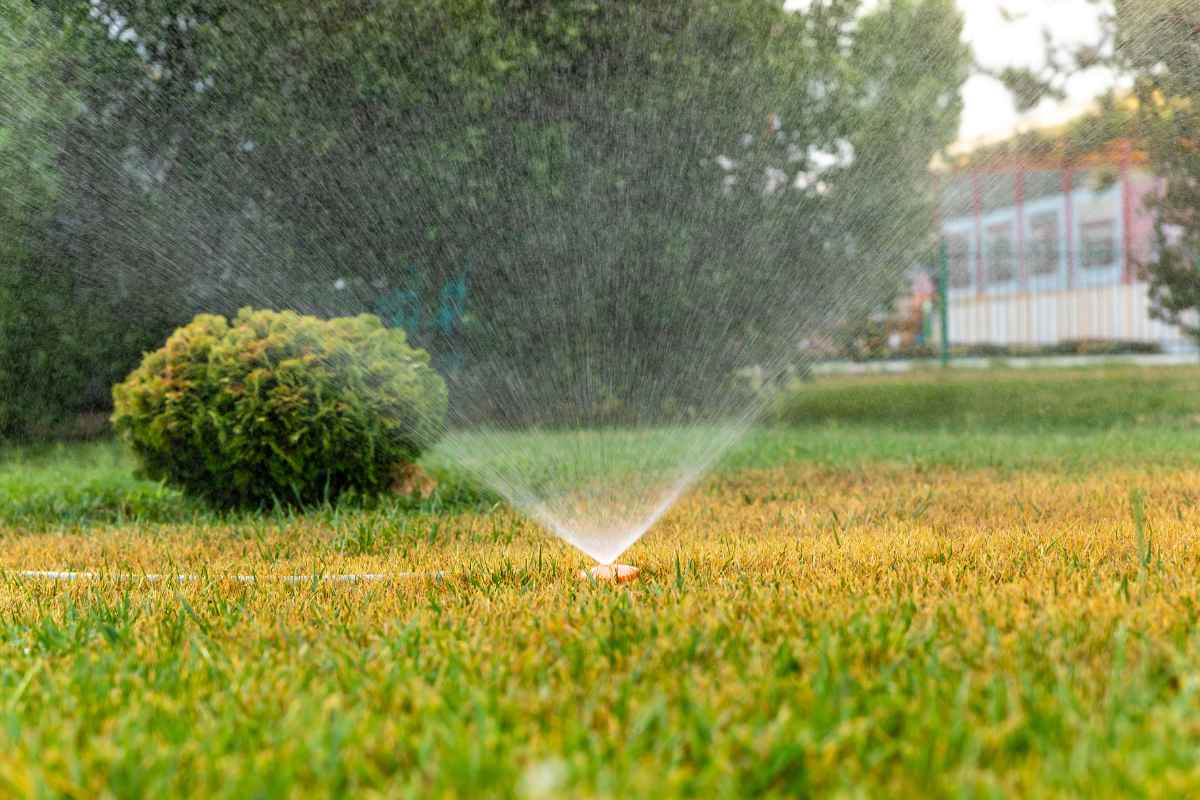
For many lawns, fall is an important growing season. Cooler temperatures reduce heat stress, while the roots may continue developing even as top growth begins to slow.
That doesn't mean you should keep your summer watering schedule.
Rainfall, temperature, grass type, soil conditions, and your local climate all affect how much supplemental water is necessary. If fall brings regular rain, you may need to water very little—or not at all.
A simple way to check is to look at the soil rather than the calendar. If the soil several inches below the surface is still moist, your lawn probably doesn't need another watering.
When Should You Water Your Lawn in the Fall?
Continue watering during dry fall weather while the grass is actively growing and the soil hasn't frozen.
When watering is necessary, deep, less frequent watering is generally better than frequent light sprinkling. This encourages moisture to reach deeper into the root zone instead of only wetting the surface.
Watering earlier in the day is also a good choice. It gives grass blades time to dry before cooler nighttime temperatures arrive.
As grass growth slows and seasonal rainfall increases, gradually reduce irrigation. Once the ground freezes or your lawn enters dormancy, regular watering is usually unnecessary.
Pros and Cons of Fall Lawn Watering
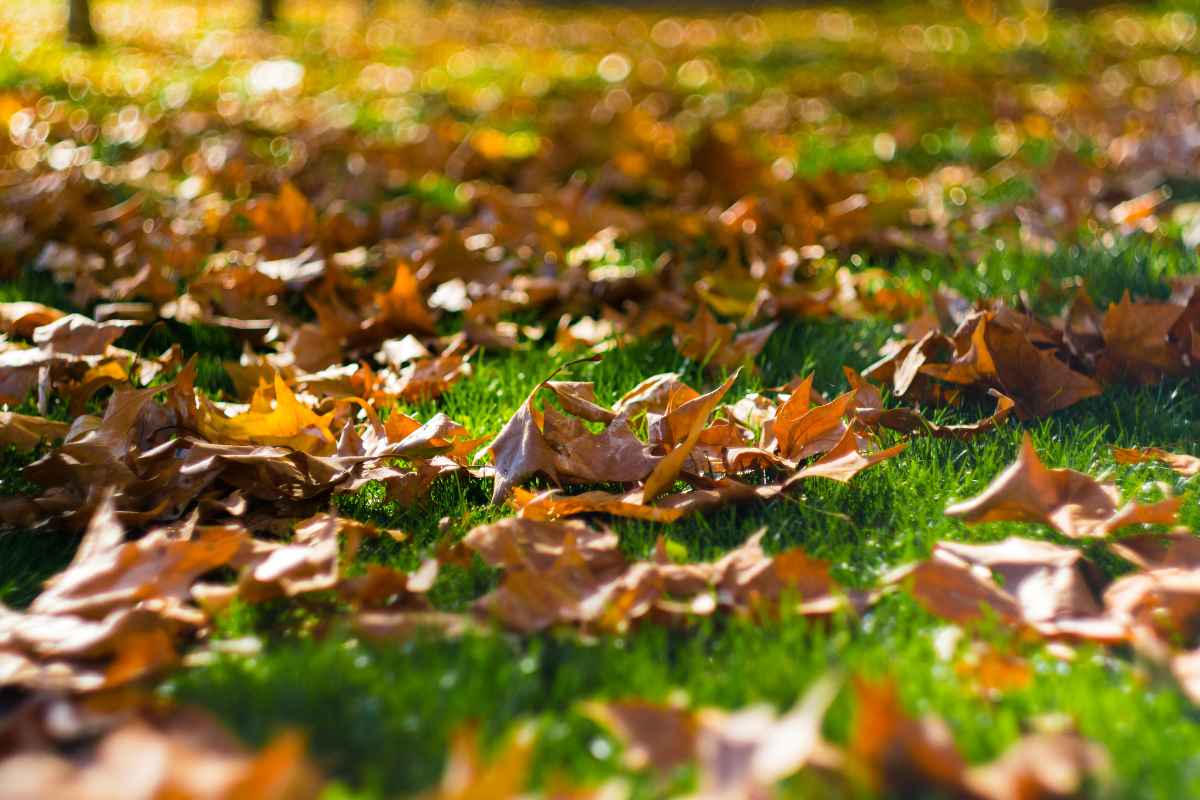
Fall watering can help keep grass from becoming overly dry before winter and support healthy roots during periods of active growth. It can be particularly useful after a hot, dry summer or during an unusually dry autumn.
However, more water isn't always better.
Overwatering wastes water and money and may leave soil unnecessarily saturated. Constantly wet grass can also create unfavorable conditions for lawn health.
The best approach is flexible: monitor rainfall and soil moisture instead of automatically running your irrigation system on the same schedule every week.
6 Fall Lawn Care Tips for Healthier Grass
Fall lawn care involves more than deciding whether to turn on the sprinkler. These simple tasks can help prepare your lawn for the colder months ahead.
1. Adjust Your Watering Schedule
Reduce watering as temperatures drop. Let rainfall do the work whenever possible, and only supplement when conditions are dry.
2. Keep Mowing While Grass Is Growing
Don't stop mowing simply because summer is over. Continue as needed while your grass is actively growing, avoiding the temptation to remove too much height at once.
3. Remove Heavy Layers of Leaves
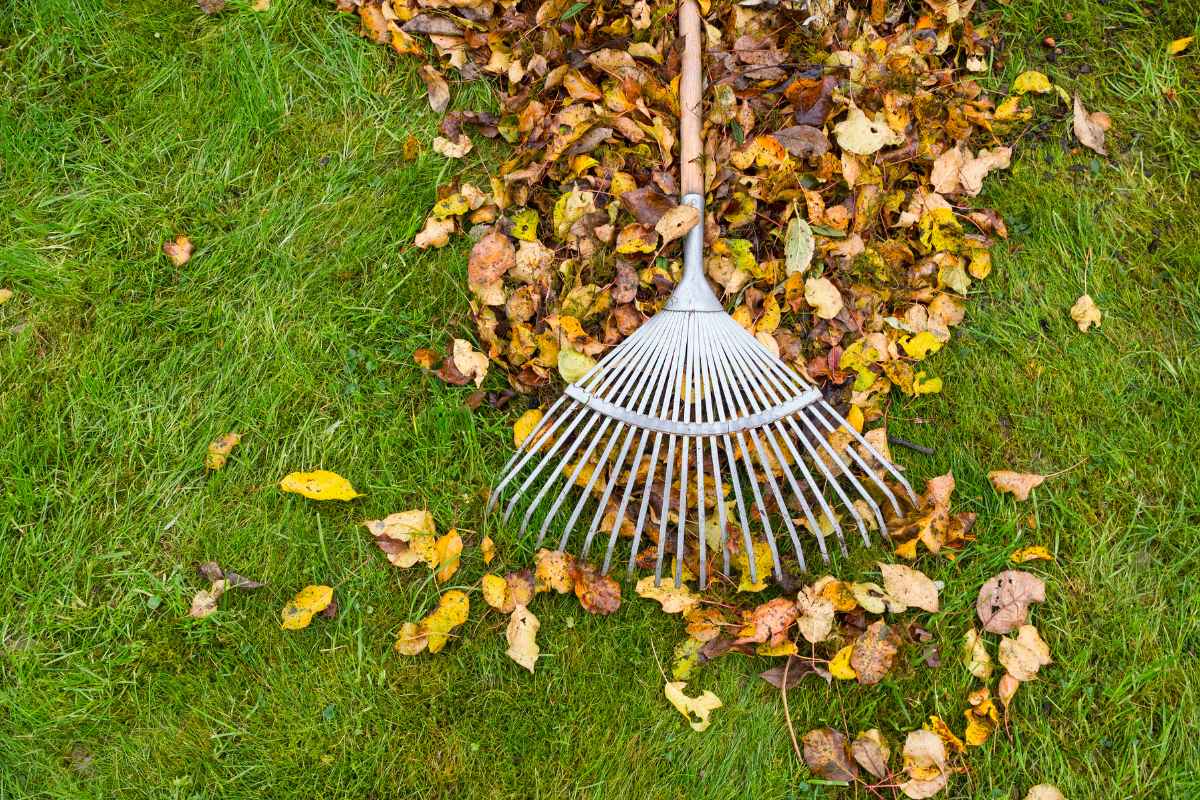
A few scattered leaves aren't usually a problem, but thick layers can block sunlight and trap moisture. Rake, collect, or mulch leaves regularly.
4. Watch for Compacted Soil
Heavy foot traffic and summer activity can compact the soil. If your lawn has significant compaction, fall may be a useful time to consider aeration, depending on your grass type and climate.
5. Take Care of Bare or Thin Areas
Fall can be a good season for repairing thin patches in many cool-season lawns because temperatures are milder. Choose grass seed suited to your region and existing lawn.
6. Don't Overwater Before Winter
Giving your lawn extra water “just in case” isn't necessary. Check the soil and recent rainfall first. If the ground already has adequate moisture, another sprinkler cycle simply adds to your water bill.
Common Fall Watering Mistakes to Avoid
One of the biggest mistakes is treating fall like an extension of summer. Cooler weather usually means your lawn loses moisture more slowly, so irrigation needs change.
Another common mistake is watering on a fixed schedule regardless of rainfall. Automatic sprinklers are convenient, but adjusting them throughout the season can prevent unnecessary watering.
Finally, avoid waiting until the lawn is severely dry before paying attention. Monitoring soil moisture regularly makes it much easier to respond appropriately.
Is Fall Watering Worth the Cost?
Watering your lawn in the fall isn't automatically a waste of money—but watering when your lawn doesn't need it certainly can be. Pay attention to rainfall, soil moisture, temperatures, and grass growth rather than relying on a fixed schedule.
A few simple adjustments now can help you use less water while giving your lawn the care it needs heading into winter.
Happy gardening,
Emily
More Gardening Tips 👇🏼👇🏼