
Easy Raised Beds Diy- 7 Mistakes To Avoid

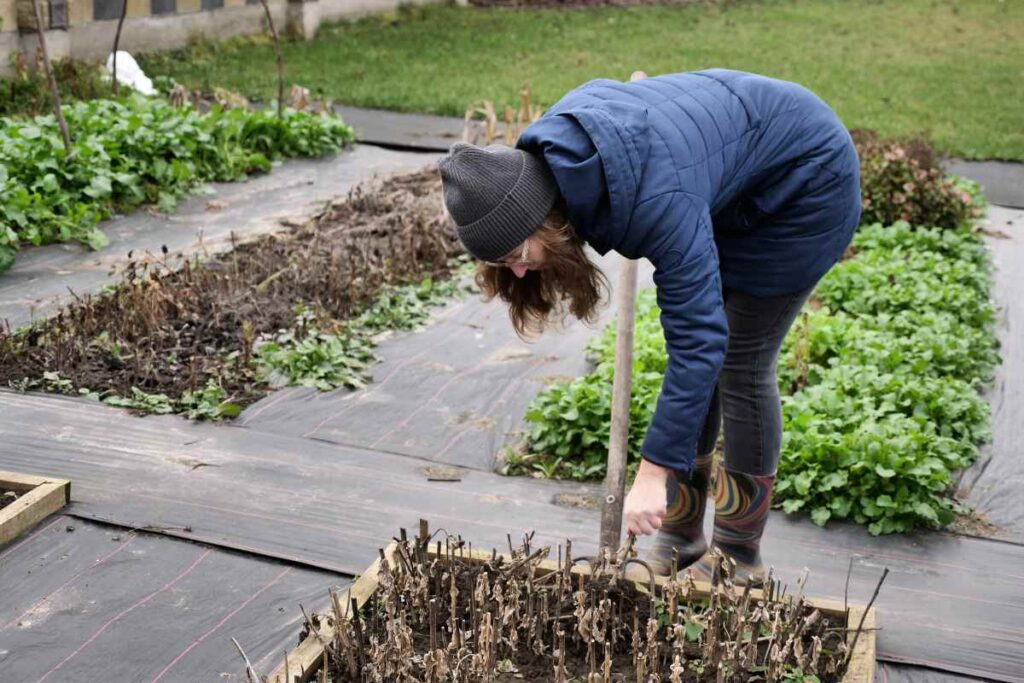
Easy Raised Beds Diy projects can turn a bare corner into a season-long harvest—if you dodge a few sneaky pitfalls. Whether you’re sketching your first box or upgrading to deeper beds, it’s easy to overspend, pick the wrong spot, or crowd plants until yields crash.
In this guide, we’ll keep the vibe practical and budget-friendly so you can build Easy Raised Garden Beds that last, drain well, and grow strong roots.
Inspired by Next Level Gardening’s video “7 Beginner Raised Bed Garden Mistakes to Avoid” (YouTube, channel: Next Level Gardening), we translate the big takeaways into clear, do-this-instead moves and add plant suggestions, layouts, and low-cost tweaks you can start today.
Start Smart: The One Choice That Changes Everything
Before you buy a single board or a bag of soil, choose a spot with at least six to eight hours of sun, water access, and room to move.
Give yourself comfortable aisles (30–36 in / 75–90 cm) so you can weed, mulch, and harvest without compacting soil. This early decision makes the rest—materials, soil mix, and layout—dramatically easier.
Best Types of Plants for Raised Beds
Raised beds shine with crops that like loose, well-drained soil and frequent harvesting. Leafy greens (lettuce, spinach, arugula), root crops (carrots, radishes, beets), herbs (basil, parsley, thyme), and compact fruiting plants (bush beans, dwarf tomatoes, peppers) thrive here.
Mix edible flowers (calendula, nasturtiums) to attract pollinators and repel pests. If you love a Potager Garden aesthetic, interplant vegetables, herbs, and blooms for beauty and biodiversity.
Mistake 1: Building Beds Too Wide (Or Too Flimsy)
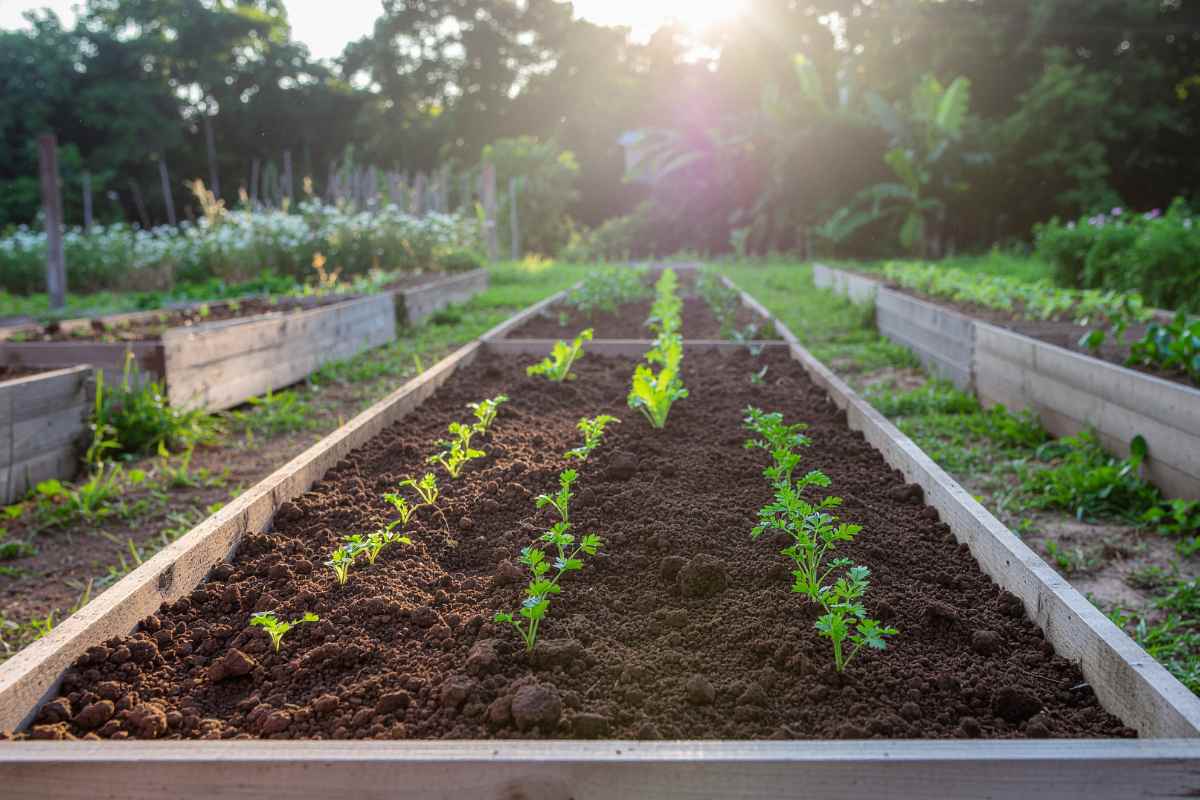
If you can’t reach the center without stepping inside, the bed is too wide. Stepping compacts soil, hurting roots and drainage.
Keep beds about 4 ft (1.2 m) wide or less; along a fence, go 2–3 ft (60–90 cm). Strength matters too: use rot-resistant lumber or metal, add corner braces, and screw—not nail—your frames.
How to fix it: For wood, choose 2x8s or 2x10s, add a middle cross-brace on long runs, and pre-drill corners. For metal kits, follow the manufacturer’s bracing plan and stake corners if your site is windy.
Mistake 2: Filling With the Wrong Soil (Or Too Much of the Right One)
Topsoil alone is often heavy and low in organic matter; pure compost can slump and go hydrophobic. You want structure plus biology.
A classic blend is roughly 40% screened topsoil, 40% high-quality compost, and 20% aeration (coarse sand, pine fines, or perlite).
How to fix it: Layer woody debris at the bottom only if your beds are very deep, then add your mix. Top with 2–3 cm of fine compost as a living mulch. Refresh annually with compost and leaf mold; avoid peat-heavy mixes in dry climates.
Mistake 3: Putting Beds in the Shade (Or Too Far From Water)
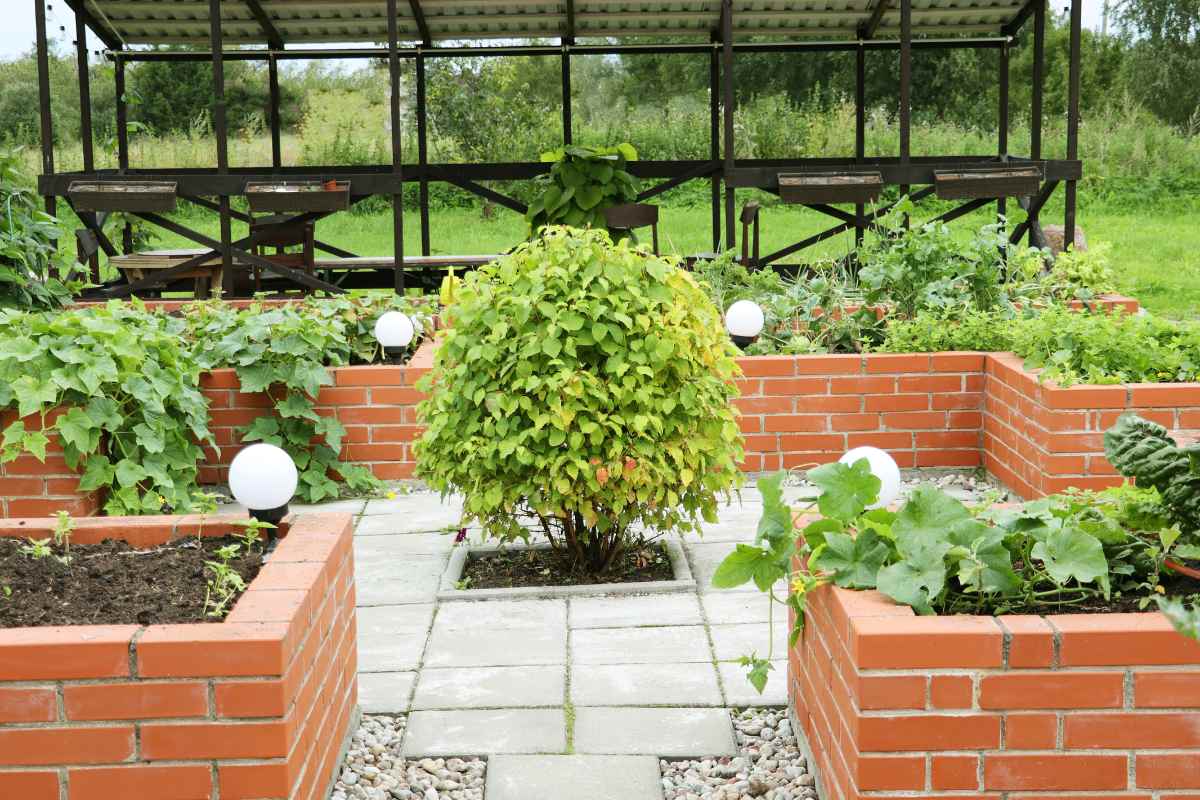
Sunlight drives yield, and long hose drags kill motivation. Beds hidden behind a shed or trees will struggle, especially fruiting crops like tomatoes and peppers.
How to fix it: Track sun for a day, then place beds where midday rays hit. Install a simple drip line on a battery or solar timer. A cheap splitter at the spigot powers two zones—greens and fruiting crops—with separate schedules.
Mistake 4: Overcrowding—Square-Foot Math Gone Wild
High-density planting is great, but seedlings still need light and airflow. Overcrowding invites mildew and stunts roots.
How to fix it: Follow realistic spacings: 9 bush beans or 4 lettuce per square foot, 1 tomato per square (with a sturdy cage). Prune lower tomato leaves, remove pepper suckers lightly, and thin root crops early.
Mistake 5: Ignoring Mulch and Pathways
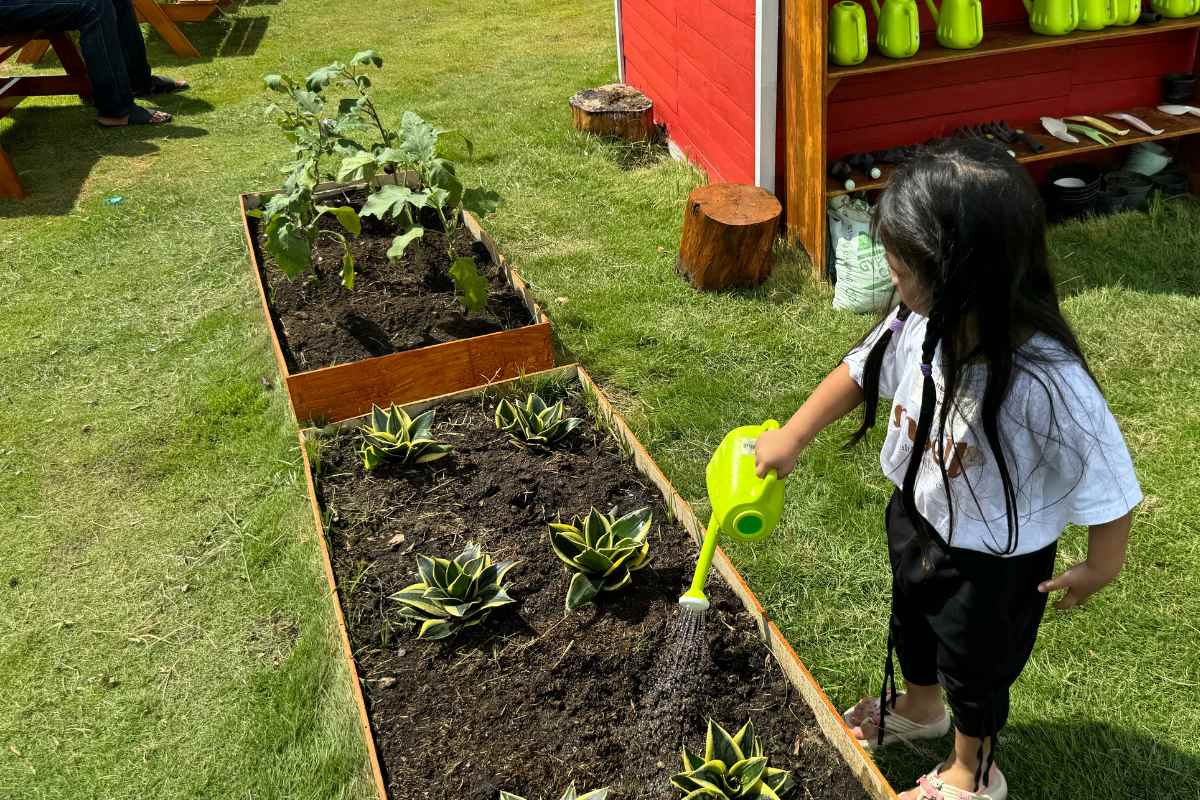
Unmulched beds lose moisture fast and grow weeds that steal nutrients. Bare aisles become muddy in rain and dusty in summer.
How to fix it: Mulch beds with shredded leaves, straw, or fine wood chips (keep chips off seed rows). For aisles, lay cardboard, then 5–8 cm of wood chips or gravel. This adds structure and suppresses weeds affordably.
Mistake 6: No Supports, No Plan—Vines Take Over
Cucumbers, peas, and indeterminates sprawl, shading neighbors and reducing airflow.
How to fix it: Add trellises before planting. T-posts plus a livestock panel make a bomb-proof arch; jute netting on a simple frame works for peas. Plan a Raised Garden Beds Diy Layout that groups tall trellised crops to the north, mid-height in the center, and low growers at the south edge.
Mistake 7: Overspending on Fancy Kits and Extras

Great beds don’t require designer lumber or complicated hardware. Many beginners blow the budget and then skimp on soil—the one place money matters most.
How to fix it: Prioritize soil; build frames from affordable materials. Pallet Raised Garden Bed Diy projects, recycled metal, or reclaimed brick can all work if safe and untreated. Consider Inexpensive Raised Garden Beds Diy with 2x8 construction-grade boards and galvanized screws. Save the upgrade money for drip irrigation and compost.
Simple Builds You Can Start This Weekend
Simple Raised Garden Beds Diy: Two 2x10s per side, 4x4 corner posts, and exterior screws. Pre-drill, square corners, and level the frame before filling.
Diy Raised Planter Boxes: Ideal for patios or renters. Use cedar fence pickets on a 2x2 frame with a lined bottom and drainage holes. Great for herbs and salad greens.
Raised Flower Beds Diy: Mix perennials (lavender, salvia) with annual color (zinnias, marigolds). Flowers boost pollinators and elevate any Potager Garden look.
Box Garden Ideas Raised Beds: Think modular: several matching boxes make rotation simple, help contain vigorous herbs, and look clean along a fence line.
Quick Layouts & What To Grow
Want fast wins? Try a 4x8 bed with two trellis panels on the north for cucumbers and peas, two tomatoes in cages, peppers in the middle, and a front border of basil and marigolds.
For greens, dedicate a full bed to cut-and-come-again lettuce, spinach, and arugula; reseed every 2–3 weeks for a rolling harvest. For roots, devote a bed to carrots and beets—loose soil equals straight, sweet roots. These are classic Raised Vegetable Garden Ideas that scale up or down easily.
Seasonal Care That Pays Off
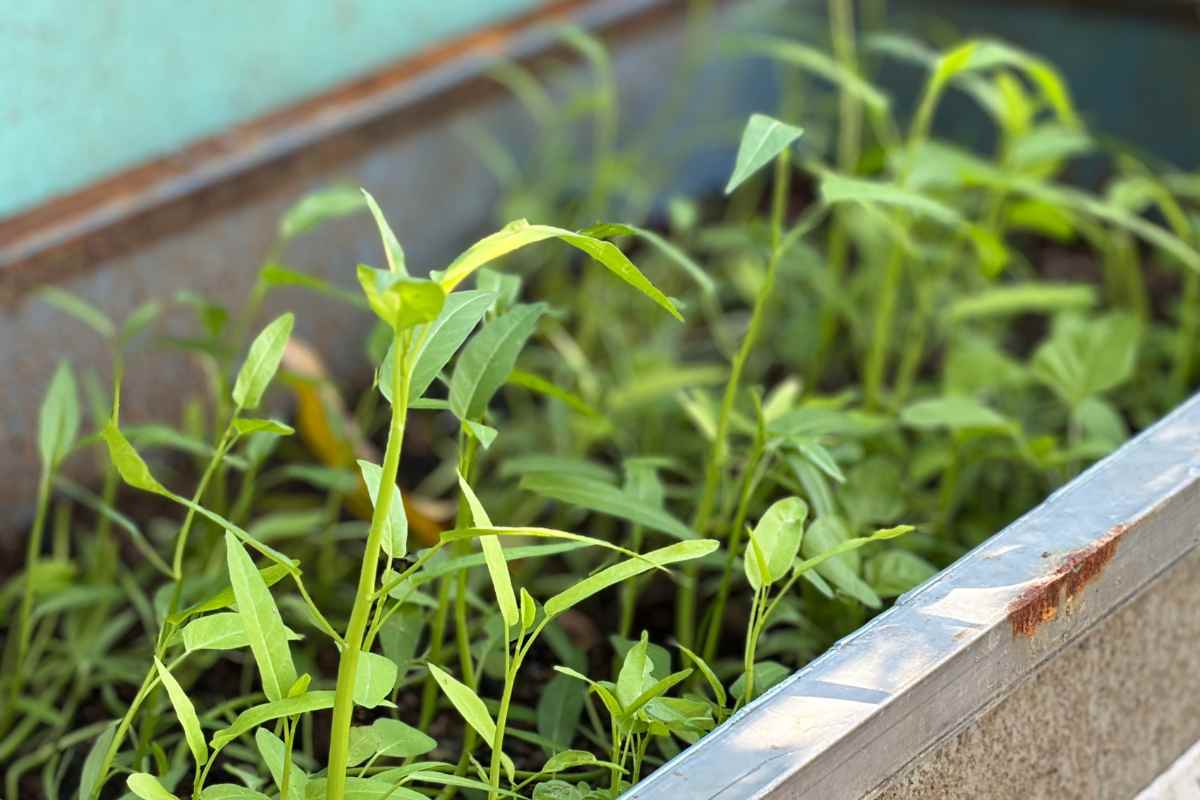
Top-dress with compost every change of season. After heavy feeders (tomatoes, corn), plant legumes or cover crops.
Test soil annually and adjust with rock dusts or organic fertilizers as needed. Keep a simple garden journal to track what worked and what didn’t.
In hot spells, add a temporary shade cloth; in shoulder seasons, low hoops with row cover push harvests earlier and later.
How This Guide Connects To the Video
Next Level Gardening’s breakdown of beginner mistakes stresses fundamentals: right bed size, sun, spacing, and soil.
We’ve expanded those ideas with layouts, crop picks, and low-cost builds so you can move from watching to planting today. Credit: “7 Beginner Raised Bed Garden Mistakes to Avoid” by Next Level Gardening (YouTube).
Keep Learning & Plant More
Ready to dial in watering, soil refreshes, and seasonal timing? Read our companion piece: 3 Essential Tips For Raised Garden Beds. It pairs perfectly with this guide so your beds stay productive from spring to frost.
Plan, Build, Grow—Your Next Step
You’ve got the mistake-proof plan. Choose one Easy Raised Garden Beds layout, source materials this weekend, and get your first seeds or starts in the soil. Keep aisles wide, trellis early, mulch often, and enjoy the harvest.
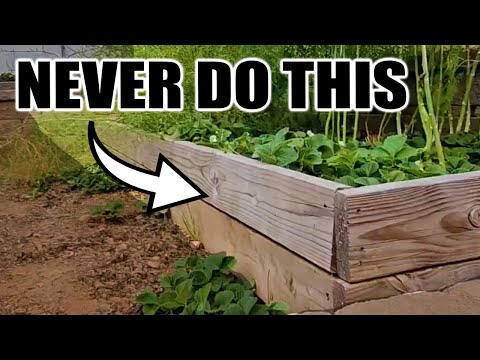
Source: Next Level Gardening
More Gardening Tips 👇🏼👇🏼