
How to Improve Clay Soil Without Digging It Up


Clay soil can feel like the ultimate garden roadblock: sticky when wet, rock-hard when dry, and slow to drain when you need it most. The good news is you don’t have to tear up your yard to make real improvements.
With a no-dig approach, you can gradually change how clay behaves—making it easier to plant, healthier for roots, and friendlier to earthworms. This guide walks you through practical, low-lift steps that actually work, whether you’re fixing a few beds or an entire backyard.
If you’re dealing with heavy clay and you’re improving it for better drainage, you might also be wondering whether that same clay can be useful for other projects. In fact, some gardeners choose to separate and repurpose clay-rich soil for DIY crafts—especially pottery—when they’re working on problem spots in the yard.
If that sounds like you, here’s a step-by-step guide on How to Extract CLAY from Soil for Pottery Making that walks you through the process safely and realistically, using simple tools you may already have.
Why Clay Soil Acts the Way It Does
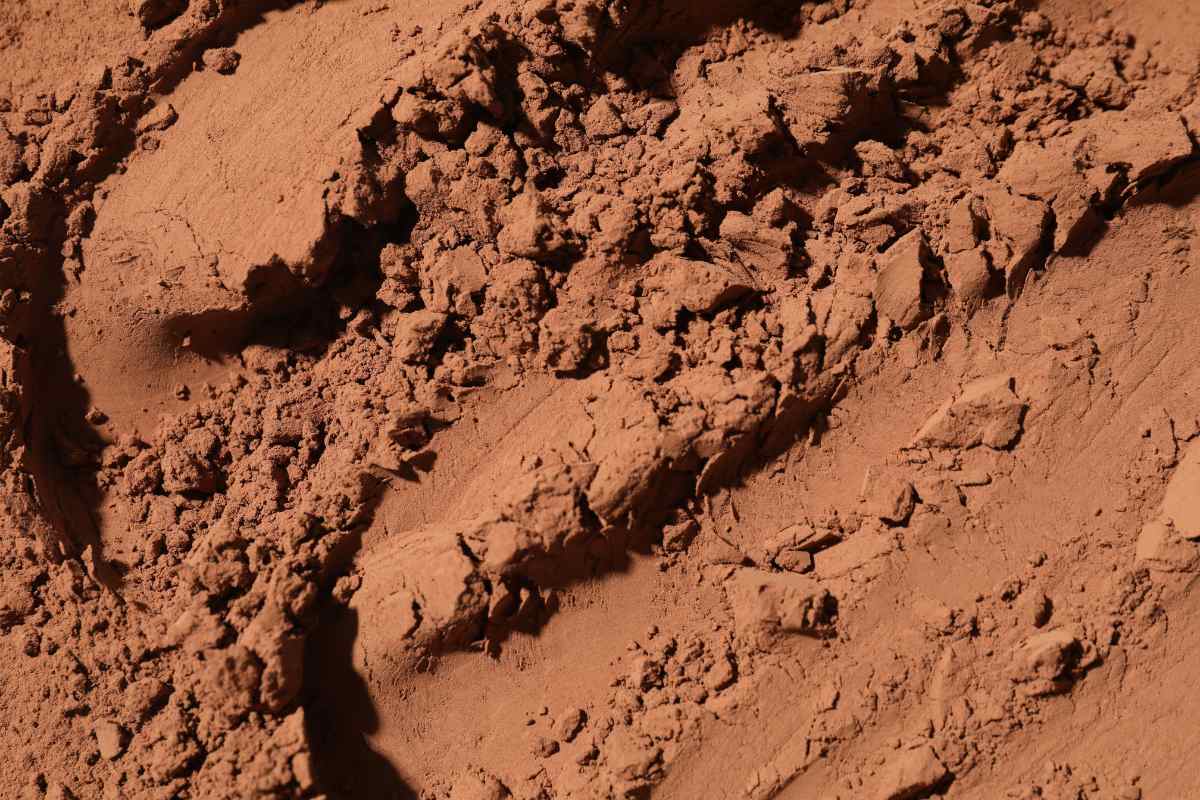
Clay isn’t “bad” soil—it’s just made of extremely fine particles that pack tightly together.
- When it’s wet: those tiny particles hold water and get slick and sticky.
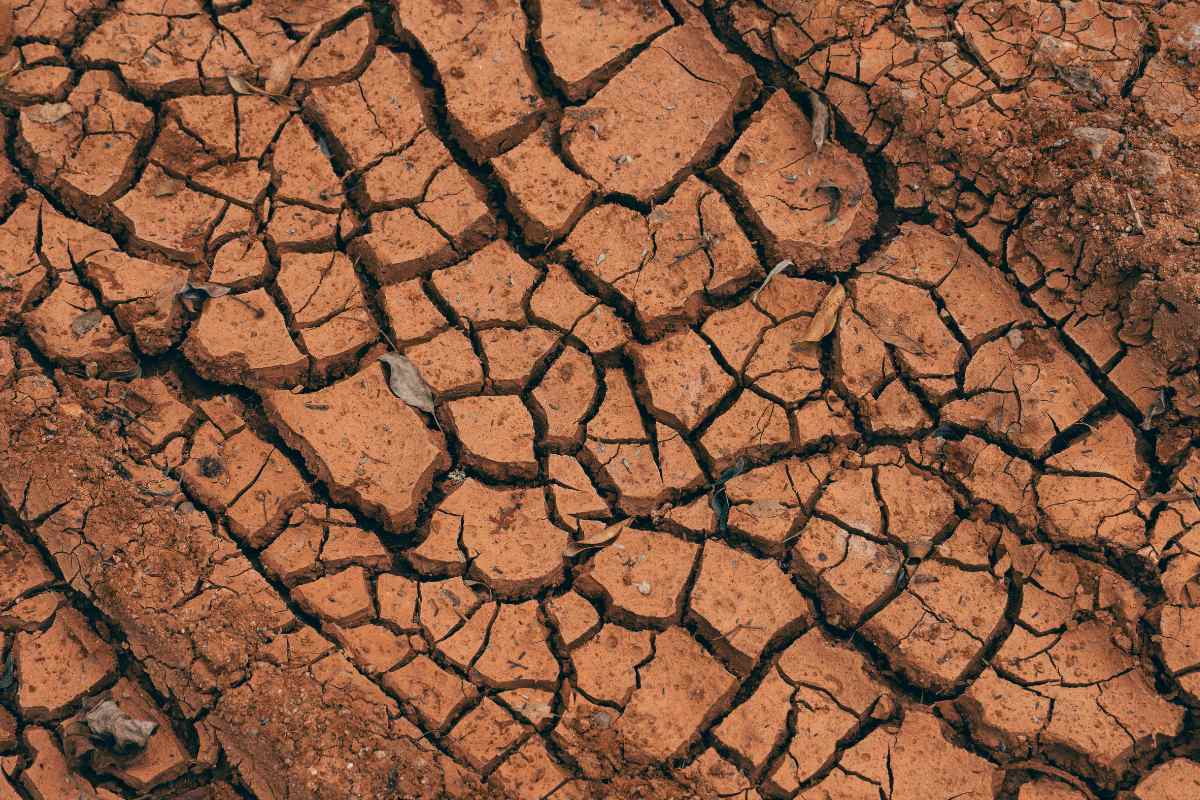
- When it’s dry: it contracts and hardens, sometimes cracking.
- Drainage is slow because there aren’t many air spaces for water to move through.
The goal isn’t to “remove” clay. The goal is to create structure—more air pockets, better aggregation, and a living soil ecosystem that keeps clay from compacting into a brick.
The No-Dig Strategy That Improves Clay Over Time
No-dig works because you’re improving the soil from the top down, letting biology do the mixing.
Think “layering,” not “turning”
Instead of digging amendments in (which can destroy soil structure and compact clay when conditions aren’t perfect), you’ll add materials on top so:
- microbes break them down,
- earthworms pull them deeper,
- and roots create channels that open the soil naturally.
Best part: every season gets easier.
Start With Organic Matter (Your #1 Clay Fix)

If you do only one thing, do this: add organic matter consistently.
What to add (top choices)
- Finished compost (the most reliable and beginner-friendly)
- Leaf mold (amazing for moisture balance and texture)
- Well-rotted manure (great for fertility; avoid fresh)
- Composted bark fines (useful in beds; not ideal as the only amendment)
How much to apply
- Spread 1–2 inches (2.5–5 cm) of compost over the soil surface 1–3 times per year (spring and fall are ideal).
- For brand-new beds over clay, aim closer to 2 inches (5 cm) the first time.
Tip: You’ll see the biggest improvement from repeating this yearly, not from doing it once.

Mulch Like You Mean It (Mulch Is Clay’s Best Friend)
Mulch protects clay from baking hard in summer and compacting in heavy rain.
Best mulches for clay soil
- Shredded leaves (free + breaks down fast)
- Wood chips (excellent for long-term structure; great around shrubs and trees)
- Straw (nice for veggie beds; choose seed-free if possible)
- Pine needles (great for pathways and around acid-loving plants)
Mulch depth guidelines
- Beds: 2–4 inches (5–10 cm)
- Around trees/shrubs: 3–4 inches (7.5–10 cm), kept a few inches away from stems to prevent rot.
Avoid: thick, soggy layers of grass clippings (they mat down and block air).
Use Cover Crops to “Bio-Drill” Clay (No Shovel Needed)

Roots are nature’s tiller. Cover crops punch channels into clay, then leave organic matter behind when cut down.
Good cover crops for clay
- Daikon radish/tillage radish (deep taproot helps open compacted soil)
- Crimson clover (adds nitrogen + improves structure)
- Annual ryegrass (great root mass; improves aggregation)
Simple method
- Broadcast seed in late summer/fall (timing varies by climate).
- Keep lightly watered until established.
- In spring, cut at the base and leave roots in place.
- Mulch right on top.
This is a powerful option if you’re improving a larger area without building new beds.
Build Raised Beds “On Top” of Clay (The Fastest Upgrade)
If you want quicker success, build up—not down.
Two easy no-dig options
- Raised beds with open bottoms: place directly on clay, add a rich soil/compost mix on top.
- Lasagna gardening (sheet mulching): layer cardboard, compost, and mulch to create a new planting zone.
Quick sheet-mulch recipe
- Mow the area short (optional).
- Lay plain cardboard (remove tape). Overlap edges.
- Add 2–3 inches (5–7.5 cm) of compost.
- Top with 3–4 inches (7.5–10 cm) mulch.
- Plant into compost layer (best after a few weeks; immediately for transplants).
Note: Cardboard is a jumpstart, not a forever layer—it breaks down.
Improve Drainage Without Digging (Smart Water Moves)

Clay can drain poorly even after you improve it—especially in low spots. Try these no-dig drainage upgrades:
- Redirect downspouts away from garden beds.
- Add a gentle surface swale (shallow shaping can be done without deep digging).
- Create mulched paths to absorb and slow runoff.
- Plant deep-rooted perennials to create lasting channels.
What not to do
- Don’t add sand to clay unless you’re doing a lab-calculated soil blend. Random sand often creates a concrete-like texture when mixed with clay.
Common Mistakes When Trying to Improve Clay Soil

Here’s what slows progress (or makes clay worse):
- Working with clay when it’s wet. It compacts and smears, destroying structure.
- Adding only one “quick fix” amendment and expecting instant results.
- Over-fertilizing instead of building soil biology.
- Leaving soil bare. Clay bakes, crusts, and compacts quickly.
- Mixing sand into clay without the right ratios.
Rule of thumb: protect the surface, feed the soil, and let time + biology do the mixing.
A Simple 30-Day No-Dig Plan to Improve Clay Soil
Want an easy starting point? Do this:
Week 1: Feed
- Add 1–2 inches (2.5–5 cm) finished compost.
Week 2: Protect
- Add 2–4 inches (5–10 cm) of mulch.
Week 3: Water smarter
- Water deeply but less often, so roots go down.
- Avoid watering when the surface is already saturated.
Week 4: Plant for structure
- Add a few deep-rooted plants (native perennials if possible).
- If it’s the right season, sow a cover crop in open areas.
Repeat the compost + mulch cycle seasonally, and you’ll notice clay becomes easier to work, drains better, and grows healthier plants.
Closing
Clay soil improvement is a long game, but it’s absolutely doable without digging up your yard. Focus on consistent organic matter, reliable mulch, and living roots, and you’ll build better structure season after season. Start with one small area, stick to the plan, and expand once you see results.
— Emily
More Gardening Tips 👇🏼👇🏼