
5 Fascinating Things You Didn’t Know About Ladybugs


Ladybugs (also called lady beetles) might be the cutest “garden helpers” around—but there’s a lot more going on than polka dots and photo ops.
Some species are incredible pest-control partners, while others can be surprisingly… complicated. In this guide, you’ll learn five fascinating ladybug facts, plus practical tips to encourage the right kind in your yard and avoid common mistakes.
1) Not All “Ladybugs” Eat Aphids (Some Are Plant Pests)
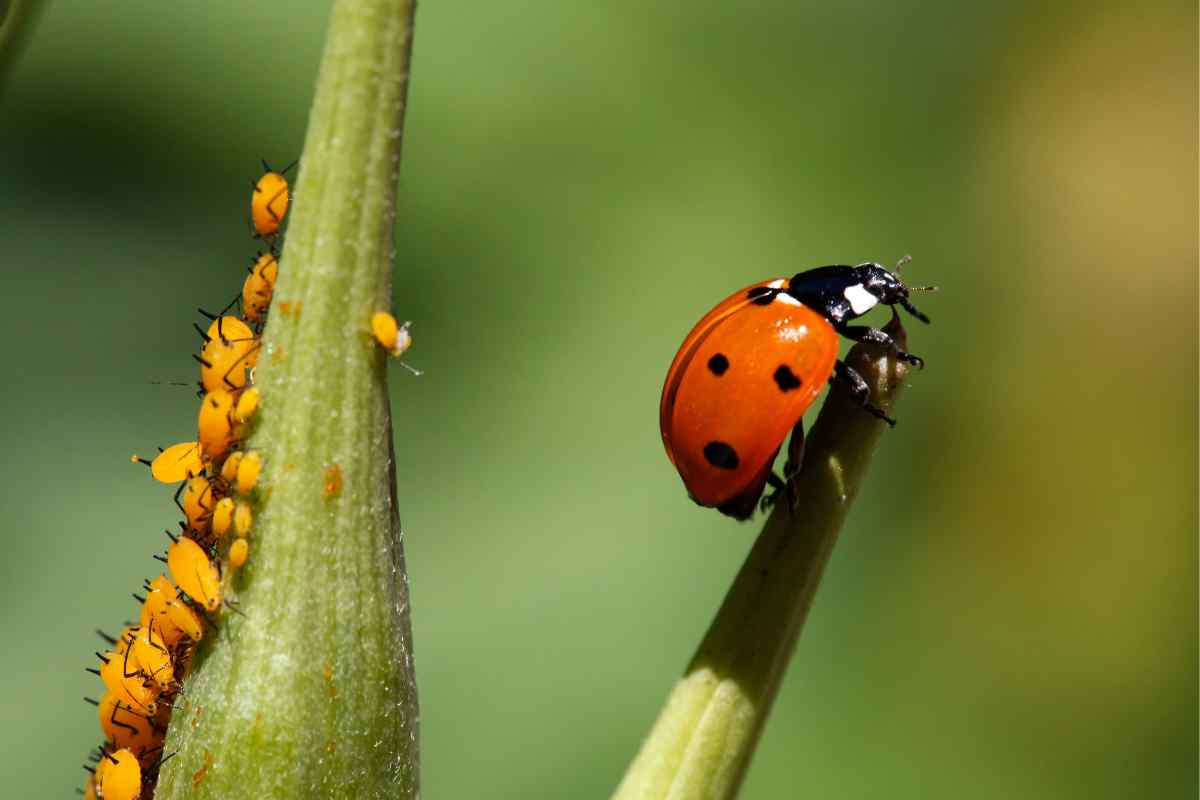
Most gardeners love ladybugs because many species are predators that snack on soft-bodied pests like aphids, mites, and small insect eggs.
But here’s the twist: not every ladybug is a pest-eating superstar.
- Some lady beetles are more interested in pollen, nectar, or mildew than aphids.
- A few species can feed on plants and crops, causing real damage.
- Others are beneficial sometimes and “meh” at other times, depending on what’s available.
Garden takeaway: If you’re counting on ladybugs for pest control, focus on habitat (more on that below), not just buying a container of beetles and hoping for magic.
2) Ladybug Larvae Look Like Tiny Alligators (and They’re the Hungriest Stage)

If you’ve ever seen a spiky, dark little insect crawling on your plants and panicked—good news. That might have been a ladybug larva.
They look nothing like the adults, but they’re often the most effective pest hunters.
What to look for:
- Elongated body, often dark gray/black with orange or yellow markings
- Bumpy/spiky texture
- Fast-moving and very “purposeful” on leaves
Why it matters: Larvae can eat a lot of pests in a short time, so spotting them is usually a sign your garden’s ecosystem is working.
Quick tip you can apply today
Before you spray anything, do a 10-second check:
- Flip a few leaves near the infestation.
- If you see larvae or clusters of ladybug eggs (tiny, yellow/orange, football-shaped), hold off on spraying and let nature help.
3) Their Spots and Colors Aren’t Just “Cute”—They’re a Warning System

Ladybugs come in more colors than most people realize: red, orange, yellow, even black with red spots. Those bright colors are often aposematic coloration—basically, a built-in “don’t eat me” sign for predators.
And spots? They can vary a lot:
- Some have many spots, some have few, and some have no spots at all.
- The number of spots doesn’t reliably tell you their age (a super common myth).
Garden takeaway: If you see different colors, it doesn’t automatically mean something is wrong—it may just be a different species.
4) Ladybugs Can “Bleed” a Smelly Fluid to Defend Themselves

When threatened, ladybugs can release a yellowish fluid from their legs (often called “reflex bleeding”). It can smell unpleasant and may leave stains on light fabrics.
Why do they do it:
- The fluid can taste bad to predators
- It helps discourage birds and other animals from eating them
Practical note: If you’re gently relocating one, let it crawl onto a leaf or paper instead of grabbing it between your fingers.
5) Many Ladybugs Spend Winter Hiding (Including Inside Homes)

In cooler months, some ladybugs seek sheltered places to overwinter. Outdoors, that might be under bark, leaf litter, rock crevices, or dense ground cover. But sometimes they choose human buildings, especially around windows, siding gaps, and warm sunny walls.
How to handle ladybugs indoors (without drama)
- Avoid crushing them (they can stain and smell).
- Use a cup-and-paper method to move them outside on a mild day.
- If they’re showing up often, focus on prevention:
- Seal small cracks around windows/doors
- Repair screens
- Check gaps where siding meets trim
Garden takeaway: Overwintering behavior is normal—and it’s another reason ladybugs thrive in gardens with natural shelter.
How to Attract Ladybugs to Your Garden (The Right Way)

If you want ladybugs to stay, think “food + water + shelter,” not “one-time release.”
Plant for nectar and pollen
Ladybugs (especially adults) often need nectar/pollen as a backup food source. Add small-flowered plants where they can land easily:
- Dill, fennel, cilantro (let some bolt)
- Sweet alyssum
- Yarrow
- Marigolds
- Coreopsis
Provide water without creating a mosquito spa
A shallow dish with pebbles works well:
- Add water so it sits just below the tops of the stones
- Refresh every day or two
Create a shelter they can use year-round
- Leave a small area of leaf litter or mulch in a quiet corner
- Keep some “messy” habitat, like ornamental grasses or low ground cover
- Skip ultra-clean garden practices everywhere—a little wild = a lot of beneficial insects
Go easy on broad-spectrum pesticides
Even “organic” sprays can harm beneficial insects if applied at the wrong time. If you must treat:
- Target the specific pest
- Spray in the evening when pollinators are less active
- Avoid spraying plants where you see ladybug eggs/larvae
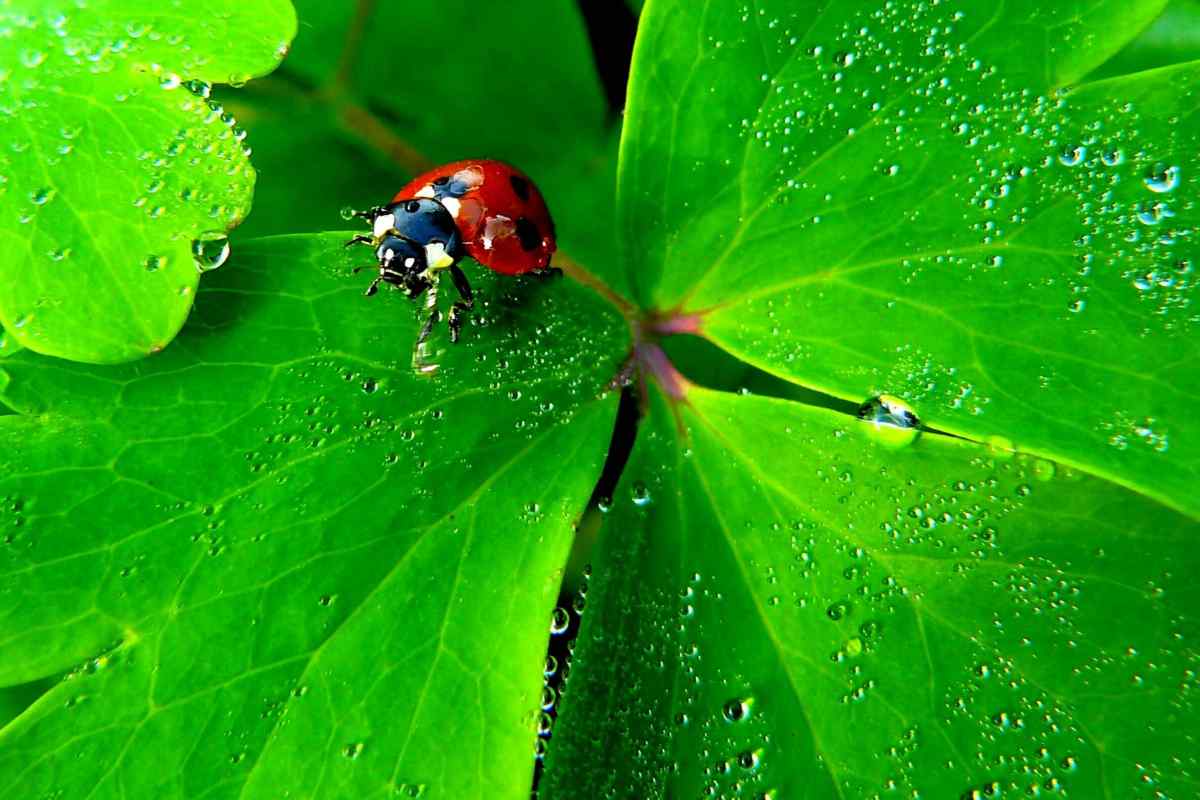
If you want to go beyond fun facts and actually see more ladybugs sticking around, the next step is creating a garden that feels like “home” to them.
Ladybugs stay where they can find steady food (aphids + nectar), reliable water, and safe shelter—not just for a day, but all season long.
That’s exactly what we cover in How to Attract Ladybugs to Our Gardens, with simple planting ideas and habitat tweaks that encourage beneficial insects naturally (and help you rely less on sprays).
Common Mistakes When Trying to “Use” Ladybugs for Pest Control
Mistake #1: Buying ladybugs and releasing them at noon
They often fly away quickly—especially in hot, dry conditions. If you ever release beneficial insects, do it at dusk and water lightly first so the area feels hospitable.
Mistake #2: Expecting ladybugs to solve a heavy infestation overnight
They help, but they’re not instant cleanup crews. Pair them with smart steps like pruning heavily infested tips and improving plant health.
Mistake #3: Spraying first, asking questions later
If you spray broad-spectrum products, you can wipe out the very helpers you want. Always check for larvae and eggs before treating.
Mistake #4: Removing all the “weeds” and wild edges
A perfectly manicured yard often means fewer beneficial insects. Keep at least one small zone for habitat.
Ladybugs are more than garden cuteness—they’re complex little allies with a fascinating life cycle and clever defenses. When you focus on habitat, gentle pest management, and season-long food sources, you’ll see more ladybugs (and more balance) over time.
If you want a quick next step: plant one nectar-rich flower patch and skip spraying for a week—then watch what shows up.
— Emily
More Gardening Tips 👇🏼👇🏼