
How to Attract Ladybugs to Our Gardens


Ladybugs, also known as ladybirds or Coccinellidae, are not only beautiful but also highly beneficial for your garden.
These tiny beetles are natural predators of many common garden pests like aphids and mites, making them invaluable allies for organic gardening.
In this guide, we’ll explore how you can attract these helpful insects to your garden and create an environment where they thrive.
Why Are Ladybugs Important?
Ladybugs are essential for maintaining a balanced garden ecosystem.
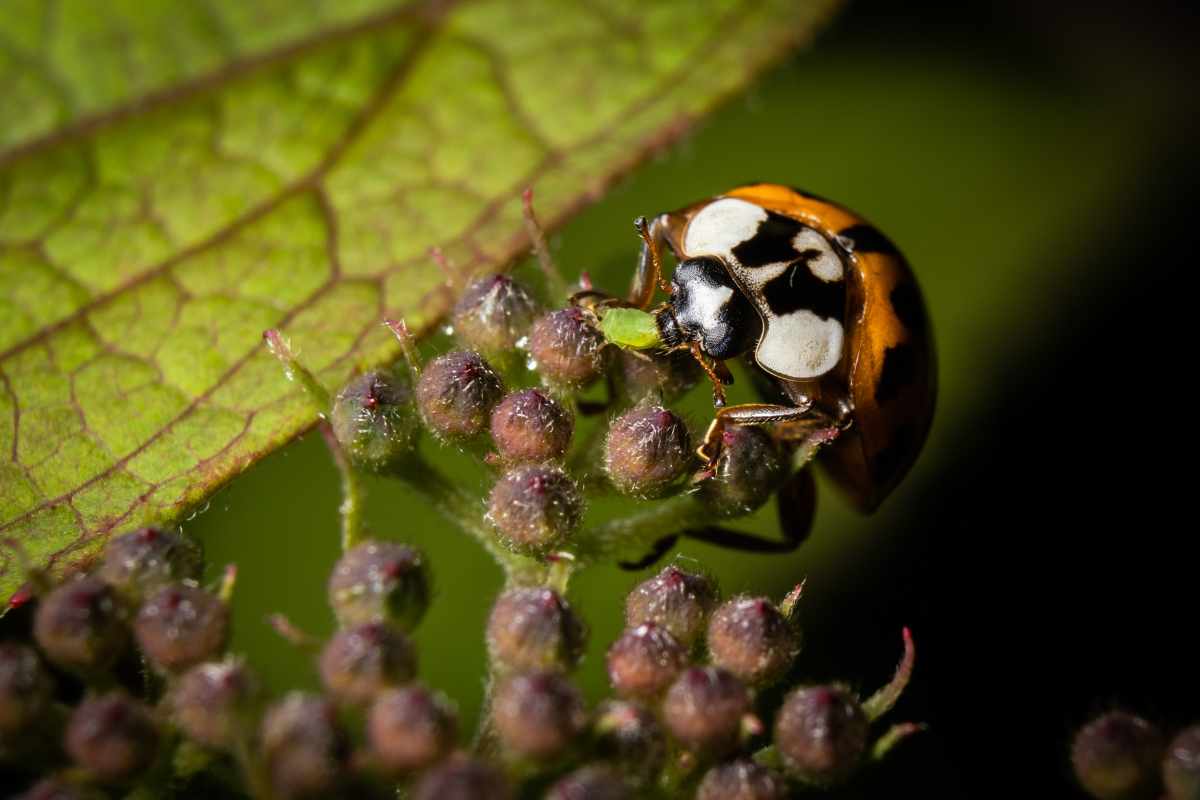
They consume vast quantities of aphids, which are notorious for damaging plants by sucking their sap.
By attracting ladybugs, you reduce the need for chemical pesticides and promote a healthier, more sustainable garden.
Plus, their striking red-and-black appearance adds beauty to your garden.
What Do Ladybugs Need to Thrive?
To attract ladybugs to your garden, you need to provide the right conditions.
These insects are drawn to environments with plenty of food (such as aphids) and shelter. Here’s what you can do:
1. Plant the Right Plants
Certain plants attract ladybugs by providing nectar, pollen, and aphids. Consider adding these plants to your garden:
Dill, Fennel, and Parsley: These herbs not only attract ladybugs but also serve as food for their larvae.
Asters and Marigolds: These flowers offer nectar and pollen, which draw ladybugs.
Sunflowers: Known for their large blooms, sunflowers also harbor aphids, providing a food source for ladybugs.
Yarrow: This herb is excellent for drawing ladybugs, as it produces flowers that attract various insects.
Planting these species will not only attract ladybugs but will also help create a diverse and vibrant ecosystem in your garden.
2. Create a Ladybug-Friendly Habitat
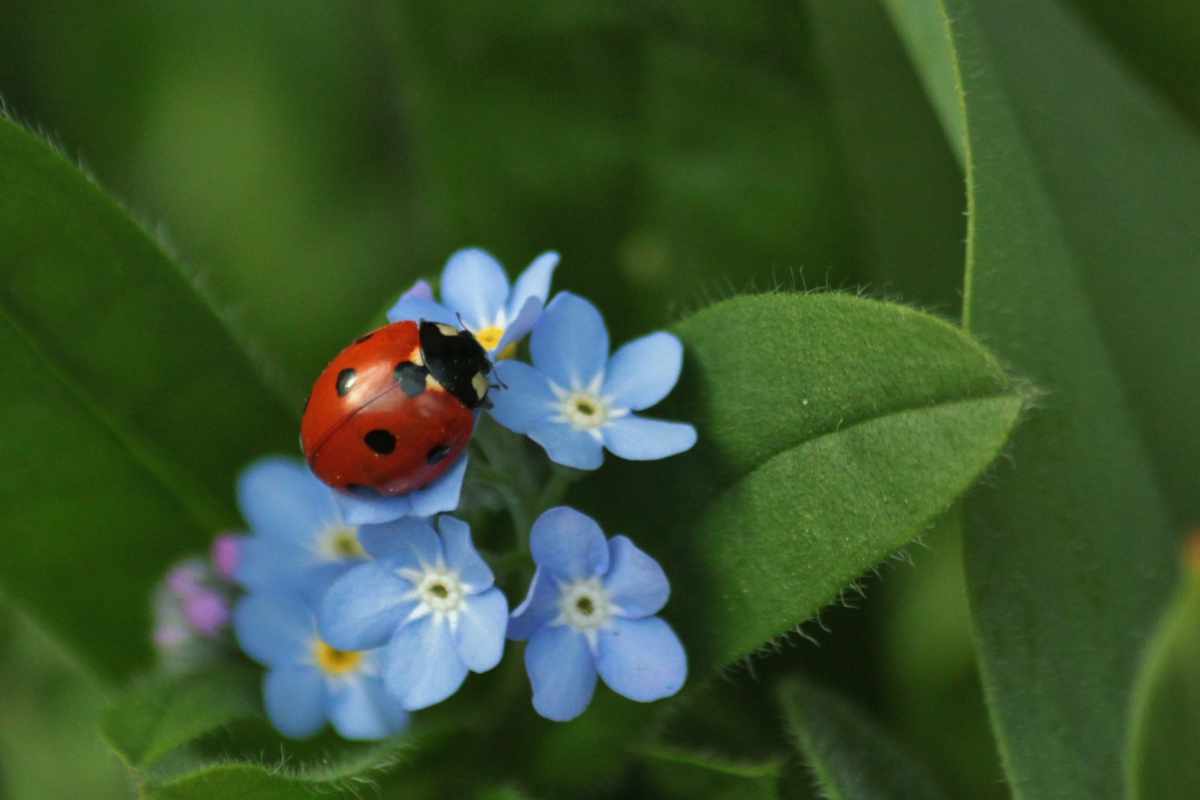
Ladybugs need shelter and a safe space to hide during the winter months or when the weather gets too hot.
You can create a habitat by adding these elements to your garden:
Insect Hotels: Build or buy a ladybug habitat, such as a simple wooden box with holes. This gives them a place to hide, lay eggs, and seek refuge during unfavorable weather.
Mulch and Leaf Litter: Layering your garden beds with mulch or leaves provides a perfect hiding place for ladybugs.
Avoid Pesticides: Pesticides not only kill harmful pests but also harm beneficial insects like ladybugs. Opt for natural pest control methods to ensure your garden remains a haven for them.
3. Maintain a Healthy Garden Ecosystem
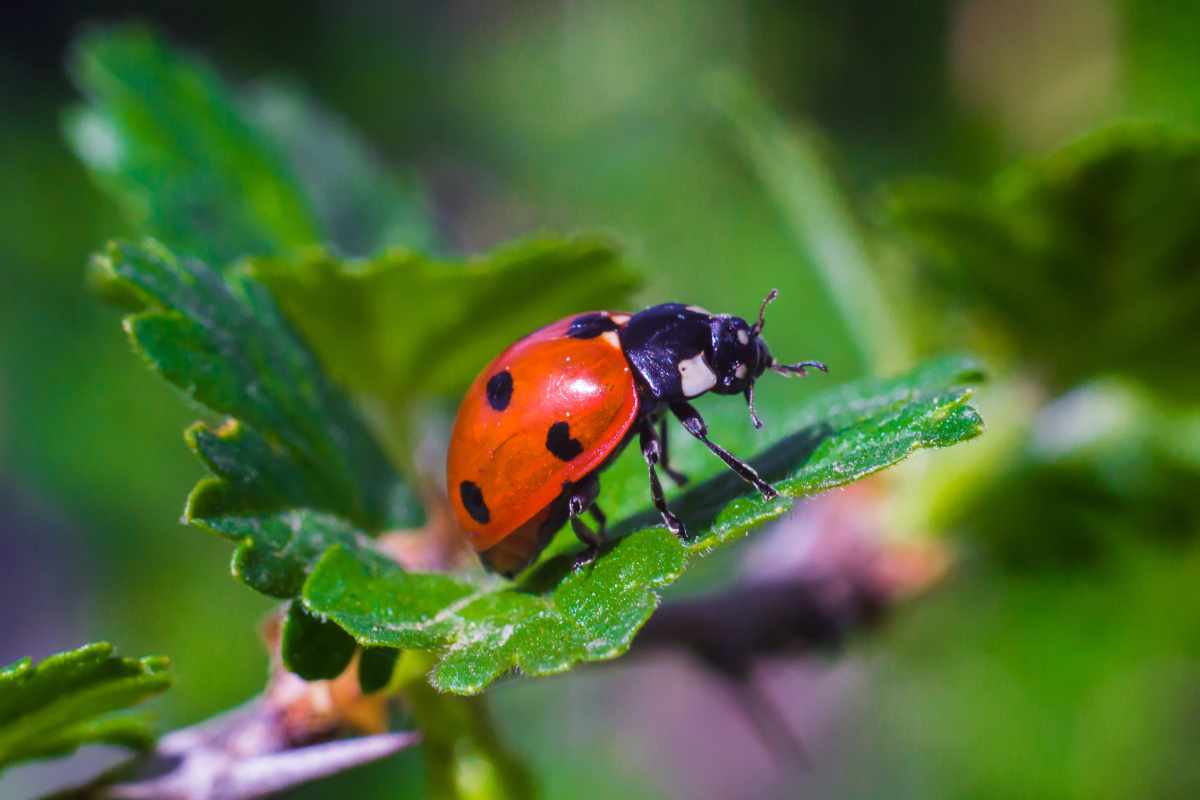
Encouraging ladybugs is part of fostering a balanced garden.
Here are a few tips to ensure your garden is an inviting place for these helpful beetles:
Encourage Other Beneficial Insects: Ladybugs are part of a larger network of beneficial insects that help manage pests. Planting a variety of flowers and herbs attracts different insects that can support the ladybug population.
Keep a Water Source: Providing a small water source, such as a shallow dish or birdbath, can attract ladybugs and other insects, particularly in hot weather.
Control Aphid Populations Naturally: While ladybugs love aphids, it’s essential to keep their population under control so they have a steady food supply. You can also introduce other natural predators, such as lacewings, to your garden.

Ladybug Facts: Interesting to Know
Variety of Species: There are more than 5,000 species of ladybugs worldwide, with the most common in gardens being Coccinella septempunctata and Hippodamia convergens.
Life Cycle: Ladybugs go through four stages in their life cycle: egg, larva, pupa, and adult. The larvae are particularly voracious eaters, consuming many aphids and other pests.

In Conclusion, A Ladybug-Friendly Garden is a Healthier Garden
Attracting ladybugs to your garden can significantly reduce pest populations while promoting a more sustainable and beautiful space.
By planting the right flowers, creating shelter, and maintaining a healthy ecosystem, you’ll not only bring these beneficial insects to your garden but also foster a thriving environment for a variety of other species.
Start incorporating these tips today, and soon you’ll notice more ladybugs in your garden, helping to keep your plants healthy and pest-free.
Did you find this post Useful or Inspiring? Save THIS PIN to your GARDENING Board on Pinterest! 😊

Once again, thank you for visiting our website!
We hope you've enjoyed exploring the content we've created for you.
Give yourself the chance to learn, get inspired, and have even more fun, keep browsing...
More Gardening Tips 👇🏼👇🏼