
How to set up an Insect Hotel (The Ideal Location)


Creating an insect hotel in your garden is a fantastic way to support biodiversity while enhancing the health of your plants.
These little shelters provide a safe space for beneficial insects, like pollinators and predators, to thrive.
Follow this simple guide to build your own insect hotel and attract essential bugs to your garden.
Why Insect Hotels Matter
Insects play a vital role in maintaining a balanced ecosystem. Pollinators like bees and butterflies help plants reproduce, while predatory insects such as ladybugs and spiders keep pest populations in check.
Unfortunately, many of these beneficial bugs face a lack of safe spaces in urban environments.
By building an insect hotel, you can create a sanctuary that helps support their population and promote a healthy garden.

Choosing the Perfect Location
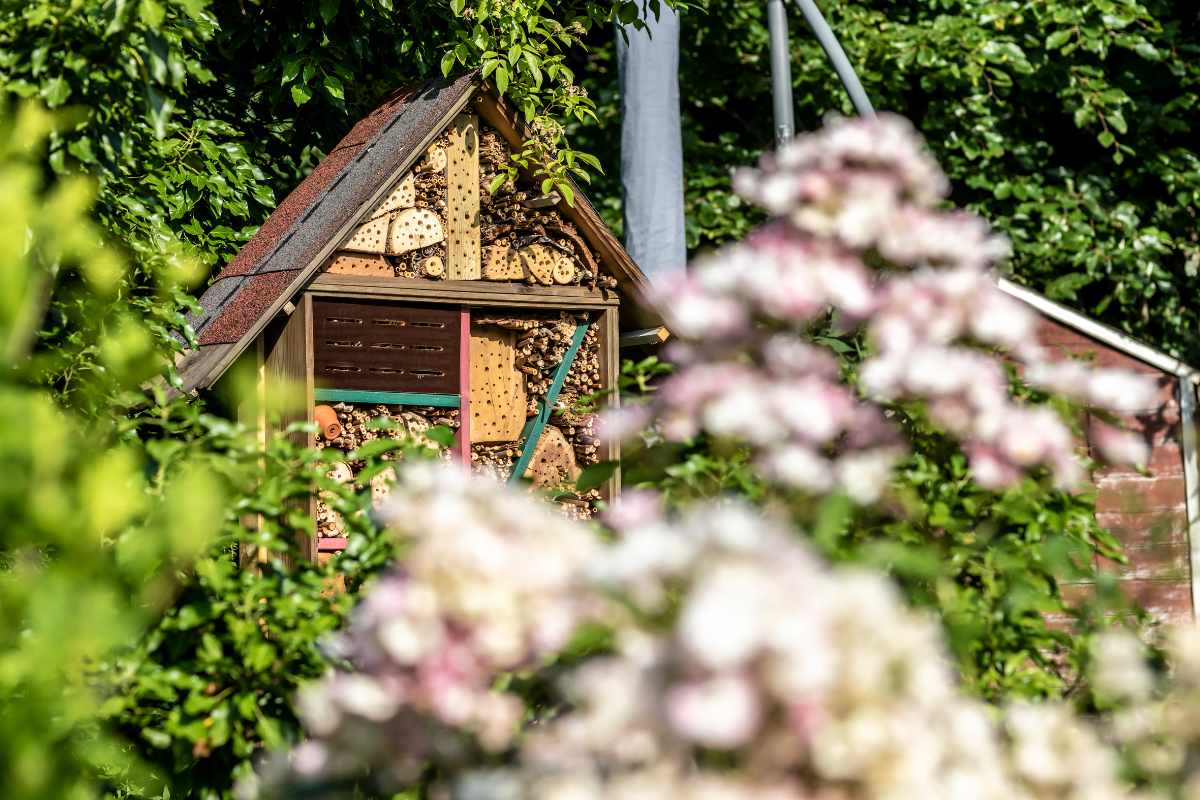
To ensure your insect hotel thrives, place it in a location that benefits from plenty of sunlight.
Choose a sheltered spot, ideally against a wall or fence, to protect it from wind and heavy rain.
Elevate the hotel slightly off the ground to avoid dampness, which can be harmful to insects.
A position facing south or southeast is ideal for maximizing sun exposure.
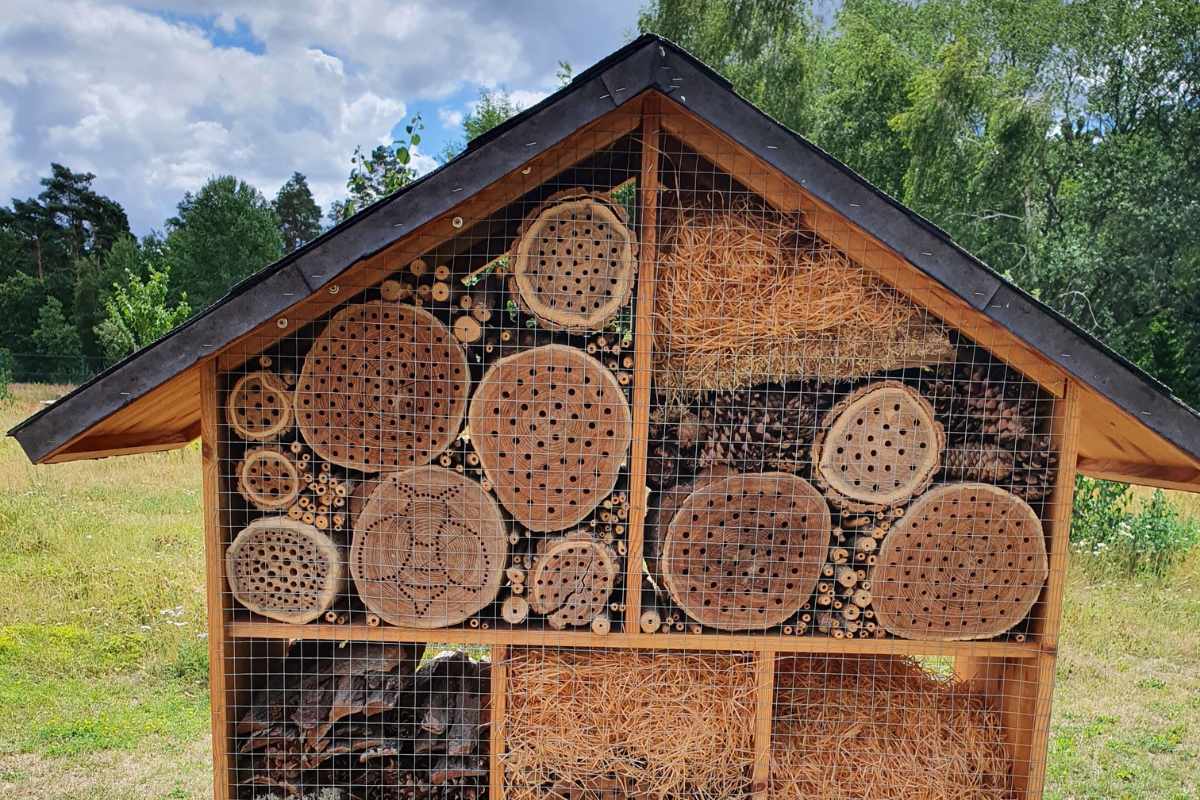
Materials You’ll Need
Creating your insect hotel is simple and requires only a few basic materials. Here’s what you’ll need:
Wooden planks (untreated) – for the structure
Bamboo canes or hollow stems – these provide perfect cavities for insects to nest
Pine cones – great for creating small spaces for insects to hide
Straw or hay – used as insulation and to fill gaps
Clay and sand mixture – helps stabilize the structure and fill in holes
Nails or screws – to assemble the pieces
Wire mesh – optional, for securing materials
Step-by-Step Assembly of Your Insect Hotel
Prepare the Structure
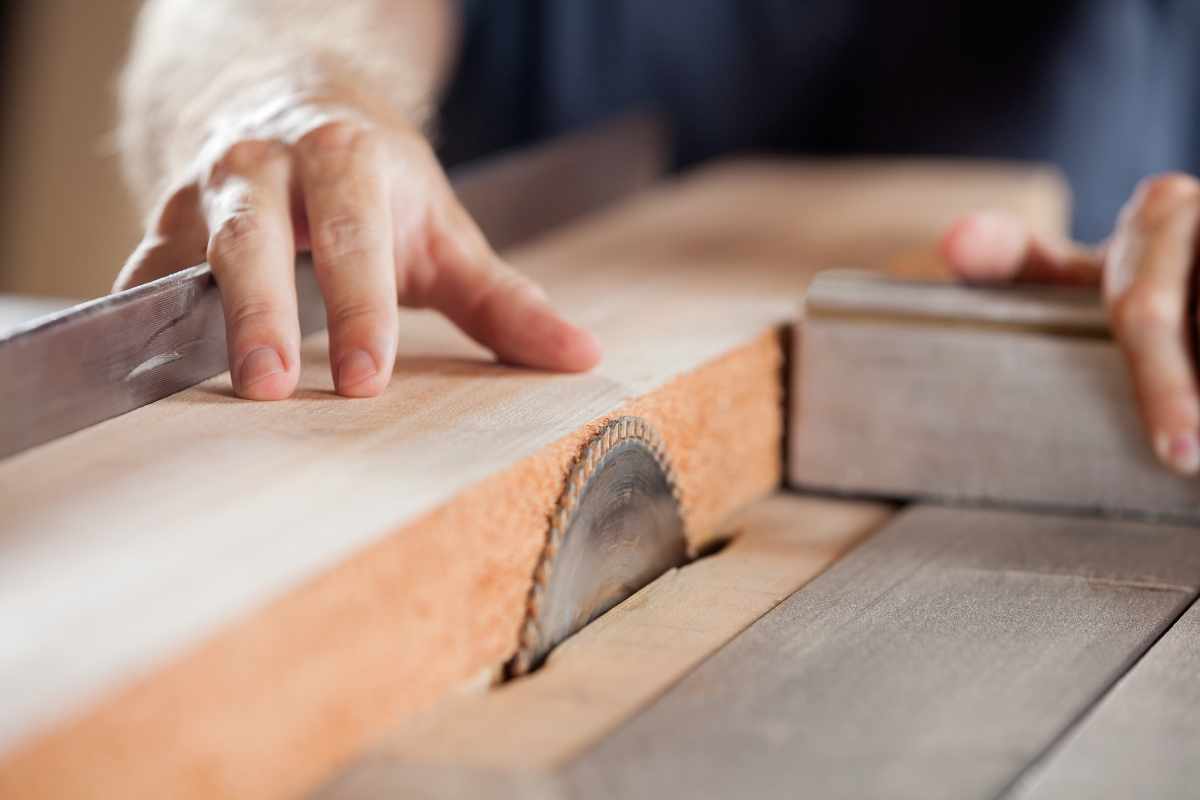
Start by cutting the wooden planks into manageable pieces to create the sides and back of the hotel.
The size depends on how large you want your hotel to be, but a good starting point is around 12 inches wide and 18 inches tall.
Create Nesting Spaces

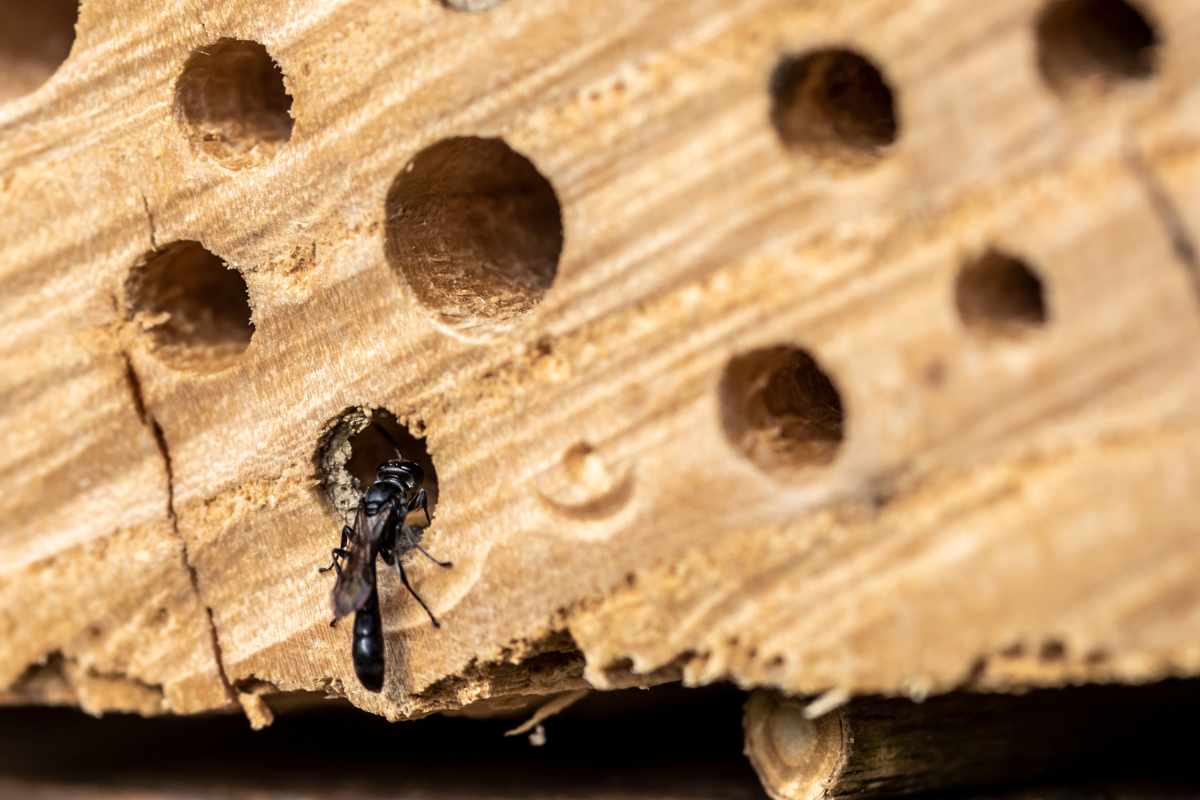
Drill holes of varying sizes into the wooden planks to accommodate different insects.
Bees prefer 3-10mm diameter holes, while ladybugs need larger spaces. Don’t forget to leave some gaps between each plank for air circulation.
Add Natural Materials
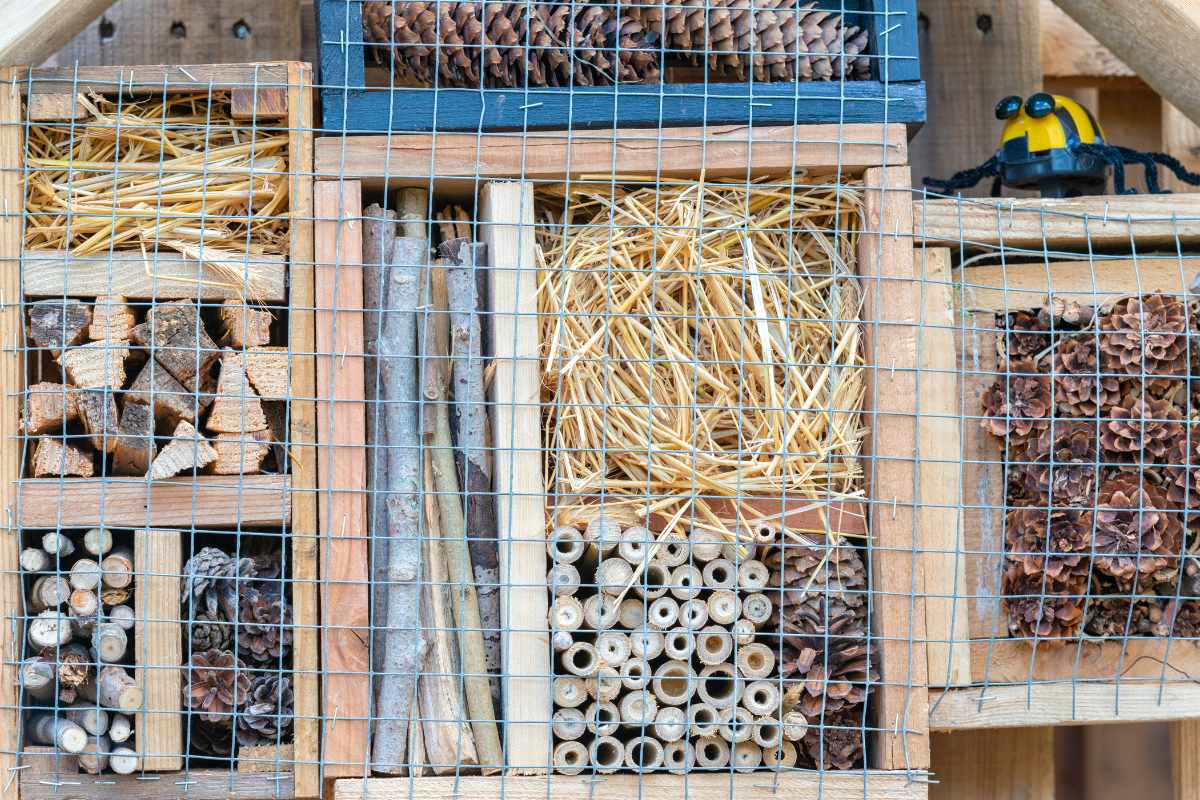
Fill the gaps with bamboo canes, pine cones, hollow stems, or straw. These materials provide perfect nesting spaces for solitary bees, ladybugs, and other beneficial insects.
If you’re using bamboo canes, cut them into 6-inch lengths to create individual compartments.
Secure the Structure
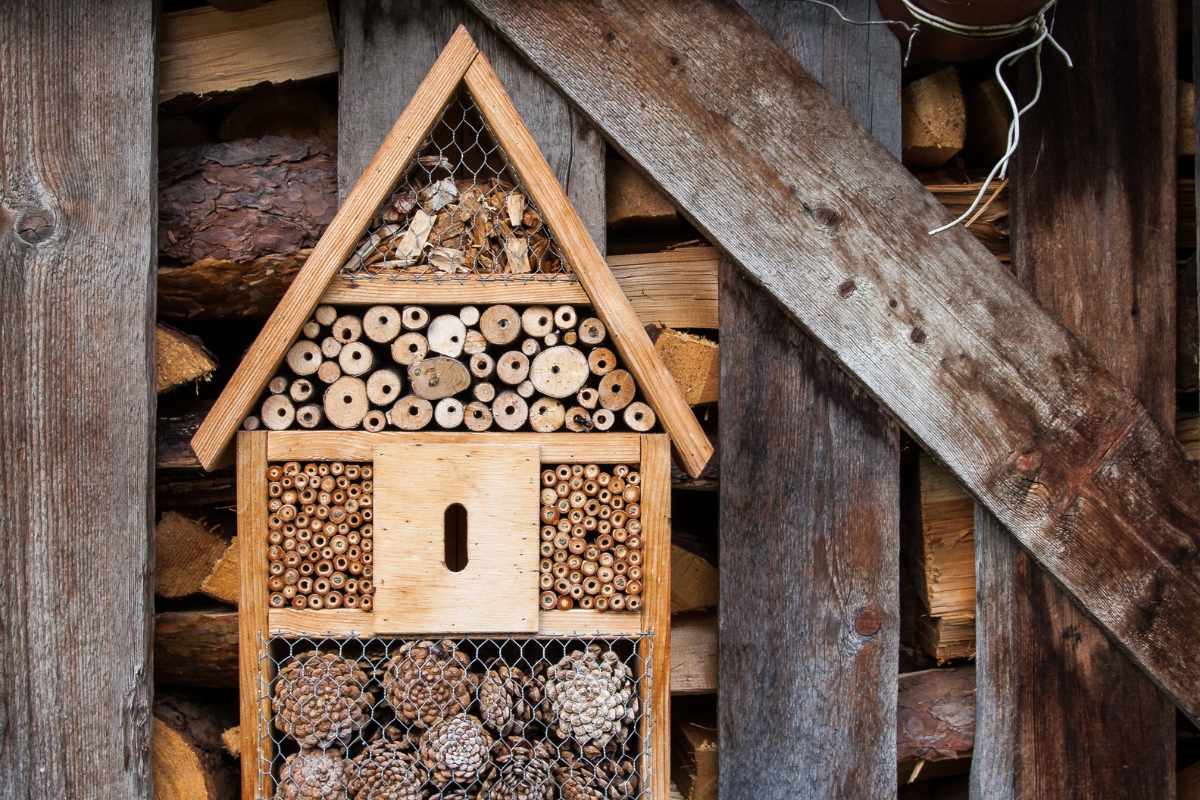
Once your materials are arranged, secure them with nails or screws.
If you're using wire mesh, attach it over the front to keep the materials in place while still allowing insects to enter.
Position Your Hotel
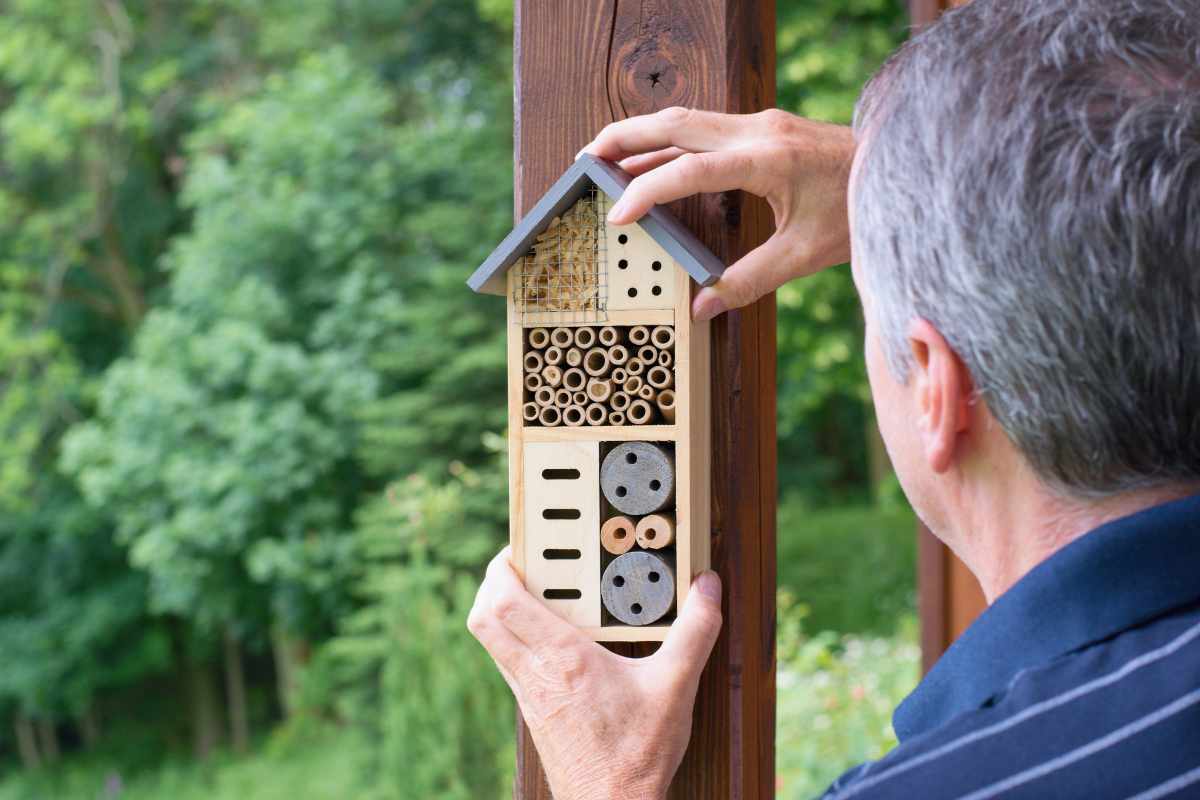
Once assembled, position the hotel in the designated sunny spot.
Ensure that the entrance is facing outward to allow insects to easily find their way in. Make sure it's secure and won’t topple over.
Maintenance Tips
Once your insect hotel is up and running, it's important to check it occasionally to ensure it remains in good condition.
Here’s how to maintain it:
Replace damaged materials – If any part of the hotel becomes worn or damp, replace the materials to keep the hotel comfortable for insects.
Avoid disturbing the hotel – Try to keep your hands off the nesting areas as much as possible. Insects need a peaceful environment to thrive.
Monitor insect activity – Observe the hotel for signs of new residents, such as cocoons or eggs. These signals indicate that your insect hotel is working!
Benefits of an Insect Hotel
By providing a haven for beneficial insects, you’ll see the benefits in your garden. Here’s what an insect hotel can do for you:
Boost pollination – More pollinators mean healthier plants and better yields.
Natural pest control – Beneficial predators like ladybugs will keep aphid populations in check.
Support biodiversity – An insect hotel can help support the diversity of local insect species.
Your Garden’s New Best Friend
An insect hotel is a simple yet effective way to support the biodiversity of your garden.
Not only will it help attract essential insects, but it will also promote a healthier, more vibrant garden.
By following these easy steps, you’ll create a welcoming environment for pollinators, predators, and many other beneficial bugs.
So, grab your materials and start building your insect hotel today!
Did you find this post Useful or Inspiring? Save THIS PIN to your Gardening Board on Pinterest! 😊

Once again, thank you for visiting our website!
We hope you've enjoyed exploring the content we've created for you.
Give yourself the chance to learn, get inspired, and have even more fun, keep browsing...
More Gardening Tips 👇🏼👇🏼