
Pet Friendly Backyards: Safe, Stylish Ideas for Dogs and Cats


If you love a beautiful backyard but also share your home with a dog (or a curious cat), you know the struggle: muddy paws, chewed plants, worn-down grass, and that one “favorite spot” that never recovers. The good news is you don’t have to choose between a pretty outdoor space and a practical one.
With a few smart layout tweaks and pet-safe materials, you can create a yard that’s comfortable, clean, and safe. This guide breaks down pet friendly backyards into easy upgrades you can actually use—whether you have a tiny patio or a big family lawn.
Start With a Pet-Friendly Backyard Layout
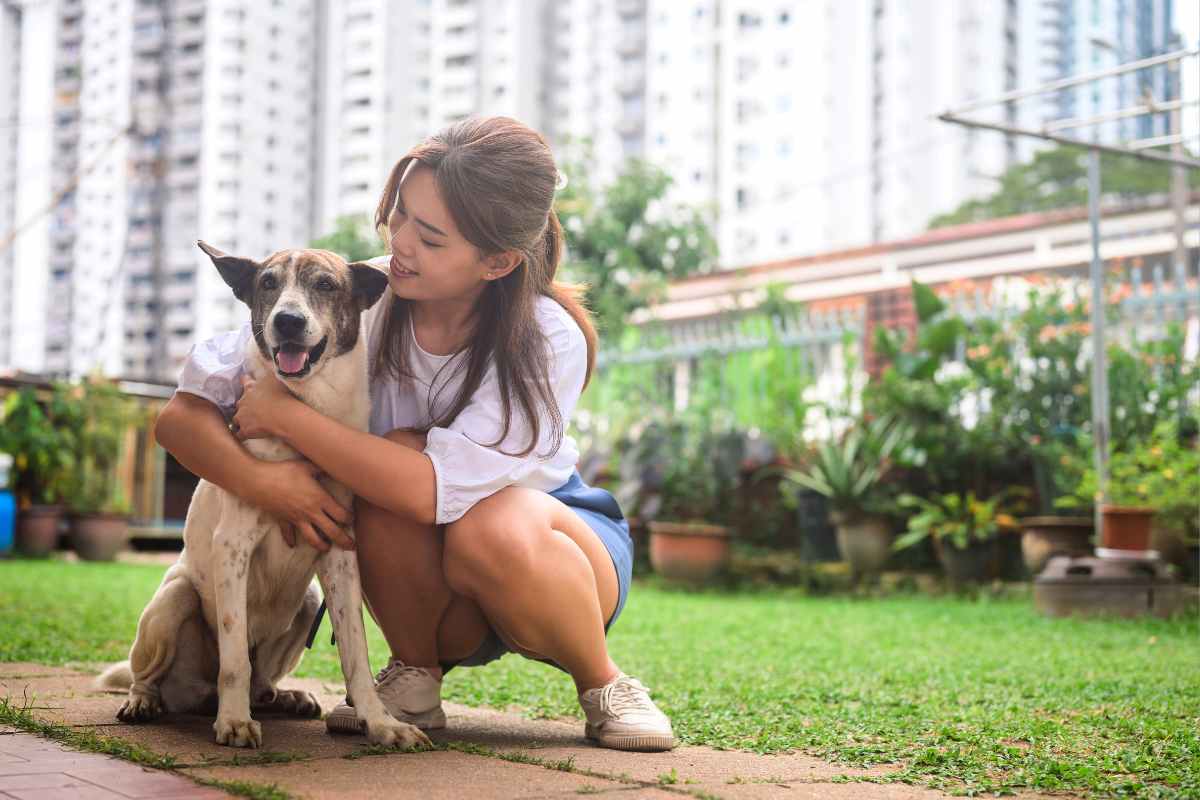
A functional yard usually comes down to zoning—giving your pets clear areas to run, rest, and do their business (without ruining the whole space).
A simple 3-zone setup works in most pet friendly backyards:
- Play zone: open space for zoomies, fetch, and roaming
- Lounge zone: shade + a comfortable spot to rest
- Potty zone: a designated area that’s easy to rinse and maintain
Even if your backyard is small, you can still define these zones using planters, edging, outdoor rugs, or a short path.
Make Traffic Paths on Purpose
Dogs tend to “track” the same route along fences or from the door to the yard. Instead of fighting that, lean into it:
- Add a mulch, gravel, or paver path where your pet naturally runs
- Use edging to keep material in place
- Keep the path at least 18–24 inches (45–60 cm) wide for comfort
This one change can save your grass and make the whole yard look more intentional.
Choose Ground Covers That Can Handle Pets
Grass is gorgeous… until it’s not. If your lawn can’t keep up, a mix of durable surfaces looks better and stays cleaner.
Best Pet-Friendly Ground Options
- Clover blend: soft, resilient, and often needs less water than traditional turf
- Mulch (pet-safe): great for play zones; choose chunkier mulch that’s less likely to stick to fur
- Decomposed granite or pea gravel: drains well and reduces mud (use edging so it stays put)
- Pavers + joint filler: clean, modern, and easy to hose down
- Artificial turf (quality matters): choose pet-rated turf with good drainage and plan for odor control
Tip: In high-traffic areas near doors, use pavers or gravel first—then transition to lawn or planting beds. That’s how you cut down on mud fast.
Pick Pet-Safe Plants (Without Giving Up a Pretty Garden)

Pet friendly backyards can still be lush—you just need a little strategy.
How to Plan Plants for Pets
- Place delicate plants inside raised beds or behind low fencing
- Choose tougher shrubs along the perimeter
- Avoid plants with thorns where pets brush past
- Keep mulch and soil topped up to discourage digging
Pet-Safer Planting Habits
I’m not a vet, so always double-check specific plant toxicity for your pet—but these habits help no matter what you grow:
- Keep fertilizers and pesticides locked away and follow label directions
- Prefer pet-safe pest control options where possible
- Skip cocoa mulch (more on that below)
If you already have plants and you’re unsure, focus first on access control (raised planters, edging, and barriers) while you research and replace over time.
Upgrade Fencing and Gates for Real Escape-Proof Safety
Nothing ruins “relaxing backyard time” like chasing a dog down the street.
Dog-Proof Fencing Basics
- Aim for a fence height that matches your dog’s jumping ability (bigger dogs typically need taller fences)
- Check for gaps under gates (common escape route)
- Use dig guards: pavers, buried wire, or a strip of gravel along the bottom edge
- Make sure latches are secure (some dogs learn fast!)
Quick win: Walk the perimeter at dog-eye level and look for “tunnels,” loose boards, and climb points (like stacked firewood or planters near the fence).
Create Shade, Water, and Comfort Stations
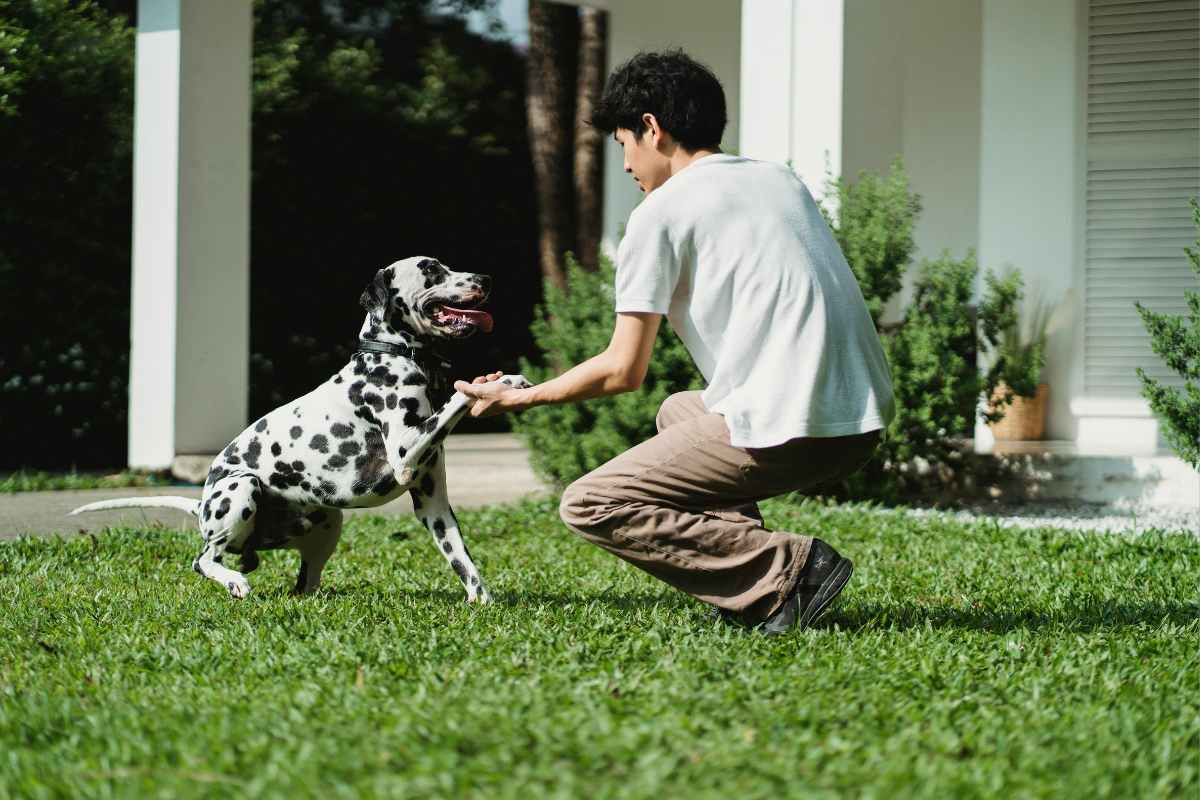
A pet friendly backyard should feel comfortable—not just safe.
Easy Comfort Upgrades
- Add shade with a sail, pergola, or umbrella
- Provide a water bowl in a heavy, tip-resistant dish
- Set up a cooling station: a shaded mat or outdoor bed
- If you have space, consider a simple hose-friendly rinse area near the door
Hot surface check: If you can’t comfortably hold your palm on a surface for 5–7 seconds, it’s too hot for paws. In warm seasons, prioritize shade and cooler walking routes.
Build a Clean, Low-Odor Potty Zone
Designating a potty zone is one of the best ways to keep the rest of your yard beautiful.
Simple Potty Zone Setup
- Pick a location away from entertaining areas (but easy to reach)
- Use materials that drain: pea gravel, mulch, or pet turf
- Install edging so it stays defined
- Keep a small lidded bin nearby for waste bags
Keep It Fresh
- Rinse regularly with water
- Use pet-safe enzymatic cleaners as needed (especially on turf)
- Avoid letting urine sit in one spot for weeks—odor builds fast
Pro tip: If your dog always chooses one corner, don’t fight it—turn that corner into the official zone and design around it.
Add Pet-Friendly Features That Look Intentional
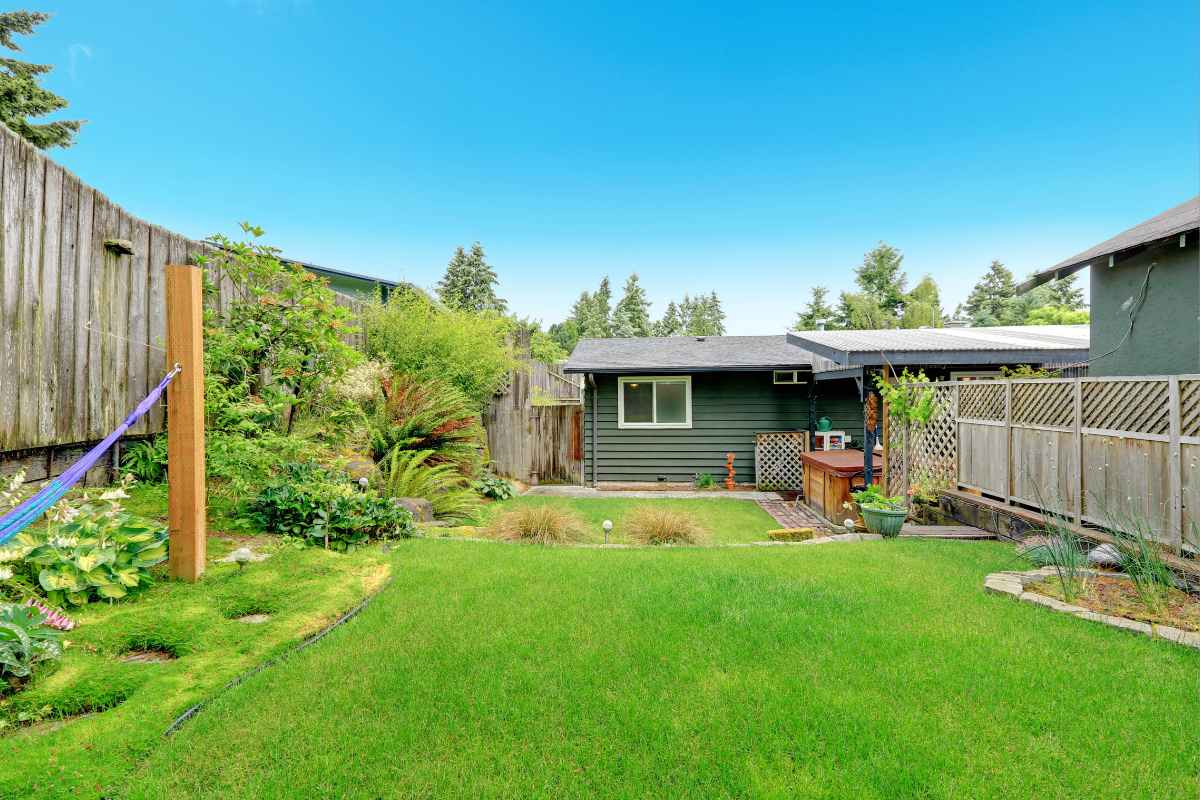
These upgrades make your backyard feel like a “home space,” not a makeshift dog run.
Stylish + Practical Ideas
- A gravel or paver patio with a washable outdoor rug
- Raised planters to protect flowers and herbs
- A built-in toy basket (outdoor storage bench works great)
- A small dig pit (sand/soil in a bordered box) if your dog loves digging
If you have a chewer, skip flimsy decor and choose sturdy materials like metal planters, stone edging, and thick wood benches.
Common Mistakes in Pet Friendly Backyards (and How to Fix Them)
Even well-designed yards can fail if a few details are overlooked. Here are the most common issues—and what to do instead.
Mistake 1: Using Cocoa Mulch
Cocoa mulch can be harmful if ingested and can attract dogs because of the smell.
Fix: Choose shredded hardwood, pine, or another pet-safer mulch option.
Mistake 2: Expecting Grass to Survive High Traffic
If your dog runs the same route daily, the grass will thin out no matter what.
Fix: Add a defined pet path (mulch/gravel/pavers) and keep grass where it can actually thrive.
Mistake 3: Leaving Gaps Under Fences and Gates
Small gaps become bigger over time—and pets find them fast.
Fix: Add a threshold board, pavers, or a simple dig barrier.
Mistake 4: Planting Right Along the “Zoom Line”
Dogs often sprint the perimeter. Plants placed there get trampled.
Fix: Use that edge for tough ground cover, a path, or a hardscape border.
Mistake 5: No Plan for Muddy Paws
Even a great yard can feel messy without an entry strategy.
Fix: Add a small gravel/paver area at the door + a towel hook and paw wipe station inside.
Closing
Pet-friendly backyards don’t have to look like a compromise. With smart zoning, durable ground covers, safer plant planning, and a few comfort upgrades, you can have a yard that stays clean, looks great, and supports your pets’ daily routines. Start with one high-impact change—like a path where your dog already runs—and build from there.
— Olivia
More Gardening Tips 👇🏼👇🏼