
How to Grow Endless Summer Hydrangea: 3 Must-Know Tips for Success

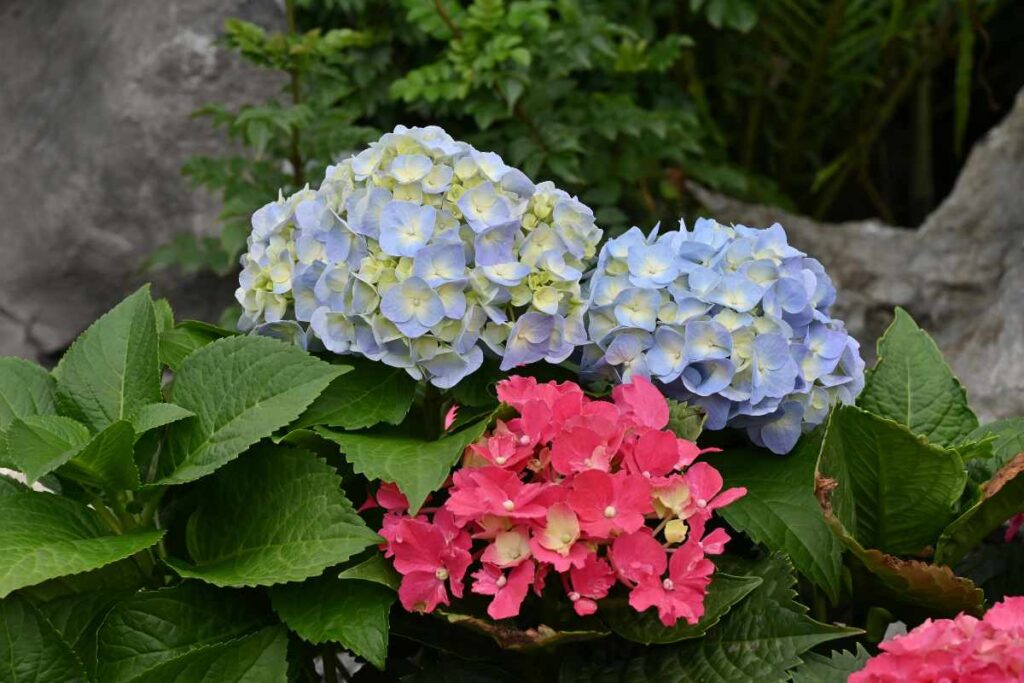
Endless Summer hydrangeas are famous for blooming on both old and new wood—meaning you can get flowers even after a tough winter or a pruning mistake.
But “reblooming” doesn’t mean “no-maintenance.” If you’ve ever had leafy growth with few blooms (or blooms that fade fast), a few small adjustments can make a huge difference. In this guide, you’ll learn the three most important success tips, plus the practical care details that help your plant thrive season after season.
Tip #1: Get Light Right (It’s the Fastest Bloom Booster)

If your Endless Summer hydrangea looks healthy but won’t bloom well, light is usually the culprit.
Aim for morning sun + afternoon shade
- Best setup: 4–6 hours of sun, especially morning sun, with protection from hot afternoon rays.
- Too much shade: fewer blooms, leggy stems, slower drying leaves (more disease pressure).
- Too much harsh sun: crispy edges, droopy midday leaves, quick flower fade.
Adjust based on your climate
- In cooler summers, hydrangeas often tolerate (and enjoy) more sun.
- In hot or dry climates, prioritize dappled shade after lunchtime.
Quick check: If it gets blazing sun between 1–5 pm most days, give it shade. If it’s shaded all day, move it to brighter light.
Tip #2: Water Deeply + Mulch Like You Mean It

Hydrangeas are thirsty, and Endless Summer varieties bloom best when they’re not stressed.
Water deeply, not lightly
Instead of a daily sprinkle, go for fewer, deeper soaks:
- Newly planted: water every 2–3 days (or more during heat), keeping soil evenly moist.
- Established plants: deep water 1–2 times per week, depending on rainfall and heat.
A good target is about 1 inch (2.5 cm) of water per week, more during heat waves or sandy soils.
Mulch is your secret weapon
Add 2–3 inches (5–8 cm) of mulch (shredded bark, pine fines, leaf mold) around the base:
- Helps soil stay cool and moist
- Reduces weeds competing for water
- Protects shallow roots from temperature swings
Important: Keep mulch 2 inches (5 cm) away from the stems to prevent rot.
Signs you’re watering wrong
- Wilting at noon but perky by evening: normal heat response—check soil before watering.
- Wilting all day + dry soil: needs water.
- Yellow leaves + soggy soil: too much water or poor drainage.
Tip #3: Prune Less Than You Think (And Prune at the Right Time)
Endless Summer can bloom on old and new wood, but heavy pruning still reduces your early-season flower show.
The safest pruning approach
- In early spring: remove only dead wood and winter-damaged tips.
- After the first big flush of blooms: you can lightly shape and remove spent flowers.
Avoid: cutting the whole plant down “to tidy it up.” You’ll sacrifice a lot of buds and delay flowering.
How to deadhead without harming buds
When removing spent blooms:
- Cut just above the first or second set of healthy leaves beneath the flower.
- Look for plump buds—don’t cut them off.
When NOT to prune
- Avoid pruning hard in late summer or fall—new growth may not harden off before winter.
Planting Basics That Set You Up for Success

Even with the three tips above, your results will be limited if the plant starts off stressed.
Choose the Right Spot and Plant Correctly
Spacing and airflow
Give it room so leaves dry quickly:
- Space 3–5 feet (0.9–1.5 m) from other shrubs, depending on mature size.
Planting steps
- Dig a hole twice as wide as the root ball, same depth.
- Loosen the roots if they’re circling.
- Set the plant so the top of the root ball is level with soil.
- Backfill, water deeply, and mulch.
Pro tip: A slow, deep watering right after planting removes air pockets and helps roots settle.
Soil and Fertilizer: Keep It Balanced (Not Overdone)
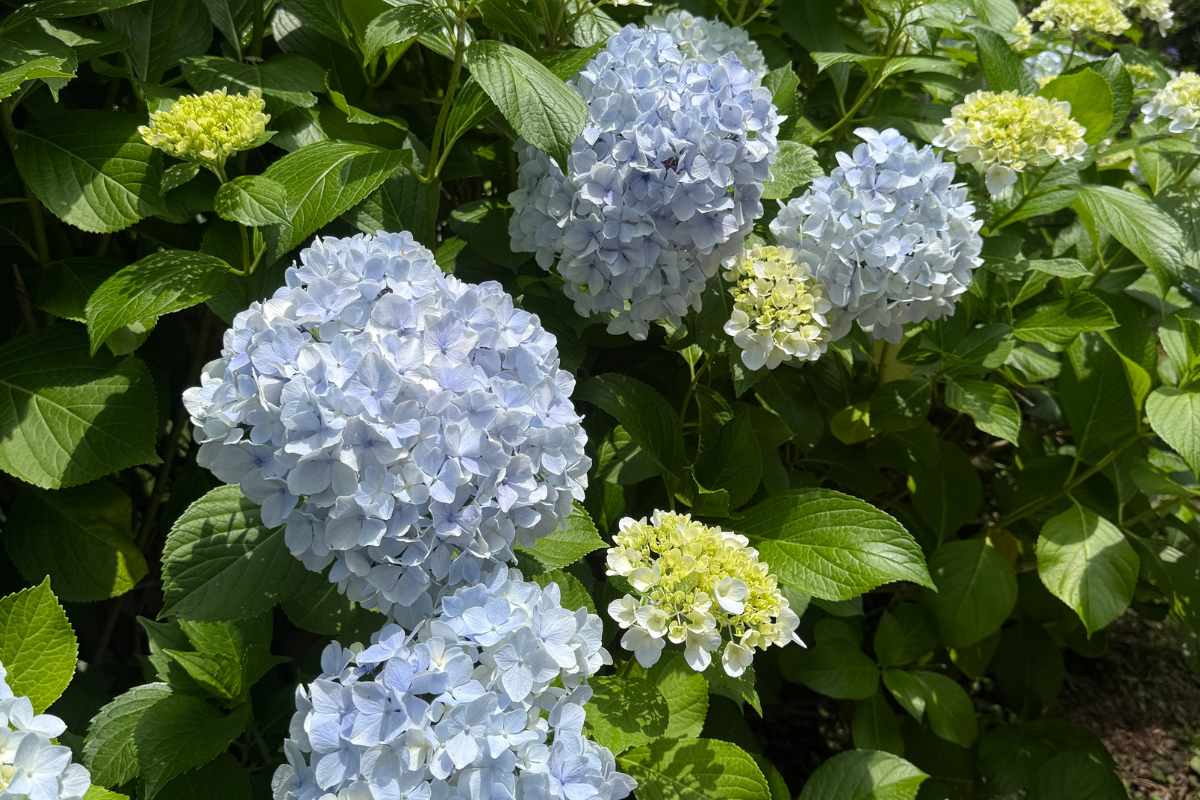
Best soil for Endless Summer hydrangea
- Moist, well-draining soil rich in organic matter is ideal.
- If your soil is heavy clay, mix in compost and consider planting slightly high to improve drainage.
Fertilizing without sacrificing blooms
Too much nitrogen = lots of leaves, fewer flowers.
- Use a balanced, slow-release fertilizer in spring.
- Repeat lightly in early summer if needed.
- Skip late-season feeding so the plant can prepare for winter.
Easy option: top-dress with compost in spring and let nature do the work.
Color Notes: Pink vs. Blue Blooms (And What Actually Works)
Endless Summer bloom color depends mainly on soil chemistry:
- More acidic soil: bluer tones
- More alkaline soil: pinker tones
- Aluminum availability plays a big role in true blues.
If you want to experiment, do it slowly and safely:
- For bluer blooms, gardeners often use a soil acidifier and/or aluminum sulfate (follow label directions).
- For pinker blooms, lime is commonly used.
Tip: Change takes time—expect gradual shifts over a season, not overnight magic.
Common Mistakes That Stop Endless Summer Hydrangeas From Blooming
If your plant isn’t performing, run through this list:
- Too much shade → lots of leaves, few flowers
- Over-pruning → fewer buds, later blooms
- Drought stress → smaller flowers, fewer reblooms
- Too much nitrogen → leafy growth dominates
- Winter damage without protection → fewer early blooms (reblooming helps, but it still matters)
Quick troubleshooting checklist
- Did it get at least 4 hours of sun?
- Is the soil staying evenly moist (not bone dry, not soggy)?
- Did it get cut back hard last fall or spring?
- Any heavy lawn fertilizer nearby? (Hydrangeas can “steal” that nitrogen.)
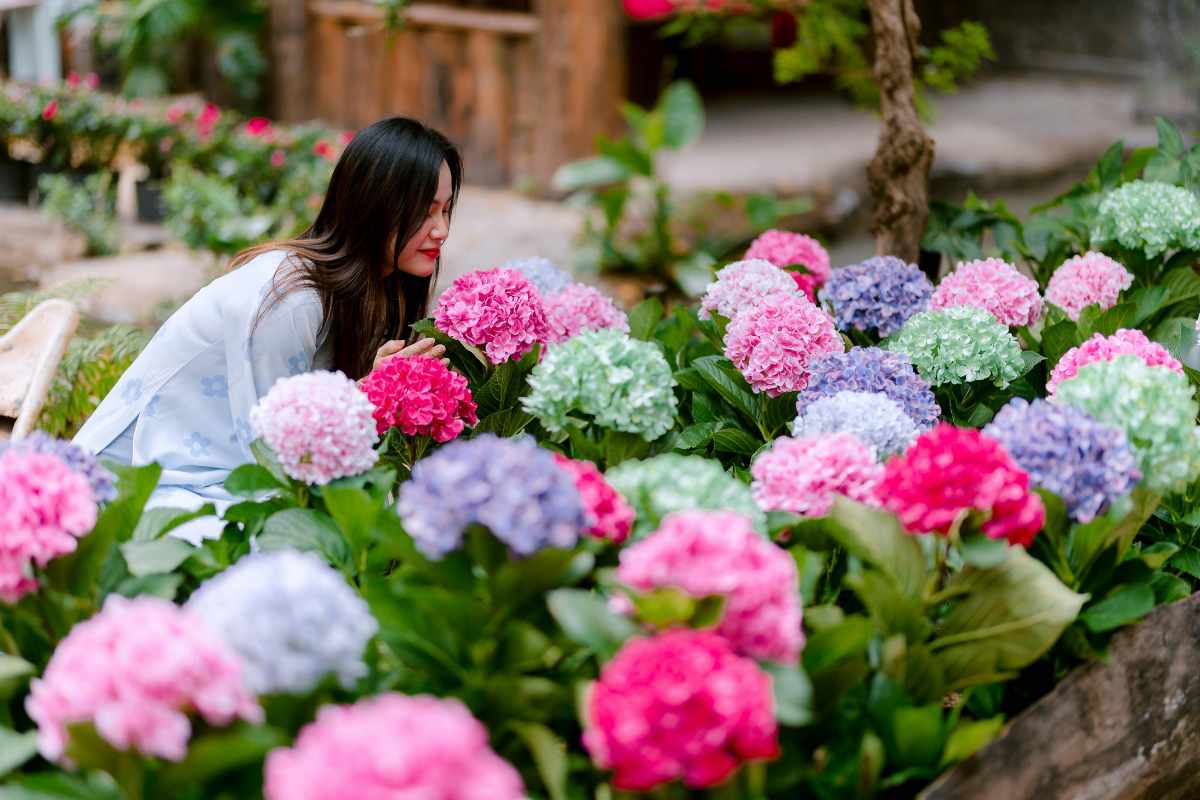
Winter Protection for Better Blooms Next Year
Even though Endless Summer can bloom on new wood, protecting old wood gives you earlier, heavier flowering.
Simple winter steps
- After the ground starts to freeze, add 3–4 inches (8–10 cm) of mulch over the root zone.
- In windy or exposed spots, consider burlap wind protection.
- Avoid pruning in fall—leave stems to protect buds.
In colder zones, some gardeners create a loose “cage” and fill it with leaves for extra insulation.
Closing
With Endless Summer hydrangeas, success comes down to three things: the right light, consistent deep watering, and gentle pruning.
Nail those, and the rest—soil tweaks, feeding, and winter prep—becomes much easier. Save this guide for your next planting day (or your next “why won’t it bloom?” moment).
— Emily
More Gardening Tips 👇🏼👇🏼