
3 Essential Tips For Raised Garden Beds

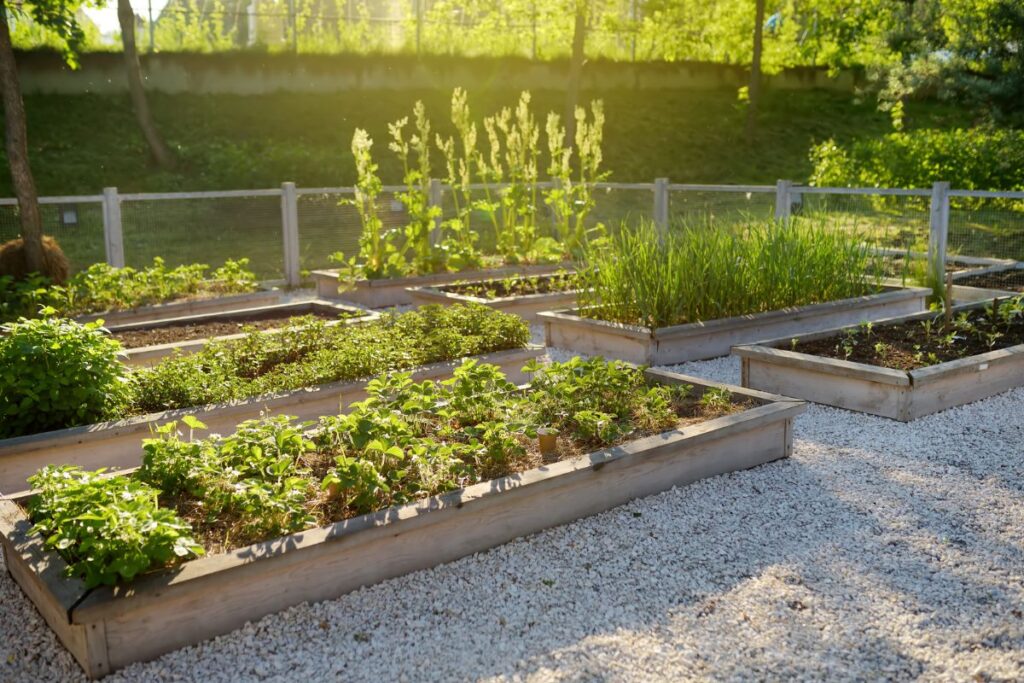
Raised garden beds can turn even the most compact yard into a productive, beautiful space—if you set them up the right way. In this quick-start overview, you’ll find three essential lessons that save time, prevent waste, and keep plants thriving.
If you’re just getting started, begin with smart site prep and framing (see how to prepare raised beds). Already have boxes built? Learn the simplest formulas to fill them for long-term fertility (read how to fill raised garden beds).
And before your next planting, make sure you’re not repeating the common errors that quietly sabotage results (check the mistakes to avoid).
Whether you prefer a sleek elevated garden bed on the patio or a grid of vegetable garden beds in the yard, these pointers—plus a few raised bed ideas—will help you harvest more with less effort.
1) Prepare With Intention: Location, Layout, And Frame
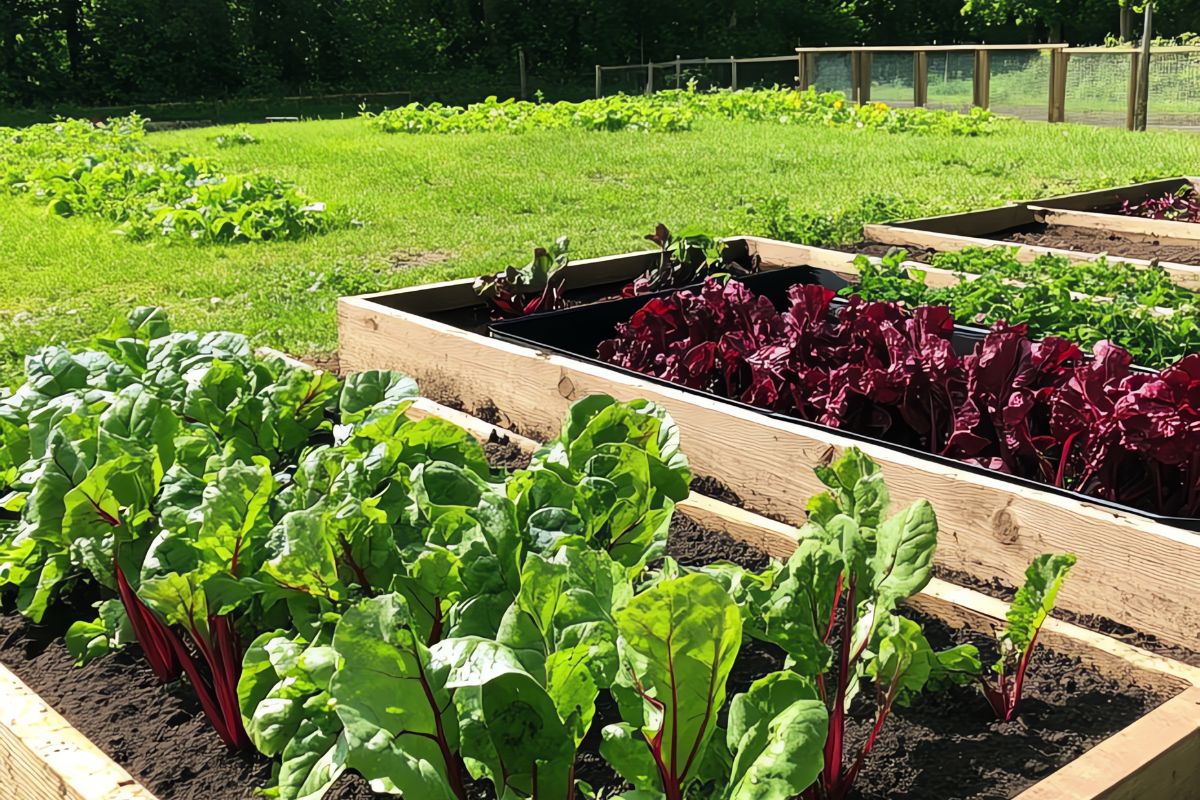
Great beds begin on paper. A touch of garden planning—mapping sun, wind, water, and walkways—pays off every season.
Keep beds narrow enough to reach the center without stepping on the soil, and leave paths wide enough for a wheelbarrow. If access is tricky, an elevated garden bed can bring the soil to a comfortable height and make maintenance easier.
For deeper context on site prep, framing, and clever shortcuts, explore this detailed primer: The Secret To Prepare Raised Garden Beds.
Think in shapes, not just rectangles. If your yard has an awkward corner, consider How To Build An L-shaped Raised Garden Bed as a space-saving solution.
L- and U-shapes can carve out microclimates for herbs, greens, and heat-lovers while keeping your raised garden layout efficient.
As you sketch, factor in irrigation lines, hose reach, and the flow between beds so you’re not squeezing past plants all season.
Build frames that last. For DIY garden beds, straight, square corners and level rails prevent bowing and soil loss. Use sturdy fasteners and consider corner brackets if you’re new to carpentry.
DIY raised beds don’t need to be complicated—simple is durable—but attention to detail matters. Before you set the frame, smother turf with cardboard, loosen compacted soil, and remove roots or rubble.
That foundation prevents drainage headaches later and sets up your veggie garden ideas for success.
2) Fill Beds The Right Way: Structure, Biology, And Balance
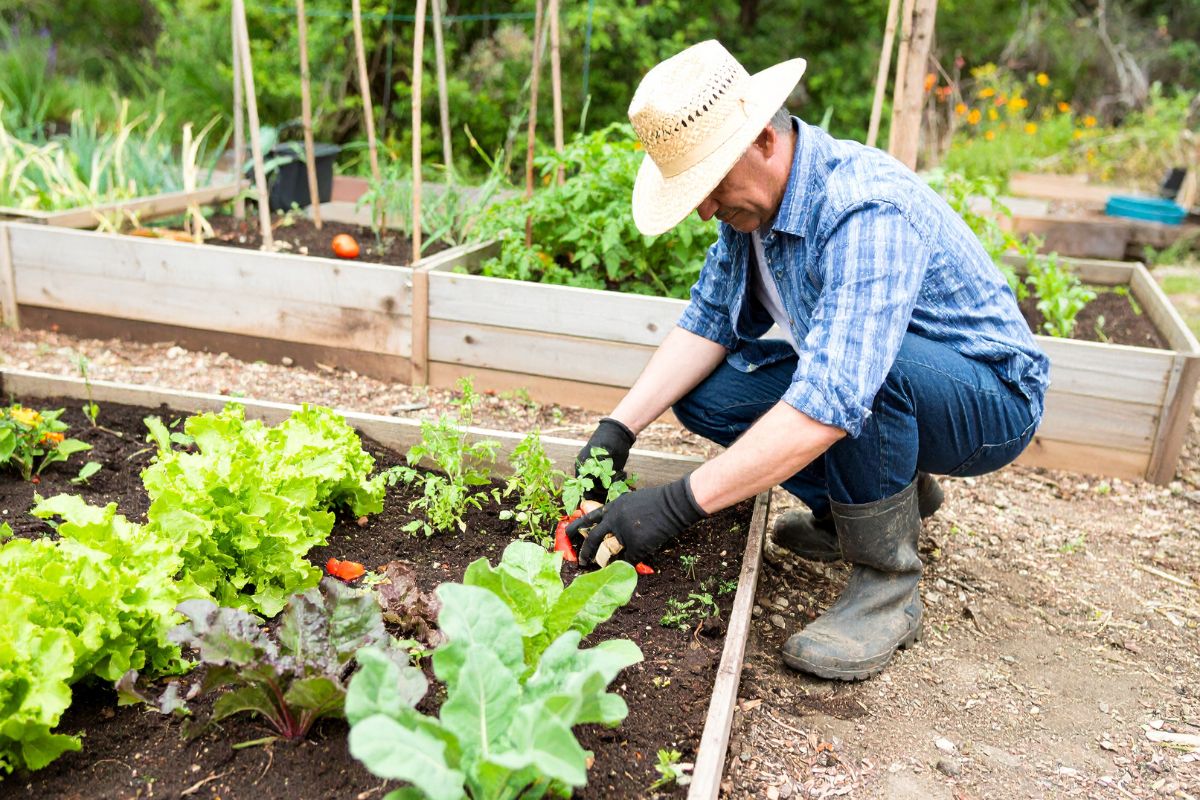
The media inside the box determines your harvest. Avoid filling beds with straight topsoil; it can compact and starve roots of oxygen. Instead, aim for a loose, crumbly blend that drains well but holds moisture—think sponge, not soup.
A practical approach is to layer coarse material only when you must improve drainage, then add a balanced mix of compost and quality topsoil. For a repeatable formula and troubleshooting tips, see: Learn How To Fill Raised Garden Beds.
Feed the soil, not just the plants. Top-dress with an inch of finished compost each season and mulch after planting to stabilize temperature and reduce weeds.
In hot, dry climates, mulch is non-negotiable for vegetable garden beds. Keep notes on what works; over time, you’ll build your own library of easy garden bed ideas and adaptable soil recipes.
If you enjoy experimenting, dedicate one box for trials so the rest of your garden stays steady and productive.
Plan for diversity. Rotate crops annually, tuck flowers among edibles to draw pollinators, and use trellises to grow vertical cucumbers or beans.
This not only boosts yield but also keeps your raised garden layout looking vibrant. A couple of marigolds or calendula can turn purely functional boxes into cute raised bed garden ideas that neighbors love.
3) Avoid The Quiet Killers: Spacing, Water, And Routine
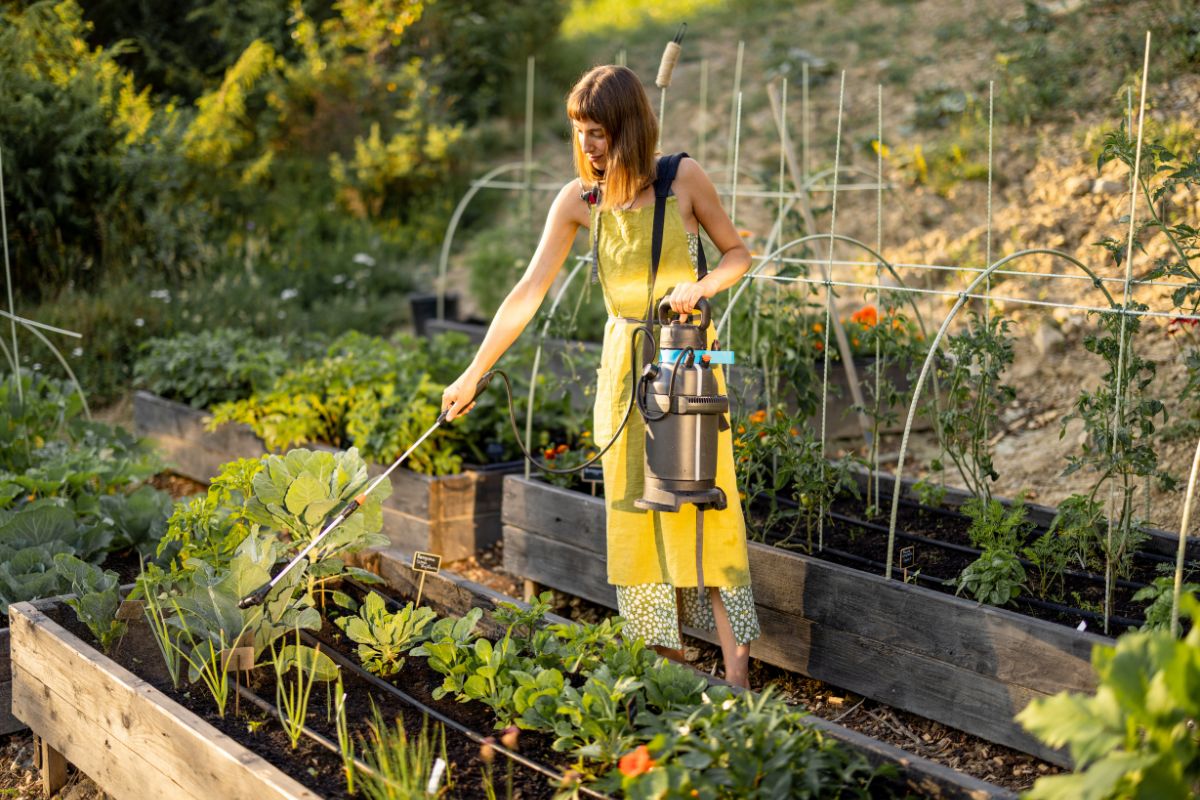
Most problems in raised garden beds trace back to a few fixable habits: overcrowding, inconsistent watering, and stale routines. Crowded plants fight for light and airflow, which invites disease.
Skipped mulch bakes roots and wastes water. And sticking to the same plan year after year invites pests that remember where dinner was served.
For a crisp checklist of what to stop doing—and what to do instead—study this guide: 7 Mistakes That Ruin Your Raised Flower Beds.
Right-size the routine. Check moisture with your fingers at root depth; irrigate to need, not to habit. Keep aisles 18–24 inches to improve airflow and give you room to work without brushing foliage.
If your corners bow out or soil slumps, add internal braces and top up with compost. Small, regular fixes prevent big failures and keep your veggie garden ideas running smoothly.
Design supports habits. Put the most frequently harvested crops nearest the path or door; group thirsty plants close to irrigation.
If mobility is a concern, try an elevated garden bed on casters near the kitchen for quick salads. The right setup reduces friction so you’ll actually enjoy the routine.
Smart Layouts: From First Box To Mini Garden
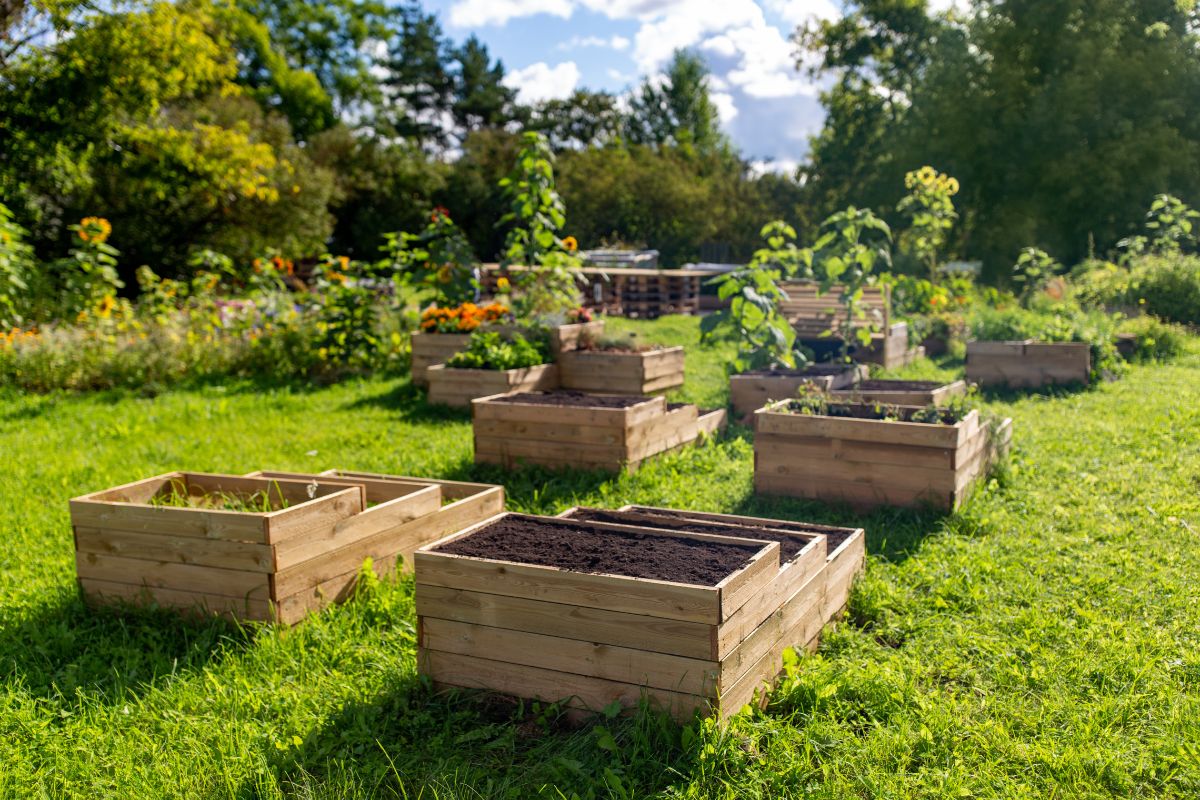
The jump from one box to many is mostly a layout puzzle. Start with a simple grid and a clear main path. Keep beds 3–4 feet wide and adapt the length to your space.
Align trellises on the north side to avoid shading shorter crops. As you expand, consider how an L-shaped anchor bed can organize the rest of your raised garden layout and frame pathways for carts and hoses.
Those shapes also inspire practical raised bed ideas you can scale.
Blend utility with beauty. Pair edibles with pollinator strips so your vegetable garden beds look intentional from the curb. Gravel or wood-chip paths define edges and keep shoes clean after rain.
This balance—part function, part charm—turns “boxes in dirt” into garden setup ideas, backyards that feel like outdoor rooms. If you’re designing for kids, leave a corner for digging or a sunflower wall; if for cooks, put herbs by the door.
Don’t forget height. Trellised peas, tomatoes, and cucumbers add vertical interest and shade heat-sensitive lettuces below.
A simple arbor between beds becomes a living tunnel in summer—and a structure that suggests where to walk and where to work.
Materials And Builds: Durable, DIY, And Budget-Wise
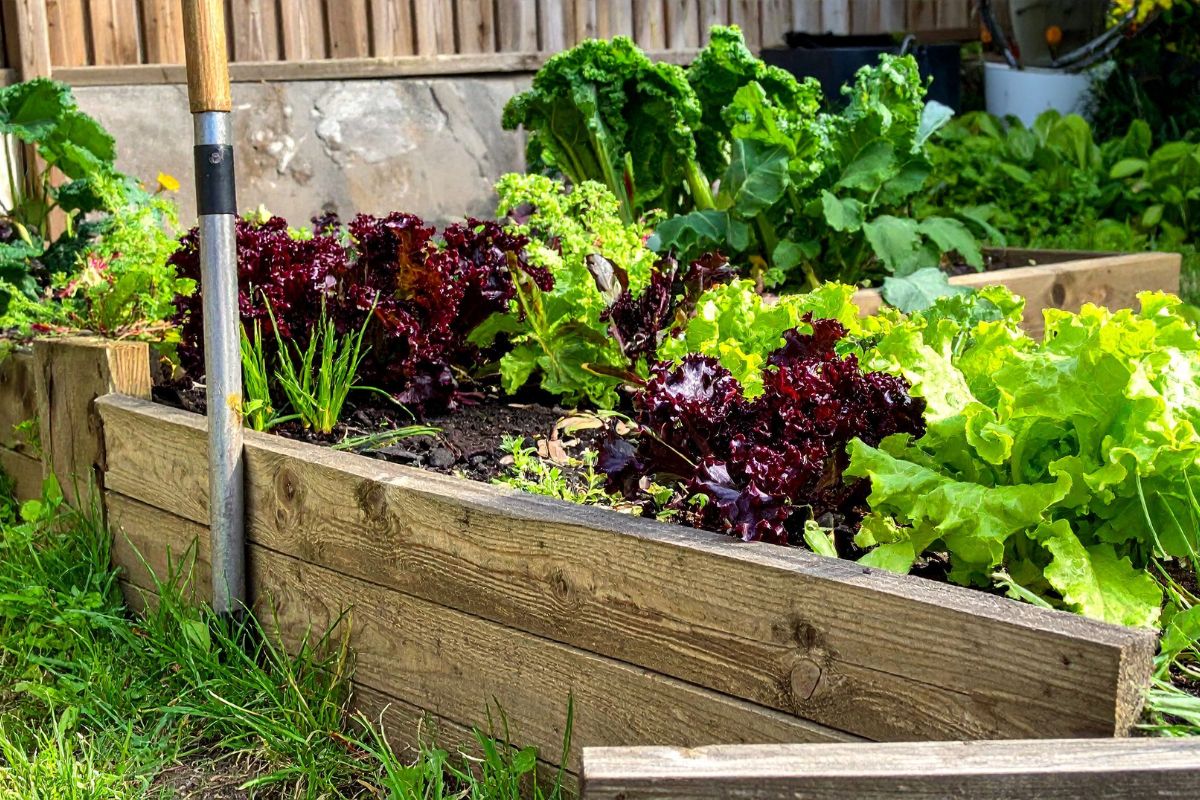
You don’t need a woodshop to build reliable boxes. For most DIY raised beds, untreated or naturally rot-resistant wood (like cedar) is a solid choice; galvanized steel beds are durable and sleek; concrete blocks are inexpensive and stable.
Use corner bracing to prevent racking, and line only when you need a root barrier. Keep fasteners corrosion-resistant. Practical, tidy builds are the backbone of DIY garden beds that last.
If you’re tackling an odd corner or want a feature bed, look into How to Build an L-shaped Raised Garden Bed. The shape maximizes otherwise wasted space and can double as a low seating edge.
Whatever you choose, avoid overly tall walls unless you plan to fill them strategically—the soil bill adds up fast.
Mix thrift and polish by pairing salvaged lumber with new hardware, or by edging beds with brick for a finished look that fits into cute raised bed garden ideas boards while staying practical.
On a tight budget? Start small. One well-built box yields more than three flimsy ones. Add a second bed later and mirror the dimensions to keep the raised garden layout consistent. Consistency makes irrigation simpler and crop rotation clearer.
Planting Moves That Multiply Harvests
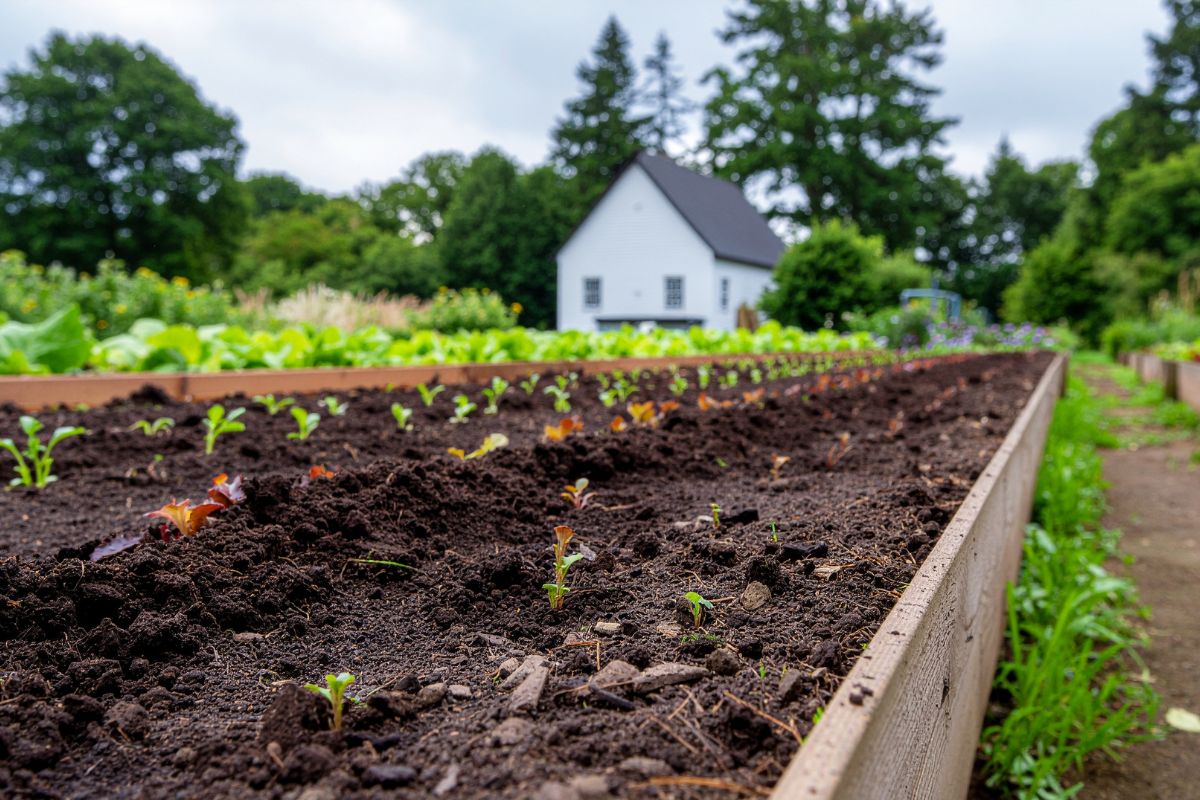
Succession planting is your best friend in limited space. Follow fast lettuce with bush beans, then winter greens. Interplant radishes as quick markers where slower crops will fill in.
These easy garden bed ideas keep beds productive without extra square footage. To dodge pests, rotate families—move tomatoes away from last year’s tomato bed, and swap brassicas with legumes.
Match varieties to microclimates. Heat-loving peppers do best in the sunniest spot; parsley and spinach tolerate a touch of afternoon shade. Stagger planting dates to spread the workload and harvest window.
A few tweaks turn a single season into a steady stream of salads and stir-fries from your vegetable garden beds.
Finish with mulch. It’s a small step that prevents evaporation, suppresses weeds, and stabilizes soil temperatures. Straw, shredded leaves, or fine wood chips all work. Mulch is the quiet MVP of healthy raised garden beds.
Bringing It All Together
If you remember only three things, make them these: plan with intention, fill with a living mix, and avoid the quiet killers. That foundation frees you to experiment with raised bed ideas, refine your raised garden layout, and try new crops without fear.
For deeper dives, revisit the resources shared above: the step-by-step on prep (prepare raised beds), the soil guide (fill raised beds), and the common pitfalls (mistakes to avoid). With a few smart habits, even small spaces can overflow with color and flavor.
More Gardening Tips 👇🏼👇🏼