
Learn How to Fill Raised Garden Beds


Filling a raised garden bed the right way can save money, improve drainage, and help plants grow stronger from the start.
The best way to do it depends on the height of your bed and what you want to grow. In deeper beds, you can use inexpensive materials at the bottom to reduce the amount of soil needed.
In shallower beds, it is better to focus on a rich growing mix from top to bottom.
Start with the Bottom Layer
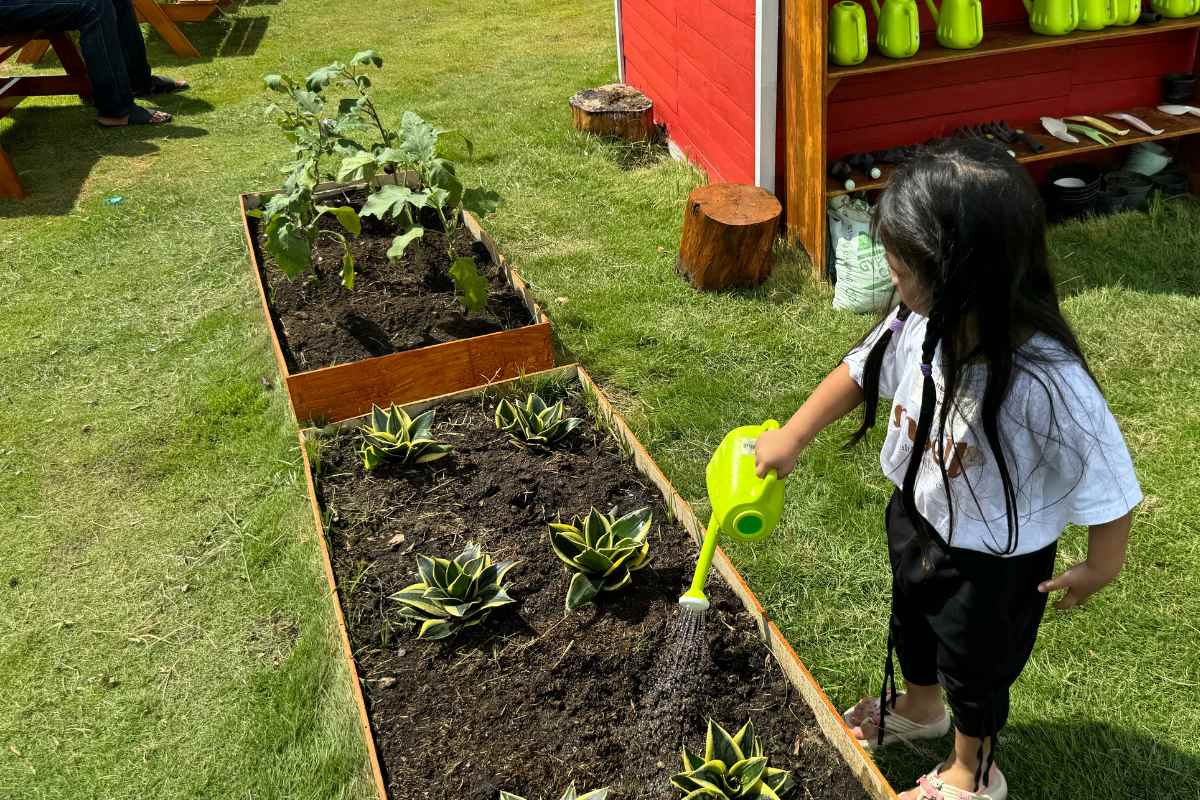
If your raised bed is tall, you can fill the lower part with materials like sticks, branches, dry leaves, or other coarse organic matter.
This helps reduce costs and takes up space that plant roots may not need right away.
If the bed is not very deep, avoid using too much filler. Plants will do better when they have more room for quality soil.
Add a Good Growing Mix
The top layer is the most important part because this is where most roots will grow.
A good raised bed mix should include:
topsoil
compost
organic matter that helps hold moisture while still draining well
This combination gives plants the nutrients and structure they need for healthy growth.
Save Money Without Sacrificing Quality

One of the best ways to save money is to use cheaper filler materials in the bottom of deeper beds and reserve your best soil for the top growing layer.
This method works especially well if you are filling several beds and want to keep costs under control.
Final Thoughts
Raised beds are a great way to grow vegetables, herbs, and flowers, but the fill material makes a big difference.
By combining low-cost bottom layers with rich soil on top, you can build a productive raised bed without overspending.
Watch the video below to see the full process in action.
We hope you enjoy this video about how to Fill Your Raised Beds
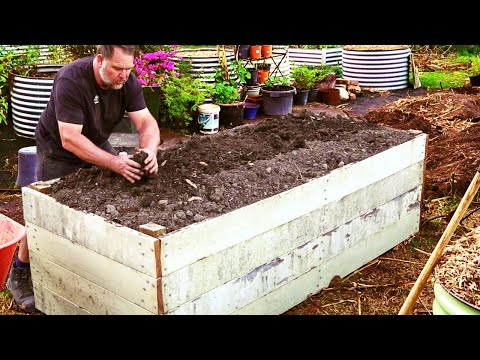
Source: Self Sufficient Me
More Gardening Tips 👇🏼👇🏼