
How to Care for Heirloom Houseplants


Heirloom houseplants carry stories as well as leaves—cuttings from a grandparent’s pothos, a century-old sansevieria, a hoya that has moved homes more times than you have. Keeping them thriving isn’t guesswork; it’s a thoughtful routine tailored to mature, often legacy plants.
If you’ve ever searched “How To Care For Indoor Plants” or “Caring For Indoor Plants,” this guide focuses that advice on the special needs of heirlooms while staying beginner-friendly.
What Makes an Heirloom Houseplant Different?
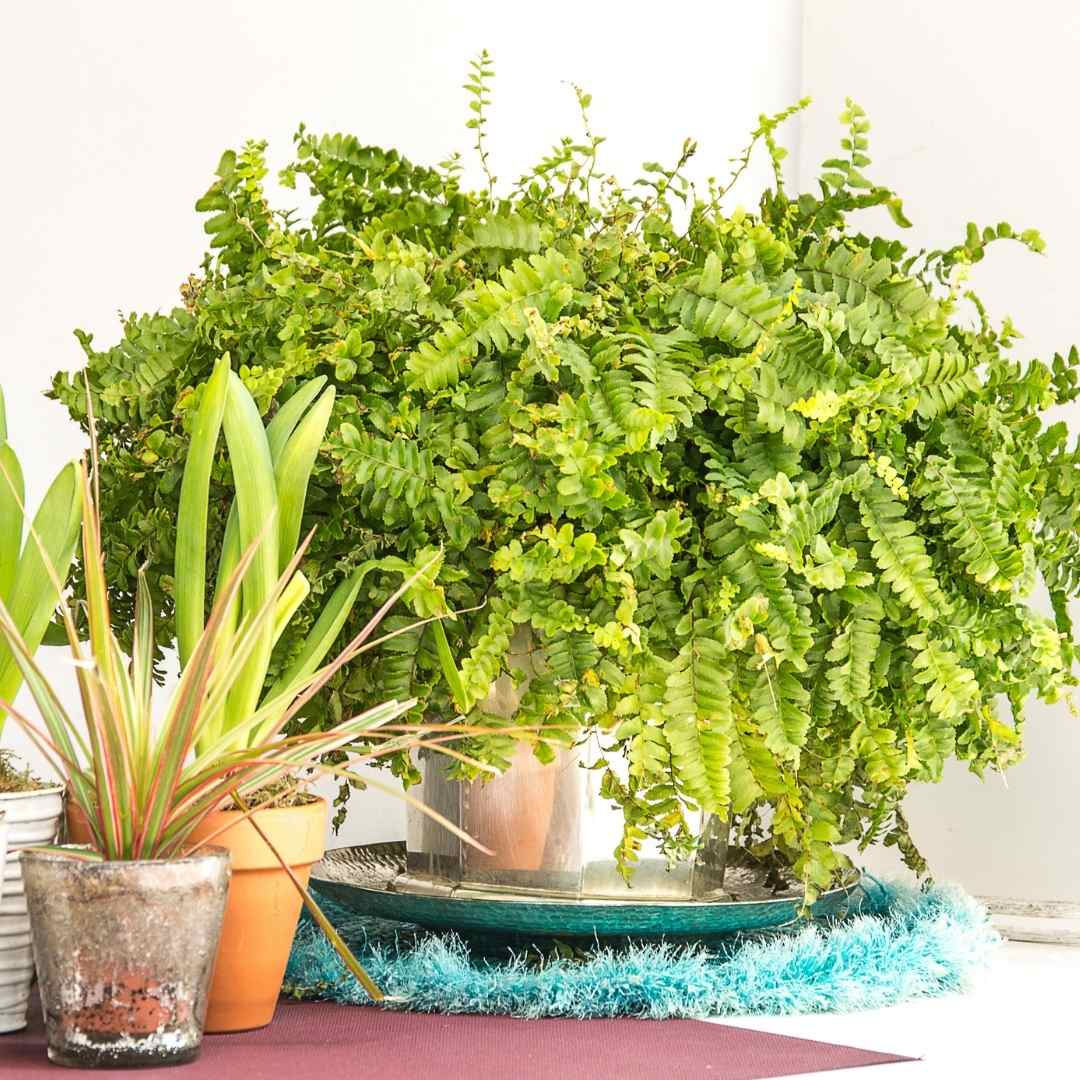
Older specimens have well-established root systems, thicker stems, and long memory for light and watering patterns.
They reward consistency. Compared with newly bought easy care houseplants, heirlooms can be less tolerant of abrupt change—moving them across the room can trigger leaf drop, and repotting at the wrong time can stall growth.
Think in seasons, not days. Heirlooms often follow a stable rhythm: a growth burst in spring and summer, then a rest phase in fall and winter. Respecting that cycle—by adjusting water, fertilizer, and light—keeps stress low and vigor high.
Light: Preserve the Pattern They Know
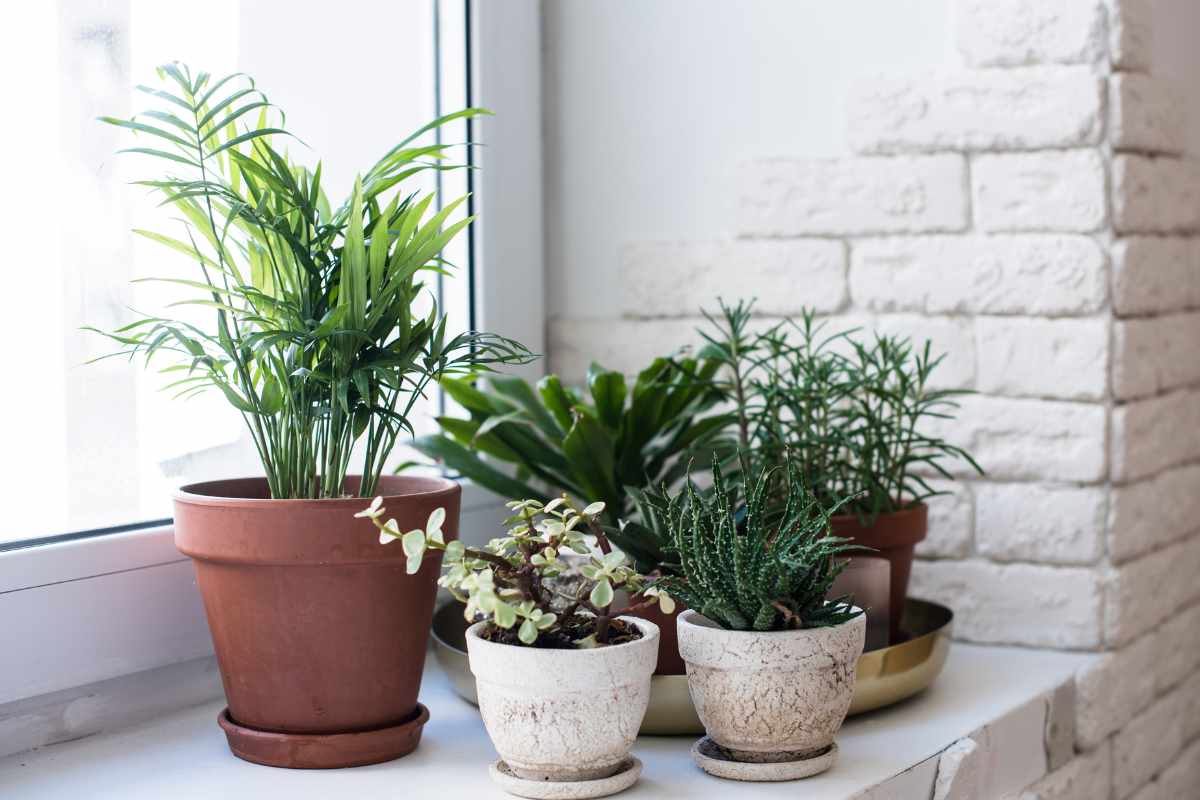
Light is the steering wheel for houseplants. Heirlooms tend to “remember” the intensity and duration they’ve received for years.
Place your plant where it gets comparable exposure: east windows for gentle morning sun, bright south windows filtered with sheer curtains for sun-lovers, and north windows for shade-adapted classics.
If you must move an heirloom, nudge, don’t shove. Shift it a little closer to the window each week and rotate the pot a quarter turn to prevent lean. This mindful approach is the heart of How To Care For Indoor Plants without shocking them.
Water: Deep, Even, and Seasonal

Mature roots want consistency. Water thoroughly until a small amount exits the drainage hole, then wait until the top 2–3 cm of soil are dry before watering again.
In winter, extend the interval; in spring, shorten it as growth resumes. Group plants by thirst so you don’t drown light drinkers while trying to satisfy heavy ones.
Use room-temperature water to avoid chilling roots, and always empty saucers. Over time, track your cadence in a notebook or app; patterns emerge that make Caring For Indoor Plants more predictable and far less stressful for heirlooms.
Soil & Pots: Stability First, Upgrades Second
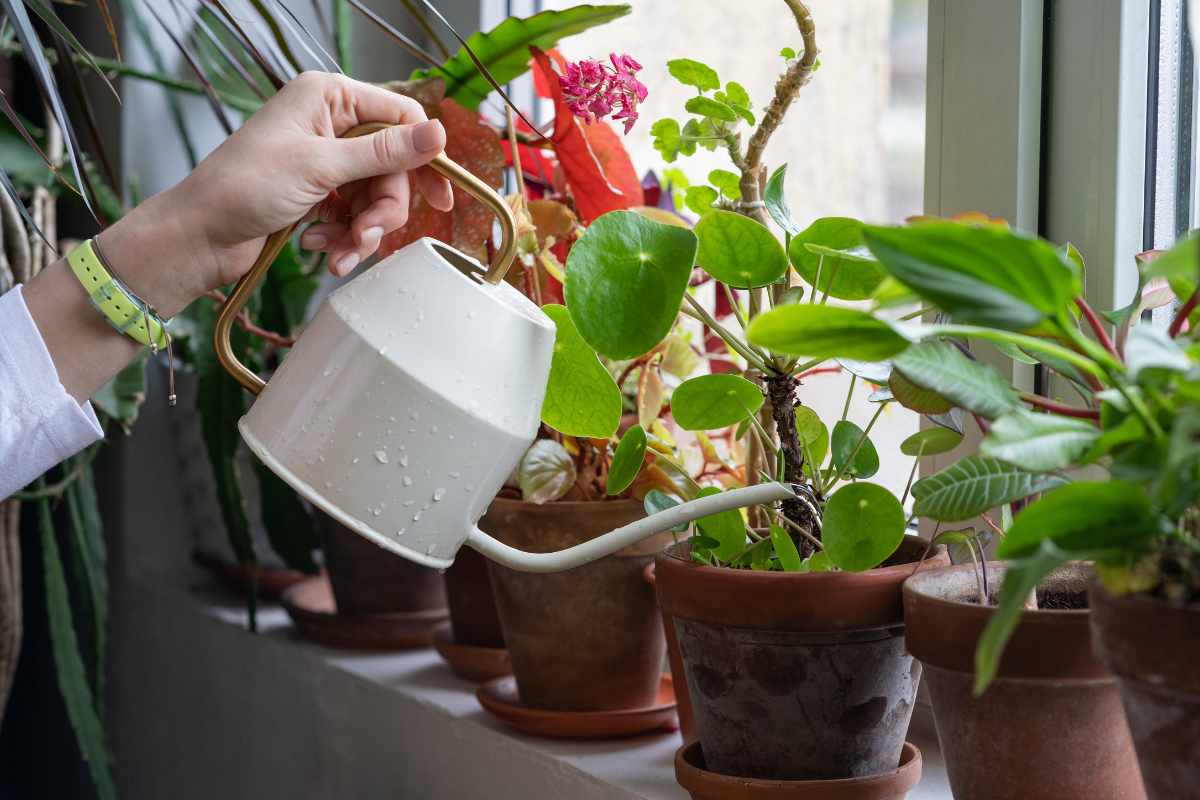
Heirlooms often live in older media that have compacted over the years. When roots look crowded or water pools on top, refresh with a well-draining mix suited to the species—more bark for aroid climbers, more mineral grit for succulents.
Choose a pot only one size larger; big jumps invite soggy soil and root rot.
Repot during active growth (spring to midsummer). Support stems, prune dead roots, and avoid disturbing healthy ones more than necessary. After repotting, keep light steady and water lightly for a week while roots reestablish.
Feeding: Gentle Nutrition for Long Lives

Legacy plants thrive on moderation. During the growing season, apply a balanced fertilizer at half strength every 4–6 weeks. Skip feedings in winter unless the plant is actively producing new leaves under strong light.
Remember that compost-rich mixes and fresh potting soil already contain nutrients—overfeeding does more harm than good.
Leaf color is your dashboard: pale new growth may signal nitrogen needs; dark, limp leaves can point to overfeeding or low light. Adjust one variable at a time so you can see what really helps.
Propagation: Insurance Policies with Sentimental Value
Every heirloom deserves a backup. Take cuttings during peak growth, root them in water or a light mix, and share with family or friends. This practice preserves the lineage and provides a safety net if the mother plant has a setback.
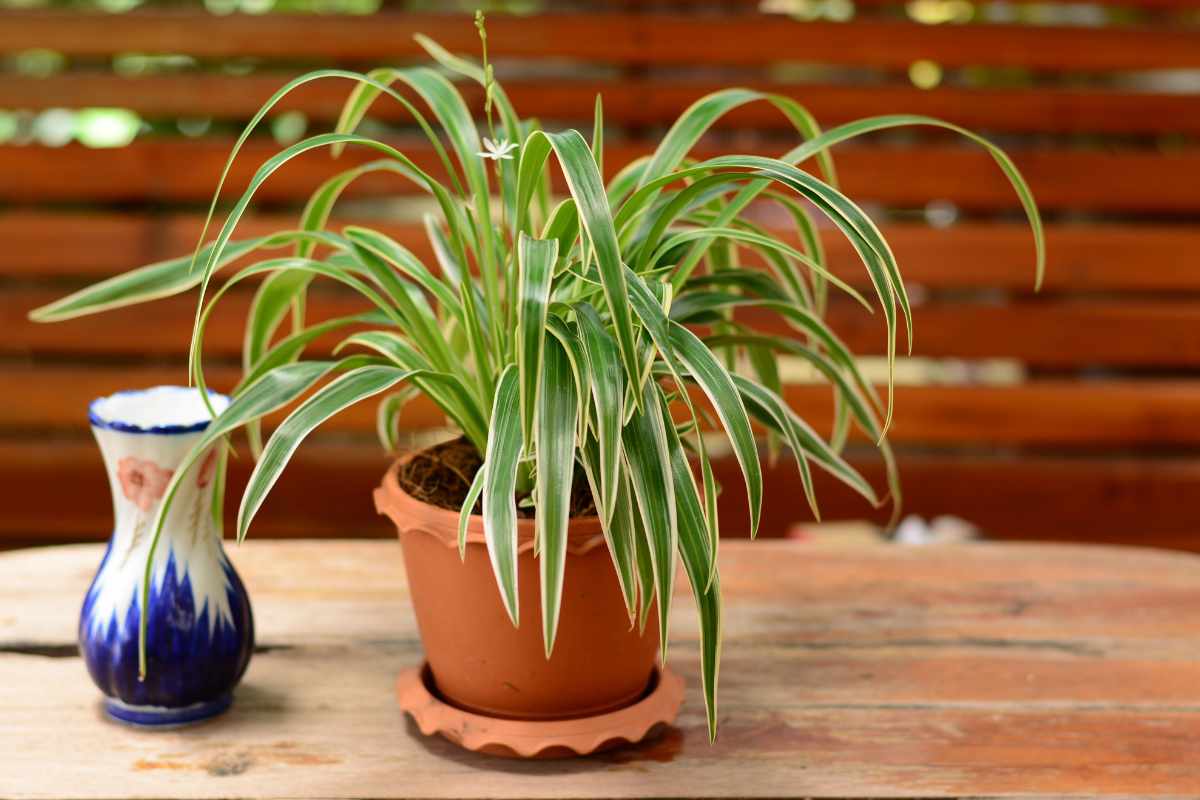
When you pot up new clones, grow them in brighter light than the parent for stronger frames. It’s a perfect entry point for the Best Plants For Beginners list—philodendron, pothos, and spider plants—because they root quickly and teach core skills fast.
Pests & Hygiene: Prevent, Don’t Chase
Dusty leaves slow photosynthesis and invite pests. Wipe foliage monthly with a damp cloth and inspect leaf undersides for scale, spider mites, or mealybugs. At the first sign, isolate the plant and treat gently but consistently with insecticidal soap or neem oil, following the label.
Clean tools and caches (saucers, stakes, shears) between plants. Quarantine new arrivals for two weeks before introducing them to your heirloom collection—your future self will thank you.
Microclimate: Comfort Zone Tuning
Stable temperature and humidity protect old-growth foliage. Keep heirlooms away from heater vents and drafty doors. Most tropical houseplants appreciate 40–60% humidity; use trays with pebbles and water, cluster plants together, or run a small humidifier in winter.
If a plant sulks after a change, step back to basics: light, water, and roots. Address one factor, wait a week, observe, and only then adjust again. Patience is a superpower with older specimens.
Beginner Corner: Start Simple, Learn Deep
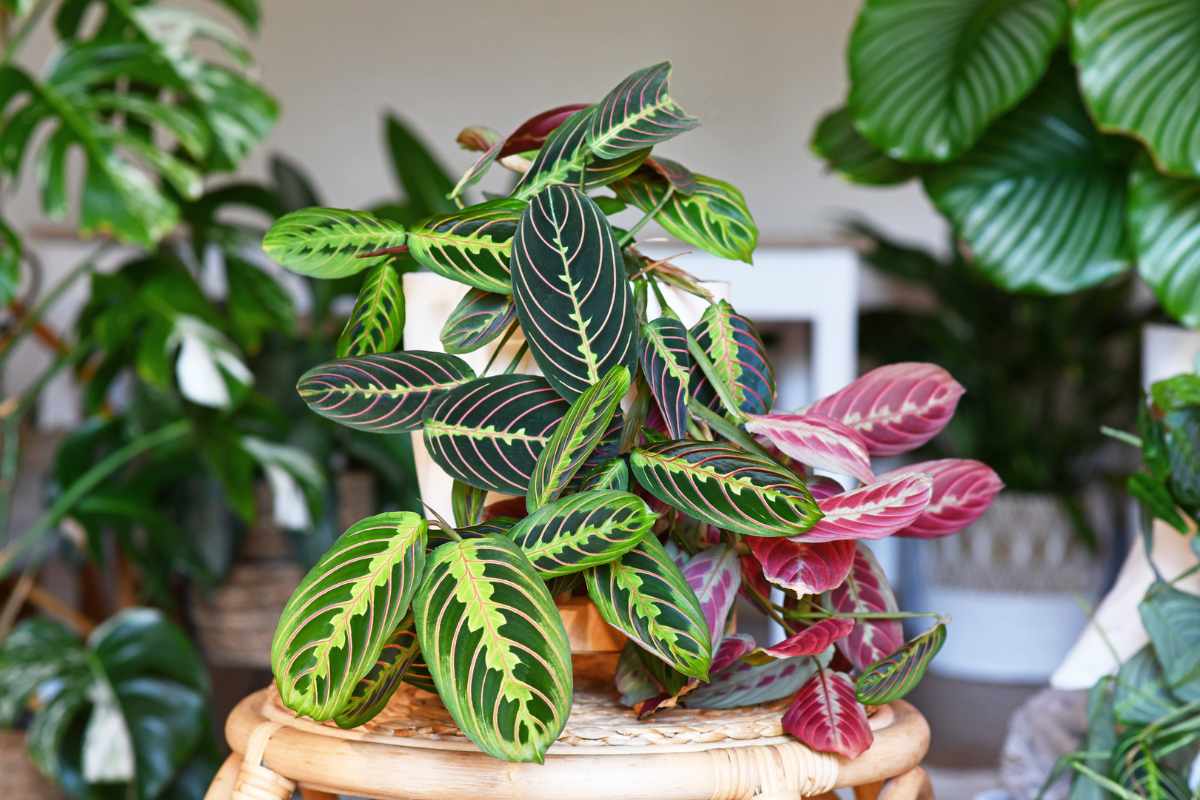
If you’re brand-new, build confidence with Easy-care Houseplants For Beginners such as snake plant, ZZ plant, and pothos. They’re forgiving and help you master timing for water and light—skills that transfer directly to cherished heirlooms.
Think of this as a mini course in Plant Care Houseplant routines: consistent checks, measured watering, and steady light. Once those habits click, caring for legacy specimens becomes second nature and far more enjoyable.
Troubleshooting: Read What the Plant Is Saying
Yellow lower leaves often mean overwatering or too little light; crispy tips suggest low humidity or underwatering; stretched stems point to inadequate light.
Record what you change and give it time to register. This is the practical heart of “How To Care For Indoor Plants” at any stage of experience.
When in doubt, downshift. Provide bright, indirect light, reduce watering frequency, and check roots for health. Most issues resolve with that trio.
Quick Wins Checklist
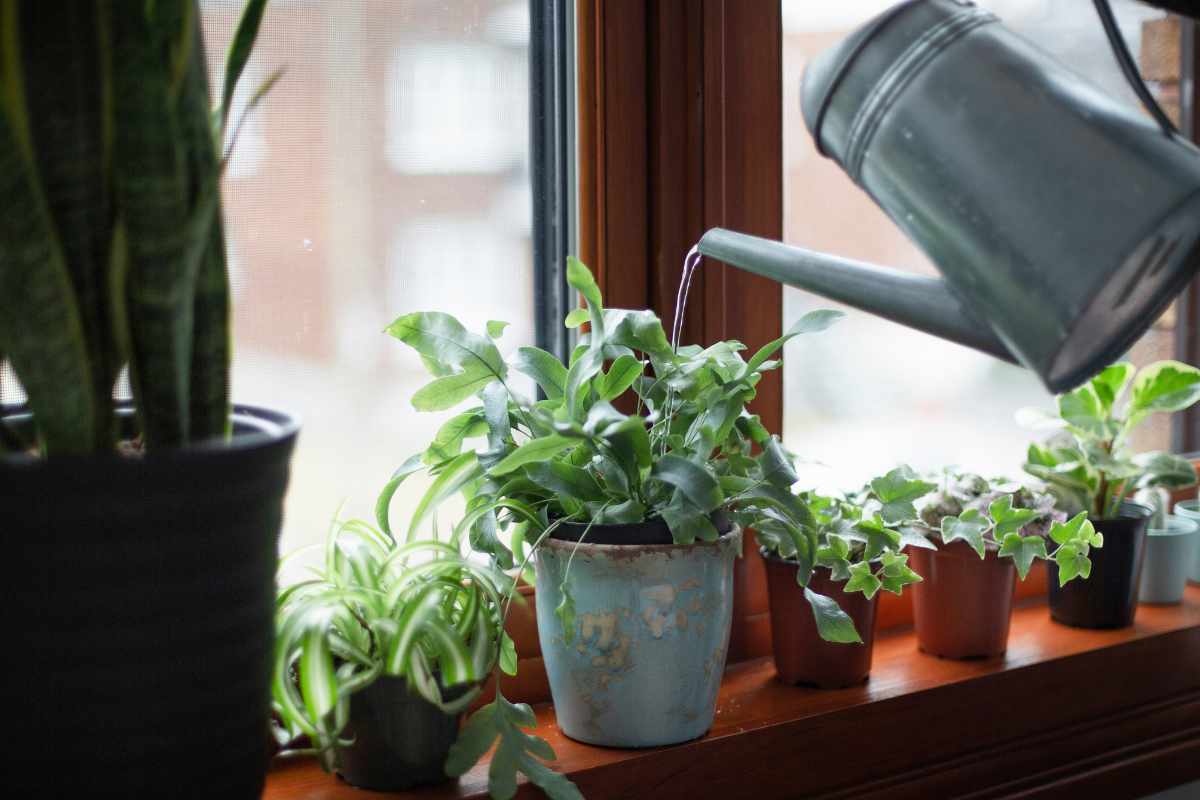
Rotate weekly for even growth, dust leaves monthly, water deeply then allow partial dry-down, and keep notes on what works. These small practices elevate everyday care and keep treasured plants thriving for another generation.
Want a simple next step? Choose one habit to repeat for 30 days—morning moisture checks or a Sunday leaf-wipe session. That consistency turns theory into results for all your houseplants.
Explore More Houseplant Wisdom
Ready to go deeper into heirloom and beginner care alike? Browse more guides on Urbaki Gardening covering repotting timelines, light mapping, and species-specific tips for easy care houseplants and advanced collections.
Save your favorites and share your progress—we’re rooting for you.
More Gardening Tips 👇🏼👇🏼