
Air Plant (Tillandsia) Care and Watering Tips


creative home décor, terrariums, and mounted displays.
Their low-maintenance nature makes them ideal for beginners—yet they still require proper care to stay healthy, vibrant, and long-lasting.
In this guide, you’ll learn how to provide the right water, light, and environment for your air plants to truly flourish.
Light Requirements
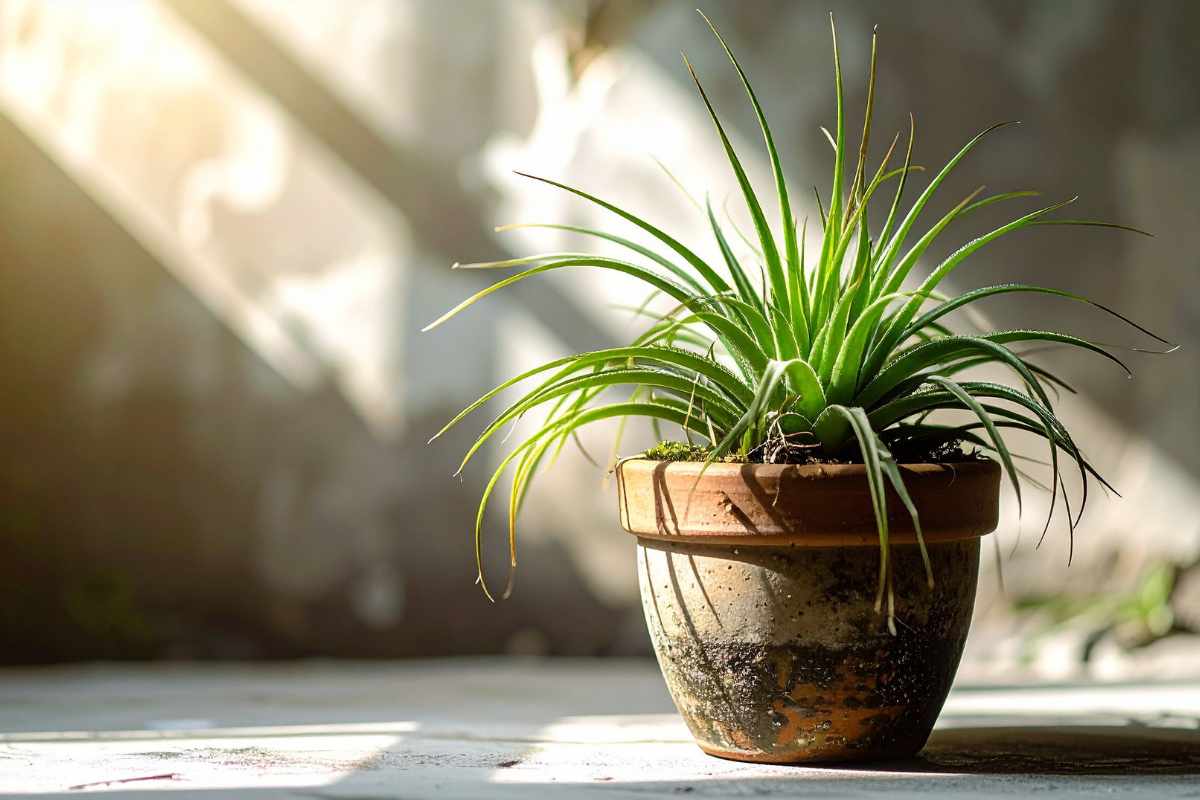
Good lighting is key to happy air plants.
Best Light Conditions
Bright, indirect sunlight is ideal.
They can tolerate a few hours of soft morning sun, but avoid harsh afternoon rays, which can burn the leaves.
Near a bright window, under a grow light, or in a room with filtered light works well.
Indoor vs. Outdoor
Indoors: Place near east or south-facing windows.
Outdoors: Keep in shaded or filtered-sun areas. Bring them inside before winter if temperatures drop below 10°C (50°F).
How to Water Air Plants (Tillandsia)
Although they don’t grow in soil, air plants still need regular hydration.
Recommended Watering Methods
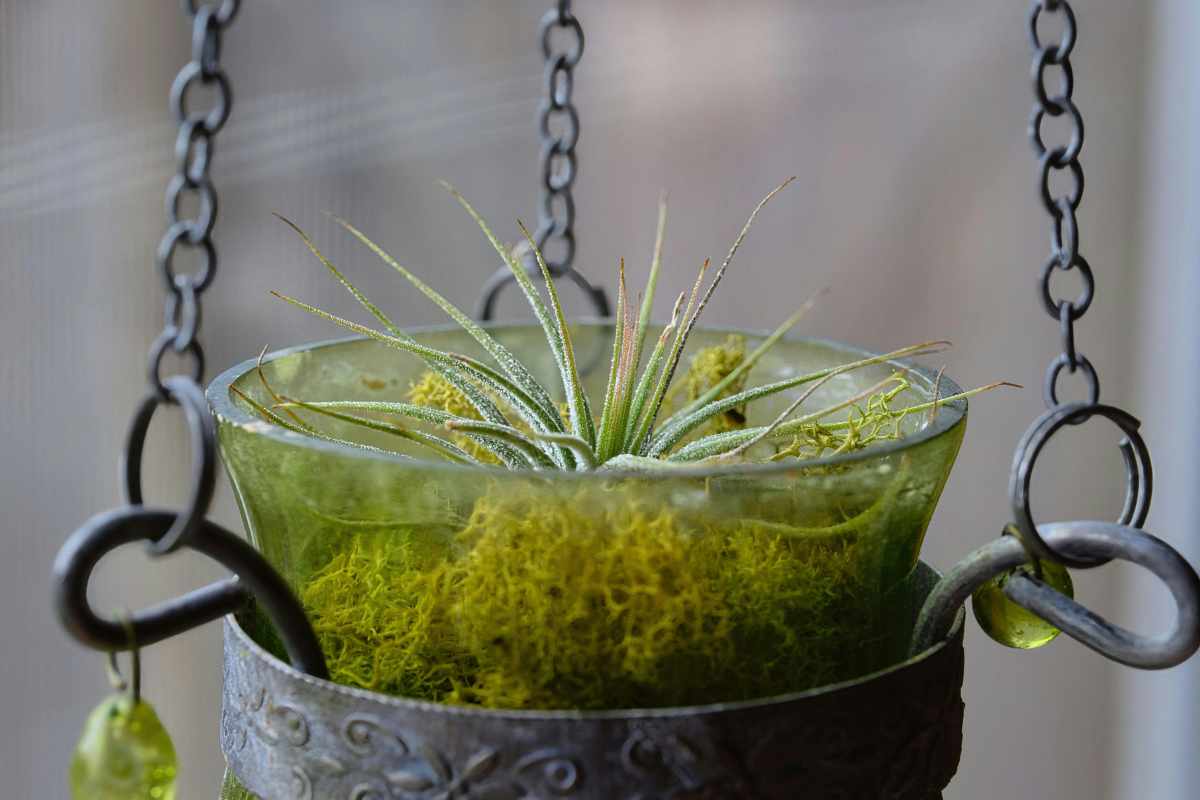
1. Soaking Method (Best)
Submerge the plant in room-temperature water for 20–30 minutes once a week.
After soaking, shake off excess water and place the plant upside down to dry completely within 3–4 hours.
2. Misting Method (Supplement)
Mist 2–3 times per week, especially in dry climates, but do NOT rely on misting as the only method.
Water Quality Matters
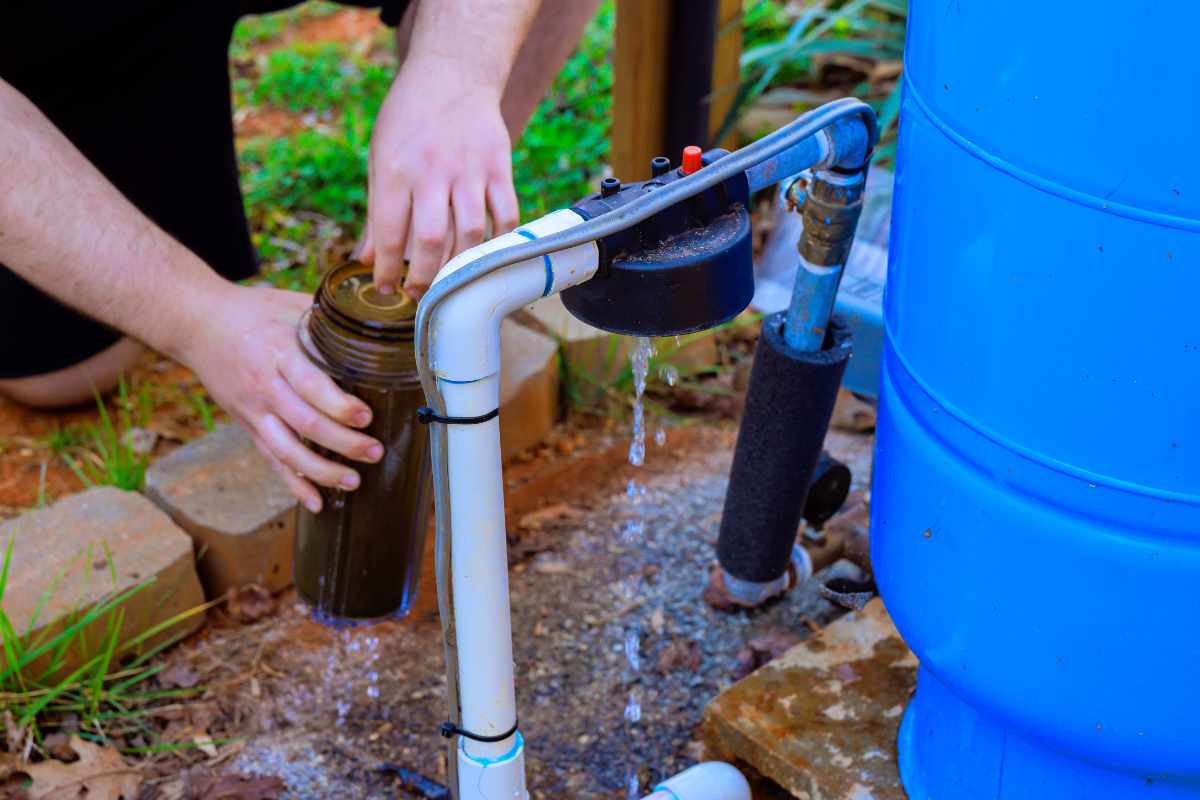
Best: Rainwater or filtered water
Avoid: Hard tap water high in minerals or salt—this can damage leaves over time.
Signs of Over/Underwatering
| Issue | Signs | Fix |
|---|---|---|
| Underwatered | Curled or wrinkled leaves | Longer soak (1 hour) |
| Overwatered | Mushy base, browning | Improve airflow, dry faster |
Air & Humidity
Air circulation is essential. Tillandsias love humidity between 50–70%, but they can adapt with proper watering.
Avoid placing them near heating or AC vents, which dry them out.
Tip: If your home is dry, soak more frequently or place it near a humidifier.
Fertilizing Air Plants
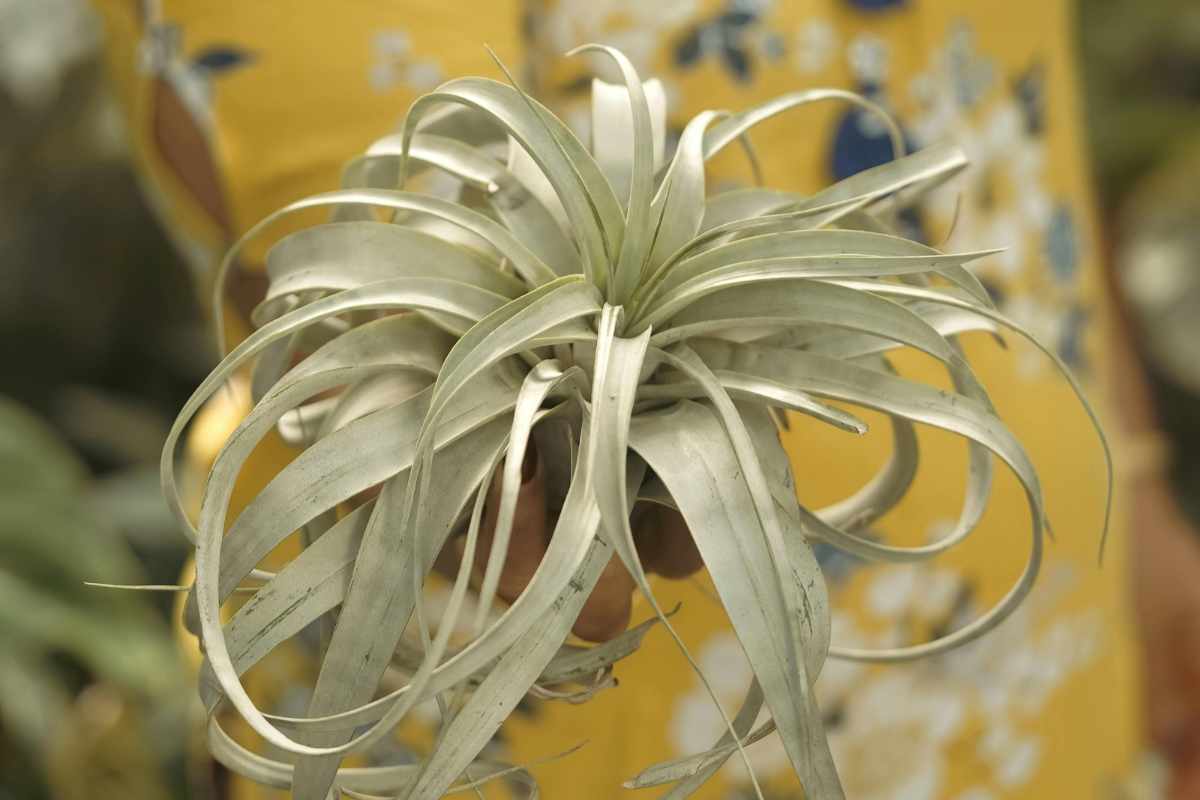
Feeding helps boost growth and blooming.
Use a bromeliad or air-plant-specific fertilizer.
Dilute to ¼ strength and apply once a month during spring and summer.
Common Problems & Solutions
| Problem | Cause | Solution |
|---|---|---|
| Leaves turning brown | Too much direct sun or overwatering | Move to indirect light; adjust watering |
| Plant rotting | Water is trapped at the base | Always dry upside down |
| No growth | Low light or lack of nutrients | Increase light; fertilize monthly |
Final Tips for Happy Tillandsias
Prioritize bright light + good hydration + airflow
Soak weekly, mist in between if needed
Always dry fully to prevent rot
Fertilize monthly for stronger growth and blooms
Enjoy This Video Tutorial
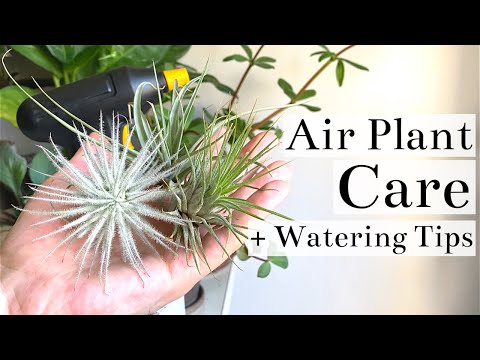
Source: Nick Pileggi
Don’t forget to Subscribe to our Newsletter to receive amazing tips and tricks about Gardening and the FREE Ebook Green Living Strategies!
Did you find this post Useful or Inspiring? Save THIS PIN to your GARDENING Board on Pinterest! 😊
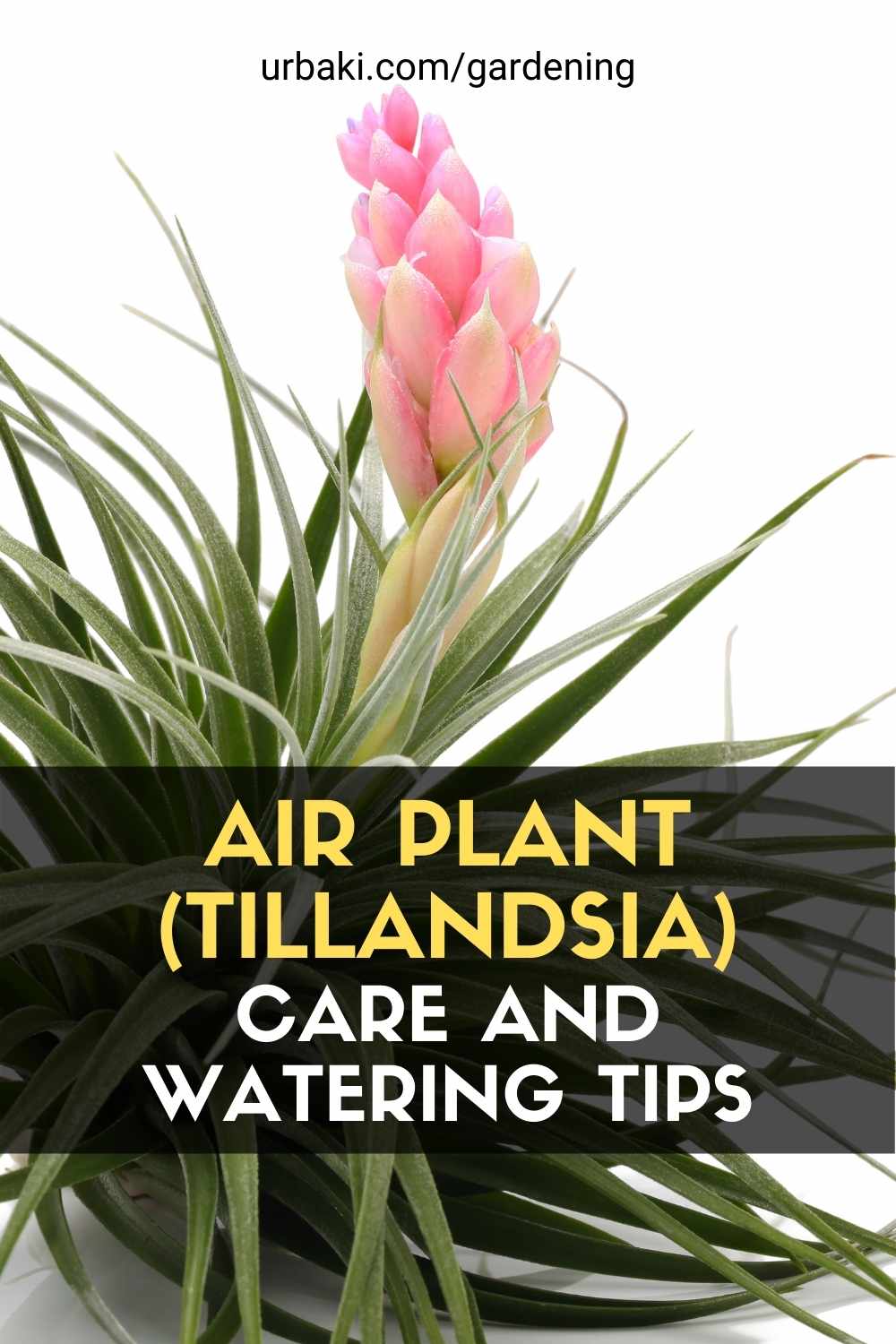
Once again, thank you for visiting our website!
We hope you've enjoyed exploring the content we've created for you.
Give yourself the chance to learn, get inspired, and have even more fun, keep browsing...
More Gardening Tips 👇🏼👇🏼