
Best Fertilizer for Plants at Home


Choosing the right fertilizer for your indoor plants is essential for their growth and health.
Fertilizers provide essential nutrients that plants need to thrive, helping them grow strong, vibrant, and resistant to pests and diseases.
In this guide, we’ll cover the best fertilizers for home plants, including organic options like seaweed solution and compost, and offer tips on how to choose the right one for your plant type.
Types of Fertilizers for Home Plants
1. Seaweed Solution

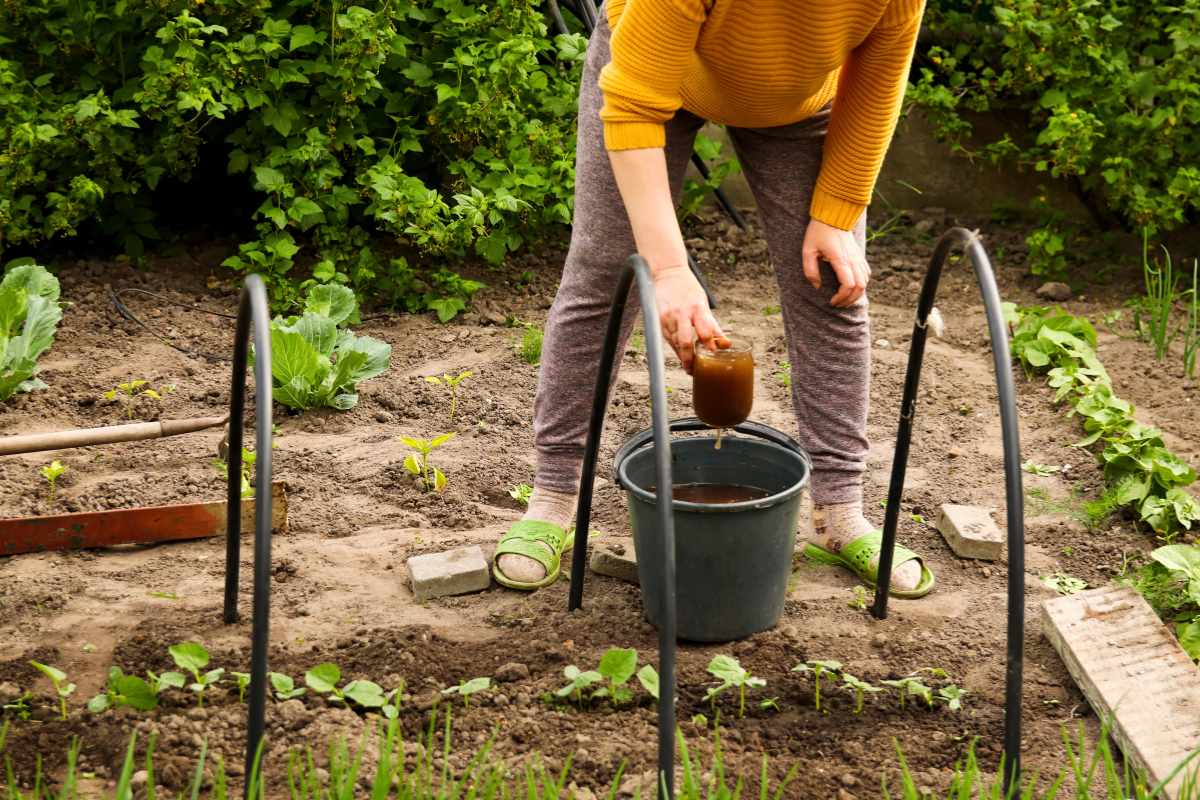
Seaweed solution is a fantastic organic fertilizer that is rich in micronutrients, minerals, and trace elements that help support plant growth.
It promotes root development, boosts plant immune systems, and improves soil structure.
Benefits:
Stimulates root growth
Provides natural nutrients
Improves plant resistance to disease
How to Apply:
Dilute the seaweed solution with water as directed on the packaging (usually around 1 tablespoon per gallon of water).
Apply once every two weeks during the growing season.
2. Compost

Compost is a nutrient-dense organic material made from decomposed plant and food waste.
provides slow-release nutrients, improves soil texture, and helps retain moisture.
Benefits:
Enhances soil structure and aeration
Increases microbial activity
Provides essential nutrients over time
How to Apply:
Mix compost into the soil before planting or spread it as a top dressing around established plants.
Apply once or twice a year, depending on plant needs.
3. Fish Emulsion

Fish emulsion is another excellent organic fertilizer derived from fish parts.
It's high in nitrogen, which promotes healthy foliage growth.
Benefits:
Rich in nitrogen for healthy leaf growth
Easy to use and apply
Safe for most plants
How to Apply:
Dilute according to package instructions (usually 1-2 tablespoons per gallon of water).
Apply every 3-4 weeks during the growing season.
4. Worm Castings

Worm castings are a rich source of nutrients, including nitrogen, phosphorus, and potassium, making them a valuable addition to any indoor garden.
Benefits:
Enhances soil fertility and texture
Improves water retention
Stimulates plant growth and root health
How to Apply:
Mix worm castings into the soil or use them as a top dressing.
Reapply every 2-3 months.
How to Choose the Right Fertilizer for Your Plants

Choosing the right fertilizer depends on the type of plants you have, the stage of growth, and the condition of your soil.
Here are some factors to consider when selecting a fertilizer:
Plant Type: Different plants have different nutritional needs. For example, leafy greens benefit from high nitrogen fertilizers, while flowering plants need more phosphorus.
Growth Stage: Younger plants may require more nitrogen, while mature plants often need more phosphorus and potassium to support flowering and fruiting.
Soil Type: Fertilizers can help correct soil imbalances. Test your soil regularly to determine what nutrients it may lack.
Top Fertilizer Products for Home Plants
Here are some highly recommended fertilizers available on the market for home plants:
1. Miracle-Gro Water Soluble All Purpose Plant Food
A trusted and widely available fertilizer, Miracle-Gro is ideal for both indoor and outdoor plants.
It’s balanced and quick-acting, providing a mix of essential nutrients.
Pros: Quick results, easy to use
Cons: Synthetic, not suitable for organic gardeners
2. Espoma Organic Plant Food

Espoma offers an organic alternative with slow-release nutrients, perfect for gardeners who prefer natural products.
It’s great for both flowers and vegetables.
Pros: Organic, slow-release, non-toxic
Cons: May require reapplication more often
3. Jobe's Organics All-Purpose Fertilizer Spikes

These easy-to-use spikes provide slow-release nutrients and are ideal for indoor plants that need consistent feeding.
Pros: Convenient, slow-release
Cons: Can be messy if not applied correctly
Tips for Effective Fertilization
To make the most out of your fertilizers, here are some tips for proper application:
Don’t Over-Fertilize: Too much fertilizer can harm your plants, leading to burnt roots or excessive leaf growth. Always follow the manufacturer’s recommendations.
Water After Application: Fertilizer needs to be watered in to properly distribute nutrients throughout the soil.
Timing Is Key: Fertilize during the active growing season, typically from spring to fall. In winter, most plants go dormant and do not need feeding.
The Right Fertilizer Makes a Big Difference
Choosing the right fertilizer for your home plants is essential for their health and growth.
Organic options like seaweed solution and compost offer natural benefits, while synthetic fertilizers can provide quick results. Be sure to understand your plant’s needs and choose accordingly.
With the right fertilizer, your plants will thrive, bringing beauty and life to your home.
Enjoy This Video Tutorial

Source: Garden Up
Don’t forget to Subscribe to our Newsletter to receive amazing tips and tricks about Gardening and the FREE Ebook Green Living Strategies!
Did you find this post Useful or Inspiring? Save THIS PIN to your GARDENING Board on Pinterest! 😊

Once again, thank you for visiting our website!
We hope you've enjoyed exploring the content we've created for you.
Give yourself the chance to learn, get inspired, and have even more fun, keep browsing...
More Gardening Tips 👇🏼👇🏼